The right engine oil is crucial for keeping your 99 Jeep Grand Cherokee running smoothly and reliably. Choosing the incorrect type or viscosity can lead to increased wear, reduced performance, and even costly engine damage.
This guide will help you understand the specific oil requirements for your 1999 Jeep Grand Cherokee, covering everything from the recommended viscosity grades to the importance of oil quality and how to check your oil level correctly.
Understanding your Jeep’s oil needs is more than just a routine maintenance task; it’s an investment in the longevity of your vehicle. The 1999 model year saw the Grand Cherokee equipped with different engine options, each with its own specific oil preferences. Whether you have the popular 4.0L inline-six or the more powerful 4.7L V8, knowing the exact oil type and how often to change it is fundamental. We will break down the official recommendations, explain why they matter, and provide practical advice for ensuring your Jeep’s engine stays protected under all driving conditions.
Understanding Engine Oil For Your 1999 Jeep Grand Cherokee
Engine oil is the lifeblood of your Jeep's engine. It performs several critical functions that protect and maintain the engine's health.
These functions include lubricating moving parts, reducing friction and wear, cooling engine components, cleaning away dirt and debris, and preventing corrosion.
For a vehicle like the 1999 Jeep Grand Cherokee, which might be used for daily commuting, off-roading, or towing, the demands on the engine oil can vary significantly.
The viscosity of the oil, often represented by numbers like 5W-30 or 10W-30, is a key characteristic. The “W” stands for “Winter,” indicating how well the oil flows at cold temperatures. A lower number before the “W” means the oil is thinner when cold, allowing for easier starting and better lubrication during cold weather. The second number represents the oil’s viscosity at operating temperature. The correct viscosity ensures the oil can form a protective film between engine parts, regardless of whether the engine is cold or hot.
Recommended Oil Viscosity Grades
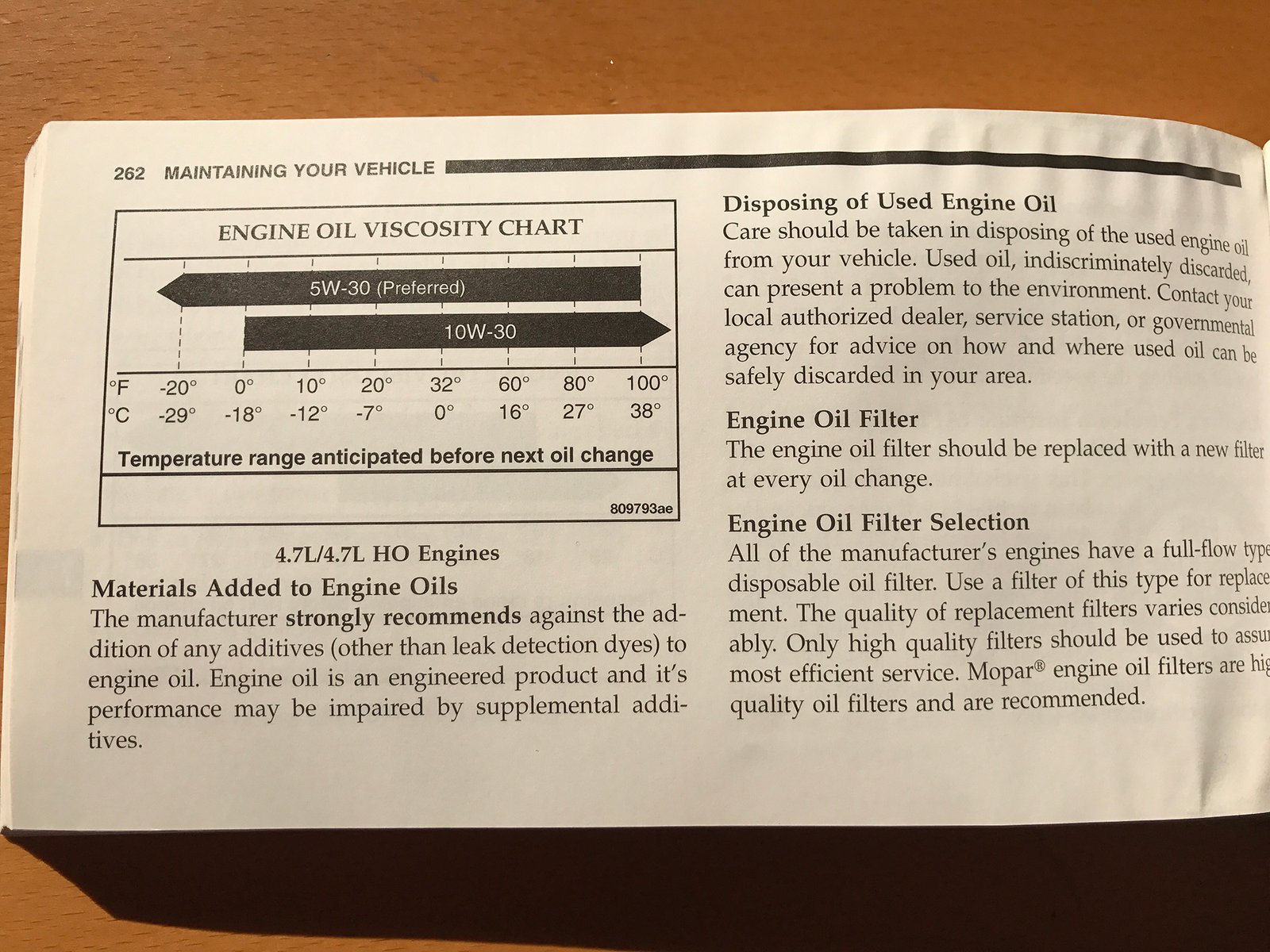
Jeep specified different oil viscosity grades for the 1999 Grand Cherokee depending on the engine installed and the ambient temperature range in which the vehicle is operated. It’s essential to consult your owner’s manual for the most accurate recommendation, but general guidelines are available.
4.0l Inline-6 Engine
The robust and widely used 4.0L inline-six engine in the 1999 Grand Cherokee typically requires a 5W-30 viscosity oil for most operating conditions. This grade offers a good balance between cold-weather flow and high-temperature protection.
- For most climates: 5W-30 is the standard recommendation. It ensures proper lubrication during cold starts and maintains a protective film at normal operating temperatures.
- In very hot climates or under heavy load: In some cases, particularly if you frequently operate your Jeep in extreme heat or tow heavy loads, a 10W-30 or even 10W-40 might be considered. However, it’s crucial to check your owner’s manual, as using oil that is too thick can hinder cold starts and potentially reduce fuel efficiency.
4.7l V8 Engine
The 4.7L V8 engine, offering more power, also has specific oil requirements. For this engine, the recommended viscosity is generally 5W-30 across a wide range of temperatures.
- Standard recommendation: 5W-30 is the preferred choice for the 4.7L V8. This viscosity is designed to provide optimal protection for the tighter tolerances and higher performance characteristics of this engine.
- Extreme conditions: Similar to the 4.0L, if you operate in exceptionally hot conditions or under severe duty cycles, consulting your owner’s manual for potential alternatives like 10W-30 is advisable. However, always prioritize the manufacturer’s specific guidance to avoid issues.
It’s important to note that SAE (Society of Automotive Engineers) viscosity grades are standardized. The numbers indicate flow characteristics, not necessarily the quality or type of oil.

Oil Type: Conventional, Synthetic Blend, Or Full Synthetic?
Beyond viscosity, the type of engine oil also plays a significant role. You have three main options: conventional, synthetic blend, and full synthetic.
Conventional Motor Oil
Conventional oil is the most basic type, derived directly from refined crude oil. It’s the least expensive option and has been used for decades. For older vehicles or those with simpler engine designs, conventional oil can be adequate if changed at regular intervals.
- Pros: Cost-effective, readily available.
- Cons: Breaks down faster under extreme temperatures, less effective at preventing sludge and deposits, requires more frequent changes.
Synthetic Blend Motor Oil
A synthetic blend is a mixture of conventional and synthetic base oils. It offers improved performance over conventional oil without the higher cost of full synthetic.
- Pros: Better performance than conventional oil, offers improved protection against wear and deposits, reasonably priced.
- Cons: Not as robust as full synthetic, may still require more frequent changes than full synthetic in severe conditions.
Full Synthetic Motor Oil
Full synthetic oil is engineered in a laboratory for superior performance. It offers the best protection against heat, cold, and wear. For a vehicle like the 1999 Jeep Grand Cherokee, especially if it’s driven in harsh conditions or has high mileage, full synthetic can provide significant benefits.
- Pros: Excellent protection at extreme temperatures (both hot and cold), superior resistance to oxidation and breakdown, longer drain intervals possible, better engine cleanliness.
- Cons: Higher initial cost.
Recommendation for 1999 Jeep Grand Cherokee:
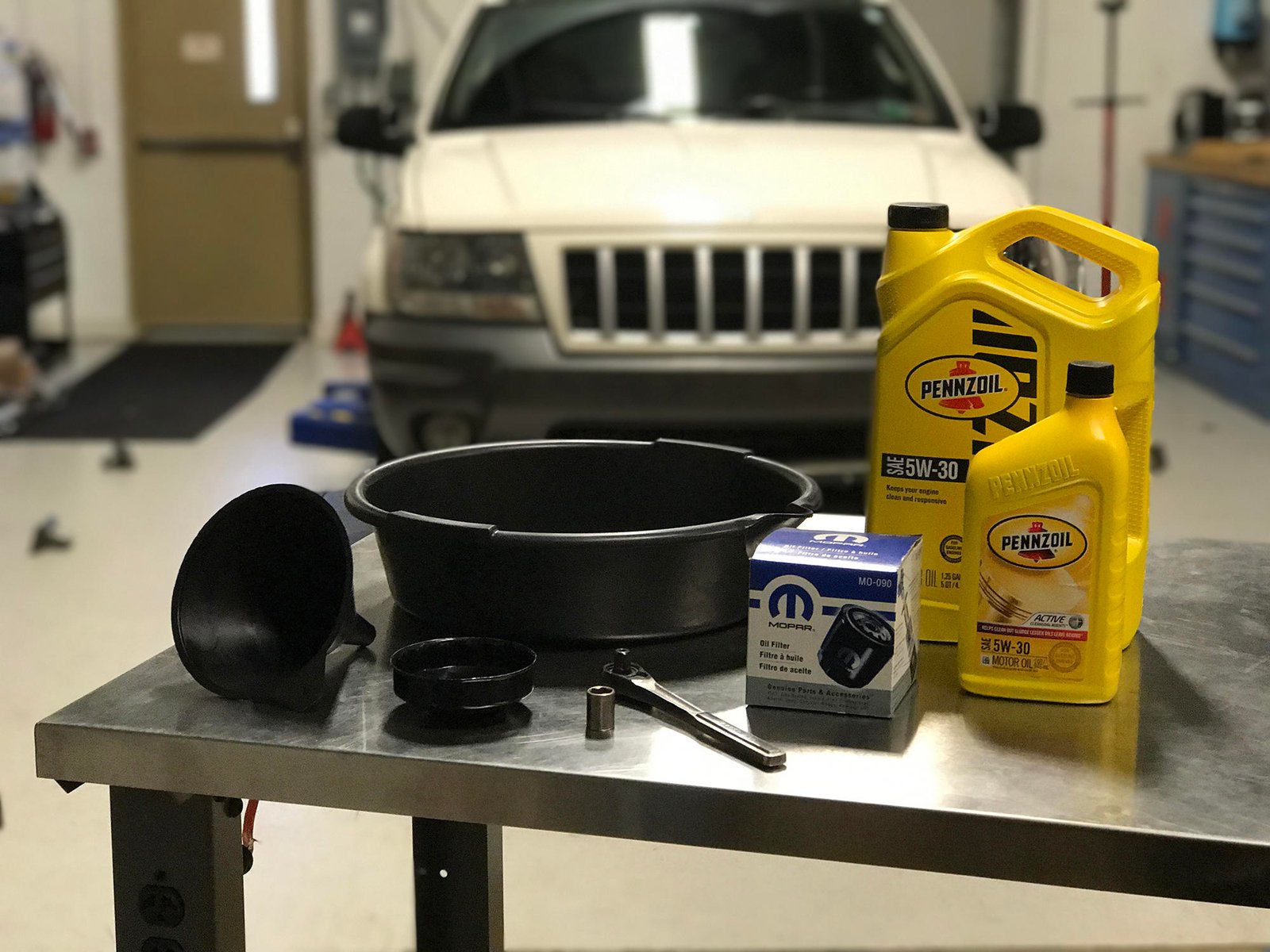
While conventional oil might have been the standard when the 1999 Grand Cherokee was new, using a high-quality 5W-30 synthetic blend or full synthetic oil is highly recommended today. These oils provide superior protection, especially for engines that may have accumulated miles. They offer better resistance to thermal breakdown and can help keep the engine cleaner, reducing the risk of sludge formation, which is a common concern in older engines. If you frequently drive in extreme temperatures or use your Jeep for demanding tasks like towing or off-roading, full synthetic is the best choice.
Api Service Classifications And Quality Standards
Engine oils are also categorized by their performance standards, set by organizations like the American Petroleum Institute (API). For your 1999 Jeep Grand Cherokee, you should look for oils that meet or exceed certain API classifications.
- API Service SG, SH, or SJ: These classifications were current around the time your 1999 Grand Cherokee was manufactured. Oils labeled with these classifications are suitable for gasoline engines.
- API SN or SP: Modern oils often carry newer classifications like API SN or API SP. These newer standards are backward compatible and offer enhanced protection, including better fuel economy and engine cleanliness. Using an oil with a newer API classification is generally beneficial.
- ILSAC Standards: Look for oils that also meet ILSAC (International Lubricant Standardization and Approval Committee) standards, such as GF-3 or GF-4. These often indicate improved fuel economy and wear protection.
Pro Tip: Always check the oil cap or your owner’s manual for the most specific API service rating recommended by Jeep for your model year and engine.
How To Check Your Jeep Grand Cherokee’s Oil Level
Maintaining the correct oil level is just as important as using the right type of oil. Too little oil can lead to severe engine damage, while too much can cause issues like foaming and increased pressure.
- Park on a Level Surface: Ensure your Jeep is parked on a flat, level surface. This is critical for an accurate reading.
- Warm Up the Engine: It’s best to check the oil when the engine is warm, but not hot. Run the engine for a few minutes, then turn it off and wait about 5-10 minutes for the oil to drain back into the oil pan.
- Locate the Dipstick: The oil dipstick is usually a brightly colored (often yellow or orange) loop or handle, typically located on the side of the engine.
- Pull Out the Dipstick: Carefully pull the dipstick out of its tube.
- Wipe the Dipstick: Use a clean, lint-free cloth or paper towel to wipe the oil completely off the dipstick.
- Reinsert the Dipstick: Fully reinsert the dipstick back into its tube. Make sure it goes in all the way.
- Pull Out Again and Check: Pull the dipstick out again and examine the end. You’ll see two marks or a cross-hatched area. The oil level should be between these two marks.
- Interpret the Reading:
- If the oil level is below the lower mark: You need to add oil.
- If the oil level is between the marks: The level is good.
- If the oil level is above the upper mark: The oil level is too high. This can be problematic and may require draining some oil.
Adding Oil: If you need to add oil, use the correct type and viscosity. Add oil slowly, a little at a time (about half a quart or liter), and recheck the dipstick after each addition until the level is within the acceptable range. Never overfill.
When To Change Your Engine Oil
The frequency of oil changes is a critical maintenance item. Jeep provides recommended intervals, but these can be adjusted based on your driving habits and conditions.
Manufacturer Recommendations
For the 1999 Jeep Grand Cherokee, Jeep typically recommended an oil change every 3,000 to 5,000 miles or every six months, whichever came first, when using conventional oil.
Factors Affecting Oil Change Intervals
- Driving Conditions:
- Severe Driving: This includes frequent short trips (engine doesn’t fully warm up), stop-and-go city driving, driving in dusty or muddy conditions, or towing heavy loads. If your driving is mostly severe, you should aim for the lower end of the recommended interval, such as 3,000 miles.
- Normal Driving: Primarily highway driving or longer trips where the engine reaches optimal operating temperature. You might be able to extend the interval slightly, perhaps closer to 5,000 miles, especially if using synthetic oil.
- Type of Oil Used:
- Conventional Oil: Requires more frequent changes, typically within the 3,000-5,000 mile range.
- Synthetic Blend: Can often extend intervals slightly beyond conventional, perhaps up to 5,000 miles.
- Full Synthetic Oil: Offers the greatest potential for extended intervals. Depending on your driving conditions and the specific oil used, you might be able to go 7,500 miles or even longer. However, always refer to the oil manufacturer’s recommendations and your Jeep’s owner’s manual.
- Age and Condition of the Engine: Older engines, especially those with higher mileage, might benefit from slightly more frequent oil changes to ensure optimal lubrication and cleanliness.
In my experience, even with full synthetic oil, sticking to a 5,000-mile interval for a 1999 Grand Cherokee is a safe and effective practice that balances protection with cost.
Understanding The Oil Filter
The oil filter is a vital component that works alongside the engine oil to keep your engine clean. It removes contaminants like dirt, metal particles, and sludge from the oil.
- Function: The filter traps impurities, preventing them from circulating through the engine and causing wear.
- Replacement: It’s crucial to replace the oil filter every time you change your oil. A clogged filter can restrict oil flow, reducing lubrication and potentially causing engine damage.
- Quality Matters: Opt for a reputable brand of oil filter. Cheap, low-quality filters may not trap contaminants effectively or may fail prematurely.
Checking For Oil Leaks
Regularly inspect the area under your parked Jeep for any signs of oil leaks. Leaks can occur from various places, including the oil pan gasket, valve cover gaskets, or the oil filter housing.
- Signs of a leak: Puddles of oil under the vehicle, a burning smell from the engine (oil dripping onto hot exhaust components), or a consistently low oil level on the dipstick.
- Addressing leaks: If you notice a leak, have it diagnosed and repaired by a qualified mechanic as soon as possible. Small leaks can become larger problems and lead to significant oil loss and engine damage.
Common Mistakes To Avoid When Choosing And Changing Oil
Drivers often make mistakes that can negatively impact their engine’s health. Being aware of these common pitfalls can help you take better care of your 1999 Grand Cherokee.
- Ignoring the Owner’s Manual: This is the most critical mistake. Always refer to your owner’s manual for the exact specifications. While general advice is helpful, the manual provides the precise recommendations from the manufacturer.
- Using the Wrong Viscosity: Putting in oil that is too thick or too thin for your engine and climate can cause problems. Too thick, and it won’t flow properly when cold; too thin, and it might not provide adequate protection at high temperatures.
- Not Changing the Oil Filter: Reusing an old oil filter with new oil is like putting clean water through a dirty filter. It defeats the purpose of cleaning the oil.
- Overfilling or Underfilling: Both extremes are detrimental. Overfilling can lead to oil foaming and increased pressure, while underfilling starves the engine of lubrication.
- Extending Oil Change Intervals Too Far: While synthetic oils allow for longer intervals, pushing them too far based solely on mileage without considering driving conditions can lead to oil breakdown and reduced protection.
- Using Low-Quality Oil or Filters: Saving a few dollars on cheap oil or filters can cost you much more in potential engine repairs down the line.
- Forgetting to Check Oil Levels Regularly: Oil levels can drop due to normal consumption or leaks. Regular checks (e.g., weekly or before long trips) are essential.
The Role Of Additives In Engine Oil
Modern engine oils contain a complex package of additives designed to enhance their performance. These additives perform various functions:
- Detergents: Keep engine surfaces clean by preventing the buildup of varnish and sludge.
- Dispersants: Keep contaminants suspended in the oil, preventing them from clumping together and forming sludge.
- Anti-wear agents: Form a protective film on metal surfaces to reduce friction and wear, especially under high pressure.
- Antioxidants: Slow down the oil’s oxidation process, which causes the oil