Understanding The Value Of A ’97 Jeep Grand Cherokee
The 1997 Jeep Grand Cherokee holds a special place in the hearts of many off-road enthusiasts and those who appreciate a blend of utility and classic SUV style.
As this iconic vehicle ages, understanding its Blue Book value becomes crucial for potential buyers, sellers, and even current owners looking to gauge their investment. The Kelley Blue Book (KBB.
com) has long been a trusted source for vehicle valuations, providing estimates based on a variety of factors. For a 1997 Grand Cherokee, this value is not a single, fixed number but rather a range influenced by its condition, mileage, trim level, and the current market demand.
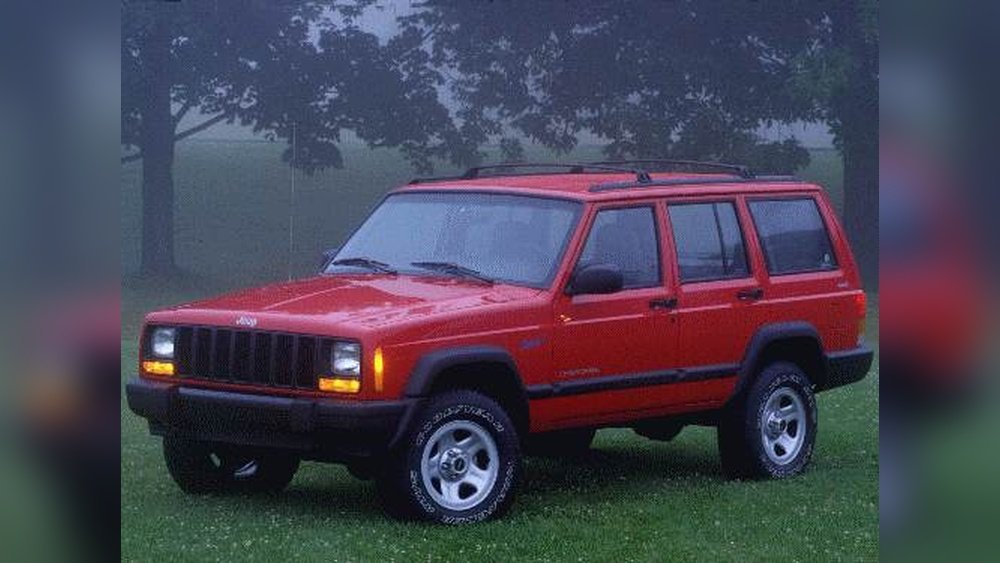
When looking at a vehicle from the late 1990s, the concept of “value” can be complex. It’s no longer just about its original sticker price or its capabilities when new. Instead, we must consider its historical significance, its durability, and its appeal to a niche market that values its ruggedness and off-road prowess. The ’97 model year is particularly interesting as it falls within the second generation of the Grand Cherokee, a period that saw significant updates and refinements. This article will guide you through the intricacies of determining the Blue Book value for a 1997 Jeep Grand Cherokee, exploring the elements that contribute to its worth and what you can expect when buying or selling one today.
Factors Influencing The 1997 Jeep Grand Cherokee’s Value
The value of any used car, especially one with over two decades of history, is determined by a complex interplay of factors. For the 1997 Jeep Grand Cherokee, these elements are amplified by its age and its status as a classic SUV.
Condition: The Most Critical Factor
The overall condition of a 1997 Grand Cherokee is paramount. This includes both the mechanical and cosmetic aspects.
- Mechanical Health: A vehicle that has been meticulously maintained, with regular servicing and no major mechanical issues, will command a higher price. This means checking the engine, transmission, suspension, brakes, and 4×4 system. Any leaks, unusual noises, or warning lights will significantly reduce its value.
- Interior Wear: Seats, carpets, dashboard, and upholstery condition play a big role. Tears, stains, cracks, or missing components will lower the value. A clean, well-preserved interior suggests the vehicle has been cared for.
- Exterior Appearance: Rust is a major enemy of older vehicles, especially those that may have seen off-road use or lived in areas with harsh winters. Dents, scratches, faded paint, and damaged trim will all detract from its worth. A vehicle with original, well-maintained paint and minimal rust will be more valuable.
- Tire Condition: Worn-out tires will necessitate an immediate expense for the buyer, thus reducing the seller’s asking price. Good tread depth and quality tires add to the perceived value.
Mileage: A Key Indicator Of Wear
Mileage is a direct indicator of how much the vehicle has been used. A 1997 Grand Cherokee with lower mileage will generally be worth more than one with significantly higher mileage, assuming all other factors are equal. Lower mileage suggests less wear and tear on the engine, transmission, and other vital components. However, it’s also important to consider how that mileage was accumulated. Highway miles are generally less taxing than city miles.
Trim Levels And Features
The 1997 Jeep Grand Cherokee was available in several trim levels, each offering different features and levels of luxury or capability. The most common trims include:
- SE: The base model, offering essential features.
- Sport: Typically included some appearance upgrades and potentially a more powerful engine option.
- Limited: The top-tier trim, featuring leather upholstery, power accessories, upgraded audio systems, and often more advanced drivetrain options.
Higher trim levels like the Limited, especially those equipped with desirable options such as a power sunroof, premium audio system, or heated seats, will naturally command a higher Blue Book value. The presence of the Quadra-Trac or Quadra-Drive full-time 4WD systems also adds value for off-road enthusiasts.
Engine And Drivetrain Options
The 1997 Grand Cherokee offered two primary engine options:
- 4.0L Inline-6: This legendary engine is known for its durability and torque, making it a popular choice for off-roading and towing.
- 5.2L Magnum V8: This engine offered more power and torque, appealing to those who needed extra performance for towing or acceleration.
Vehicles equipped with the more powerful 5.2L V8 engine often hold a slightly higher value, especially if they have been well-maintained. Similarly, the availability and condition of the 4×4 system are crucial. A functional and well-serviced 4WD system is a significant selling point for a Jeep.
Geographic Location And Market Demand
The geographic location can significantly impact the value of a 1997 Jeep Grand Cherokee. In areas where off-roading is popular, or where older, rugged SUVs are in demand, values might be higher. Conversely, in regions with strict emissions standards or where rust is prevalent, the value might be lower. Current market demand for classic SUVs and Jeeps, in general, also plays a role. A surge in popularity for retro vehicles can drive up prices.

Understanding Blue Book Value (kbb)
The Kelley Blue Book (KBB) is a widely recognized authority for estimating used car values. Their valuation process considers numerous data points to provide a realistic range.
How Kbb Determines Value
KBB uses a sophisticated algorithm that analyzes:
- Vehicle Specifics: Year, make, model, trim, engine, mileage.
- Condition: Based on user input (excellent, good, fair, poor).
- Options and Features: Factory-installed equipment that enhances value.
- Market Data: Real-time sales data from dealerships and private party transactions.
- Location: Regional differences in demand and pricing.
KBB typically provides three main values:
- Trade-In Value: What a dealer might offer you for the car. This is usually the lowest estimate.
- Private Party Value: What you might expect to get selling the car yourself. This is generally higher than trade-in value.
- Retail Value: What a dealer might sell a similar car for. This is the highest estimate.
For a 1997 Jeep Grand Cherokee, the Private Party Value is often the most relevant for individuals buying or selling between owners.
How To Use Kbb For Your ’97 Grand Cherokee
To get an accurate estimate for your 1997 Jeep Grand Cherokee using KBB:
- Visit KBB.com: Navigate to their used car valuation section.
- Enter Vehicle Details: Accurately input the year (1997), make (Jeep), and model (Grand Cherokee).
- Specify Trim Level: Select the correct trim (SE, Sport, Limited).
- Input Mileage: Enter the exact mileage of your vehicle.
- Select Options: Choose the factory-installed options your Grand Cherokee has (e.g., 4.0L I6, 5.2L V8, 4WD, leather seats, sunroof).
- Assess Condition Honestly: Rate the vehicle’s condition (excellent, good, fair, poor) based on mechanical and cosmetic factors. Be realistic to get the most accurate value.
- Enter Zip Code: Provide your zip code to factor in local market conditions.
KBB will then provide a range of values, typically for trade-in, private party, and retail sales. Remember, these are estimates, and the actual selling price can vary based on negotiation and specific circumstances.
The 97 Jeep Grand Cherokee Models And Their Values
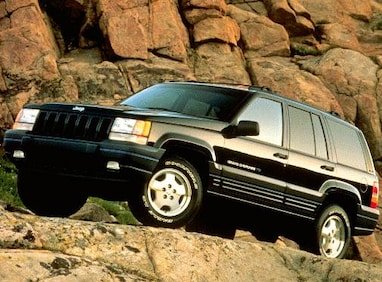
The 1997 model year introduced the second generation (ZJ) Grand Cherokee, which ran from 1993 to 1998. This generation saw significant updates, including a more refined interior and exterior design, and improved safety features.
For 1997, Jeep offered several distinct configurations that influence value.
1. Grand Cherokee Se (4.0l I6, 2wd)
The entry-level SE trim with the 4.0L inline-six engine and two-wheel drive is the most common configuration. Its value is generally the lowest among the 1997 models due to fewer features and less off-road capability.
- Value Considerations: Focuses on basic transportation. Condition and mileage are paramount. Less desirable for off-roaders.
- Estimated Range: Typically ranges from $1,500 to $4,000, heavily dependent on condition and mileage.
2. Grand Cherokee Se (4.0l I6, 4wd)
Adding four-wheel drive to the SE trim significantly increases its appeal and value, especially for those seeking Jeep’s renowned capability.
- Value Considerations: Basic trim with added off-road capability. 4WD system condition is critical.
- Estimated Range: Can range from $2,000 to $4,500.
3. Grand Cherokee Se (5.2l V8, 2wd)
While less common, an SE with the 5.2L V8 engine and 2WD offers more power than the standard 4.0L but lacks the 4WD appeal.
- Value Considerations: More power, but 2WD limits its niche appeal. V8 maintenance history is important.
- Estimated Range: Similar to the 4WD 4.0L, perhaps $2,000 to $4,200.
4. Grand Cherokee Se (5.2l V8, 4wd)
This configuration combines the base SE trim with the more powerful V8 and the sought-after 4WD system, making it a more capable and desirable option.
- Value Considerations: Good balance of power and capability. A solid choice for moderate off-roading or towing.
- Estimated Range: $2,500 to $5,000.
5. Grand Cherokee Sport (4.0l I6, 2wd)
The Sport trim often included some visual enhancements and potentially minor performance upgrades over the SE. With the 4.0L and 2WD, its value is moderate.
- Value Considerations: Slightly more stylish than the SE. Functionality is similar to SE 2WD.
- Estimated Range: $1,800 to $4,000.
6. Grand Cherokee Sport (4.0l I6, 4wd)
Adding 4WD to the Sport trim enhances its utility and appeal.
- Value Considerations: Combines Sport aesthetics with Jeep’s off-road prowess.
- Estimated Range: $2,300 to $4,800.
7. Grand Cherokee Sport (5.2l V8, 2wd)
The Sport trim with the V8 and 2WD offers more power but remains limited in off-road capability.
- Value Considerations: Power is the main draw. Less appealing than 4WD variants.
- Estimated Range: $2,300 to $4,500.
8. Grand Cherokee Sport (5.2l V8, 4wd)
This is a well-rounded package offering good power and 4WD capability in a slightly sportier package.
- Value Considerations: A strong contender for those wanting a capable and powerful classic SUV.
- Estimated Range: $2,800 to $5,500.
9. Grand Cherokee Limited (4.0l I6, 2wd)
The Limited trim signifies a step up in luxury. Even with the 4.0L engine and 2WD, the premium features add value.
- Value Considerations: Focuses on comfort and premium features. Leather seats, better sound system.
- Estimated Range: $2,500 to $5,000.
10. Grand Cherokee Limited (4.0l I6, 4wd)
This is a highly desirable configuration, blending Jeep’s legendary 4WD capability with the luxury appointments of the Limited trim.
- Value Considerations: Excellent balance of luxury and off-road performance. Often the most sought-after 4.0L variants.
- Estimated Range: $3,000 to $6,000.
11. Grand Cherokee Limited (5.2l V8, 2wd)
The Limited trim with the V8 and 2WD offers a powerful and luxurious experience, though still lacking 4WD.
- Value Considerations: Powerful engine and luxury features. 2WD limits its appeal for some buyers.
- Estimated Range: $3,000 to $5,500.
12. Grand Cherokee Limited (5.2l V8, 4wd)
This is arguably the top-tier configuration for the 1997 Grand Cherokee, combining the most powerful engine, the most capable drivetrain, and the most luxurious features.
- Value Considerations: The ultimate ’97 Grand Cherokee. High demand among collectors and enthusiasts.
- Estimated Range: $3,500 to $7,000+, with exceptional examples potentially reaching higher.
These are general estimates. The actual value can fluctuate significantly based on the specific condition, mileage, and market demand in your area.
Beyond The Blue Book: Factors Kbb Might Miss
While KBB is a reliable source, it’s an automated tool. Certain aspects that contribute to a 1997 Grand Cherokee’s value might not be fully captured.
Modifications And Upgrades
- Off-Road Modifications: If the Jeep has been professionally lifted, fitted with larger tires, upgraded suspension components, or received other off-road enhancements, its value can increase substantially for the right buyer. However, poorly executed modifications can decrease value.
- Restoration Work: Recent, high-quality restoration work, such as a professional paint job, interior refurbishment, or engine rebuild, can significantly boost value beyond standard KBB estimates.
- Maintenance Records: A thick binder of detailed maintenance records, especially those showing consistent servicing at reputable shops or dealerships, provides peace of mind to buyers and can justify a higher price.
Rarity And Desirability
- Specific Color Options: Certain rare or highly sought-after factory paint colors