Adding a turbocharger to your Jeep's Inline 6 engine can transform its performance. This power upgrade offers significant gains in horsepower and torque, making your Jeep more capable on the trails and more responsive on the road.
However, choosing the right turbo kit and understanding the installation process is crucial for a successful and reliable build.
This article explores 40 different aspects to consider when looking into a 40 Inline 6 Jeep engine turbo kit, covering everything from the basics of turbocharging to specific considerations for Jeep engines.
Understanding Turbocharging For Jeep Inline 6 Engines
Turbocharging forces more air into your engine’s cylinders. This extra air allows the engine to burn more fuel, which results in a power boost. For Jeep Inline 6 engines, known for their durability and torque, a turbocharger can amplify these characteristics. The goal is to increase engine performance without sacrificing reliability.
How Turbochargers Work
A turbocharger uses exhaust gases to spin a turbine. This turbine is connected to a compressor wheel, which spins at very high speeds. The compressor draws in fresh air, compresses it, and then pushes it into the engine’s intake manifold. This process is often called forced induction.
Benefits Of Turbocharging A Jeep Inline 6
The primary benefit is a substantial increase in horsepower and torque. This means better acceleration, improved towing capacity, and more power for off-roading. You might also see a slight improvement in fuel efficiency under normal driving conditions because the engine can work more efficiently.
Potential Downsides And Considerations
Turbocharging isn’t without its challenges. It adds complexity to the engine, increases heat, and requires more robust engine components. Proper tuning is essential to prevent engine damage. Heat management and engine cooling become more critical.
Key Components Of A Turbo Kit
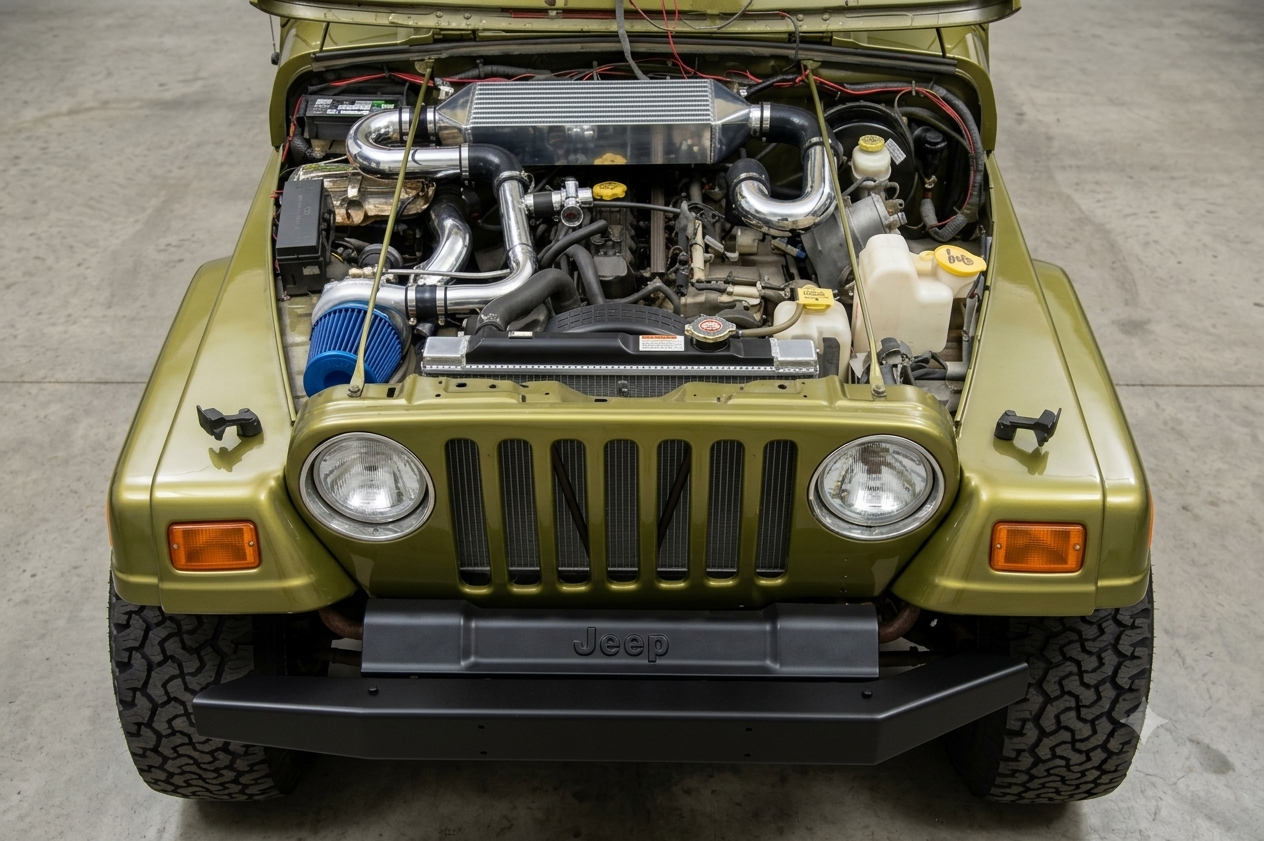
A comprehensive turbo kit includes several essential parts designed to work together to deliver reliable power. Understanding each component helps in making an informed purchase.
The Turbocharger Unit
This is the heart of the system. It consists of the turbine housing, compressor housing, and the shaft connecting the two. Turbocharger size is critical; too small, and it won’t provide enough boost; too large, and it will create turbo lag (a delay in power delivery).
Exhaust Manifold And Downpipe
The turbo manifold replaces your stock exhaust manifold. It’s designed to direct exhaust gases efficiently to the turbocharger’s turbine. The downpipe connects the turbocharger’s exhaust outlet to the rest of your exhaust system.
Intercooler System
An intercooler cools the compressed air before it enters the engine. Hot compressed air is less dense and can lead to detonation (engine knock). An intercooler significantly improves performance and engine safety. There are two main types: air-to-air and air-to-water.
Fuel System Upgrades
More air requires more fuel. Most kits will necessitate upgrades to the fuel injectors, fuel pump, and sometimes the fuel pressure regulator to supply the increased fuel demand.
Oil And Coolant Lines
Turbochargers require a dedicated supply of clean oil for lubrication and cooling, and often coolant as well. The kit will include specific oil feed and return lines and potentially coolant lines.
Wastegate And Blow-off Valve
The wastegate controls the maximum boost pressure by diverting exhaust gases away from the turbine. A blow-off valve (BOV) releases excess boost pressure when you let off the throttle, preventing compressor surge and protecting the turbo.
Intake And Piping
This includes the intake piping that connects the air filter to the turbocharger’s compressor inlet, and the piping that runs from the intercooler outlet to the engine’s throttle body.
Air Filter And Air Intake System
A high-flow air filter and a dedicated intake system are needed to supply cool, unrestricted air to the turbocharger.
Choosing The Right Turbo Kit For Your Jeep Inline 6
Selecting the correct turbo kit depends on your Jeep model, engine type, intended use, and budget.
Engine Model Specifics (e.g., 4.0l, 4.2l)
Jeep’s Inline 6 engines have evolved. Common examples include the 4.0L HO (High Output), the older 4.2L (258ci), and earlier variants. Kits are often designed for specific engine displacements and years. Ensure compatibility.
Intended Use: Off-roading Vs. Daily Driving
For off-roading, you might prioritize low-end torque and responsiveness. For daily driving or highway use, a broader powerband and good fuel economy might be more important.
Budget Considerations
Turbo kits can range from a few thousand dollars to over ten thousand, depending on the brand, components, and complexity. Factor in installation costs and potential supporting modifications.
Brand Reputation And Quality
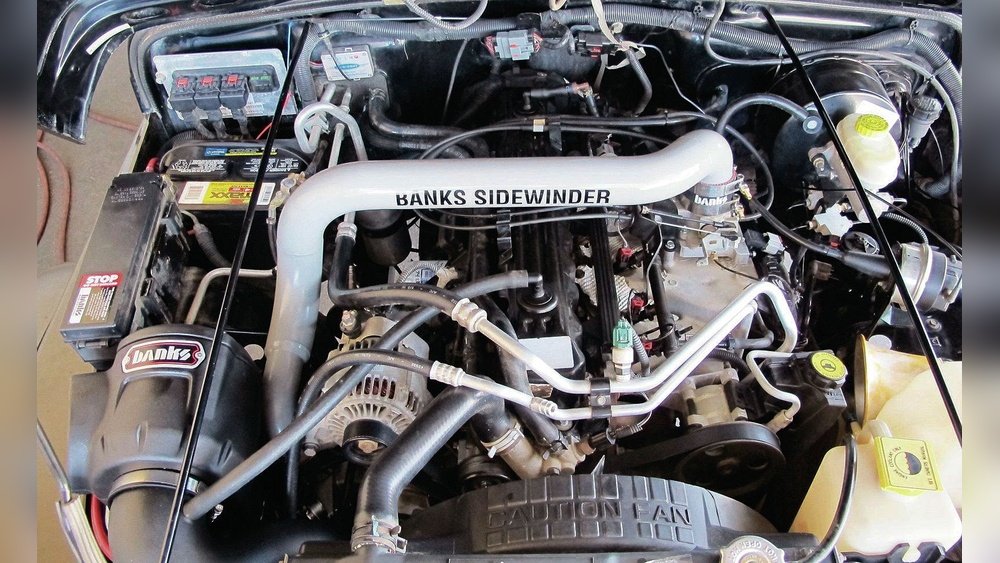
Research reputable brands known for quality components and good customer support. Brands like Banks Power, Edelbrock, and Procomp are often mentioned in the Jeep community.
Turbocharger Sizing And Boost Levels
A smaller turbocharger will spool faster, providing quicker response but potentially limiting top-end power. A larger turbo will make more power but may introduce more turbo lag. For most Jeep Inline 6 applications, a moderate-sized turbo is ideal.
Complete Kits Vs. Custom Builds
Complete kits offer a matched set of components, simplifying the process. A custom build allows for more flexibility but requires significant knowledge and effort to source compatible parts.
Installation Process And Considerations
Installing a turbo kit is a complex job that often requires specialized tools and mechanical expertise.
Diy Installation Vs. Professional Installation
If you have extensive mechanical experience, you might tackle a DIY installation. However, many owners opt for professional installation to ensure it’s done correctly and to avoid potential damage.
Required Tools And Equipment
You’ll need standard mechanic’s tools, plus potentially specialized tools for fabrication, exhaust work, and electrical wiring if the kit involves sensors or tuning.
Engine Preparation And Health Check
Before installing a turbo, ensure your engine is in good health. Check compression, leaks, and overall condition. A worn engine won’t handle the added stress of boost well.
Fueling And Tuning Requirements
As mentioned, fuel system upgrades are almost always necessary. Engine tuning (remapping the ECU) is critical to optimize air-fuel ratios, ignition timing, and prevent detonation. This is often the most crucial step.
Exhaust System Modifications
You’ll need to adapt your exhaust system to connect to the new downpipe. This might involve cutting, welding, or purchasing new components.
Cooling System Upgrades
Turbocharging generates more heat. Consider upgrading your radiator, cooling fan, or adding an auxiliary oil cooler to manage increased temperatures.
Turbo Lag Management
While some lag is inherent, proper turbo sizing, wastegate control, and tuning can minimize it. Some kits offer features like anti-lag systems, though these are more common in racing applications.
Supporting Modifications For Turbocharged Jeeps
To ensure reliability and maximize performance, several supporting modifications are often recommended.
Upgraded Engine Internals
For higher boost levels or aggressive use, consider upgrading pistons, connecting rods, and bearings to handle the increased cylinder pressures and temperatures.
Stronger Clutch (manual Transmission)
If you have a manual transmission, the increased torque will likely overwhelm the stock clutch. An upgraded performance clutch is essential.
Transmission Cooler (automatic Transmission)
Automatic transmissions can also suffer from the increased power and heat. An auxiliary transmission cooler is highly recommended to prevent overheating and premature wear.
Enhanced Ignition System
A robust ignition system with good spark plug wires and high-quality spark plugs is important for consistent combustion under boost.
Upgraded Fuel Pump And Injectors
These are often included in kits but are critical. Ensure they can supply enough fuel volume and pressure for your target boost level.
Performance Exhaust System
While the downpipe is part of the kit, a performance exhaust system from the downpipe back can further improve exhaust flow and reduce backpressure.
Differential And Drivetrain Upgrades
With significantly more power, consider strengthening your differentials, axles, and driveshafts to match the engine’s new capabilities, especially for off-road use.
Suspension And Tire Upgrades
More power means you’ll want better control. Upgraded suspension components and performance tires will help put the power down effectively and safely.
Specific Turbo Kit Options For Jeep Inline 6 Engines
While there are many general turbo kits, some are tailored for Jeep Inline 6 engines.
Turbocharger Kits For Jeep 4.0l Ho Engine
The 4.0L HO engine is very popular for turbo upgrades. Kits for this engine often focus on bolt-on installation and reliable performance for daily driving and moderate off-roading.
Turbocharger Kits For Jeep 4.2l (258ci) Engine
The older 4.2L engine is known for its robustness. Turbo kits for this engine might require more custom fabrication but can yield impressive results, especially for torque.
Universal Turbocharger Kits
These kits offer the turbocharger and basic components but require significant customization for fitment on a Jeep Inline 6. They are best suited for experienced fabricators.
Diy Turbocharger Builds
This involves sourcing individual components, a turbo, manifold, intercooler, piping, fuel system upgrades, and tuning, to create a custom setup. This is the most flexible but also the most challenging option.
Specific Brand Offerings (examples)
- Banks Power: Known for well-engineered, integrated kits, often with a focus on drivability and reliability.
- Edelbrock: Offers various supercharger and turbocharger systems, often designed for specific engine applications.
- Jeep-Specific Aftermarket Companies: Many smaller companies specialize in Jeep performance parts and may offer tailored turbo solutions.
Frequently Asked Questions About Inline 6 Jeep Turbo Kits
Here are answers to common questions about adding a turbocharger to your Jeep Inline 6.
What Is The Typical Horsepower Gain From A Turbo Kit On A Jeep Inline 6?
Horsepower gains can vary significantly based on the kit’s size, boost pressure, tuning, and supporting modifications. A mild kit might add 30-50 horsepower, while more aggressive setups with supporting mods could add 100 horsepower or more. For example, a common upgrade for the 4.0L Jeep engine using a turbocharger kit from a reputable manufacturer like Banks Power typically targets a gain of around 50-75 horsepower and a substantial increase in torque.
Will A Turbocharger Affect My Jeep’s Fuel Economy?
Under normal driving conditions where you’re not constantly using boost, you might see a slight improvement in fuel economy due to the engine’s increased efficiency. However, when you demand power and engage the turbo, fuel consumption will increase significantly.
How Much Boost Pressure Is Safe For A Stock Jeep Inline 6 Engine?
For a stock 4.0L Jeep engine, it’s generally recommended to keep boost pressure relatively low, typically between 5-8 PSI. Exceeding this without internal engine upgrades can risk engine damage. The older 4.2L engine might be slightly more robust but still benefits from conservative boost levels.
Do I Need To Upgrade My Engine Internals When Adding A Turbo?
It depends on your boost targets and intended use. For mild boost (5-8 PSI) and normal driving or light off-roading, stock internals on a healthy engine can often suffice. For higher boost pressures or aggressive off-roading, upgrading pistons, rods, and bearings is highly recommended for reliability.
What Is “turbo Lag,” And How Can I Minimize It?
Turbo lag is the delay between pressing the accelerator and the turbocharger delivering a significant boost of power. It occurs because the exhaust gases need time to spin the turbine up to speed. You can minimize it by:
- Choosing a smaller turbocharger that spools faster.
- Using a wastegate that is properly controlled to maintain boost.
- Ensuring efficient exhaust flow to the turbo.
- Employing tuning strategies that help the turbo spool quicker.
A well-matched turbocharger and careful tuning are key to a responsive turbocharged Jeep.
Adding a turbocharger to your Jeep Inline 6 engine is a significant undertaking that promises thrilling performance enhancements. From understanding the fundamental principles of forced induction to meticulously selecting components and ensuring proper installation and tuning, each step is vital. Whether you’re aiming for more capability on challenging trails or a more exhilarating daily drive, a well-executed turbo kit can redefine your Jeep experience. Always prioritize engine health, choose reputable parts, and consider professional help for critical aspects like tuning to ensure a reliable and enjoyable upgrade.