If you own a 2018 Jeep Grand Cherokee and recently noticed the P0456 code popping up, you’re probably wondering what’s going on and how to fix it quickly.
This code signals a very small leak in your vehicle’s EVAP system, which might seem minor but can affect your Jeep’s performance and emissions.
You don’t have to be an expert mechanic to understand what’s causing this or how to tackle it.
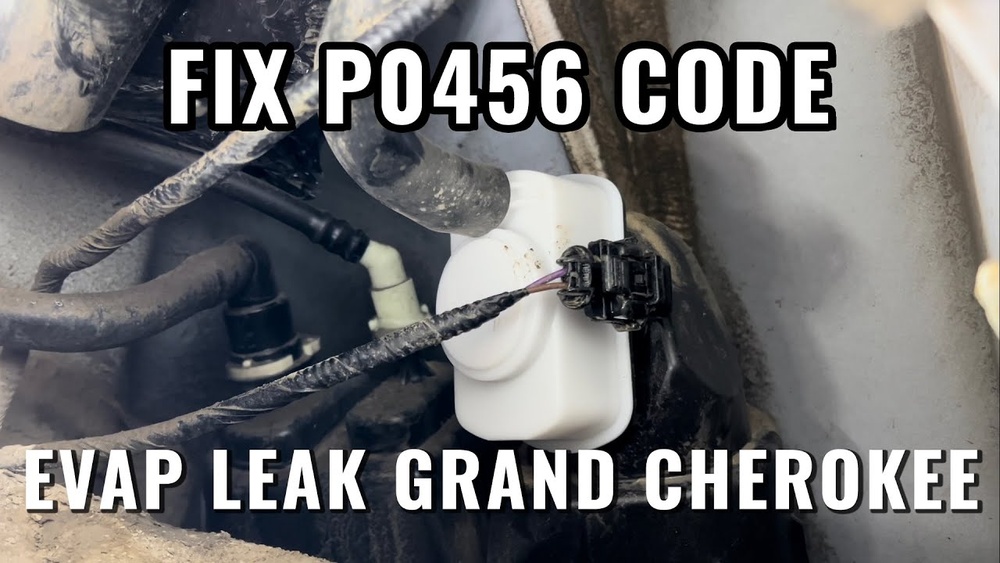
You’ll discover the most common reasons behind the P0456 code, where to look for leaks, and simple steps to diagnose and fix the issue yourself or with a trusted mechanic.
Keep reading to protect your Jeep and get back on the road with confidence.
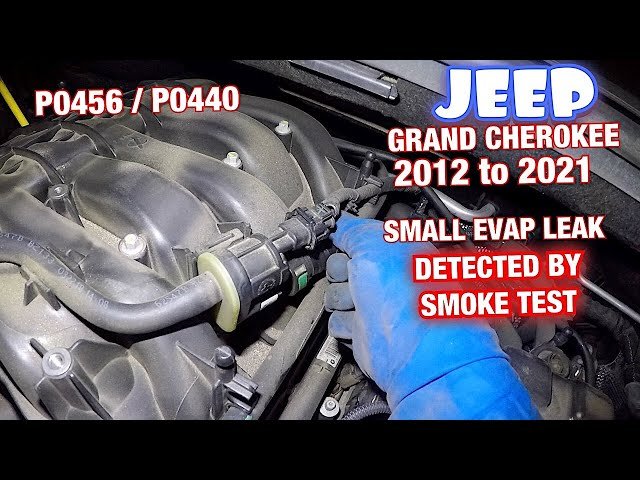
P0456 Code Basics
The 2018 Jeep Grand Cherokee P0456 code points to a small leak in the EVAP system. Finding the leak source helps fix the problem quickly. Several parts commonly cause these leaks.
Knowing the usual suspects can save time and money. Below are the main leak sources for this code.
Fuel Filler Neck And Flapper
The fuel filler neck often causes EVAP leaks. Dirt or dried fuel can block the flapper door.
This door seals the fuel tank from outside air. If the flapper is damaged or stuck, the system loses pressure.
A quick wipe or replacement may stop the leak.
Esim Sensor Issues
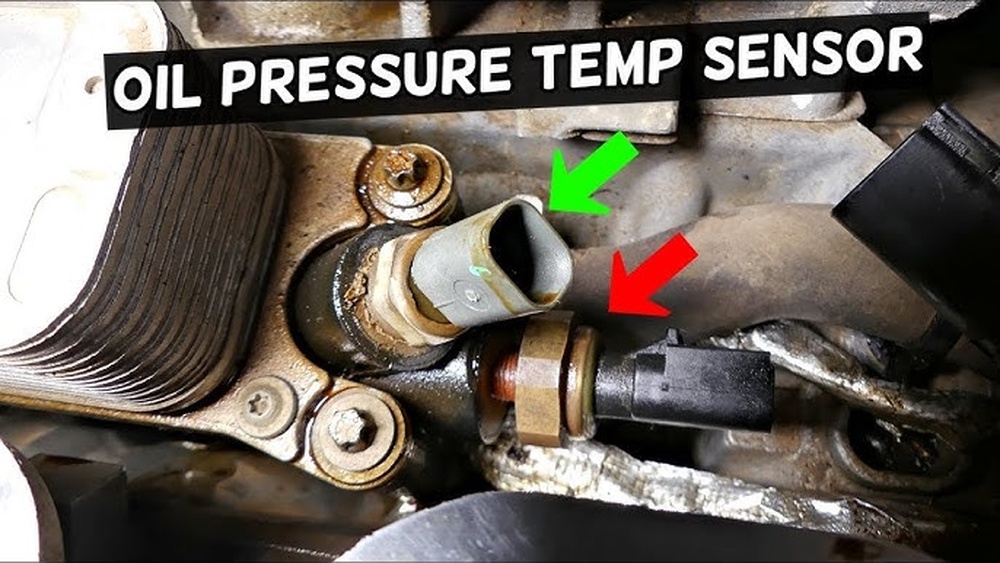
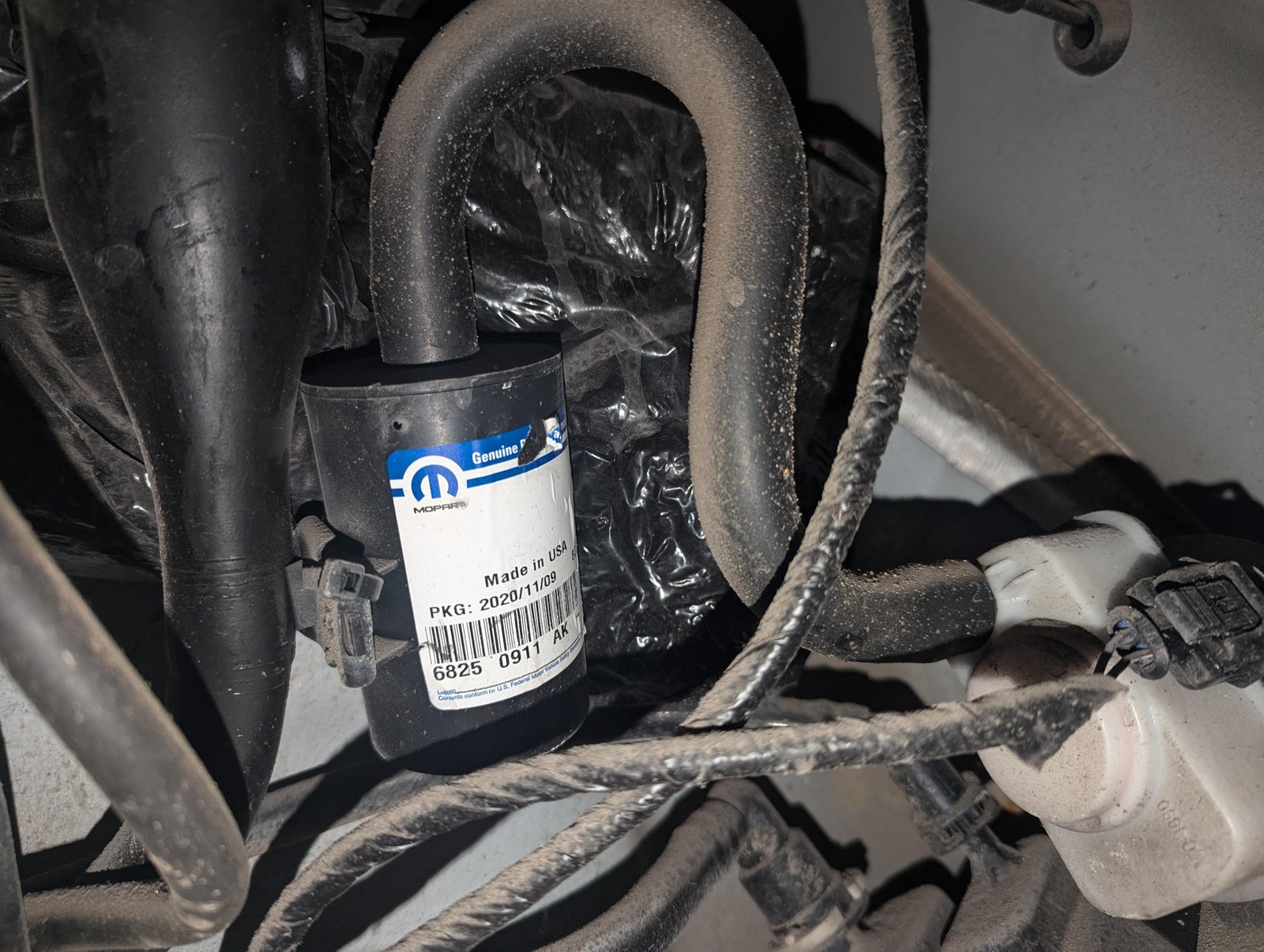
The ESIM sensor monitors the EVAP system’s integrity. It sits near the charcoal canister, usually under the rear passenger wheel well.
This sensor can fail and trigger the P0456 code. Faulty wiring or sensor damage often causes false leak warnings.
Checking and replacing the ESIM sensor may clear the code.
Purge Solenoid Valve Problems
The purge solenoid valve controls fuel vapor flow. It is in the engine bay and connects to hoses.
These hoses can crack or loosen over time. The valve itself might stick open or develop cracks.
Any of these faults cause leaks in the EVAP system. Inspecting and replacing the valve or hoses often fixes the issue.
Common Leak Sources
Diagnosing the P0456 error code on a 2018 Jeep Grand Cherokee requires accurate tools. These tools help find small leaks in the vehicle’s evaporative emission control system.
Using the right diagnostic tools saves time and prevents unnecessary repairs. This section covers common diagnostic methods used by mechanics and car owners.
Using A Smoke Test
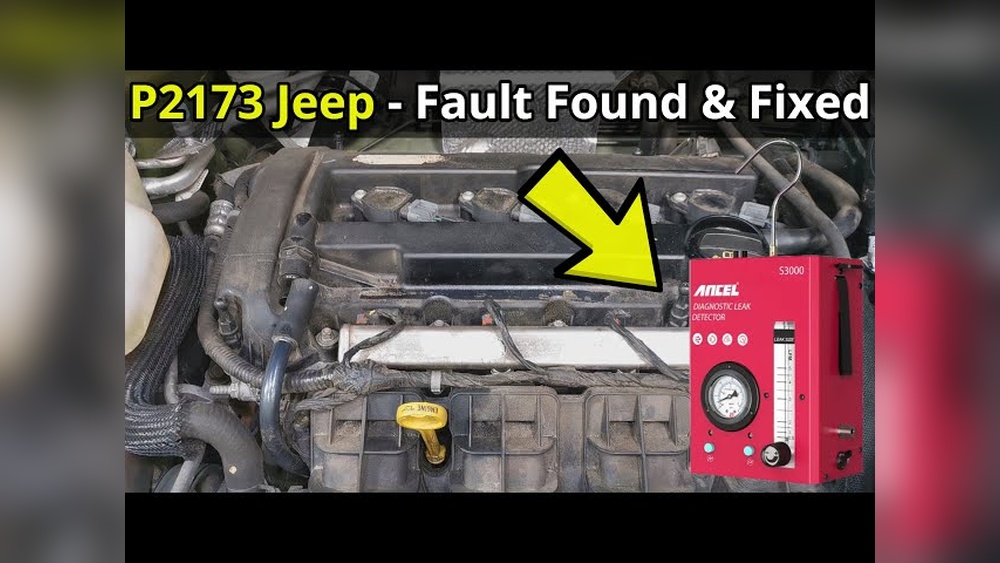
A smoke test is a popular way to detect tiny leaks. It pumps smoke into the EVAP system under low pressure.
The smoke escapes through any cracks or holes. This method helps find leaks that are too small to see with the naked eye.
Smoke tests are fast and effective for pinpointing exact leak locations.
Visual Leak Detection
Visual leak detection involves inspecting hoses and components for damage. Look for cracks, loose connections, or worn parts.
Dirt or fuel residue may also show signs of leaks. This method is simple but requires patience and a good eye.
It often works well for obvious or larger leaks.
Electronic Scan Tools
Electronic scan tools connect to the vehicle’s onboard computer. They read error codes and live data from sensors.
These tools help confirm the P0456 code and monitor system performance. Some advanced scanners can run EVAP system tests automatically.
Scan tools provide valuable information for accurate diagnosis.
Quick Inspection Tips
Simple fixes often solve the P0456 code on the 2018 Jeep Grand Cherokee. This code means there is a small leak in the EVAP system.
Some issues are easy to find and fix. These repairs require basic tools and little time. Try these steps before visiting a mechanic.
Cleaning The Fuel Inlet
Start by cleaning the fuel inlet. Dirt or debris can block the sealing flap inside the fuel filler neck.
Use a clean rag to wipe the inside carefully. This helps the flap close tightly and stops leaks.
Check for any sticky residue or dried fuel. Cleaning this area often clears the error code.
Replacing A Faulty Gas Cap
A loose or damaged gas cap can cause the P0456 code. Remove the cap and inspect it for cracks or worn seals.
Replace it with a new cap if it looks damaged. Make sure to tighten the new cap until it clicks.
This simple step can fix the leak and turn off the check engine light quickly.
Repairing Or Replacing Hoses
Inspect the EVAP hoses under the hood for cracks or disconnections. Pay close attention to the purge valve and its connections.
Small cracks or loose hoses cause leaks in the system. Replace any damaged hoses or reconnect loose ones.
This repair often stops the small leak and clears the code.

Diagnostic Tools
Saving money on fixing the P0456 code in your 2018 Jeep Grand Cherokee is possible. Small leaks in the EVAP system often cause this error.
Proper steps can reduce repair costs without sacrificing quality.
Understanding the problem and taking action early helps avoid expensive repairs. Some repairs you can do yourself.
Others need parts that don’t have to cost a fortune. Avoiding common mistakes saves both time and money.
Diy Repair Advice
Start by inspecting the gas cap. A loose or damaged cap often triggers the P0456 code.
Tighten it firmly or replace it if worn out. Cleaning the fuel filler neck with a rag can help the seal close properly.
Check hoses around the purge solenoid valve for cracks or disconnections. These small leaks cause the code.
Use a flashlight to see hidden areas in the engine bay. Replace any damaged hoses you find.
Parts To Source Cheaply
Look for used or aftermarket gas caps and hoses. These parts are often much cheaper than new ones from the dealer.
Online marketplaces and local junkyards offer good deals on quality parts.
Buy from sellers with good reviews to avoid low-quality items. Keep receipts for parts in case you need to return them.
Avoid very cheap parts that may fail quickly.
Avoiding Common Pitfalls
Do not ignore the P0456 code. Small leaks can grow worse over time.
Avoid skipping inspections of the fuel filler neck and purge valve area.
Do not overtighten the gas cap. It can damage the seal.
Avoid using incompatible parts just because they are cheaper. Incorrect parts can cause more problems and costs later.
Conclusion
The 2018 Jeep Grand Cherokee P0456 code signals a small EVAP leak. Checking the fuel filler neck and purge valve hoses often solves the problem.
Cleaning and inspecting these parts can restore proper sealing. A smoke test helps find hidden leaks if visual checks fail.
Addressing this code keeps your Jeep running smoothly and reduces emissions. Stay attentive to warning lights to avoid bigger issues later.
Simple steps can save time and money on repairs.