A cylinder misfire in your 2017 Jeep Grand Cherokee can quickly turn a smooth drive into a stressful situation. If your mechanic or a code reader tells you “Cylinder 2 Misfire,” you might feel lost and worried.
But what does it actually mean, and how can you fix it?
Let’s break down the problem, understand what’s at stake, and see how you can get your Grand Cherokee running right again.
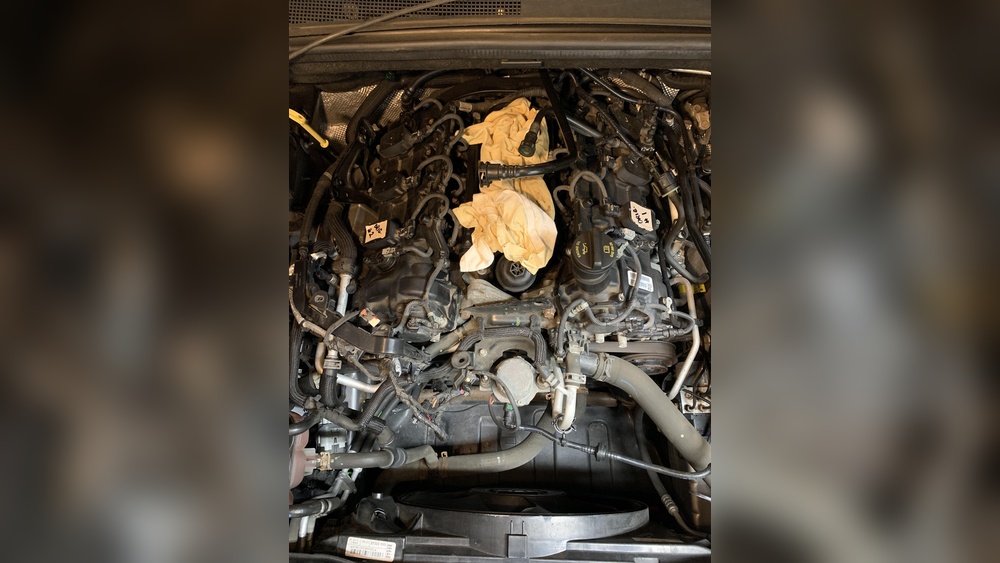
What Is A Cylinder 2 Misfire?
In your Grand Cherokee’s V6 or V8 engine, each cylinder fires in a set order. A misfire means cylinder 2 isn’t working as it should. The engine computer (ECU) detects this and usually triggers a check engine light with code P0302. This code means “Misfire Detected in Cylinder 2.”
A misfire can lead to:
- Poor acceleration
- Rough idle
- Reduced fuel economy
- Possible engine damage if ignored
Common Symptoms Of Cylinder 2 Misfire
Watch for these signs:
- Check engine light (usually flashing)
- Engine shakes or vibrates at idle
- Loss of power during acceleration
- Unusual fuel smell from exhaust
- Increased emissions
If you notice these, it’s important to act quickly. Continued driving with a misfire can damage the catalytic converter or other engine parts.
What Causes Cylinder 2 Misfires?
A misfire can happen for several reasons. Here are the most common:
- Ignition coil failure: The coil sends spark to cylinder 2. If it fails, no combustion happens.
- Spark plug issues: Worn, fouled, or damaged spark plugs cause weak or no spark.
- Fuel injector problems: The injector might be clogged or not delivering enough fuel.
- Vacuum leaks: Air leaks disrupt the air-fuel balance.
- Compression loss: Engine wear, leaking valves, or a blown head gasket reduce compression.
- Wiring issues: Broken or corroded wires can interrupt signals to the coil or injector.
Diagnosing The Problem
To fix a misfire, you need to find the cause. Mechanics use these steps:
- Scan for codes: Use an OBD-II scanner to confirm P0302.
- Swap parts: Move the coil or plug from cylinder 2 to another cylinder. If the misfire moves, the part is bad.
- Check compression: Low compression points to internal engine problems.
- Inspect injectors: Listen for clicking sounds or measure resistance.
- Test wiring: Look for broken, loose, or corroded connections.
Example Diagnostic Table
Below is a comparison of possible causes and quick checks:
| Possible Cause | Quick Check | Repair Difficulty |
|---|---|---|
| Ignition Coil | Swap coil between cylinders | Easy |
| Spark Plug | Inspect and test resistance | Easy |
| Fuel Injector | Listen for clicking sound | Medium |
| Compression | Compression test tool | Hard |
How To Fix A Cylinder 2 Misfire
Fixing the misfire depends on the cause. Here’s how to tackle each issue:
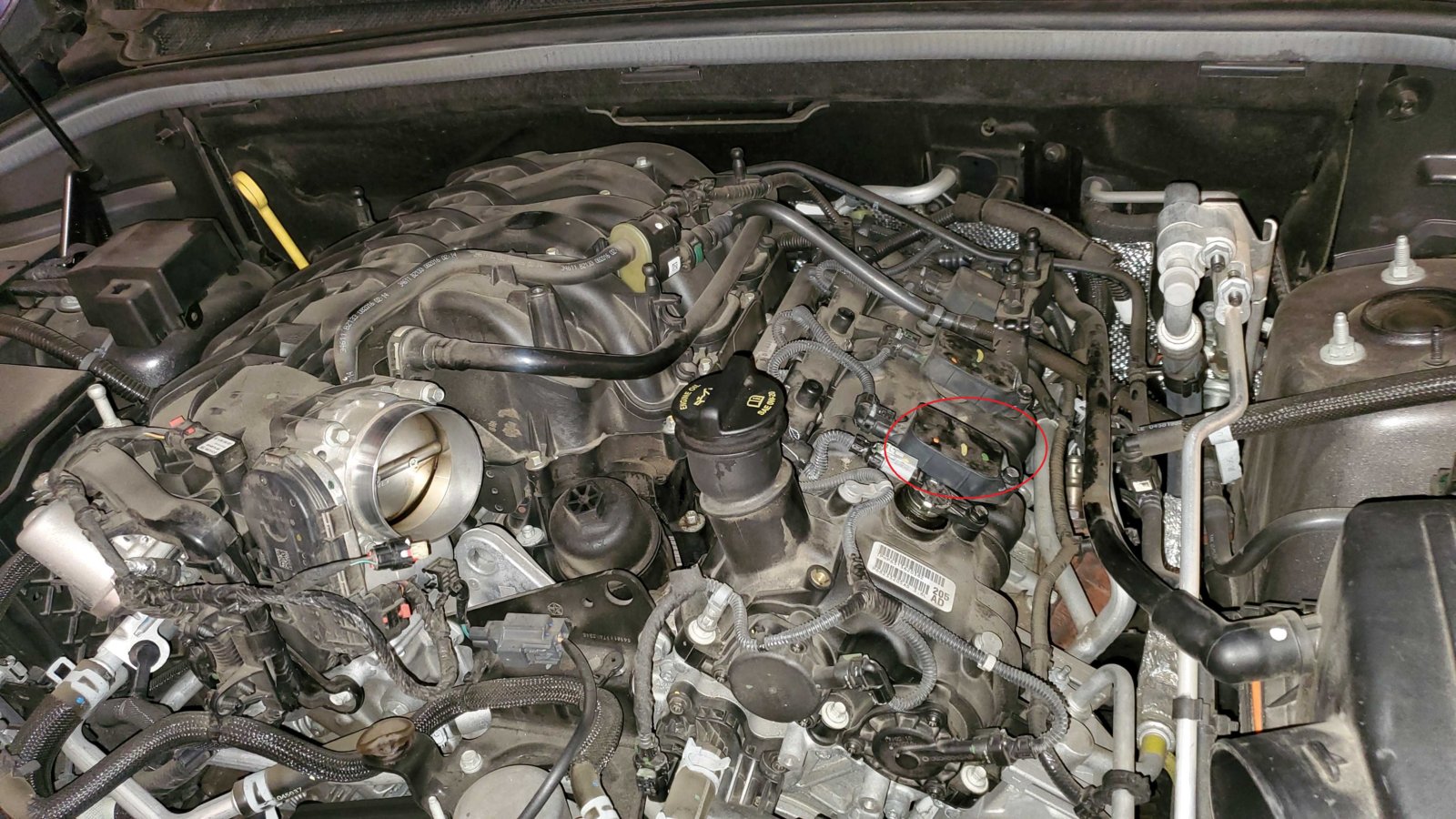
- Replace the ignition coil: If faulty, use a new coil for cylinder 2.
- Change the spark plug: Use OEM-recommended plugs and gap them correctly.
- Clean or replace the fuel injector: Special tools or a mechanic may be needed.
- Repair vacuum leaks: Check hoses and intake gaskets for cracks or loose connections.
- Fix wiring issues: Repair or replace damaged wires or connectors.
- Address low compression: This often means a bigger repair, like rebuilding the head or engine.
Repair Cost Table
Average repair costs for a 2017 Jeep Grand Cherokee:
| Repair | Estimated Cost (USD) |
|---|---|
| Ignition Coil | $70–$200 |
| Spark Plug | $20–$100 |
| Fuel Injector | $150–$350 |
| Vacuum Leak Repair | $100–$250 |
| Head Gasket/Valve Repair | $1000+ |
Preventing Future Misfires
Prevention is much cheaper than repair. Here’s how to reduce the risk:
- Follow the maintenance schedule: Replace spark plugs, coils, and filters on time.
- Use high-quality fuel: Bad gas can cause knocking and misfires.
- Check engine oil regularly: Low oil can damage internal parts.
- Fix warning lights early: Don’t wait if the check engine light comes on.
Non-obvious Insights For Owners
Many owners miss these points:
- Heat cycles matter: Short trips and frequent cold starts stress ignition parts more than highway driving.
- Aftermarket parts can cause issues: Cheap coils or plugs often fail faster. Always use OEM or high-quality brands.
When To See A Mechanic
If you replace the coil or plug and the misfire stays, or if you hear ticking noises or see smoke, get help fast. Some repairs require special tools and experience, especially if there’s a compression problem.
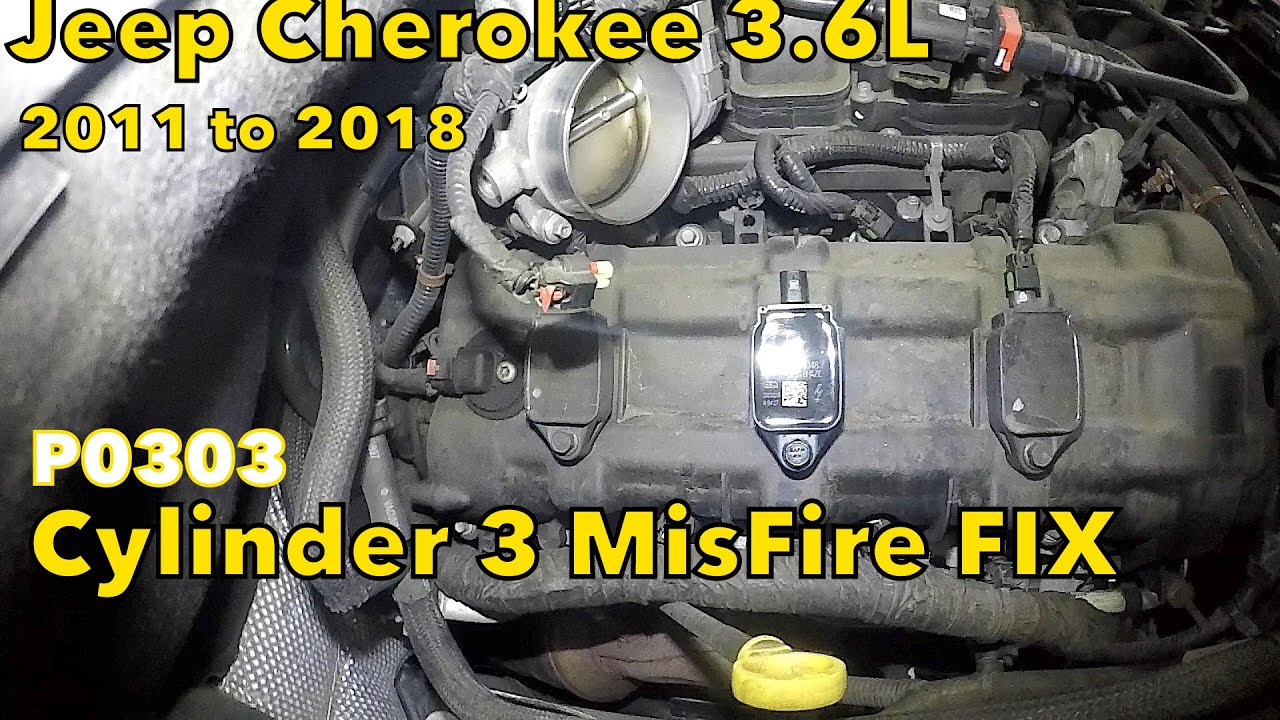
How A Misfire Affects Your Jeep
A persistent misfire can:
- Damage the catalytic converter from unburned fuel
- Cause engine overheating
- Lower resale value
- Lead to roadside breakdowns
Acting quickly keeps repair costs lower and your Jeep reliable.
Frequently Asked Questions
What Does Code P0302 Mean For My Jeep Grand Cherokee?
P0302 means your engine’s computer has detected a misfire in cylinder 2. It usually triggers a check engine light and should be checked right away.
Can I Drive With A Cylinder 2 Misfire?
Driving with a misfire can harm your engine and catalytic converter. It’s best to fix the problem as soon as possible. Short distances are usually safe, but avoid long trips.
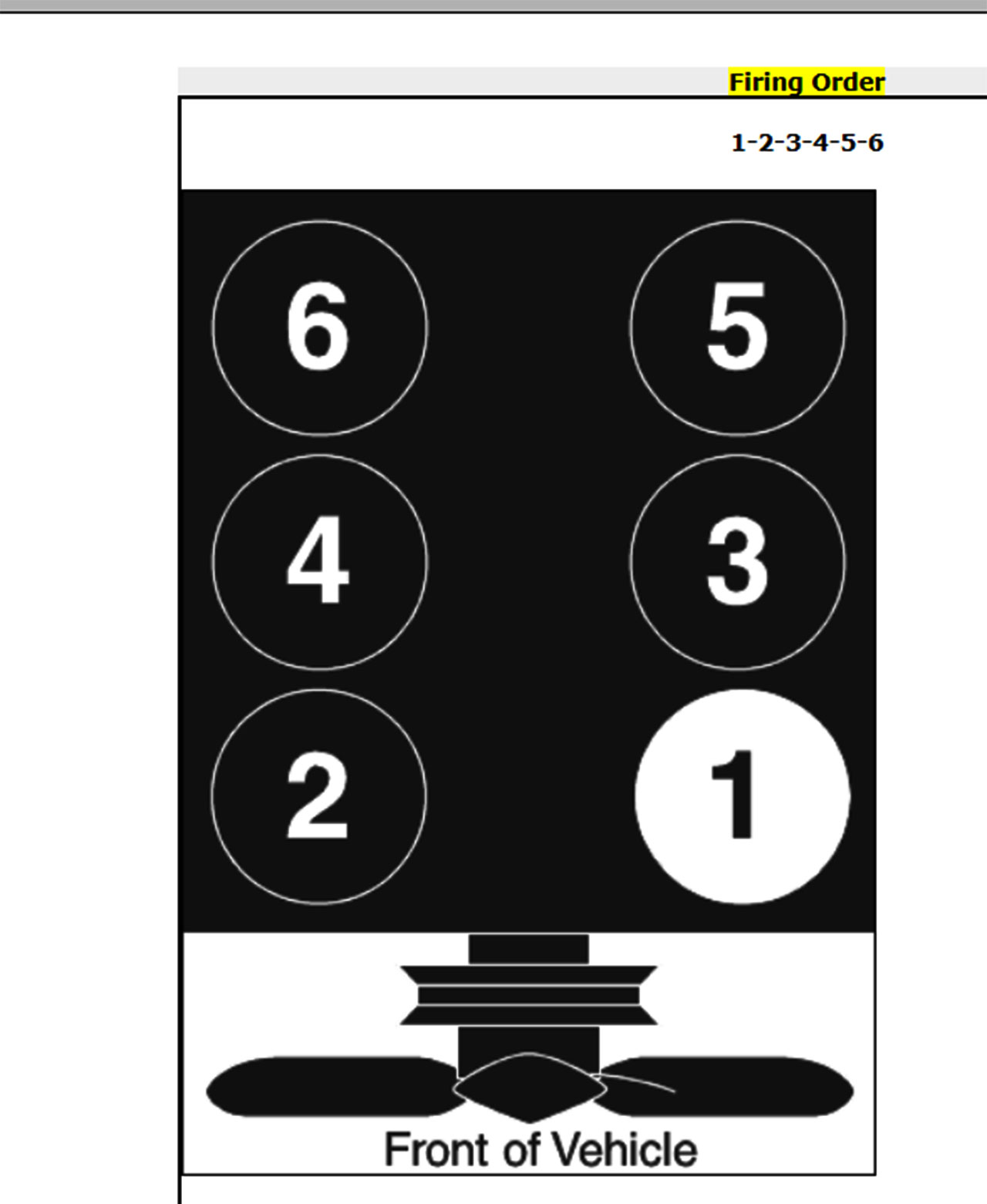
How Do I Know Which Cylinder Is Number 2?
Cylinder numbering depends on your engine type. For most 2017 Grand Cherokees, cylinder 2 is the second one from the front on the driver’s side for the V6, but always check your owner’s manual.
Can A Bad Fuel Injector Cause A Cylinder 2 Misfire?
Yes, a clogged or faulty fuel injector is a common cause of misfires. It prevents enough fuel from reaching the cylinder, leading to poor combustion.
How Often Should I Replace Spark Plugs And Coils?
For the 2017 Grand Cherokee, spark plugs should be replaced every 30,000–60,000 miles. Coils usually last longer but may need earlier replacement if a misfire occurs.
For more technical details on engine misfires, you can visit the Wikipedia engine misfire page.
A cylinder 2 misfire in your 2017 Jeep Grand Cherokee is a problem you shouldn’t ignore. With a bit of know-how, you can spot the symptoms, understand the causes, and often fix or prevent the issue before it gets serious.
Regular maintenance is your best defense. If you’re unsure, a trusted mechanic can help you get your Jeep back to its best.