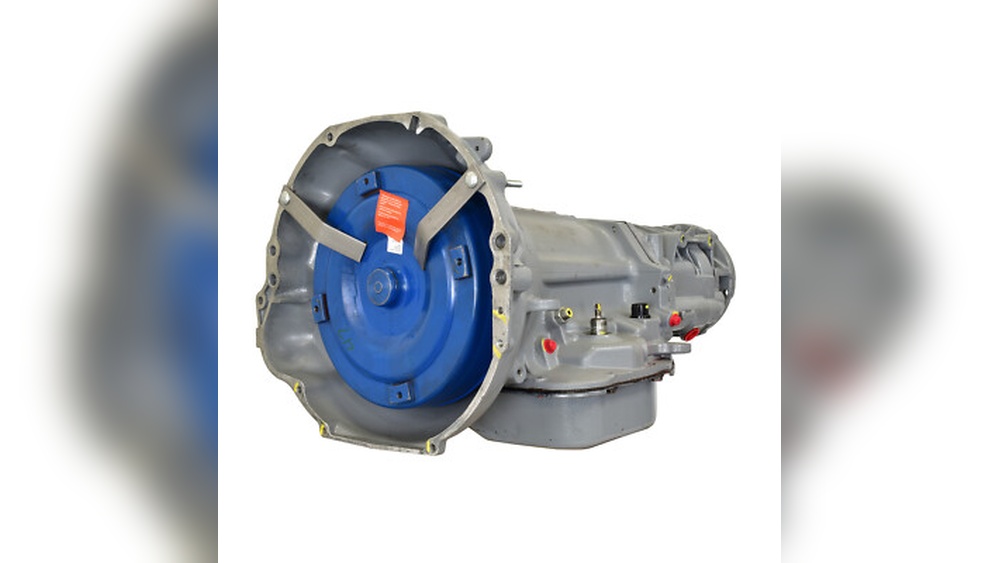
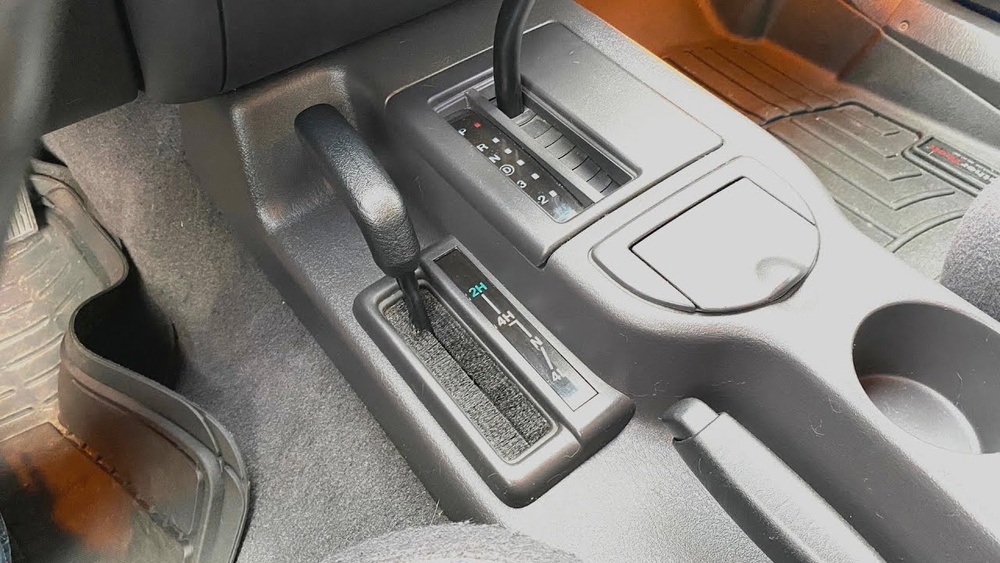
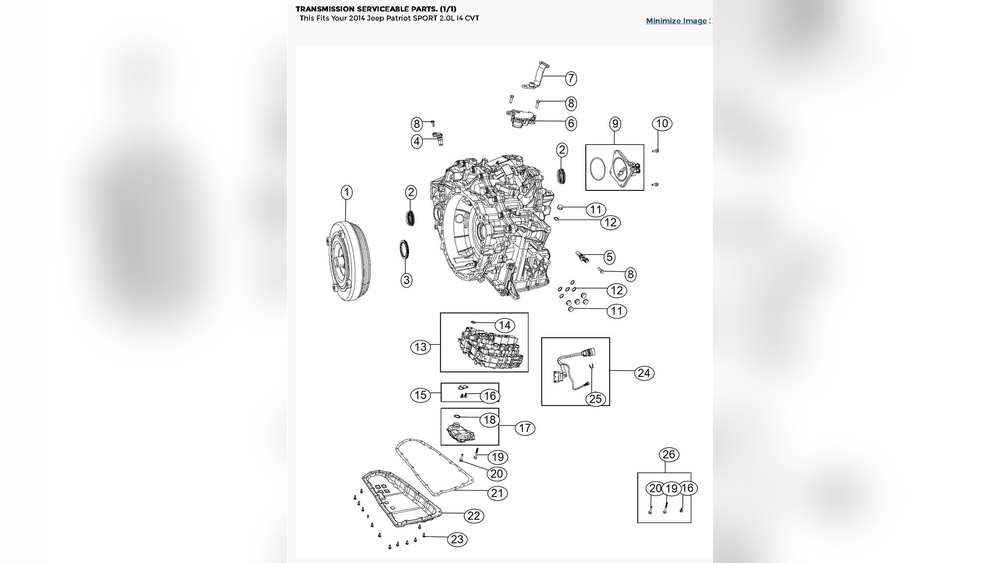
The 2014 Jeep Patriot is a compact SUV that attracted many drivers for its affordability and rugged style. One detail that stands out for many owners is the CVT transmission. CVT stands for Continuously Variable Transmission, a system designed to provide smooth acceleration and better fuel economy. But how does this transmission perform in real life? Let’s look deeper at what you need to know about the 2014 Jeep Patriot CVT transmission, its features, issues, and what to expect if you own or consider buying one.
What Is A Cvt Transmission?
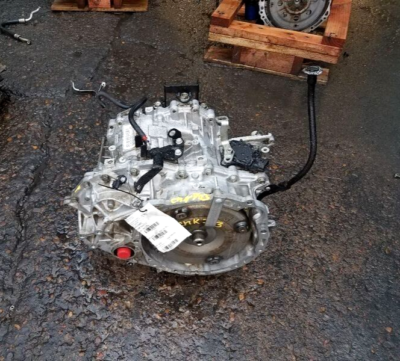
A CVT transmission is not like the traditional automatic. Instead of gears, it uses a belt and pulley system to change the car’s speed smoothly. In the 2014 Jeep Patriot, the CVT is paired with the 2.0L or 2.4L four-cylinder engines. The main goal is to keep the engine running at its most efficient RPM, which should help save fuel and offer a smoother drive.
This type of transmission is found in many modern cars, especially smaller SUVs and sedans. The Patriot’s CVT was designed by Jatco, a supplier known for its CVTs in several brands.
However, not all drivers enjoy the unique driving feel, sometimes described as a “rubber band” effect, where the engine noise doesn’t always match the speed.
Key Features Of The 2014 Jeep Patriot Cvt
If you’re considering this vehicle, it’s important to know what the CVT offers:
- Smooth acceleration: The CVT shifts seamlessly, with no gear changes.
- Improved fuel economy: The 2014 Jeep Patriot with CVT gets up to 23 mpg city and 28 mpg highway.
- Optional 4WD Lock: Some CVT-equipped models come with a lock feature for better traction in tough conditions.
- Manual mode: Simulates gear changes if you want more control.
Comparison With Traditional Automatic
Here’s how the 2014 Jeep Patriot CVT compares to the 6-speed automatic:
| Feature | CVT | 6-speed Automatic |
|---|---|---|
| Fuel Economy (Combined) | 25 mpg | 23 mpg |
| Acceleration Feel | Smoother, less sporty | More traditional, with shift points |
| Maintenance Needs | Special CVT fluid | Standard ATF |
Common Issues With The 2014 Jeep Patriot Cvt
No car is perfect, and the Patriot’s CVT has its own set of problems. Owners and mechanics report:
- Whining noises: A high-pitched sound can mean the CVT is wearing out.
- Slipping or shuddering: Some drivers feel jerking, especially when accelerating.
- Overheating: The CVT can get hot on long drives or in hilly areas, causing a warning light.
- Failure at higher mileage: Many CVT issues appear after 70,000–100,000 miles.
These issues are not unique to Jeep—many brands using early CVT designs had similar problems. The cost to replace or rebuild a CVT is usually higher than a regular automatic. For the Patriot, repairs can run $3,500 to $5,000 depending on location and labor.
Reliability Data
Here’s a look at some reliability scores from major sources:
| Source | Reliability Rating (1-5) | CVT Issues Reported |
|---|---|---|
| J.D. Power | 2.5 | Moderate |
| RepairPal | 3.0 | Above average |
| Consumer Reports | 2.0 | High |
Maintenance And Care Tips
To keep your Jeep Patriot CVT running longer, follow these tips:
- Change CVT fluid regularly: Jeep recommends every 60,000 miles. Always use the correct CVT fluid, not regular ATF.
- Watch for warning lights: If the transmission temp light comes on, stop and let it cool.
- Don’t tow heavy loads: The CVT isn’t built for towing. Overloading can cause overheating.
- Listen for noises: Early detection of whining or grinding can save you money.
Many owners miss the importance of fluid changes. Skipping this step is a leading cause of CVT failure.
Should You Buy A 2014 Jeep Patriot With Cvt?
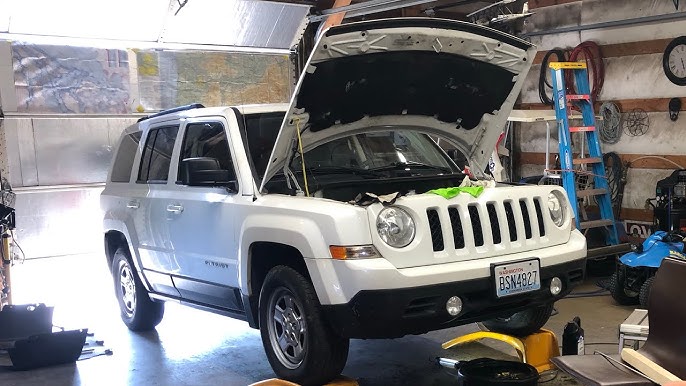
If you need a budget SUV for city driving and light trips, the Patriot can make sense. However, if you plan to keep the car for many years or drive in tough conditions, think carefully.
The CVT offers good fuel economy and a smooth ride, but repair costs can be high if it fails.
Real Owner Experience
Many owners report mixed feelings. Some enjoy the ride and low cost, while others sell their Patriot early due to CVT worries. A practical tip: if you buy used, get a pre-purchase inspection and ask for maintenance records, especially for the transmission.
How The 2014 Patriot Cvt Stands Against Competitors
The compact SUV market is crowded. Let’s see how the Patriot compares to rivals in terms of transmission:
| Model | Transmission Type | Reliability (1-5) | Average Repair Cost |
|---|---|---|---|
| Jeep Patriot | CVT | 2.5 | $4,000 |
| Nissan Rogue | CVT | 2.0 | $4,100 |
| Honda CR-V | 5-speed Auto | 4.0 | $2,800 |
| Ford Escape | 6-speed Auto | 3.5 | $2,900 |
Notice that CVTs in both Jeep and Nissan have lower reliability scores and higher repair costs than models with regular automatics.
Final Thoughts
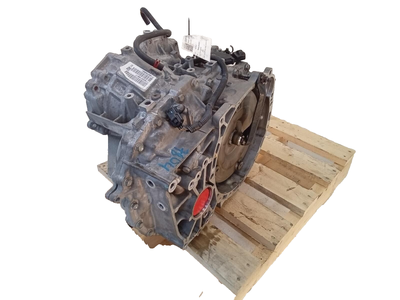
The 2014 Jeep Patriot CVT transmission offers some benefits, like better fuel efficiency and a smoother drive, but it comes with trade-offs. If you value low purchase price and simple features, it might suit you. However, be ready for possible repair costs and always stay on top of maintenance. Understanding the unique nature of CVTs is key for long-term satisfaction.
Frequently Asked Questions
Is The 2014 Jeep Patriot Cvt Reliable?
The Patriot’s CVT is less reliable than many traditional automatics. Problems often appear after 70,000 miles, especially if maintenance is skipped.
How Often Should I Change The Cvt Fluid?
You should change the CVT fluid every 60,000 miles using only the recommended type. This helps prevent overheating and early failure.
Can I Tow With A Patriot That Has A Cvt?
It’s not recommended. The CVT is not built for towing heavy loads, which can lead to overheating and damage.
How Do I Know If My Cvt Is Failing?
Common signs include whining noises, slipping, shuddering, or a transmission temperature warning light.
Where Can I Find More Technical Details About Jeep Cvt Transmissions?
You can read more about CVT technology and its use in different vehicles on the Wikipedia CVT page.