Meta description:
Explore the 2013 4 Door Jeep Wrangler Sahara: specs, features, towing, safety, and owner tips. Learn why this JK model stands out for daily driving and off-road.
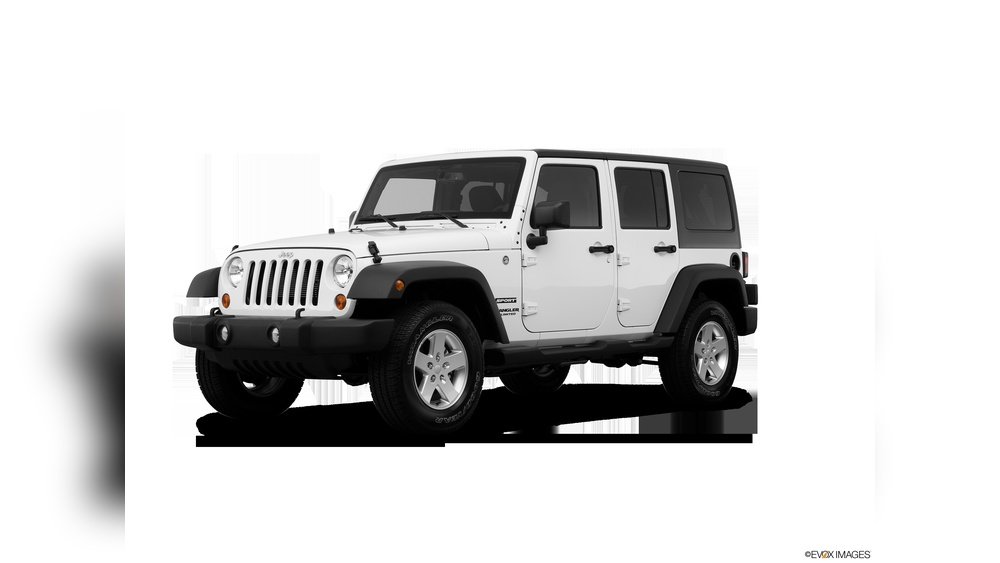
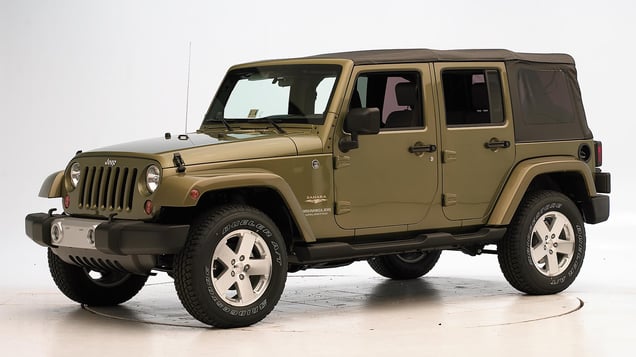
The 2013 4 Door Jeep Wrangler Sahara stands out as a favorite among Jeep fans who want ruggedness and daily comfort. This year’s Sahara trim offers a strong V6, modern features, and classic Jeep styling. Whether you’re thinking about buying one or already own it, this guide explains what makes the 2013 Sahara special, what to expect, and how it compares to other Jeep generations.
What Makes The 2013 Jeep Wrangler Sahara Unique?
The 2013 Wrangler Sahara belongs to the JK generation (2007–2018). This version is bigger and more comfortable than older Jeeps like the TJ or XJ, yet keeps the brand’s famous off-road ability.
Key highlights include:
- Four-door Unlimited body for extra passenger and cargo space
- 3.6L Pentastar V6 engine—stronger and smoother than older engines
- Modern interior with touchscreen options and power windows
- Standard hard top or soft top choices
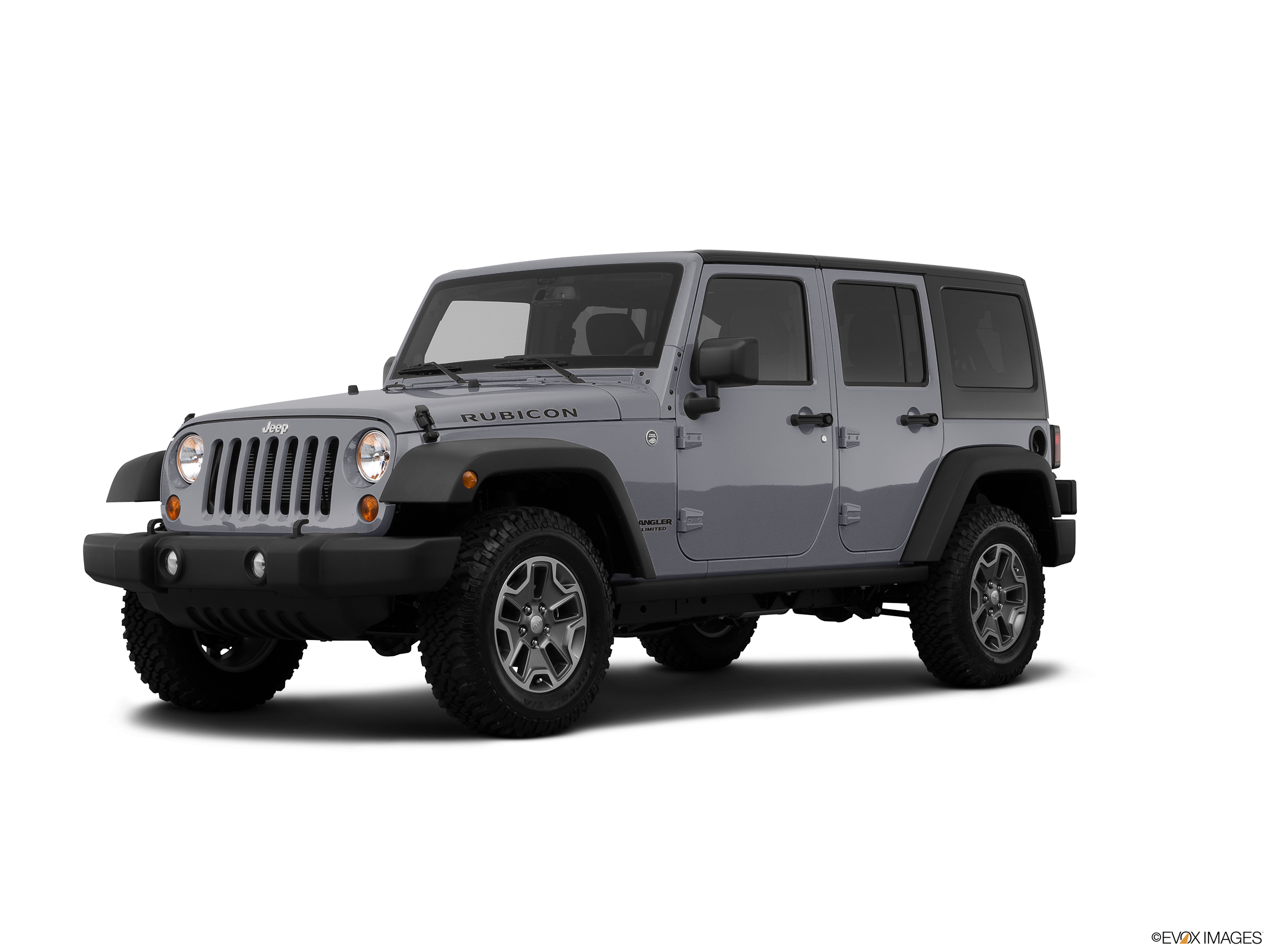
For many drivers, the Sahara trim hits the “sweet spot”: more luxury than the Sport, but more affordable than the Rubicon.
Engine, Transmission, And Performance
Engine Details
Under the hood, the 2013 Sahara features the 3.6L Pentastar V6. This engine produces 285 horsepower and 260 lb-ft of torque. It’s more reliable and efficient than the older 3.8L found in 2007–2011 JKs.
Transmission Options
You can pick from:
- 5-speed automatic transmission (most common)
- 6-speed manual transmission (for more control off-road)
Both options work well for daily driving and trails. The automatic is smooth and easy for city traffic, while the manual gives better control in tough conditions.
Fuel Economy
The EPA rates the 4-door Sahara at:
- 16 mpg city
- 20 mpg highway
This is typical for a mid-size SUV with off-road focus.
Interior And Comfort Features
The Sahara trim adds many creature comforts:
- Cloth or optional leather seats
- Heated front seats (optional)
- Alpine premium audio
- Touchscreen navigation (in some models)
- Automatic climate control
Rear passengers get more space than in the 2-door Wrangler, making the 4-door ideal for families or road trips.
Off-road Capability
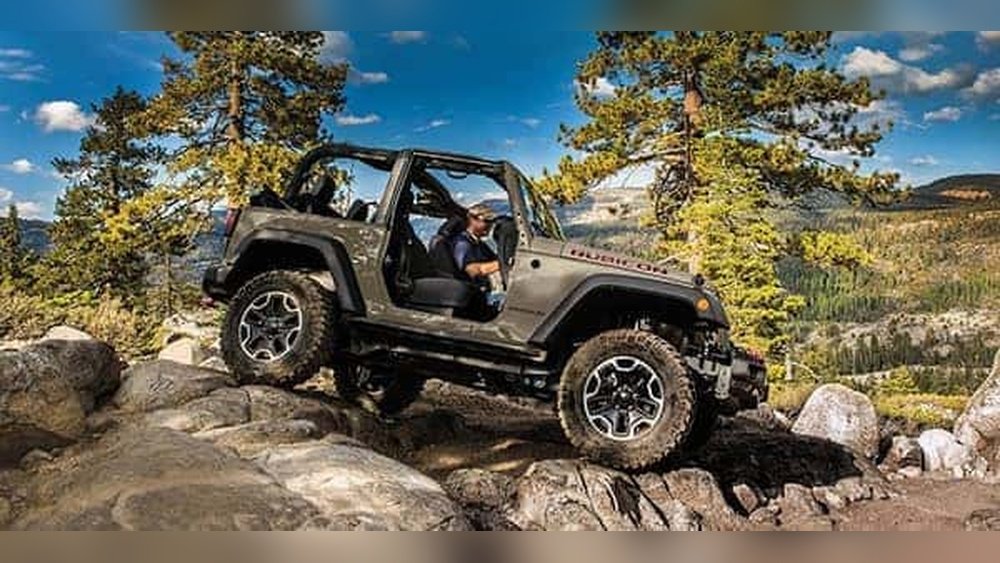
The 2013 Sahara is trail-ready, but more tuned for comfort than the Rubicon. Key features include:
- Command-Trac 4×4 system for part-time four-wheel drive
- 18-inch alloy wheels
- All-terrain tires
- Skid plates for underbody protection
The Sahara’s suspension is softer than the Rubicon, which means better ride quality but slightly less extreme crawling ability. Still, it handles mud, snow, and rocky roads with confidence.
Towing And Utility
The 4 Door Sahara can tow up to 3,500 pounds when properly equipped. That’s enough for a small camper or boat. A few tips:
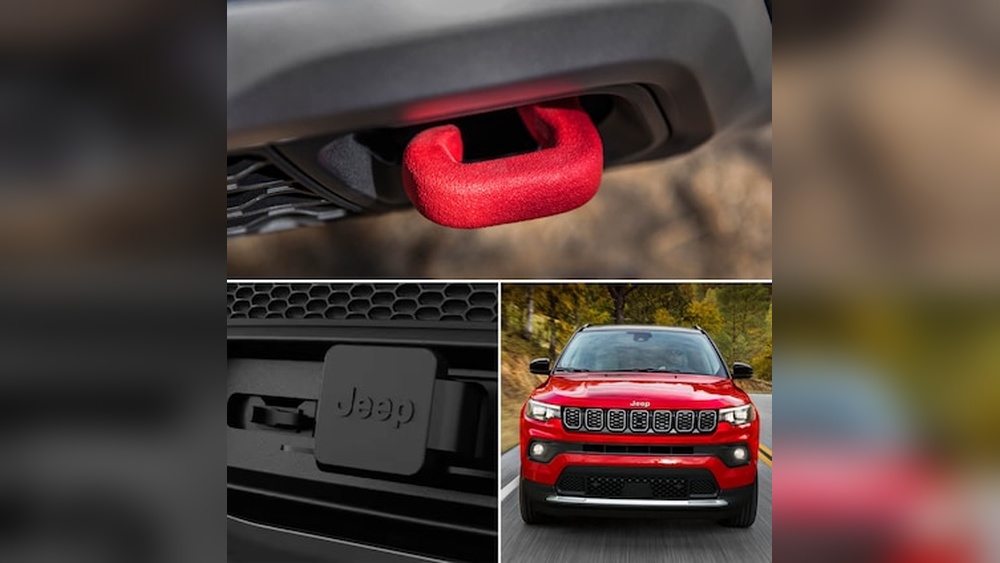
- Use the right Class II hitch
- Check trailer brakes if towing over 1,000 lbs
- Add a transmission cooler for frequent towing
Cargo space behind the rear seats is 31. 5 cubic feet, growing to 70. 6 cubic feet with the seats folded.
Here’s a quick look at the key specs:
| Spec | 2013 Sahara 4-Door |
|---|---|
| Engine | 3.6L V6 (285 hp) |
| Transmission | 5-speed auto / 6-speed manual |
| Towing Capacity | 3,500 lbs |
| MPG (city/highway) | 16 / 20 |
| Seating | 5 adults |
Safety Features
All 2013 Sahara models come with:
- Electronic Stability Control
- Traction Control
- Front and side airbags
- Hill Start Assist
One insight: the Wrangler’s safety ratings are lower than some modern SUVs, mainly because of its body-on-frame design. Drive carefully, especially in wet or icy conditions.
Common Problems And Maintenance
The 2013 Sahara is generally reliable, but watch out for:
- Water leaks from the removable roof panels. Check door seals and roof latches.
- Death wobble (steering shake at highway speed). Often caused by worn track bar bushings or unbalanced tires.
- Cylinder head issues (rare, but possible in early 2013 engines). Look for rough idle or misfires.
Regular maintenance—like changing oil every 5,000 miles, checking tire pressure, and inspecting suspension parts—keeps the Sahara running well.
If you notice strong vibration, fluid leaks, or warning lights, visit a trusted Jeep mechanic. Most common fixes cost between $300–$900.
Comparing Jeep Generations
The 2013 Sahara is a JK model. Here’s how it compares to other popular Jeep generations:
| Platform | Years | Main Features |
|---|---|---|
| TJ | 1997–2006 | Smaller, 4.0L I6, simpler interior |
| JK | 2007–2018 | Larger, 4-door option, 3.6L V6 |
| JL | 2018–present | More tech, lighter frame, turbo engines |
The JK Sahara combines classic looks with better road comfort. It’s less advanced than the JL, but easier and cheaper to upgrade or repair.

Buying Tips And Compatibility
Before buying a used 2013 Sahara:
- Check the VIN for accident history
- Inspect for rust under the doors and frame
- Test the 4WD system in all modes
- Confirm the top (hard or soft) is in good shape
- Make sure all electronics work—windows, locks, radio
The 2013 JK has wide aftermarket support. Most parts like bumpers, lights, and suspension upgrades fit all 2007–2018 JKs. Avoid parts made for JL, TJ, or XJ models—they won’t fit without major changes.
Real-world Owner Impressions
Owners praise the 2013 Sahara for its easy driving, roomy interior, and “go anywhere” feel. Many use it as a daily driver and weekend adventure vehicle. Some wish for better gas mileage or a quieter ride, but most agree the trade-off is worth it for the Jeep experience.
Frequently Asked Questions
Is The 2013 Jeep Wrangler Sahara Good For Daily Driving?
Yes, the Sahara is comfortable for daily use. The ride is smoother than older Jeeps and the interior has modern features. It’s taller than a regular SUV, so expect a higher step-in and more road noise.
What Is The Difference Between Sahara And Rubicon?
The Sahara focuses on comfort and style. The Rubicon adds heavy-duty axles, locking differentials, and a disconnecting sway bar for extreme off-road use. Sahara is better for city and light trails.
How Much Does It Cost To Maintain A 2013 Wrangler Sahara?
Average annual maintenance is around $600–$900, depending on use. Repairs like brakes or suspension parts are common but not expensive. Aftermarket parts are widely available.
Can I Fit Bigger Tires On The Stock Sahara?
Yes, you can fit up to 33-inch tires without a lift. For 35-inch or larger, you’ll need a lift kit and possibly new wheels. Always check for rubbing and recalibrate the speedometer.
Where Can I Find More Technical Details About The 2013 Wrangler?
You can find full specs and technical documents on the official Wikipedia Jeep JK page.
Suggested internal-link anchor texts:
- Jeep Wrangler towing capacity
- Jeep JK maintenance tips
- Best off-road SUVs