The 2011 Jeep Grand Cherokee Overland stands out in the SUV market as a blend of luxury and rugged capability. Many buyers look for reviews before making a decision, wanting to know how this model performs in real-world situations.
This article offers a clear look at the Overland’s features, performance, comfort, and reliability, helping you decide if it fits your needs.
Design And Build Quality
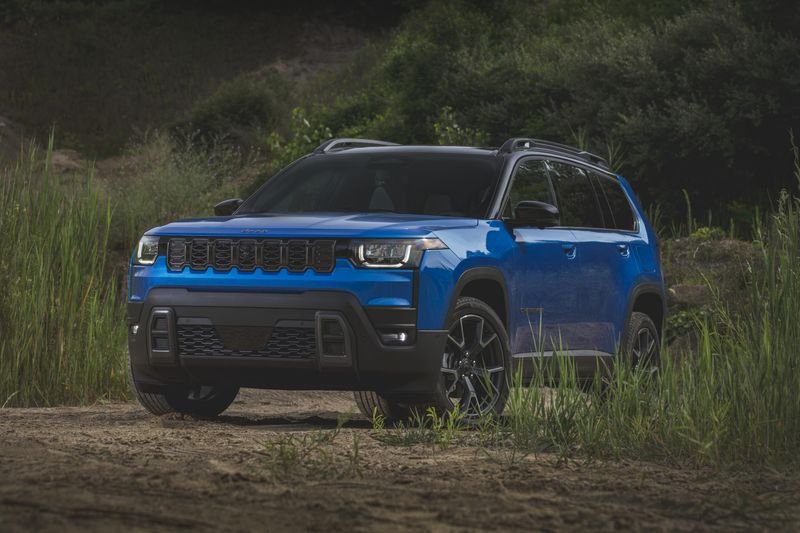
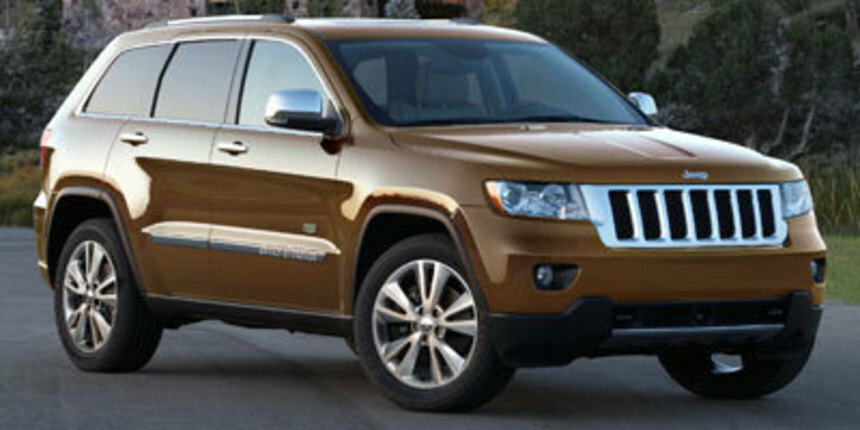
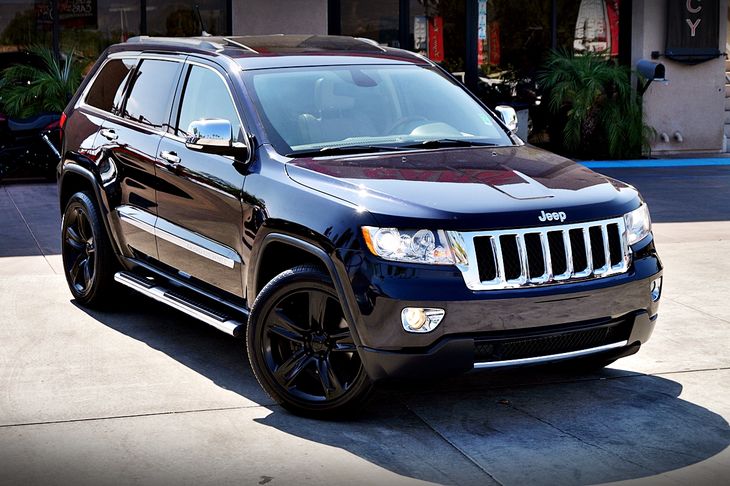
Jeep gave the 2011 Grand Cherokee Overland a fresh look. The exterior features sleek lines and chrome accents. The front grille is bold, and the headlights have a modern shape. Inside, you find leather seats and real wood trim, making the cabin feel upscale.
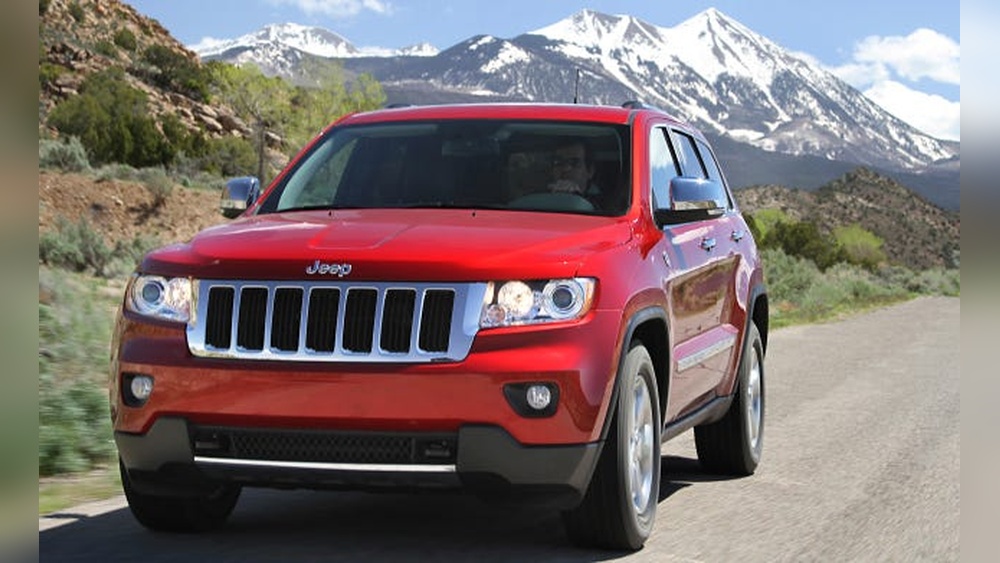
The build quality is solid. Doors close with a reassuring sound, and the materials do not look cheap.
Many owners mention that the Overland feels more premium than past Grand Cherokee models.
Engine Performance And Handling
One of the main reasons buyers choose the Overland is its engine options. The standard engine is a 3.6-liter V6 with 290 horsepower. There’s also a 5.7-liter V8 with 360 horsepower for those wanting more power. Both engines deliver strong acceleration.
The Overland’s Quadra-Lift air suspension is a highlight. It adjusts ride height for off-road or highway driving. Handling is smooth on city roads and stable at highway speeds. The SUV can tow up to 7,400 lbs with the V8 engine, making it good for hauling trailers.
Here’s a quick comparison of the two engine options:
| Engine | Horsepower | Towing Capacity | MPG (City/Highway) |
|---|---|---|---|
| 3.6L V6 | 290 hp | 5,000 lbs | 16/23 |
| 5.7L V8 | 360 hp | 7,400 lbs | 14/20 |
Comfort And Interior Features
The Overland model is known for comfort. The heated and ventilated seats keep you cozy in any weather. The leather is soft, and the seating position is high, offering great visibility. The cabin is quiet, even at high speed.
You get a navigation system, a premium sound system, and a panoramic sunroof. Rear passengers enjoy spacious legroom. The cargo area is large enough for suitcases, groceries, or sports gear.
Technology And Safety
Jeep packed the Overland with technology. The touchscreen infotainment system is easy to use. Bluetooth and USB ports are standard. The backup camera helps when parking, and parking sensors alert you to obstacles.
Safety is strong, with six airbags, electronic stability control, and hill start assist. The Overland earned high marks in crash tests from the Insurance Institute for Highway Safety (IIHS).
Here’s how the Overland compares to competitors in safety:
| Model | Airbags | IIHS Rating | Parking Sensors |
|---|---|---|---|
| 2011 Grand Cherokee Overland | 6 | Good | Standard |
| 2011 Ford Explorer Limited | 6 | Good | Optional |
| 2011 Toyota Highlander Limited | 7 | Good | Optional |
Reliability And Maintenance
Many owners report that the 2011 Overland is reliable, but some mention issues with electrical systems and the air suspension. Routine maintenance is important to avoid expensive repairs.
The cost of maintenance is higher than some rivals. Oil changes, brake pads, and tire replacements cost more due to the premium parts.
An overlooked detail is that the air suspension can be pricey to fix if it fails, so regular inspection is key.
Off-road Capability
Jeep built its reputation on off-road performance. The Overland is no exception. With Quadra-Drive II 4WD, hill descent control, and adjustable suspension, it tackles rough terrain with ease. Ground clearance is up to 11 inches, helpful for rocky trails.
One thing many beginners miss is the importance of tire choice for off-road driving. Upgrading from stock tires improves grip and safety.
Fuel Economy
Fuel economy is average for a midsize SUV. The V6 engine offers better mileage, while the V8 uses more fuel.
Owners who drive mostly in cities see lower MPG. Using the Eco mode and gentle driving can improve fuel efficiency.
Here’s a comparison with other midsize SUVs:
| Model | MPG (City/Highway) |
|---|---|
| 2011 Grand Cherokee V6 | 16/23 |
| 2011 Ford Explorer | 17/25 |
| 2011 Toyota Highlander | 18/24 |
Real-world Owner Reviews
Owners praise the Overland for its luxurious interior, strong engine, and off-road ability. Many say it feels like a higher-end SUV but costs less than rivals. Complaints are mainly about the electrical issues, air suspension repairs, and fuel economy.
Some owners recommend buying an extended warranty for peace of mind. Another tip: check the history of air suspension repairs before buying used.
For more detailed owner feedback, see Edmunds.
Frequently Asked Questions
Is The 2011 Jeep Grand Cherokee Overland Good For Families?
Yes, it offers spacious seating and strong safety features. The cargo area is large enough for family trips. Rear seats have enough room for adults and children.
How Does The Overland Handle Winter Driving?
The 4WD system and heated seats make it great for snowy conditions. The air suspension raises the vehicle for more clearance. Owners report good traction even in heavy snow.
What Are Common Problems With The 2011 Overland?
The most common issues are with electrical systems and the air suspension. Some owners have reported problems with the navigation system and sensors.
Is The Overland Expensive To Maintain?
Compared to other SUVs, the Overland’s maintenance costs are higher. Premium parts and the air suspension can make repairs costly. Regular service helps avoid bigger issues.
Does The Overland Retain Its Value?
The 2011 Overland holds value better than some rivals due to its luxury features and off-road ability. However, high repair costs can affect resale price.
The 2011 Jeep Grand Cherokee Overland delivers a mix of comfort, power, and off-road performance. It stands out with luxury touches and advanced technology.
While maintenance costs and some reliability concerns exist, most owners appreciate its balance of ruggedness and refinement.
If you want an SUV that feels premium and handles tough terrain, the Overland is a strong choice.