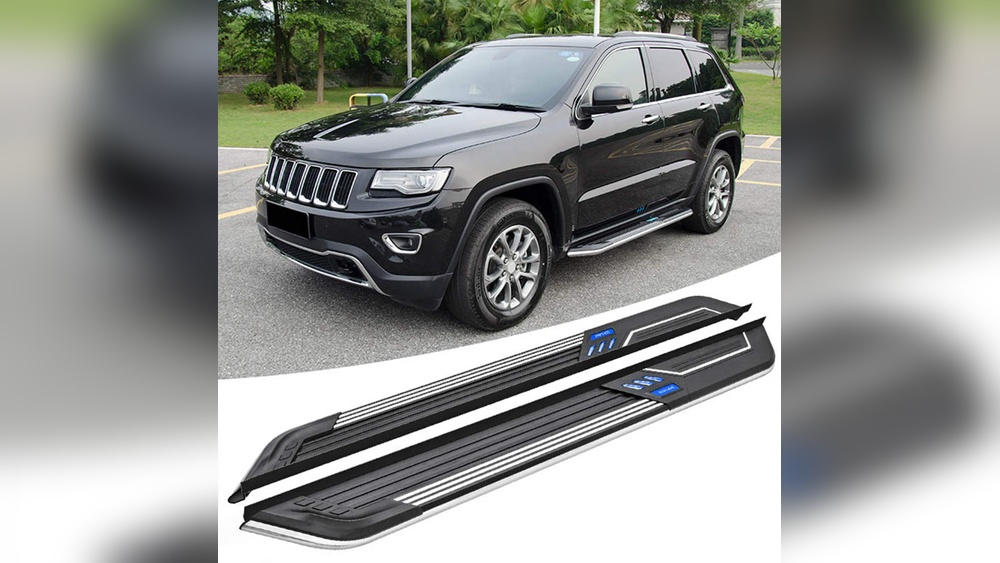
The 2010 Jeep SRT8 steering wheel is more than just a component for directing your vehicle; it's a tactile interface that connects the driver to the raw power and performance of this iconic SUV.
For enthusiasts and owners of the 2010 Jeep Grand Cherokee SRT8, the steering wheel represents a focal point of the driving experience.
Its design, materials, and functionality are all engineered to complement the vehicle’s aggressive stance and potent V8 engine. Understanding its nuances, from potential upgrades to maintenance, is key to preserving both the aesthetic and the performance integrity of this special edition Jeep.
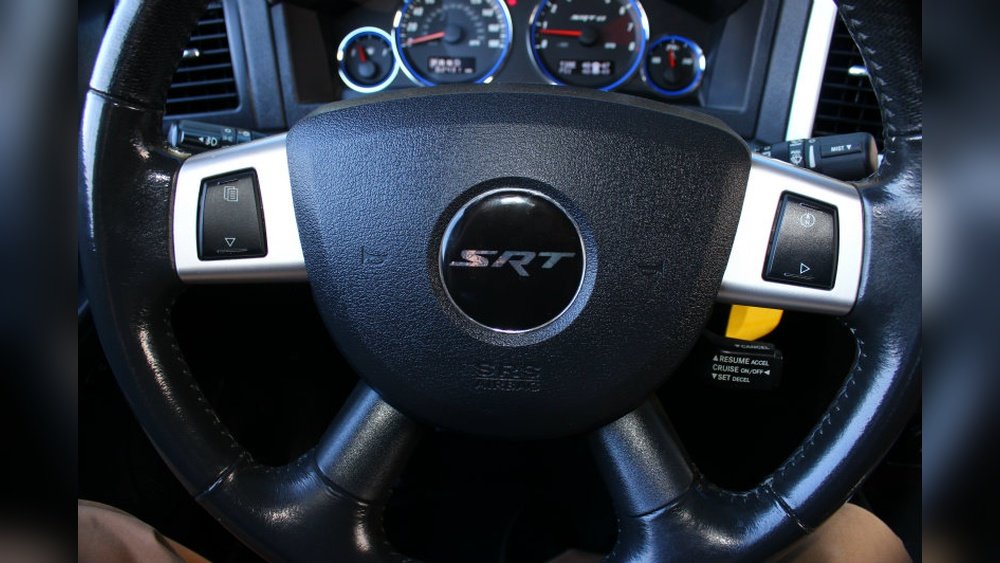
This article will delve deep into the world of the 2010 Jeep SRT8 steering wheel. We will explore its original design specifications, common issues owners might encounter, and the myriad of customization and upgrade options available.
Whether you're looking to restore a classic SRT8 to its former glory, enhance its interior appeal, or simply understand the intricacies of this performance-oriented component, this guide aims to provide comprehensive insights.
We’ll cover everything from material choices and technological integration to the practicalities of repair and replacement, ensuring you have all the information needed to appreciate and maintain this crucial part of your 2010 Jeep SRT8.
Key Takeaways
- The 2010 Jeep SRT8 steering wheel is designed with performance and driver engagement in mind, featuring specific materials and ergonomic considerations.
- Common issues can include wear on leather, malfunctioning paddle shifters (if equipped), and airbag system concerns.
- Upgrade options range from re-upholstering with premium materials to adding custom stitching and carbon fiber accents.
- Replacement involves ensuring compatibility with the specific model year and trim, especially regarding airbag systems.
- Maintenance is crucial, focusing on cleaning and conditioning leather to prevent premature wear.
- Aftermarket steering wheels offer extensive customization but require careful selection to ensure proper fitment and safety compliance.
The Original 2010 Jeep Srt8 Steering Wheel: Design And Features
The 2010 Jeep Grand Cherokee SRT8 was a specialized vehicle, and its steering wheel was a reflection of that performance-oriented ethos. Unlike the standard Grand Cherokee models of its era, the SRT8 version received a steering wheel designed to enhance driver control and provide a more engaging experience.
The focus was on tactile feedback, grip, and a sporty aesthetic that matched the vehicle’s capabilities.
Materials And Ergonomics
The standard steering wheel for the 2010 Jeep SRT8 was typically finished in perforated leather. This material choice was not merely for aesthetics; the perforations offered improved grip, especially for drivers engaging in spirited driving or experiencing higher G-forces. The leather itself was chosen for its durability and premium feel, contributing to the overall upscale yet sporty interior ambiance. The grip areas, often at the 9 and 3 o’clock positions, were usually sculpted to fit the hand more naturally, promoting a secure hold.
Beyond the leather, the SRT8 steering wheel often featured unique stitching, commonly in a contrasting color like silver or red, further accentuating its performance pedigree. The diameter of the wheel was generally optimized for quick steering inputs, balancing responsiveness with comfortable cruising. The overall design aimed to provide a direct connection between the driver’s hands and the vehicle’s road-going dynamics.
Technological Integration
While the 2010 model year predates some of the more advanced steering wheel technologies seen today, the SRT8 steering wheel was equipped with essential controls. These typically included buttons for the audio system, cruise control, and potentially gear selection (paddle shifters) for models equipped with the automatic transmission. The integration of these controls was designed to be intuitive, allowing the driver to access key functions without taking their hands off the wheel, thereby maintaining focus on the road.
The airbag module was an integral part of the steering wheel’s design, housed within the central hub. This module was engineered to deploy rapidly in the event of a collision, a critical safety feature. The design of the airbag cover often matched the surrounding dashboard materials, maintaining a cohesive interior look. Understanding the proper handling and maintenance of the airbag system is paramount for safety and is a key consideration when dealing with the steering wheel.
Common Issues And Troubleshooting
Like any automotive component, the 2010 Jeep SRT8 steering wheel can experience wear and tear or develop specific issues over time. Addressing these problems promptly can help maintain the vehicle’s functionality, safety, and aesthetic appeal.
Leather Wear And Discoloration
The most common issue owners face is the wear and tear on the leather of the steering wheel. Regular use, exposure to sunlight, and contact with hands (which can transfer oils and dirt) can lead to the leather becoming shiny, cracked, or discolored, particularly on the grip points.
- Prevention: Regular cleaning with a dedicated leather cleaner and conditioning with a leather conditioner can significantly prolong the life and appearance of the steering wheel’s leather. Wiping down the wheel regularly with a damp cloth can remove surface dirt and oils.
- Repair: Minor scuffs and scratches might be repairable with leather repair kits. For more significant damage, such as deep cracks or extensive wear, professional re-upholstery or replacement of the leather wrap is often the best solution.
Paddle Shifter Malfunctions
For 2010 Jeep SRT8 models equipped with paddle shifters, these electronic controls can sometimes become unresponsive or erratic. This can be due to wear on the internal contacts, electrical issues, or damage to the wiring harness connecting the paddles to the vehicle’s control module.
- Diagnosis: Troubleshooting usually involves checking the fuse related to the transmission control module or paddle shifters. Inspecting the wiring for any visible damage or loose connections is also essential.
- Repair: In many cases, a cleaning of the electrical contacts within the paddle shifter mechanism can resolve the issue. If the internal components are worn or damaged, the paddle shifter assembly may need to be replaced. This is often a specialized repair that might require professional assistance.
Over time, the buttons integrated into the steering wheel for audio, cruise control, or the horn can become less responsive or stop working altogether. This is typically due to accumulated dirt and grime interfering with the electrical contacts beneath the buttons, or wear on the switch mechanisms.
- Cleaning: A thorough cleaning of the button contacts, often requiring partial disassembly of the steering wheel’s control modules, can restore functionality.
- Replacement: If cleaning doesn’t resolve the issue, the individual switch modules or the entire button array may need to be replaced.
Airbag System Concerns
The airbag system integrated into the steering wheel is a critical safety feature. Any issues related to the airbag, such as the airbag warning light illuminating on the dashboard, must be addressed immediately by a qualified technician. This could indicate a problem with the airbag sensor, the clock spring (a component that allows electrical connections to rotate with the steering wheel), or the airbag module itself.
- Warning Light: If the airbag light is on, it signifies that the system may not function correctly in an accident. Do not attempt to diagnose or repair airbag systems yourself, as improper handling can lead to accidental deployment or disable the system.
- Professional Service: Always consult a certified mechanic or a Jeep dealership for any airbag system diagnostics or repairs.
Customization And Upgrade Options
The aftermarket offers a vast array of options for those looking to customize or upgrade their 2010 Jeep SRT8 steering wheel. These upgrades can enhance aesthetics, improve tactile feel, and add modern features.
Re-upholstery And Material Choices
One of the most popular upgrades is re-upholstering the steering wheel with different materials and finishes. This allows owners to personalize their vehicle’s interior to their exact tastes.
- Premium Leather: Options include higher-grade full-grain leathers, Alcantara (a synthetic suede-like material), or a combination of both for a luxurious feel and enhanced grip.
- Custom Stitching: Beyond the factory options, custom stitching can be added in virtually any color, using various patterns like diamond stitching or racing stripes. This adds a unique, personalized touch.
- Carbon Fiber Accents: Some enthusiasts opt to incorporate carbon fiber elements into the steering wheel, either as full wraps or as decorative inserts. This provides a sporty, high-performance look.
Performance Steering Wheels
For the ultimate in customization and performance focus, complete aftermarket steering wheels are available. These often feature:
- Flattened Bottoms (D-Shaped): This design, common in racing, provides extra legroom and a more aggressive, sporty feel.
- Thicker Grips: Many performance wheels are built with a thicker profile for a more substantial and secure hold.
- Integrated Gauges or Displays: High-end aftermarket wheels can sometimes include small digital displays for performance metrics or warning lights.
- Compatibility: It’s crucial to ensure any aftermarket steering wheel is compatible with the 2010 Jeep SRT8’s airbag system and any existing steering wheel controls. Reputable manufacturers provide adapters and modules to maintain full functionality.
Adding Modern Features
While the 2010 SRT8 had integrated controls, some owners might seek to add more modern functionalities. This could include:
- Upgraded Audio Controls: If the original controls are worn or if a new head unit has been installed, aftermarket steering wheel control interfaces can be adapted.
- Bluetooth Integration: While less common for this model year without factory integration, some custom builds might incorporate aftermarket Bluetooth modules that can be controlled via steering wheel buttons.
Example: A common customization involves taking a standard SRT8 steering wheel and having it professionally re-wrapped. An owner might choose a combination of perforated black leather on the sides for grip, smooth black leather on the top and bottom for comfort, and bright red stitching to match the vehicle’s brake calipers. Some may even opt for a heated steering wheel function if their original model did not come equipped with it, though this is a complex electrical modification.
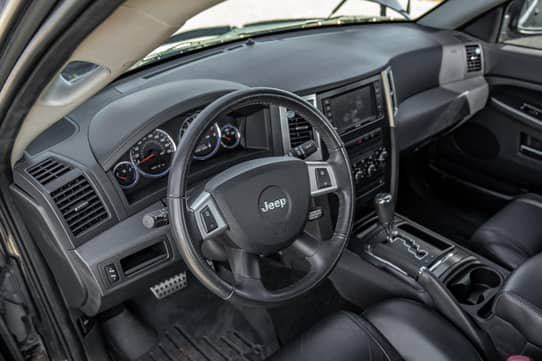
Steering Wheel Replacement: What You Need To Know
Replacing the steering wheel on a 2010 Jeep SRT8 is a task that requires care and attention to detail, especially due to the integrated airbag system. It’s a job that many DIY enthusiasts can tackle, but understanding the safety protocols is paramount.
Safety First: The Airbag System
The airbag module is housed within the steering wheel. Before attempting any work, the battery must be disconnected for at least 15-30 minutes to allow any residual power to dissipate and prevent accidental airbag deployment. Always consult the vehicle’s service manual for the precise procedure recommended by Jeep. Failure to follow these safety precautions can result in serious injury.
Tools And Procedures
Replacing a steering wheel typically involves:
- Disconnecting the Battery: As mentioned, this is the most critical safety step.
- Removing the Airbag Module: This usually involves releasing retaining clips or bolts from the back or sides of the steering wheel.
- Disconnecting Electrical Connectors: Carefully unplug the connectors for the airbag, horn, and any steering wheel controls.
- Removing the Steering Wheel Nut: A central nut holds the steering wheel onto the steering column. This often requires a steering wheel puller to safely remove the wheel without damaging the steering column splines.
- Transferring Components: If you are installing a new steering wheel that doesn’t come with its own airbag or control modules, you’ll need to transfer these from the old wheel.
- Installation: Install the new steering wheel, ensuring it’s properly aligned on the splines. Tighten the steering wheel nut to the manufacturer’s specified torque.
- Reconnecting Electrical Connectors and Airbag: Reconnect all wiring harnesses.
- Reinstalling the Airbag Module: Secure the airbag module.
- Reconnecting the Battery: Reconnect the battery.
- Testing: Start the vehicle and test all steering wheel functions, including the horn, buttons, and ensure the airbag warning light is off.
Sourcing Replacement Wheels
When sourcing a replacement steering wheel, whether for repair or upgrade, it’s essential to ensure compatibility:
- OEM Parts: Original Equipment Manufacturer (OEM) parts will guarantee a perfect fit and match the original specifications. These can be purchased from Jeep dealerships or authorized parts suppliers.
- Aftermarket Wheels: If opting for an aftermarket steering wheel, verify that it is specifically designed for the 2010 Jeep Grand Cherokee SRT8 or is listed as compatible. Pay close attention to whether it includes provisions for the airbag and steering wheel controls. Brands like MOMO, Sparco, or specialized Jeep tuners often offer options.
Pro Tip: Always use a torque wrench when tightening the steering wheel nut to the manufacturer’s specifications. Overtightening can damage the steering column, while undertightening can lead to the wheel becoming loose, which is extremely dangerous.
Maintenance And Care For Longevity
Proper maintenance of your 2010 Jeep SRT8 steering wheel is key to preserving its appearance, feel, and functionality for years to come. The materials used, particularly the leather, require specific care.
Cleaning Procedures
Regular cleaning is the most effective way to prevent premature wear and keep the steering wheel looking its best.
- Daily/Weekly Cleaning: Use a microfiber cloth slightly dampened with water to wipe down the steering wheel. This removes surface dust and light grime.
- Deep Cleaning (Leather): For the leather, use a dedicated automotive leather cleaner. Apply a small amount to a microfiber applicator pad or cloth and gently work it into the leather, paying attention to high-contact areas. Avoid using harsh household cleaners, as they can strip the leather’s natural oils and protective coatings.
- Cleaning Controls: Use a soft brush or a cotton swab lightly dampened with an electronics cleaner to carefully clean around the buttons and controls. Avoid spraying liquid directly onto the buttons.
Conditioning Leather
Leather is a natural material that can dry out and crack over time, especially when exposed to heat and sunlight. Leather conditioner replenishes the oils in the leather, keeping it supple and preventing cracks.
- Application: After cleaning, apply a small amount of automotive leather conditioner to a clean microfiber cloth. Gently massage the conditioner into the leather using circular motions.
- Frequency: The frequency of conditioning depends on your climate and usage. In hot, sunny climates, conditioning every 2-3 months might be necessary. In milder climates, once or twice a year may suffice. Always check the leather’s feel; if it starts to feel dry or stiff, it’s time for conditioning.
Protecting From The Elements
Sunlight is a major enemy of automotive interiors, including steering wheels. UV rays can fade leather, dry it out, and cause materials to become brittle.
- Sunshades: Using a windshield sunshade when the vehicle is parked in direct sunlight can significantly reduce the interior temperature and protect the steering wheel from UV damage.
- Parking: Whenever possible, park in shaded areas or a garage.
Avoiding Damage
Certain actions can inadvertently damage the steering wheel:
- Sharp Objects: Avoid placing sharp objects on the steering wheel or allowing them to rub against it, as this can easily scratch or puncture the leather.
- Harsh Chemicals: Never use abrasive cleaners, solvents, or all-purpose cleaners not specifically designed for automotive interiors, as they can damage the leather and plastic components.
- Excessive Force: While the steering wheel is built to withstand driving forces, avoid excessive force or impact, such as hitting it with other objects.
Example: If you notice the leather on the top of your steering wheel becoming noticeably lighter or feeling rough, it’s a clear sign of UV damage and dryness. Applying a good quality leather conditioner and using a sunshade consistently can help reverse some of this damage and prevent further deterioration.
Steering Wheel Controls And Their Functionality
The steering wheel of the 2010 Jeep SRT8 is a hub for various controls, designed to enhance driver convenience and safety by keeping essential functions within easy reach. Understanding each control ensures you can utilize them effectively.
Audio System Controls
Typically located on the left side of the steering wheel, these buttons allow the driver to manage the vehicle’s audio system without taking their hands off the wheel. Common functions include:
- Volume Up/Down: Adjusts the audio volume.
- Seek/Scan: Tunes to the next or previous radio station or skips to the next track on a CD or other media.
- Mode/Source: Cycles through available audio sources (AM/FM, CD, Aux, etc. ).
- Mute: Temporarily silences the audio.
Located on the right side of the steering wheel, these buttons manage the cruise control system, a valuable feature for highway driving.
- Set: Engages cruise control and sets the current speed.
- Resume: Re-engages cruise control at the last set speed after it was disengaged.
- Cancel: Disengages cruise control without clearing the set speed.
- On/Off: Activates or deactivates the cruise control system.
- +/- Speed Adjustment: Allows fine-tuning of the set speed (often used in conjunction with Set/Resume).
Paddle Shifters (if Equipped)
Some 2010 SRT8 models came equipped with paddle shifters mounted behind the steering wheel, allowing for manual selection of gears in the automatic transmission.
- Up-shift Paddle: Typically located on the right side, used to shift into a higher gear.
- Down-shift Paddle: Usually on the left side, used to shift into a lower gear.
- Functionality: These allow for more aggressive driving, engine braking, or precise gear selection when needed. They are designed to be operated with minimal hand movement.
Other Potential Controls
Depending on the specific trim and options package, the steering wheel might also house controls for:
- Voice Commands: For integrated Bluetooth or Uconnect systems.
- Information Display Controls: Buttons to cycle through menus on the instrument cluster, such as average fuel economy, trip distance, tire pressure monitoring, etc.
Data Point: According to a study by the National Highway Traffic Safety Administration (NHTSA), using steering wheel-mounted controls can reduce the amount of time a driver’s eyes are off the road by up to 10% compared to reaching for the dashboard. This highlights the safety benefit of these integrated features.
Frequently Asked Questions
What Is The Main Material Used For The 2010 Jeep Srt8 Steering Wheel?
The 2010 Jeep SRT8 steering wheel typically features perforated leather on the grip areas, chosen for its enhanced grip and premium feel. The rest of the wheel is usually covered in smooth leather, often with contrasting stitching to emphasize its sporty nature.
Can I Replace The Steering Wheel With An Aftermarket One?
Yes, you can replace the steering wheel with an aftermarket option. However, it is crucial to ensure that the aftermarket wheel is compatible with the 2010 Jeep SRT8’s airbag system and any integrated steering wheel controls. Reputable aftermarket manufacturers provide necessary adapters and modules to maintain safety and functionality. Always prioritize safety and consult a professional if you are unsure about the installation process.
How Do I Clean And Maintain The Leather On My Srt8 Steering Wheel?
To clean and maintain the leather, use a dedicated automotive leather cleaner followed by a leather conditioner. Gently wipe down the wheel regularly with a damp microfiber cloth. Avoid harsh chemicals or abrasive materials that can damage the leather. Conditioning helps keep the leather supple and prevents cracking, especially in dry or hot climates.
What Should I Do If My Airbag Light Is On?
If the airbag warning light on your dashboard illuminates, it indicates a potential issue with the vehicle’s safety system. Do not attempt to diagnose or repair airbag systems yourself. It is imperative to have the vehicle inspected by a qualified technician or a Jeep dealership immediately to ensure the system is functioning correctly for your safety.
Are Paddle Shifters Standard On All 2010 Jeep Srt8 Models?
No, paddle shifters were an optional feature on some 2010 Jeep SRT8 models, typically associated with the automatic transmission. Not all SRT8 models were equipped with them. If your vehicle has them, they are usually located behind the steering wheel for manual gear selection.
The steering wheel of your 2010 Jeep SRT8 is a critical interface that blends performance, comfort, and safety. Whether you’re maintaining its original condition through diligent care, troubleshooting common wear-and-tear issues, or embarking on a customization project to enhance its aesthetics and feel, understanding its components and maintenance requirements is essential.
By prioritizing safety, using the right tools and materials, and seeking professional help when necessary, you can ensure that this key element of your SRT8 continues to provide an engaging and reliable driving experience for years to come.