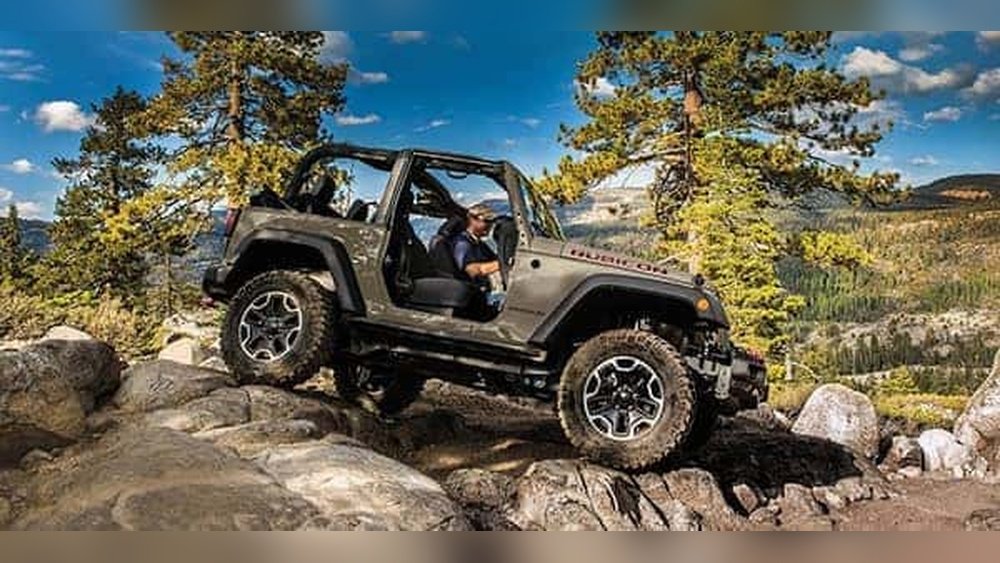
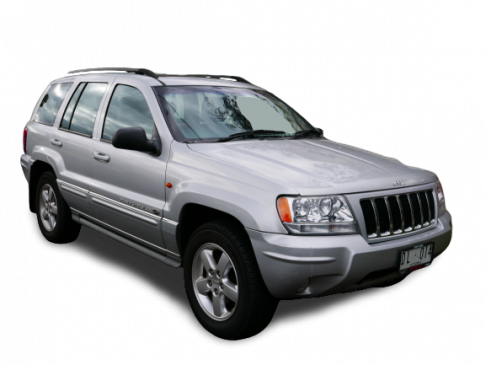
The 2004 Jeep Grand Cherokee is a well-known SUV, popular for its rugged design and off-road capability. However, owners and mechanics have reported several issues that buyers and current drivers should understand. If you’re considering buying a used 2004 Grand Cherokee, it’s important to know about its common problems, the seriousness of each, and what you can do to prevent major repairs. This article gives a clear overview, focusing on the most frequent trouble spots, what symptoms to watch for, and practical advice on handling these issues.
Common Mechanical Problems
The 2004 Grand Cherokee is known for a few mechanical weaknesses that can affect reliability and comfort. Let’s break down the main trouble areas.
Transmission Failure
Many owners experience transmission slipping or delayed shifting, especially around 100,000 miles. Signs include rough gear changes, transmission warning lights, or the car failing to move when in gear. Ignoring these symptoms can lead to total transmission failure, which is expensive to fix.
Cooling System Leaks
The radiator and water pump are known weak points. Coolant leaks often appear as puddles under the SUV or a quickly rising temperature gauge. Overheating can cause engine damage if not addressed. Replacing hoses or the radiator cap early can prevent bigger problems.
Suspension Wear
The front suspension—especially ball joints and control arms—wears out faster than in many competitors. You might hear clunking noises over bumps or notice uneven tire wear. Unstable steering is another sign. Regular suspension checks help catch issues early.
Electrical Gremlins
Electrical problems are common, particularly with power windows, door locks, and the interior lighting. Flickering dashboard lights or windows that stop working are typical complaints. These problems are often due to faulty switches or wiring.
Engine And Performance Issues
The Grand Cherokee’s engines are generally durable, but some specific issues occur more often in the 2004 model.
4.0l Inline-six Engine
This engine is strong but prone to oil leaks around the valve cover gasket. A burning oil smell or oil spots on the ground are warning signs. Replacing the gasket is a simple, affordable fix.
4.7l V8 Engine
The V8 offers more power but sometimes suffers from coolant leaks and head gasket failure. White smoke from the exhaust or milky oil can mean the head gasket is bad. This repair is complex and costly.
Idle And Stalling
Some owners report rough idling or the engine stalling at stops. Dirty throttle bodies or faulty sensors are common causes. Cleaning the throttle body or replacing the idle air control valve often solves the problem.
Interior And Comfort Concerns
While the 2004 Grand Cherokee is comfortable, there are notable complaints about the interior features.
Hvac Malfunctions
The heater and air conditioner sometimes stop blowing correctly on one or both sides. This is usually due to broken blend door actuators. Replacing them is labor-intensive, as it requires removing parts of the dashboard.
Seat And Trim Wear
The driver’s seat cushion wears out quickly, especially if the SUV is used daily. Cracked dashboard trim and peeling door panels are also common. These are cosmetic issues, but they affect resale value.
Sunroof Leaks
If your Grand Cherokee has a sunroof, check for water leaks after rain. Clogged drains or worn seals are usually the cause. Cleaning the drains can fix minor leaks.
Safety And Recalls
Jeep issued several recalls for the 2004 Grand Cherokee. Understanding these helps keep your vehicle safe.
- Fuel Tank Shield: Some SUVs had shields that could detach, increasing fire risk. Check if yours has had this recall work done.
- Brake Light Switch: Faulty switches could prevent brake lights from working, raising accident risk.
- Airbag Control Module: Certain models had problems with airbags deploying unexpectedly.
Check your VIN with the National Highway Traffic Safety Administration (NHTSA) to see if all recalls have been completed.
Repair Cost Comparison
To help you plan for potential repairs, here’s a comparison of average repair costs for common 2004 Grand Cherokee issues versus two competing SUVs.
| Issue | 2004 Grand Cherokee | 2004 Ford Explorer | 2004 Toyota 4Runner |
|---|---|---|---|
| Transmission Repair | $2,000–$3,500 | $1,800–$3,000 | $2,500–$4,000 |
| Radiator Replacement | $400–$700 | $350–$600 | $500–$900 |
| Blend Door Actuator | $350–$500 | $300–$450 | $400–$600 |
Longevity And Reliability
With regular maintenance, the 2004 Grand Cherokee can last over 200,000 miles. However, frequent repairs are more likely after 120,000 miles, especially if previous owners skipped routine service.
Two often-overlooked tips:
- Change transmission fluid every 30,000 miles, even if not required by the manual. This prevents many expensive transmission failures.
- Use OEM (Original Equipment Manufacturer) parts when possible. Aftermarket parts sometimes cause new problems, especially with electrical systems.

Used Market Overview
If you’re thinking about buying a 2004 Grand Cherokee, it’s smart to compare it with other SUVs in the same price range. Here’s a quick look at how it stacks up for reliability and resale value.
| Vehicle | Average Mileage | Resale Value (Fair) | Owner Satisfaction |
|---|---|---|---|
| 2004 Grand Cherokee | 140,000 | $3,000 | 3.6/5 |
| 2004 Toyota 4Runner | 160,000 | $6,500 | 4.5/5 |
| 2004 Ford Explorer | 150,000 | $3,200 | 3.8/5 |
Should You Buy A 2004 Grand Cherokee?
The 2004 Jeep Grand Cherokee offers great off-road ability and a classic SUV feel, but you must accept a higher risk of repairs than some rivals. If you prioritize low cost and easy parts availability, it’s a solid choice. But if you want fewer mechanical issues, consider alternatives like the Toyota 4Runner. Always get a pre-purchase inspection by a trusted mechanic, and ask for maintenance records.
Frequently Asked Questions
What Is The Most Common Problem With The 2004 Jeep Grand Cherokee?
The most common issue is transmission failure, especially in higher-mileage vehicles. Electrical problems and cooling system leaks are also frequent.
How Long Will A 2004 Grand Cherokee Last?
With regular care, many reach 200,000 miles or more. Reliability drops if maintenance is ignored, especially after 120,000 miles.
Is The 2004 Grand Cherokee Expensive To Repair?
Repair costs are moderate compared to other SUVs, but issues like transmission repairs can be expensive, often costing several thousand dollars.
Are There Any Recalls I Should Know About?
Yes. Key recalls include the fuel tank shield, brake light switch, and airbag control module. Check your VIN at the NHTSA website for details.
What Should I Check Before Buying A Used 2004 Grand Cherokee?
Look for signs of transmission issues, oil or coolant leaks, and test all electrical features. Review maintenance records and have a mechanic do a full inspection.
Choosing a 2004 Jeep Grand Cherokee is about balancing your budget, mechanical knowledge, and how much risk you’re willing to take. With the right care, it can be a reliable SUV for years to come.