The 2003 Jeep Grand Cherokee is a popular SUV that many drivers still rely on today. One of the most important parts of keeping this vehicle running smoothly is maintaining its transmission fluid.
If you neglect this simple task, your Jeep’s transmission could face serious problems, and repairs can be costly. Here, you’ll learn why transmission fluid matters, how to check and replace it, and what type is best for your 2003 Grand Cherokee.
Why Transmission Fluid Matters
The transmission fluid in your Jeep isn’t just another fluid—it’s the lifeblood of your vehicle’s transmission. It lubricates the moving parts, keeps the system cool, and helps your SUV shift gears smoothly. Without enough clean fluid, you could experience hard shifting, slipping, or even a complete transmission failure.
One common mistake is to forget that transmission fluid needs to be changed regularly, even if your Jeep seems to run fine. Over time, the fluid breaks down and can no longer protect the internal parts.
The Right Fluid For Your Jeep
For the 2003 Jeep Grand Cherokee, you cannot use any generic transmission fluid. The type you need depends on the specific transmission in your vehicle:
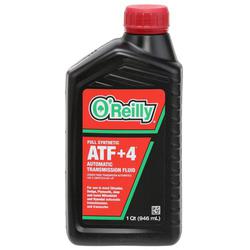
- 4.0L engines (42RE transmission): ATF+4 (MS-9602 specification)
- 4.7L engines (45RFE or 545RFE transmission): ATF+4 (MS-9602 specification)
Always check your owner’s manual or the label on the dipstick for confirmation. Using the wrong fluid can cause shifting problems and damage.
Quick Comparison: Atf Types
| Fluid Type | Compatible Transmission | Common Use |
|---|---|---|
| ATF+4 | 42RE, 45RFE, 545RFE | 2003 Jeep Grand Cherokee |
| Dexron III | Older GM/Ford | Not for Jeep |
| Mercon V | Ford transmissions | Not for Jeep |
How To Check Transmission Fluid
Checking your Jeep’s transmission fluid is a simple process, but there are a few key details to remember:
- Warm Up the Engine: Drive for about 15 minutes so the fluid reaches operating temperature.
- Park on Level Ground: Stop the vehicle and keep the engine running.
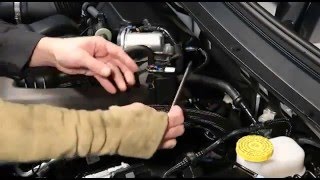
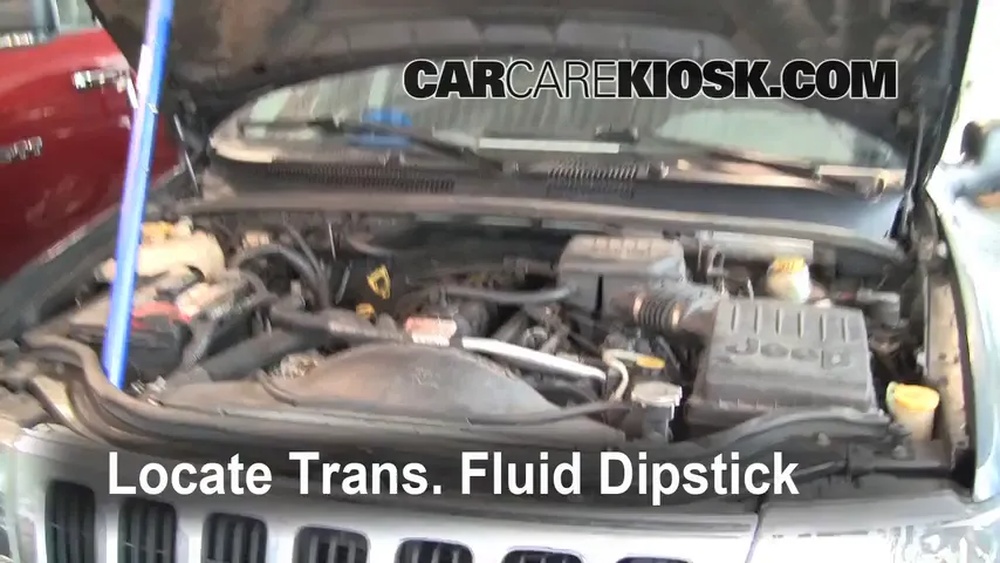
- Pull the Dipstick: The transmission dipstick is usually labeled and located near the firewall.
- Check the Level: Wipe the dipstick, reinsert it, and pull it out again. The fluid should be between the “Add” and “Full” marks.
- Inspect Fluid Condition: The fluid should be red or pink and almost clear. If it’s brown, dark, or smells burnt, it needs changing.
A non-obvious tip: Don’t check the fluid when the engine is cold or after a long period of idling. The reading won’t be accurate.
Changing The Transmission Fluid
Replacing the transmission fluid in your 2003 Grand Cherokee is a job you can do yourself, but it takes attention to detail. Here’s a quick overview:
- Gather Supplies:
- 5–7 quarts of ATF+4 fluid
- New transmission filter
- Transmission pan gasket
- Socket set
- Drain pan
- Funnel
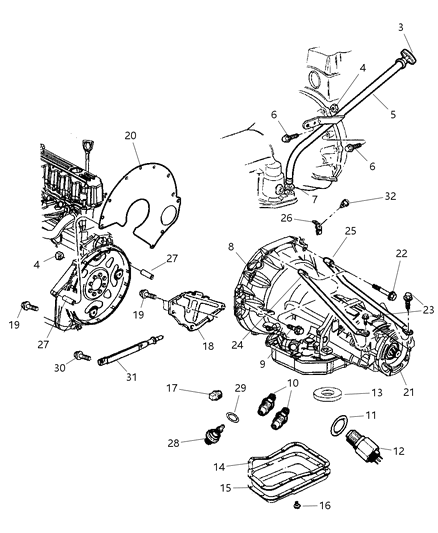
- Drain the Old Fluid:
- Place the drain pan under the transmission.
- Remove the transmission pan bolts.
- Let the fluid drain completely.
- Replace the Filter:
- Remove the old filter.
- Install the new filter and gasket.
- Reinstall the Pan:
- Clean the pan and magnets.
- Attach the pan with the new gasket.
- Add New Fluid:
- Pour new ATF+4 fluid through the dipstick tube.
- Start the engine and check the level, adding more if needed.
- Check for Leaks:
- Inspect around the pan for any leaks.
A useful tip: Always use a new gasket and filter. Reusing old parts can cause leaks and reduced performance.
Time And Cost Comparison
| Method | Time Needed | Estimated Cost |
|---|---|---|
| DIY at Home | 1.5–2 hours | $50–$80 |
| Shop Service | 2–3 hours | $120–$200 |
Signs You Need A Fluid Change
Knowing when to change your transmission fluid can save you from expensive repairs. Here are some signs:
- Delayed or Hard Shifts: If your Jeep shifts roughly or hesitates, fluid could be low or dirty.
- Burnt Smell or Dark Color: Healthy fluid smells sweet and looks red. Burnt or dark fluid means trouble.
- Slipping Gears: If the engine revs but the SUV doesn’t move as expected, fluid might be the issue.
- Leaks Under Vehicle: Puddles of red fluid under your Jeep usually mean a transmission leak.
A detail many owners miss: Even without obvious symptoms, changing the fluid every 30,000–60,000 miles is a smart preventive measure.
Fluid Capacity And Maintenance Schedule
The transmission fluid capacity for the 2003 Jeep Grand Cherokee is about 4–5 quarts for a simple pan drop and filter change. If you’re doing a full flush, it may require up to 14 quarts. Always add fluid in small amounts and check the level to avoid overfilling.
For the best results, follow this maintenance schedule:
- Change fluid and filter every 30,000–60,000 miles
- Check fluid every 6 months
- Inspect for leaks at each oil change
Skipping maintenance often leads to expensive repairs an automatic transmission replacement can cost $2,000 or more.
Environmental And Safety Tips
Dispose of old transmission fluid properly. Never pour it down the drain or onto the ground.
Most auto parts stores accept used fluids for recycling.
When working under your Jeep, always use jack stands and wear gloves. Transmission fluid is slippery and can irritate your skin.
Frequently Asked Questions
What Type Of Transmission Fluid Does A 2003 Jeep Grand Cherokee Need?
The 2003 Grand Cherokee uses ATF+4 transmission fluid for both the 4.0L and 4.7L engines. Always look for the MS-9602 specification on the bottle.
How Often Should I Change The Transmission Fluid?
Change the fluid and filter every 30,000–60,000 miles. Severe driving conditions, such as towing or frequent stop-and-go traffic, may require more frequent changes.
Can I Mix Atf+4 With Other Transmission Fluids?
No. Mixing fluids can cause shifting problems and may damage the transmission. Always use the recommended type only.
How Do I Know If My Transmission Fluid Is Low?
Common signs include delayed shifting, slipping gears, or a warning light. Checking the dipstick is the best way to confirm the fluid level.
Where Can I Find More Information About Jeep Transmission Fluid?
You can visit the official Jeep Maintenance Page for more details and recommended service intervals.
Taking care of your 2003 Jeep Grand Cherokee’s transmission fluid is simple, but it makes a big difference. With regular checks and changes, your SUV can run reliably for many years to come.