The 2003 Jeep Grand Cherokee with the 4. 7L engine is known for its rugged performance and solid driving experience.
One of the most important parts of this vehicle is its transmission system. Many owners and buyers focus on the transmission because it affects reliability, repair costs, and overall driving feel.
If you own, plan to buy, or simply want to understand more about the 2003 Jeep Grand Cherokee 4. 7 transmission, this article will give you clear, practical insights.
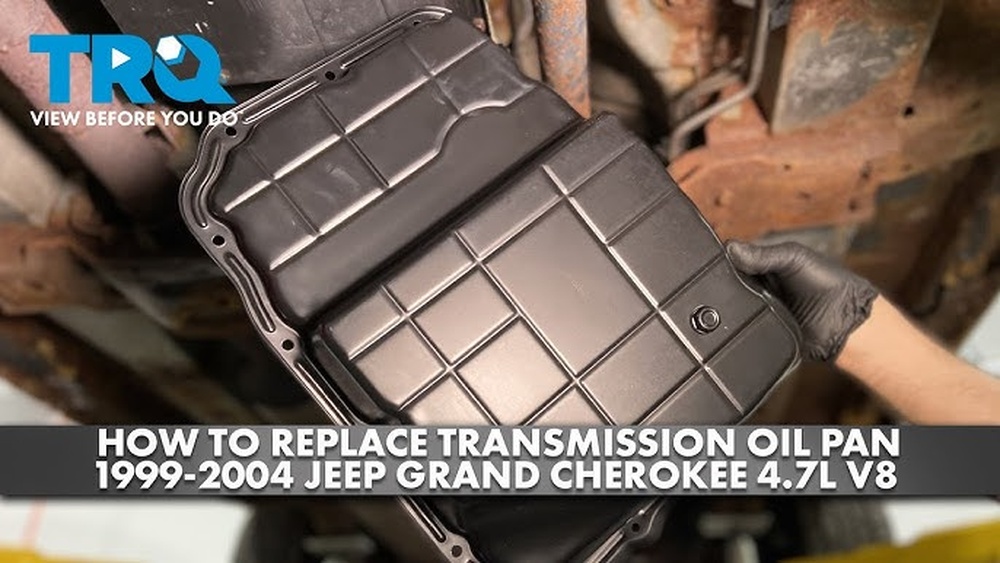
Overview Of The 2003 Jeep Grand Cherokee 4.7 Transmission
The 4.7L V8 engine in the 2003 Grand Cherokee is usually paired with the 545RFE automatic transmission. This transmission is designed for both daily driving and towing, which makes it popular with SUV lovers. It offers smooth shifting and can handle the high torque from the V8 engine.
The 545RFE stands for “5-speed for Rear-wheel drive, Fully Electronic. ” In reality, it has six forward gear ratios, but Jeep advertises it as a five-speed.
This design gives better acceleration and improved fuel economy compared to older four-speed transmissions.
Key Features And Specifications
Some important features of the 545RFE transmission include:
- Five forward gears (with a sixth gear for overdrive)
- Electronically controlled shifting
- Durable construction for off-road and towing use
- Transmission fluid capacity: About 14.5 quarts (total dry fill)
- Recommended fluid: ATF+4
The transmission uses adaptive logic, which means it can adjust shift timing based on driving style. This makes the ride smoother in different conditions.
Common Issues With The 545rfe Transmission
While the 545RFE is generally reliable, certain problems can appear as the vehicle ages. Here are some common issues:
- Delayed shifting: Sometimes, there is a delay when shifting from park to drive or reverse.
- Rough or harsh shifts: Drivers may feel a “clunk” or jerk during gear changes.
- Transmission overheating: This can happen when towing heavy loads or driving in hot weather.
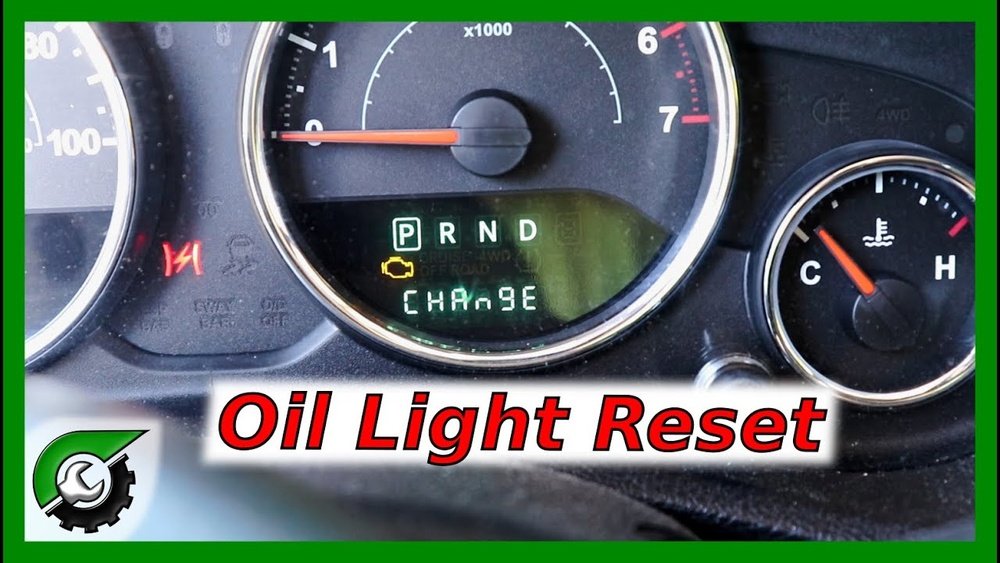
- Check Engine Light (CEL): Transmission problems can trigger warning lights.
These issues often come from worn solenoids, dirty fluid, or a clogged transmission filter. Regular maintenance can help prevent most of these problems.
Maintenance Tips For Long Transmission Life
Proper care is the best way to keep your transmission running well. Here are some simple but effective tips:
- Change the transmission fluid every 30,000–60,000 miles.
- Use only ATF+4 fluid as recommended by Jeep.
- Replace the transmission filter with every fluid change.
- Check for fluid leaks and repair them quickly.
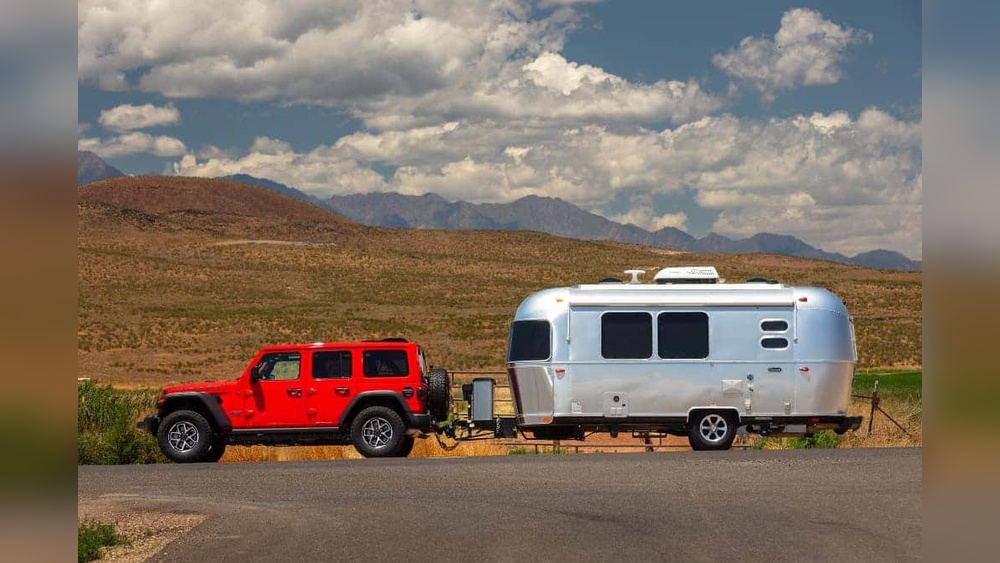
- Avoid towing more than the recommended weight (about 6,500 lbs for most models).
Many owners forget about the transmission until problems start. Keeping up with maintenance not only extends its life but also saves money on repairs.

Transmission Vs. Other Jeep Models
How does the 545RFE compare to other Jeep transmissions? The table below shows the main differences:
| Transmission Model | Number of Gears | Used With | Max Torque (lb-ft) |
|---|---|---|---|
| 545RFE | 5 (6 ratios) | 4.7L V8 | 570 |
| 42RE | 4 | 4.0L I6 | 400 |
| 45RFE | 4 (5 ratios) | Early 4.7L V8 | 540 |
As you can see, the 545RFE offers more gears and higher torque capacity, which is ideal for the 4.7L engine.
Signs Your Transmission Needs Attention
Not sure if your transmission is healthy? Watch for these warning signs:
- Slipping gears: The engine revs but the car does not move faster.
- Burnt smell: Overheated fluid smells sweet or burnt.
- Unusual noises: Whining, clunking, or humming sounds.
- Fluid leaks: Red or brown liquid under the car.
- Warning lights: Transmission or engine lights on the dashboard.
Addressing these issues early can prevent costly repairs.
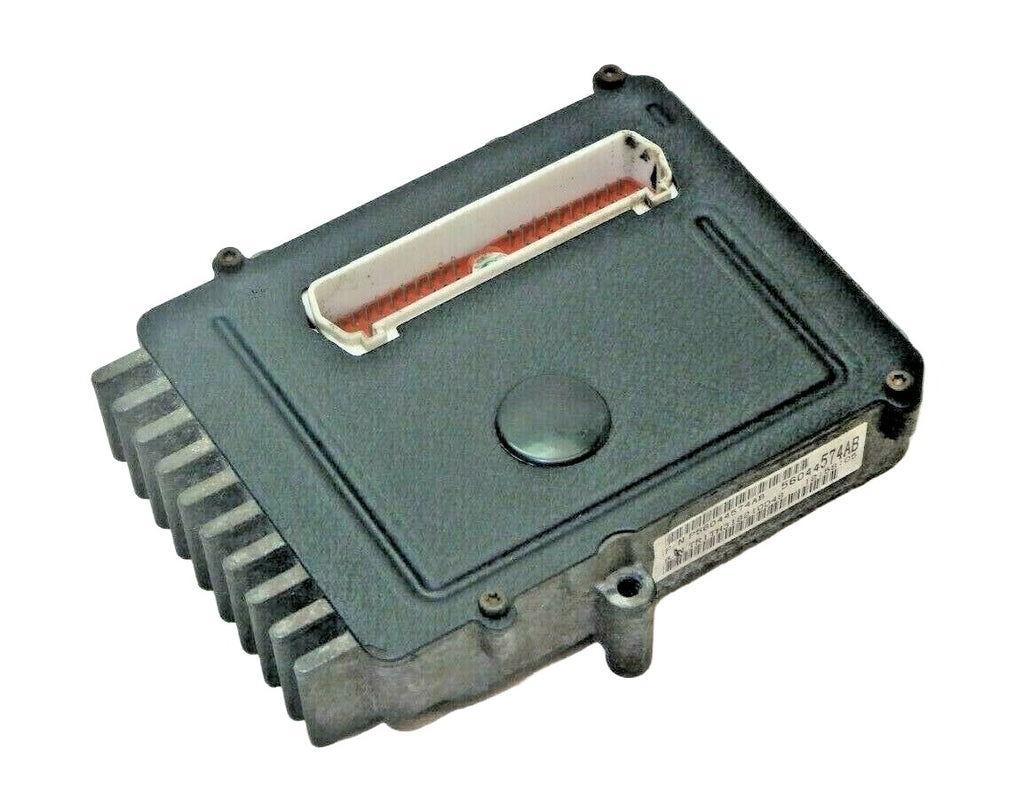
Transmission Fluid Change Cost And Process
Changing the transmission fluid is a job many owners can do at home. Here’s a quick comparison of dealer vs. DIY costs:
| Service Type | Approximate Cost | Time Needed |
|---|---|---|
| Dealer Service | $250–$350 | 2–3 hours |
| DIY (Parts Only) | $70–$120 | 2–4 hours |
Always make sure to use the correct ATF+4 fluid and a new filter. Overfilling or using the wrong fluid can cause serious damage.
Upgrades And Modifications
Some owners want to improve performance or towing ability. Possible upgrades include:
- Heavy-duty transmission coolers for better heat management
- Shift kits for faster, firmer gear changes
- Upgraded torque converters for more efficient power transfer
However, not every upgrade is worth the cost. For most drivers, regular maintenance is more effective than expensive modifications.
Real-world Owner Experiences
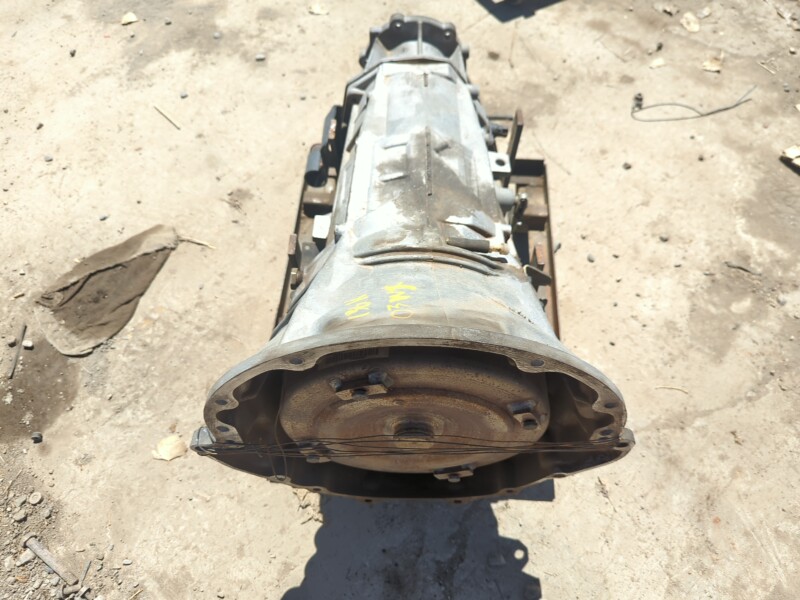
Many 2003 Jeep Grand Cherokee 4.7 owners report the transmission lasts well over 150,000 miles with good care. A few mention issues around 100,000 miles, often linked to skipped maintenance. Some share that a simple fluid and filter change solved their shifting problems. One less-known tip: parking on a level surface helps prevent fluid leaks, especially in older vehicles.
Where To Find More Information
You can find more details in the official Jeep owner’s manual or from certified Jeep mechanics. For technical specs and diagrams, the Wikipedia page on the 545RFE transmission is a helpful resource.
Frequently Asked Questions
What Type Of Transmission Fluid Does The 2003 Jeep Grand Cherokee 4.7 Use?
The recommended fluid is ATF+4, a synthetic automatic transmission fluid designed by Chrysler for smooth operation and long life.
How Often Should I Change The Transmission Fluid?
Most experts suggest changing the fluid every 30,000 to 60,000 miles. Regular changes help prevent overheating and wear.
Can I Tow With The 2003 Grand Cherokee 4.7?
Yes, you can tow up to 6,500 lbs if your Jeep is equipped with the proper towing package. Always check your manual and use the right gear when towing.
What Are Signs Of A Failing 545rfe Transmission?
Common signs include delayed shifting, rough gear changes, burnt-smelling fluid, and warning lights on the dashboard.
Is It Expensive To Repair Or Replace The Transmission?
Repair costs vary. A full rebuild can cost $2,000 to $3,500, while smaller repairs or fluid changes are much less. DIY maintenance helps reduce costs.
Taking care of your 2003 Jeep Grand Cherokee 4.7 transmission is key to a long-lasting, reliable vehicle. With regular maintenance and quick attention to warning signs, you can enjoy many more miles on and off the road.