The 2004 Jeep Grand Cherokee is a favorite among SUV enthusiasts for its durability and power. But, like many vehicles from the early 2000s, its electrical system can be a source of confusion.
If you’re troubleshooting electrical problems or planning upgrades, understanding the wiring diagram is crucial. This guide will break down the four main wiring diagram sections every owner or mechanic should know.
You’ll also see real examples and data tables to help you make sense of the tangle of wires behind your dashboard.
1. Power Distribution Wiring Diagram
The power distribution wiring is the backbone of your Jeep’s electrical system. It shows how electricity moves from the battery to the fuses, relays, and then to vital components like the starter, alternator, and ignition switch.
A typical power distribution diagram in the 2004 Grand Cherokee includes:
- Battery connections
- Main fuse box (Power Distribution Center)
- Ignition relay and starter relay
- Alternator output wire
This section matters most when you’re facing no-start issues or blown fuses. For example, if your Jeep suddenly loses all power, the first place to check is this wiring diagram. It can help you trace whether the problem lies with a corroded battery cable or a failed relay.
| Component | Wire Color | Fuse/Relay |
|---|---|---|
| Battery to PDC | Red | None |
| Ignition Switch | Pink/Black | Ignition Relay |
| Alternator Output | Grey | Fuse #12 |
Non-obvious tip: Don’t ignore ground wires. A bad ground can cause random electrical failures that look like wiring problems.
2. Engine Control Module (ecm) Wiring Diagram
The ECM wiring diagram connects sensors and actuators to the vehicle’s main computer. This is the nerve center for engine management. Knowing this layout is critical if your Jeep is running rough, has poor fuel economy, or is throwing error codes.
Key components found in this diagram:
- Crankshaft and camshaft sensors
- Fuel injectors
- Throttle position sensor
- O2 sensors
Each sensor is color-coded in the diagram. For instance, the crankshaft sensor wire is usually black/blue, while injector wires are green/orange. If your engine stalls or misfires, checking these wires for continuity or shorts can save you hours of guesswork.
| Sensor | Wire Color | Pin Number (ECM) |
|---|---|---|
| Crankshaft Position | Black/Blue | Pin 7 |
| O2 Sensor | Brown/White | Pin 18 |
| Throttle Position | Orange/White | Pin 14 |
Non-obvious tip: Many ECM problems are actually caused by wiring issues at the connectors, especially after engine repairs.
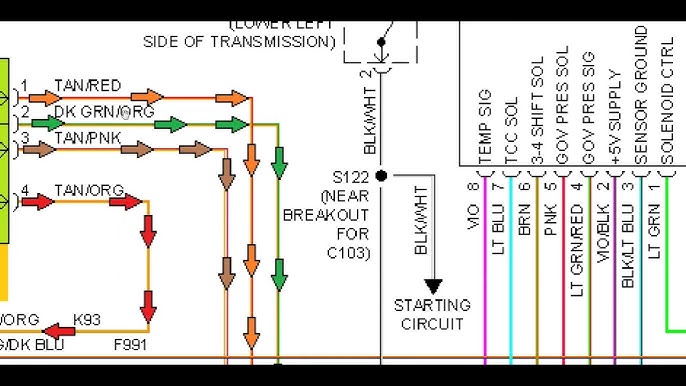
3. Lighting System Wiring Diagram
The lighting system wiring covers everything from headlights and taillights to dashboard illumination. This section is especially useful for diagnosing intermittent light failures or upgrading bulbs to LEDs.
The diagram for the 2004 Grand Cherokee includes:
- Headlight and fog light circuits
- Turn signals and hazard lights
- Brake lights
- Interior dome and dash lights
A common challenge is when one headlight or taillight stops working. With the wiring diagram, you can quickly check if the issue is a blown bulb, a bad ground, or a broken wire.
| Light Circuit | Wire Color | Switch/Relay |
|---|---|---|
| Headlight (Low) | Green | Headlight Switch |
| Brake Light | White/Tan | Brake Pedal Switch |
| Fog Light | Yellow | Fog Lamp Relay |
Practical insight: Always check the headlight ground point near the radiator support. Rust here can cause dim or flickering lights.
4. Audio And Accessory Wiring Diagram
The audio and accessory wiring diagram details the connections for the radio, speakers, power windows, and other comfort features. This layout is a must-have if you’re installing a new stereo or fixing window switches.
What you’ll find in this diagram:
- Radio and speaker wires
- Power window and door lock circuits
- Accessory outlets (cigarette lighter, power ports)
- Sunroof controls (if equipped)
For example, if your speakers buzz or your power windows only work sometimes, this diagram points to the exact wires and connectors to check. Many owners miss the fact that the driver’s door wiring harness is a common failure point due to repeated opening and closing.
Extra tip: When replacing the radio, always use an adapter harness. Cutting the factory wires can cause electrical noise and even disable other systems.
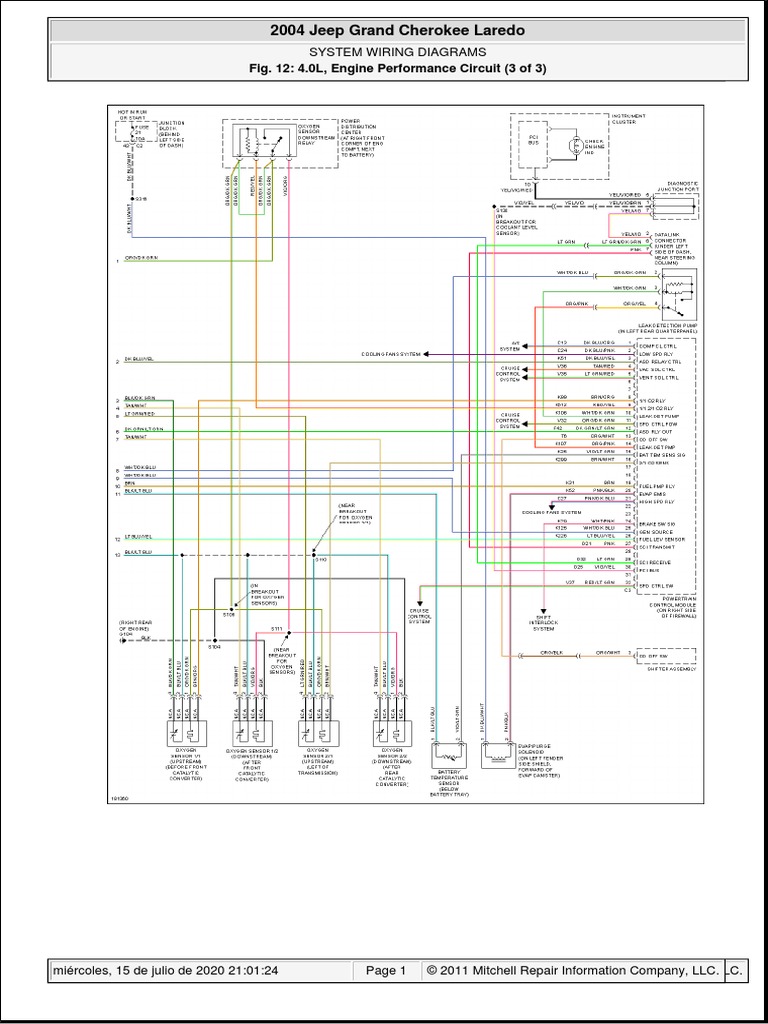
Why Wiring Diagrams Matter For The 2004 Jeep Grand Cherokee
Without a wiring diagram, even simple repairs can become frustrating. The 2004 Grand Cherokee has more electronics than earlier models, making accurate diagrams even more important. Mechanics use these diagrams to diagnose problems faster, while DIYers rely on them to avoid costly mistakes.
Beginner mistake: Assuming wire colors are the same across all trims or production years. Always verify with the correct year-specific diagram.
If you need official, model-specific diagrams, the Jeep factory service manual is the best source. Some online forums and resources like JeepForum also provide community-verified diagrams.
Frequently Asked Questions
<!– wp:rank-math/faq-block {"questions":[{"id":"faq-question-ac38d2bb713a","title":"What Is The Most Common Wiring Problem In A 2004 Jeep Grand Cherokee?","content":"The driver’s door wiring harness often fails, causing power windows or locks to stop working. This happens due to repeated bending as the door opens and closes.
“,”visible”:true},{“id”:”faq-question-a0704b98c251″,”title”:”How Do I Identify A Blown Fuse Using The Wiring Diagram?”,”content”:”Locate the fuse box in the power distribution section of the diagram. Find the specific fuse for the circuit with the problem, then check it physically or with a multimeter.
“,”visible”:true},{“id”:”faq-question-9e5e428eb6ee”,”title”:”Can I Use A 2003 Or 2005 Grand Cherokee Wiring Diagram For My 2004 Model?”,”content”:”No, even small changes between years can make a big difference. Always use a 2004-specific wiring diagram for accurate troubleshooting.
“,”visible”:true},{“id”:”faq-question-70762f91103c”,”title”:”What Tools Do I Need To Trace Wiring Issues?”,”content”:”Basic tools include a multimeter, test light, wire strippers, and electrical tape. Having the right wiring diagram makes these tools much more effective.
“,”visible”:true},{“id”:”faq-question-0e834d669b1f”,”title”:”Where Can I Get An Official Wiring Diagram For My 2004 Grand Cherokee?”,”content”:”You can purchase the Jeep factory service manual online or visit automotive forums. Some libraries also have access to repair manuals for reference.
Understanding your 2004 Jeep Grand Cherokee’s wiring diagrams can save you time, money, and stress. With the right information and careful tracing, you can tackle most electrical problems with confidence.
“,”visible”:true}]} –>What Is The Most Common Wiring Problem In A 2004 Jeep Grand Cherokee?
The driver’s door wiring harness often fails, causing power windows or locks to stop working. This happens due to repeated bending as the door opens and closes.
How Do I Identify A Blown Fuse Using The Wiring Diagram?
Locate the fuse box in the power distribution section of the diagram. Find the specific fuse for the circuit with the problem, then check it physically or with a multimeter.
Can I Use A 2003 Or 2005 Grand Cherokee Wiring Diagram For My 2004 Model?
No, even small changes between years can make a big difference. Always use a 2004-specific wiring diagram for accurate troubleshooting.
What Tools Do I Need To Trace Wiring Issues?
Basic tools include a multimeter, test light, wire strippers, and electrical tape. Having the right wiring diagram makes these tools much more effective.
Where Can I Get An Official Wiring Diagram For My 2004 Grand Cherokee?
You can purchase the Jeep factory service manual online or visit automotive forums. Some libraries also have access to repair manuals for reference.
Understanding your 2004 Jeep Grand Cherokee’s wiring diagrams can save you time, money, and stress. With the right information and careful tracing, you can tackle most electrical problems with confidence.