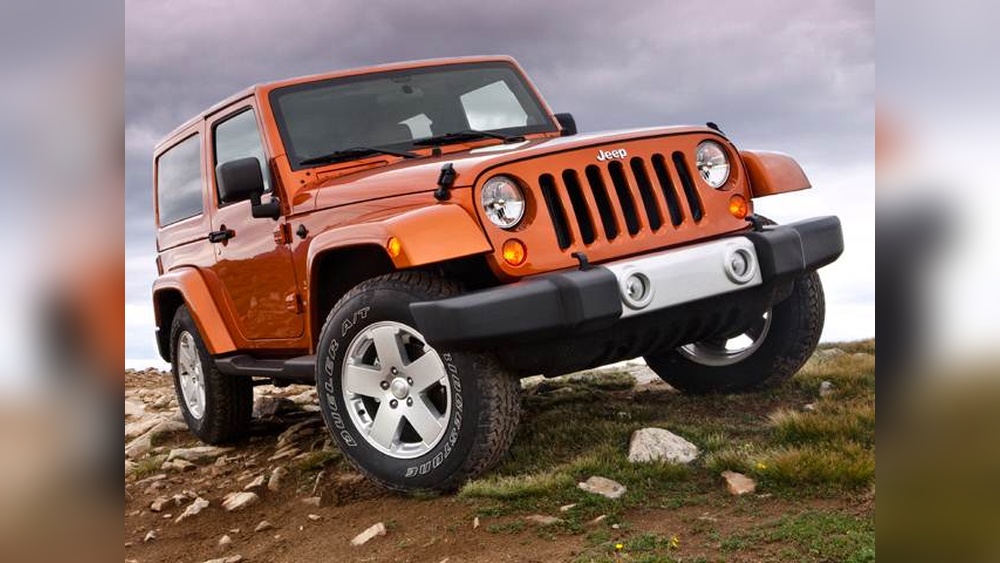
Understanding the wiring diagram for a 1995 Jeep Wrangler is essential for anyone who wants to troubleshoot electrical problems, add new accessories, or restore this classic vehicle. Many Jeep owners find electrical work confusing, but with the right guidance, reading and using a wiring diagram becomes much easier.
This article will help you see how the electrical system fits together, explain common symbols and layouts, and offer tips for using wiring diagrams to solve real problems on your Wrangler.
Why Wiring Diagrams Matter For The 1995 Jeep Wrangler
Jeep Wranglers are known for their simplicity and durability, but even these tough vehicles rely on a network of wires. A wiring diagram shows you how the electrical system is organized, from the battery and ignition switch to the lights, gauges, and sensors.
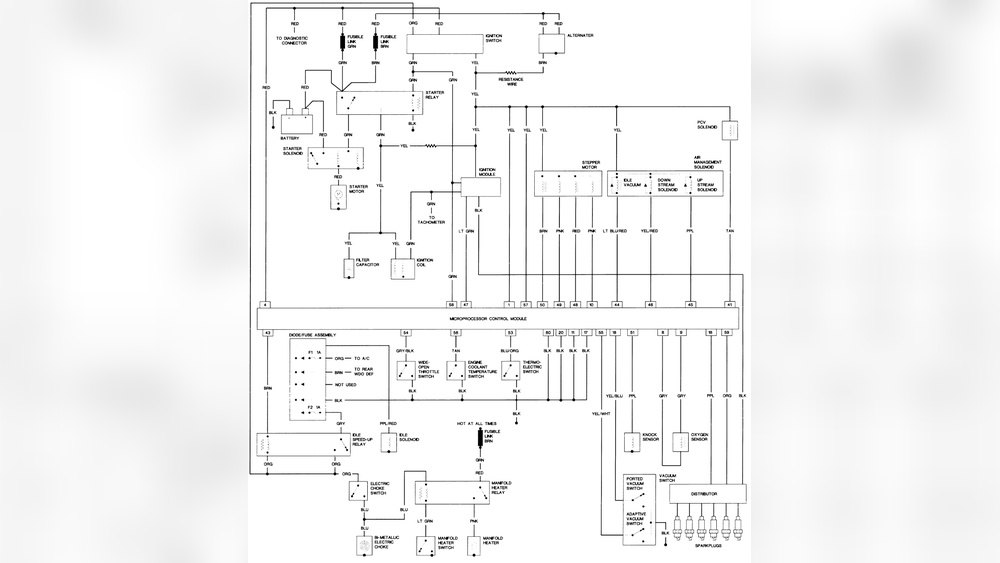
The 1995 Wrangler (YJ generation) uses mostly analog wiring, with fewer computers than modern vehicles. This is good news—it means you can often diagnose and fix issues with basic tools and some patience.
However, skipping the wiring diagram can lead to mistakes, especially when wires are old, colors have faded, or previous owners made changes.
How To Read A Wiring Diagram
Before working on your Jeep, it helps to know how to read a wiring diagram. Here are a few basics:
- Wires are shown as lines. The color code for each wire is usually labeled (for example, BK for black, RD for red).
- Components like switches, relays, or lights are shown as symbols. A legend is often provided on the diagram.
- Connectors are marked with numbers or letters.
- Ground points are usually shown as a triangle or line going to a chassis symbol.
If you are new to this, start by finding the battery and main fuse box on the diagram. Trace the power flow from the battery to the ignition, then to the main circuits.
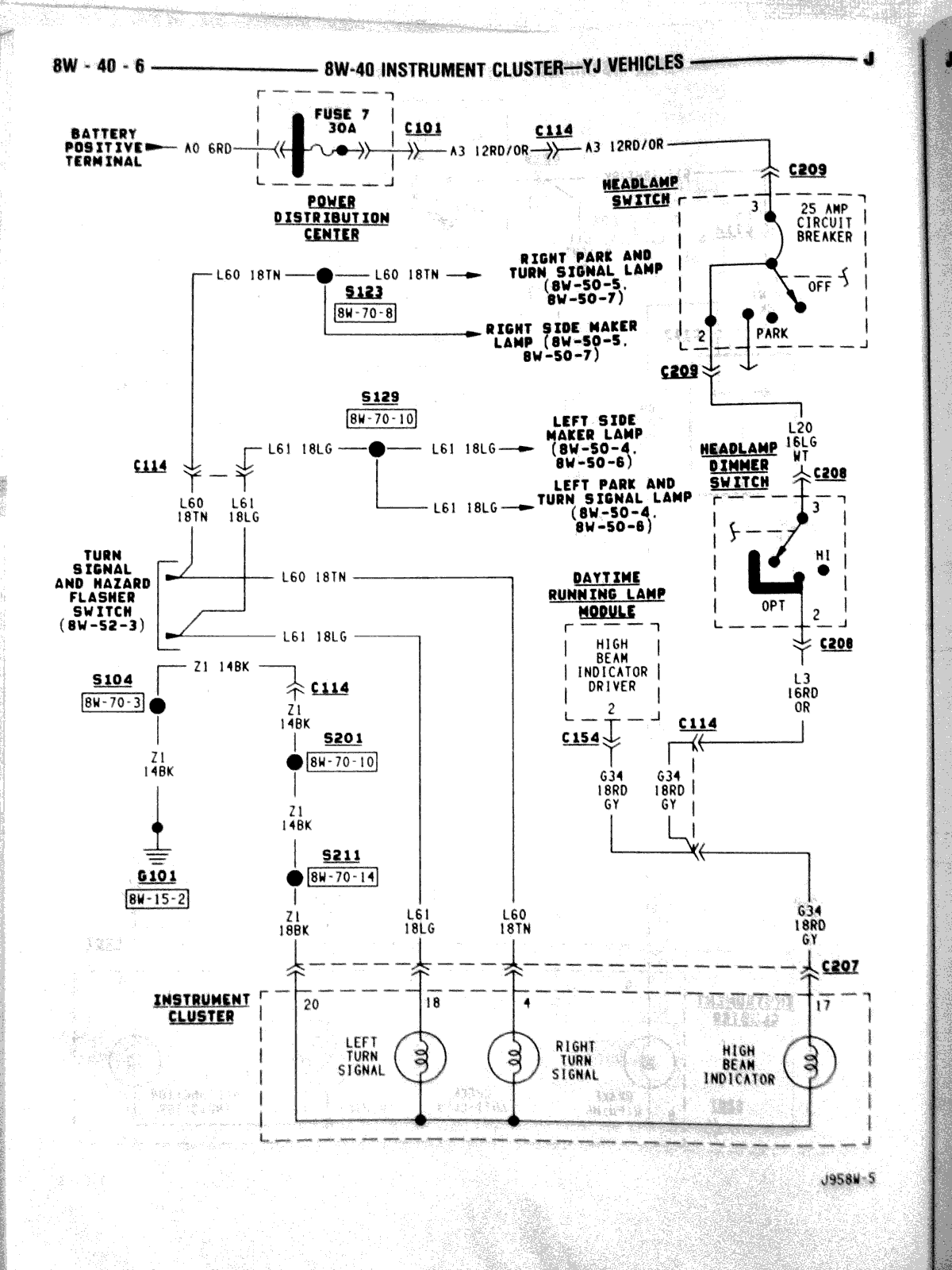
Main Sections Of The 1995 Jeep Wrangler Wiring Diagram
The Wrangler’s wiring is organized into several main sections. Each handles a group of related components. Let’s break down the most important sections.
Power Distribution
All electrical power begins at the battery. From there, it goes to the fuse box (also called the Power Distribution Center or PDC). Fuses and relays protect each circuit from overloading or short circuits.
Key components in power distribution:
- Battery
- Alternator
- Fuse box
- Starter relay
- Ignition switch
Engine And Starting System
The engine wiring harness connects the starter, alternator, ignition coil, and sensors like the oil pressure switch and coolant temperature sensor. These wires must be in good shape for the Jeep to start and run reliably.
Common connections:
- Starter motor (thick cable from battery)
- Ignition coil (for spark)
- Sensors (oil, temperature, oxygen)
- Alternator (for charging)
Lighting System
The lighting system includes headlights, taillights, turn signals, and brake lights. Each light circuit has its own fuse and switch.
Lighting subsystems:
- Headlights (high/low beam)
- Parking lights
- Turn signals
- Brake lights
- Dash panel lights
Instrument Cluster And Gauges
The instrument cluster shows you data like speed, fuel level, engine temperature, and oil pressure. Each gauge has a dedicated wire, often running to a sensor on the engine or fuel tank.
Hvac And Blower Motor
The heater, vents, and fan are powered by their own circuit. The blower motor is usually controlled by a rotary switch and a resistor pack that changes the fan speed.
Accessory Circuits
Accessories include the radio, cigarette lighter, horn, and extra power outlets. These circuits are often fused separately to prevent damage if you add or change accessories.
Color Codes And Wire Identification
The wiring diagram for the 1995 Wrangler uses two- or three-letter color codes. Here’s a quick reference for common colors:
- BK: Black (ground)
- RD: Red (power)
- WT: White
- DG: Dark Green
- YL: Yellow
- OR: Orange
Understanding these codes helps you match diagram lines to real wires under your Jeep’s dashboard or hood.
Common Problems The Wiring Diagram Can Solve
If your Wrangler’s lights don’t work, the starter clicks but does not turn, or a gauge reads wrong, the wiring diagram helps you find the problem fast. Trace the circuit from power source to component. Look for:
- Blown fuses
- Loose or corroded connectors
- Damaged or cut wires
- Faulty switches or relays
Many owners miss hidden ground connections. If a circuit has power but doesn’t work, check for a broken ground wire or corroded ground point.
Table: Fuses And Relays In The 1995 Jeep Wrangler
The fuse box is key for troubleshooting. Here’s a summary of common fuses and relays:
| Fuse/Relay | Amperage | Protected Circuit |
|---|---|---|
| Ignition | 20A | Ignition switch, fuel system |
| Headlight | 15A | Headlights (high/low) |
| Blower Motor | 25A | HVAC fan |
| Radio | 10A | Radio, clock |
| Horn Relay | – | Horn circuit |
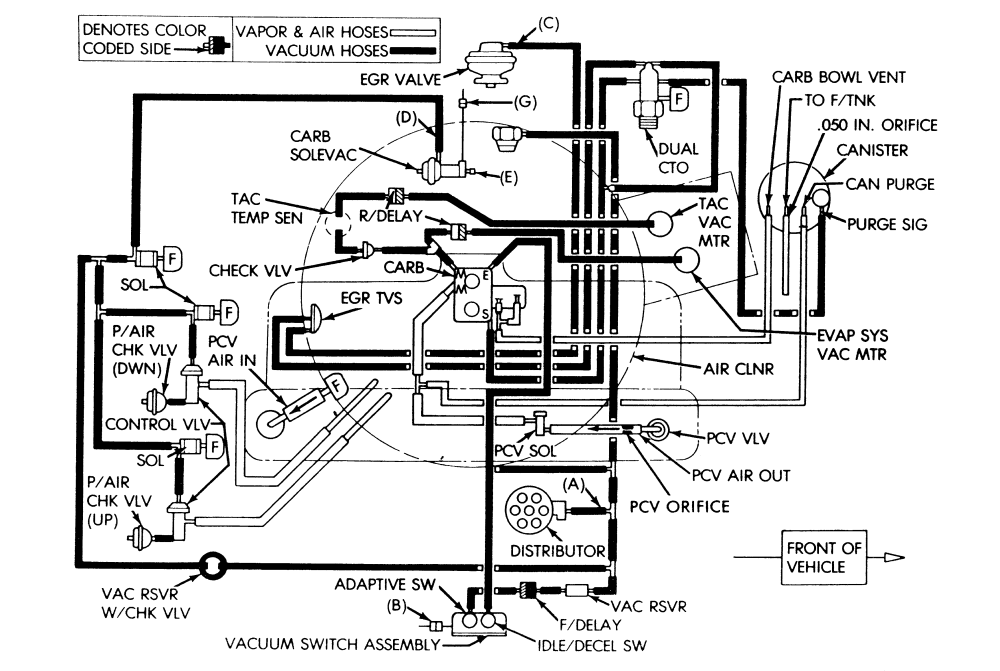
Example: Fixing A Headlight Problem
Suppose your Wrangler’s headlights don’t work. Here’s a practical way to use the wiring diagram:
- Find the headlight circuit on the diagram. It shows the wire color, fuse, and switch.
- Check the headlight fuse in the fuse box. If blown, replace it.
- If fuse is good, test for power at the headlight connector with a test light.
- If no power, trace back to the headlight switch on the dashboard.
- If power is at the switch but not at the light, the wire is damaged or the connector is loose.
A common mistake is to replace the bulb or switch without checking the fuse or wiring. The diagram saves time by showing you the order of components.
Table: Wire Color Codes And Their Functions
Understanding wire colors helps you identify circuits quickly.
| Wire Color | Common Function |
|---|---|
| BK (Black) | Ground |
| RD (Red) | Main power |
| DG (Dark Green) | Lighting circuits |
| WT (White) | Sensor signals |
| YL (Yellow) | Accessory power |
Table: Main Ground Points In The 1995 Wrangler
Ground points are critical for proper function.
| Location | Components Grounded |
|---|---|
| Firewall (engine side) | Engine sensors, ignition |
| Chassis near battery | Main battery ground |
| Driver footwell | Dash switches, radio |
| Rear frame rail | Taillights, fuel pump |
Tips For Using Wiring Diagrams Effectively
Many Jeep owners overlook these helpful tips:
- Print the diagram in color if possible. It’s much easier to trace circuits.
- Use highlighters to mark the circuit you are working on.
- If a wire’s color is faded or dirty, use a multimeter to confirm it matches the diagram.
- Take photos before unplugging connectors—this helps you remember where each wire goes.
- Always disconnect the battery before doing electrical work to prevent shorts.
Common Mistakes And How To Avoid Them
Some mistakes happen again and again:
- Replacing parts without checking the wiring first
- Ignoring ground connections (the most overlooked cause of electrical problems)
- Using the wrong gauge wire when making repairs
- Not labeling wires during repairs or upgrades
To avoid these, follow the diagram step by step. Keep notes of any changes, and use the right tools (like a test light, multimeter, and wire strippers).
Where To Find Official Wiring Diagrams
The best wiring diagrams come from factory service manuals. These are detailed and accurate. Many online forums offer copies, but always check for quality. A trusted source is the official Jeep service manual or resources like Jeep Forum for advice from experienced owners.
Real-world Example: Adding An Accessory
Suppose you want to add a LED light bar. The wiring diagram helps you:
- Find an accessory power source (often the cigarette lighter or accessory fuse)
- Add a relay and fuse for safety
- Route wiring away from moving parts or heat sources
- Ground the new accessory at a factory ground point
Never tap directly into headlight or ignition wires without understanding the circuit. Overloading a circuit can cause electrical fires or damage.
Upgrades And Modifications
Many Wrangler owners add aftermarket radios, off-road lights, or winches. The wiring diagram is essential for these upgrades. Look for:
- Unused fuse slots for new accessories
- Correct wire gauge for high-power devices
- Factory ground points strong enough for added load
Two insights beginners often miss:
- The Jeep’s alternator can only supply so much power. Too many accessories can overload the system.
- The factory harness is not designed for heavy loads. Always use a relay for high-current accessories.
Wiring Diagram Symbols Explained
It’s easy to get lost in symbols. Here are some you’ll see often:
- A circle with a letter (like “L” for light)
- Zigzag line for a resistor
- Open/closed gaps for switches
- Arrow for a diode (protects against backflow)
If you’re ever unsure, check the legend on the diagram or search for the symbol online.
When To Call A Professional
Some electrical jobs are simple, but others are risky or require special tools. If you see burned wires, repeated blown fuses, or electrical smells, call a professional. Electrical fires are dangerous and can destroy your Jeep.
Frequently Asked Questions
What Is The Most Common Electrical Issue On A 1995 Jeep Wrangler?
The most common issue is a bad ground connection. This can cause many problems, like lights that don’t work, slow cranking, or gauges that act strangely.
Where Can I Get A Wiring Diagram For My 1995 Wrangler?
The best source is the factory service manual. You can also find reliable diagrams on Jeep forums or automotive repair websites.
Why Are My Headlights Dim, Even After Changing The Bulbs?
Often, corroded connectors or weak grounds are the cause, not the bulbs. Clean all connections and check the wiring diagram for the ground path.
Can I Use The Same Wire Gauge For All Repairs?
No, always use the correct wire gauge as shown in the diagram. Too-small wires can overheat and cause fires.
Is It Safe To Add New Accessories To My Wrangler’s Electrical System?
Yes, but only if you use a dedicated fuse and relay for each accessory. Never overload the factory circuits.
A wiring diagram is a powerful tool for any Wrangler owner. With some patience and careful study, you can solve most electrical problems, make safe upgrades, and keep your classic Jeep on the road for years to come.