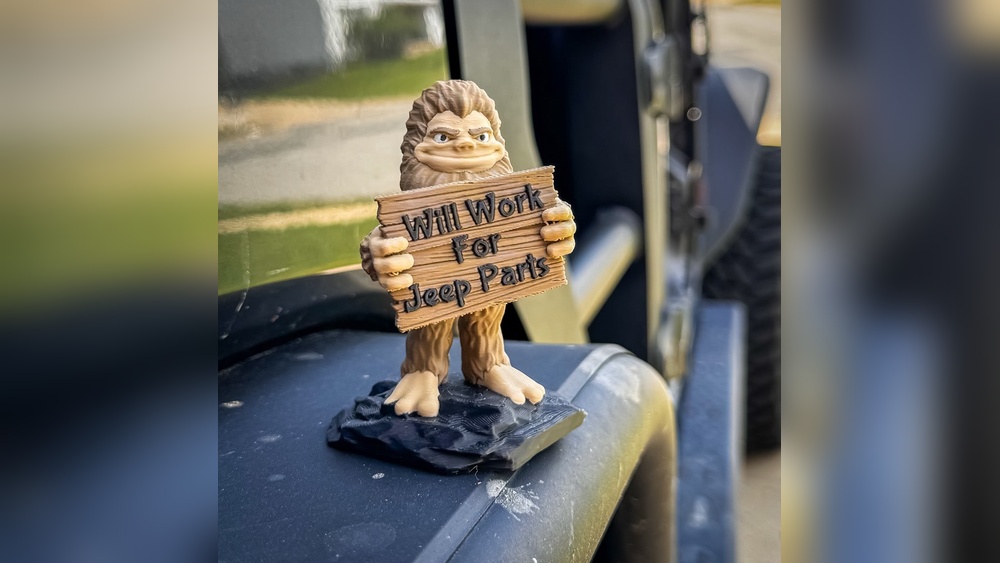
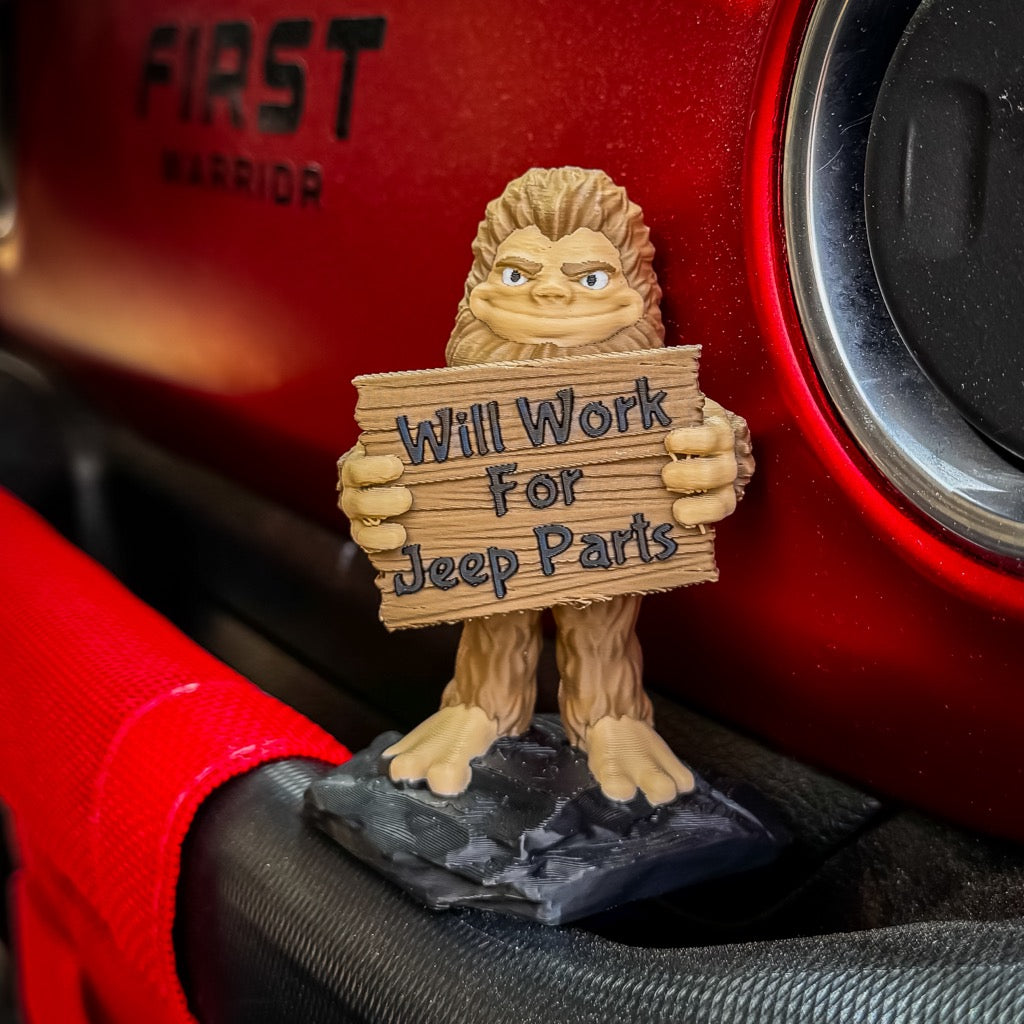
If you drive a Jeep, you know the thrill of adventure and the pain of repairs. The phrase “Will Work For Jeep Parts” is not just a funny bumper sticker—it’s a real feeling for many Jeep owners.
Jeeps are tough, but they need regular care. Whether you love off-roading or just drive to work, keeping your Jeep in top shape means hunting for parts, sometimes on a budget.
This guide will help you understand the world of Jeep parts, how to find them, and what to look out for.
Why Jeep Parts Matter
Jeeps are built for rugged use. The Wrangler, Cherokee, and Grand Cherokee are famous for their durability, but they all need maintenance. Every Jeep owner faces these challenges:
- Wear and tear: Off-roading, mud, and rocks can damage suspension, tires, and body panels.
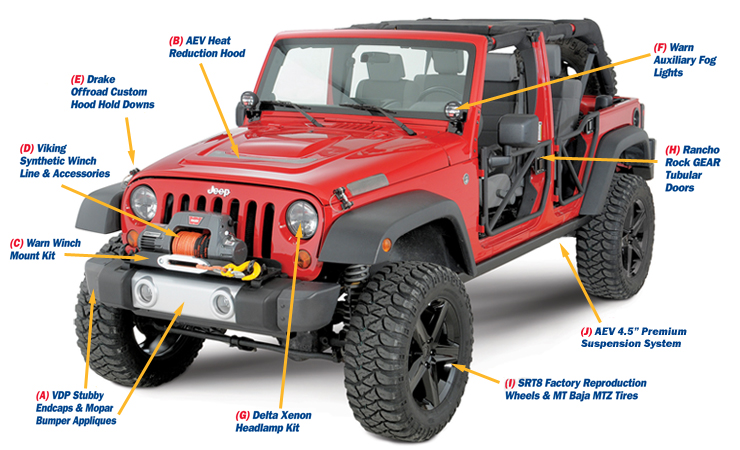
- Customization: Many drivers upgrade with lift kits, bigger wheels, or winches.
- Age: Older Jeeps need replacement parts more often.
According to a 2023 survey from the Specialty Equipment Market Association, over 60% of Jeep owners invest in aftermarket parts or accessories each year. This shows how important parts are to the Jeep community.
Where To Find Jeep Parts
Finding affordable, quality Jeep parts takes some effort. Here are the main sources:
- Online stores: Websites like Quadratec, ExtremeTerrain, and eBay offer new and used parts. Prices vary, and shipping can be expensive for heavy items.
- Local junkyards: Salvage yards often have used parts at low prices. You might have to remove the part yourself.
- Jeep forums and groups: Online communities share advice and sometimes sell parts directly.
- Auto parts stores: Chain stores like AutoZone and O’Reilly stock common parts, but not always rare ones.
- Specialty shops: Some shops focus only on Jeeps and offer expert advice.
Comparison Of Popular Jeep Parts Sources
| Source | Price Range | Part Condition | Expert Advice |
|---|---|---|---|
| Online Stores | $ – $$$ | New/Used | Limited |
| Junkyards | $ | Used | No |
| Specialty Shops | $$$ | New | Yes |

Choosing The Right Jeep Parts
Not all parts are the same. Here’s what to consider:
- OEM vs Aftermarket: OEM (Original Equipment Manufacturer) parts come from Jeep. Aftermarket parts are made by other companies. OEM is usually more expensive but fits perfectly. Aftermarket can be cheaper and offer more options.
- Used vs New: Used parts save money, but may not last as long. New parts cost more but come with warranties.
- Compatibility: Make sure the part fits your Jeep’s year and model. Check online catalogs or ask experts.
- Quality: Look for trusted brands like Mopar, Crown Automotive, and Rugged Ridge.
Oem Vs Aftermarket Parts
| Type | Price | Warranty | Fit |
|---|---|---|---|
| OEM | High | Yes | Perfect |
| Aftermarket | Low-Medium | Sometimes | Varies |
Saving Money On Jeep Parts
Many Jeep owners look for deals. Here are some smart ways to save:
- DIY repairs: If you can install parts yourself, you save on labor costs.
- Group buys: Jeep clubs sometimes organize bulk purchases for discounts.
- Seasonal sales: Watch for Black Friday or holiday sales on parts websites.
- Refurbished parts: Some shops sell rebuilt parts that work like new.
A non-obvious tip: Check for local Jeep events or swap meets. Sellers often offer lower prices in person, and you can inspect parts before buying.
Common Mistakes When Buying Jeep Parts
Even experienced owners can make mistakes. Here are two common ones:
- Ignoring part numbers: Always double-check the part number. A small difference can mean the part won’t fit your Jeep.
- Skipping reviews: Don’t just trust the lowest price. Read reviews to avoid parts that break quickly or don’t fit well.
Another insight: Some buyers forget about shipping costs, which can be high for heavy items like axles or bumpers. Always check total cost before ordering.
When To Work For Jeep Parts
The saying “Will Work For Jeep Parts” is real for many. Here are situations where it makes sense:
- Limited budget: If you can’t afford new parts, offer labor in exchange. Some shops or Jeep clubs accept help with repairs or cleaning for store credit.
- Building skills: Working for parts teaches you how to fix your Jeep and saves money.
- Community support: Jeep groups often help members with parts swaps or hands-on help.
Essential Jeep Parts Every Owner Needs
Certain parts are more likely to need replacing. These are the most common:
- Brake pads and rotors
- Suspension components (shocks, bushings)
- Tires
- Belts and hoses
- Battery
- Air and oil filters
- Headlights and taillights
Having these parts in good condition keeps your Jeep reliable, safe, and ready for adventure.
Jeep Parts: Data And Trends
According to the US Department of Transportation, the average Jeep vehicle is 11.4 years old. Older Jeeps need more repairs, so demand for parts is rising. Over the past five years, Jeep aftermarket sales have grown by 12% annually. This shows how many drivers upgrade and repair their vehicles.
Another interesting fact: Used Jeep parts are 40–60% cheaper than new OEM parts, but last 30–50% less on average.
Jeep Parts Price Comparison (2024)
| Part | New OEM Price | Used Price |
|---|---|---|
| Brake Pads | $80 | $40 |
| Shock Absorber | $120 | $60 |
| Headlight | $150 | $75 |
For more data on Jeep parts and trends, visit SEMA.
Frequently Asked Questions
What Jeep Models Are Easiest To Find Parts For?
Wrangler and Cherokee models are most popular, so parts are easy to find. Rare Jeeps like the Comanche or older CJ models may be harder.
How Can I Check If A Jeep Part Fits My Vehicle?
Always check the part number and compare with your Jeep’s VIN. Most online stores have compatibility tools.
Is It Safe To Buy Used Jeep Parts?
Yes, if you inspect for damage and buy from trusted sellers. Avoid buying safety parts (like brakes) used unless you trust their condition.
What Brands Are Best For Aftermarket Jeep Parts?
Mopar, Crown Automotive, and Rugged Ridge are known for quality. Always check reviews before buying.
Can I Install Jeep Parts Myself?
Many parts are easy to install with basic tools. Suspension and electrical parts may need professional help if you’re new to repairs.
Keeping your Jeep running strong means finding the right parts at the right price. Whether you’re willing to work for parts or hunt for deals online, understanding your options helps you save money and enjoy your Jeep.
The adventure begins with the right gear—and sometimes, a little extra elbow grease.