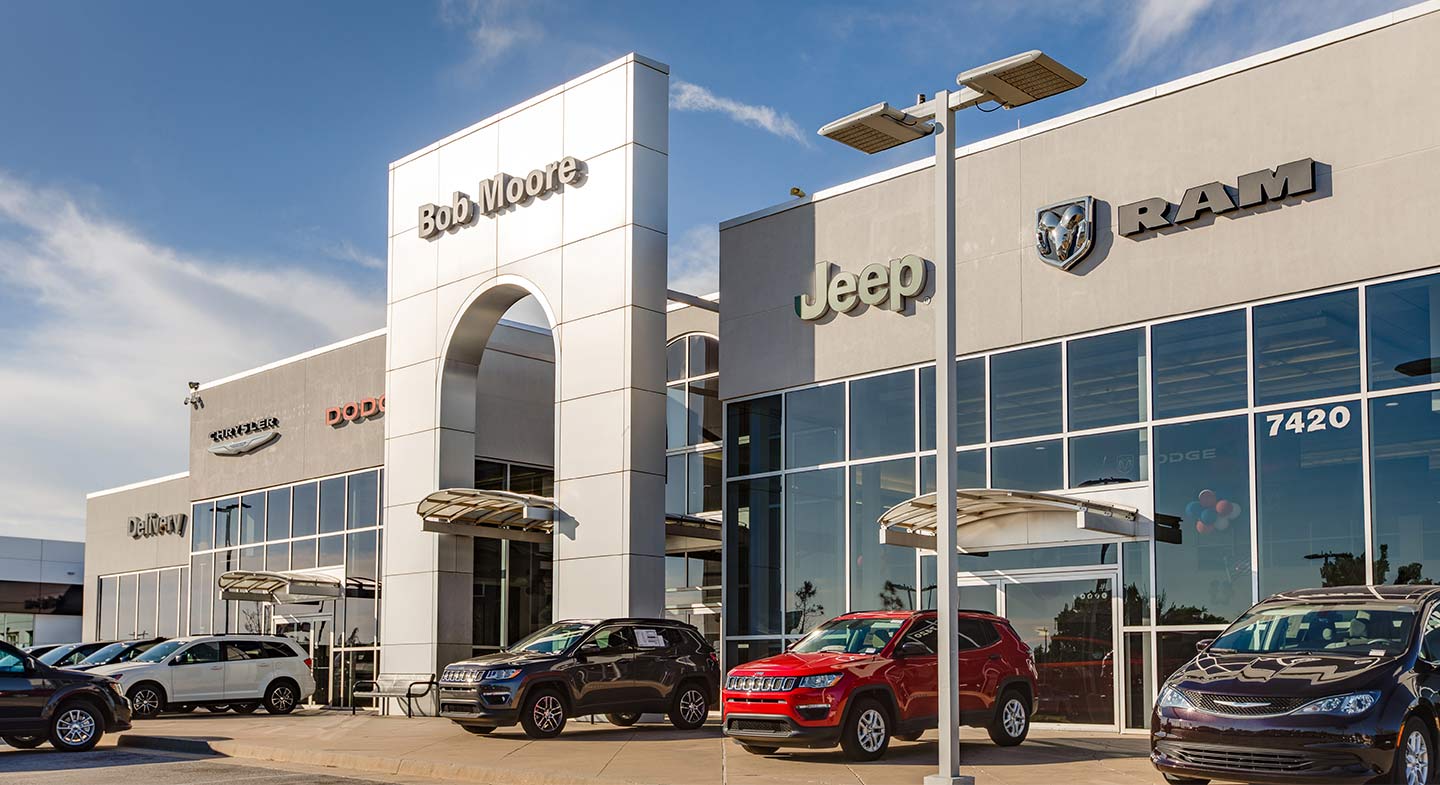
If you own a Jeep or plan to buy one, you might worry about rising costs from tariffs. Tariffs extra taxes on imported goods can change car prices, parts availability, and even the way automakers do business.
Jeep is a well-known brand, famous for rugged SUVs like the Wrangler and Grand Cherokee.
But Jeep’s global supply chain means tariffs could impact both buyers and the company. Let’s explore how tariffs might affect Jeep, using clear examples and simple explanations.

How Tariffs Work In The Auto Industry
Tariffs are government-imposed taxes on imports or exports. For cars, tariffs can be placed on imported vehicles, parts, or raw materials like steel and aluminum.
When tariffs increase, costs go up for automakers and often for customers as well.
For example, if the US adds a 25% tariff on cars from Europe, a Jeep made in Italy could cost much more in America. Likewise, if China puts tariffs on US-made cars, Jeep exports to China might drop.
Jeep’s Global Production
Jeep builds vehicles in several countries:
- USA: Most Wranglers and Cherokees
- Italy: Renegade and some Compass models
- Mexico: Some Compass and Gladiator models
- China: Local versions for Chinese market
This global footprint means Jeep is exposed to tariffs in many regions. If tariffs go up, Jeep faces higher costs for moving cars across borders.
Jeep And Recent Tariff Changes
Recent years have seen changes in US, China, and EU tariffs. Here’s how Jeep could be affected:
Us Tariffs On Steel And Aluminum
In 2018, the US placed tariffs on imported steel (25%) and aluminum (10%). Jeep uses a lot of these materials in its vehicles. This raised manufacturing costs.
| Material | Pre-Tariff Price | Post-Tariff Price | Impact on Jeep |
|---|---|---|---|
| Steel | $700/ton | $875/ton | Higher production cost |
| Aluminum | $1,900/ton | $2,090/ton | More expensive parts |
China-us Trade Tensions
China raised tariffs on US-made cars from 15% to 40% in 2018, then lowered them back to 15% in 2019. Jeep’s exports to China dropped when tariffs were high.
Eu Tariffs
Europe threatened higher tariffs on US vehicles. Jeep’s Renegade, made in Italy, avoids these, but other models from the US might face added costs.
Will Jeep Prices Rise?
Jeep prices can rise if tariffs increase. Automakers often pass higher costs to buyers.
For example, after the steel tariff, some US car prices rose by $500 to $1,000 per vehicle.
| Model | 2017 Price | 2019 Price | Change |
|---|---|---|---|
| Wrangler | $27,500 | $28,900 | +$1,400 |
| Cherokee | $24,900 | $25,800 | +$900 |
However, not all price increases are due to tariffs. Sometimes, new features or inflation also play a role. Still, tariffs can be a major factor.
Effects On Jeep Buyers
Buying a Jeep could become more expensive if tariffs are raised. Here’s how you might be affected:
- Higher sticker prices: Tariffs can push up retail prices.
- Fewer discounts: Jeep dealers may offer fewer sales if margins shrink.
- Limited choices: Some models may be harder to find if imports slow down.
- Delay in delivery: Tariffs can disrupt supply chains, causing longer wait times.
It’s smart to check where your Jeep model is made. US-built Jeeps may be less affected by foreign tariffs, but models made abroad could be pricier.
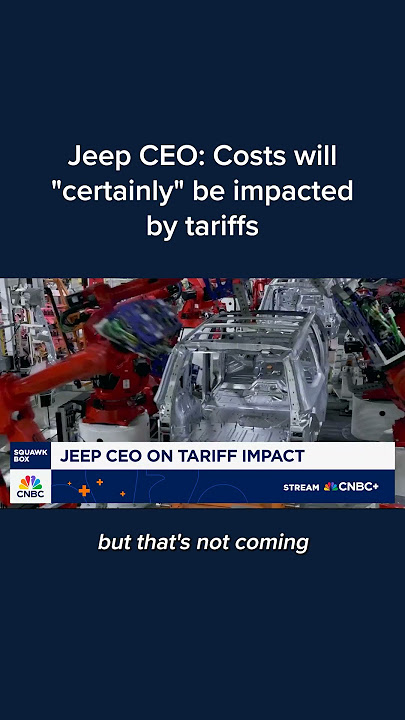
Jeep’s Strategies To Manage Tariffs
Jeep’s parent company, Stellantis, uses several ways to handle tariffs:
- Local production: Building cars in target markets (like China or Europe) avoids import tariffs.
- Supply chain adjustments: Sourcing materials from tariff-free countries can cut costs.
- Passing costs to buyers: Sometimes, Jeep must raise prices to cover tariff expenses.
Stellantis also negotiates with governments and partners to reduce tariff impacts. For instance, it may shift production between countries based on tariff changes.
Two Insights Most Buyers Miss
- Tariffs can affect used Jeep prices too: When new car prices rise, used Jeeps often get more expensive. This happens because demand shifts to used models.
- Parts and repairs get pricier: Tariffs on imported parts mean fixing your Jeep could cost more. Even simple repairs may need parts that now have higher taxes.
These effects are not obvious at first, but they matter for anyone owning or planning to buy a Jeep.
Real-world Example
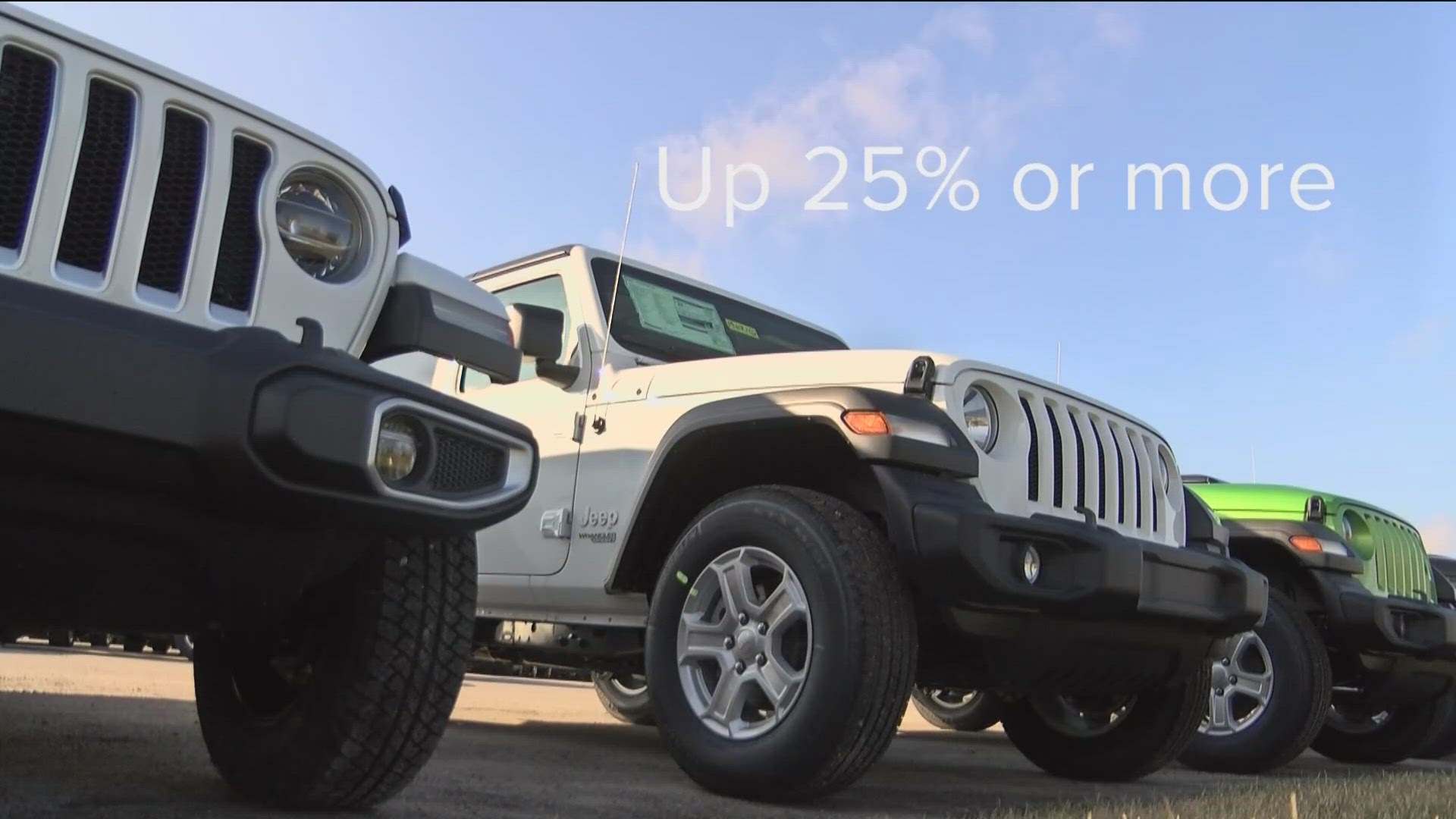
In 2018, Jeep sales in China dropped by over 30% after tariffs increased. Stellantis responded by expanding local production, but it took months to recover sales.
This shows how quickly tariffs can affect both company profits and customer choices.
Comparison: Jeep Vs. Other Brands
Let’s compare Jeep’s tariff exposure with two other automakers.
| Brand | Main Production Countries | Tariff Risk (High/Medium/Low) |
|---|---|---|
| Jeep | USA, Italy, Mexico, China | High |
| Toyota | Japan, USA, Mexico | Medium |
| BMW | Germany, USA, China | High |
Jeep’s global production makes it more exposed to trade changes than some competitors.
What Should Jeep Buyers Do?
If you’re planning to buy a Jeep, consider these tips:
- Check production location: US-made models may be safer from foreign tariffs.
- Watch news about trade policies: Tariff changes can happen quickly.
- Ask dealers about upcoming price changes: Dealers sometimes know before prices go up.
It’s also wise to compare prices across different Jeep models and look for discounts when tariffs are uncertain.
Frequently Asked Questions
What Are Tariffs And How Do They Affect Jeep?
Tariffs are taxes on imports. They make Jeep vehicles and parts more expensive when they cross borders. Jeep passes some of these costs to buyers.
Will Jeep Prices Go Up Because Of Tariffs?
Jeep prices may rise if tariffs are added or increased. How much depends on the model’s production location and the tariff rate.
Are All Jeep Models Affected By Tariffs?
Not all models are equally affected. Models made in the US face fewer tariffs inside America, but imported Jeeps (like the Renegade from Italy) may cost more.
Can Jeep Avoid Tariffs?
Jeep can avoid some tariffs by building cars locally in target markets. But this is not always possible for every model.
Will Tariffs Affect Jeep’s Service And Parts?
Yes. Tariffs on imported parts can make repairs and maintenance more expensive for Jeep owners.
Jeep’s future depends on trade policies and global supply chains. Tariffs can change costs and choices for buyers, but Jeep works to manage these risks. Staying informed helps you make the best decision when buying or owning a Jeep. For more details on tariffs in the auto industry, see CNBC’s auto tariff coverage.