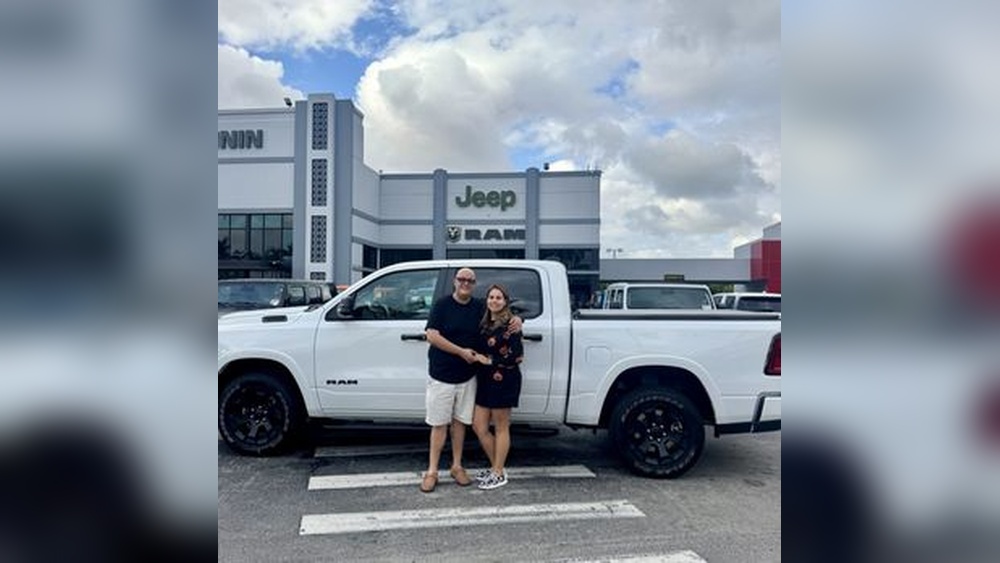
If you’re thinking about swapping wheels between a Jeep and a Chevy, you might wonder: will Jeep 5 lug wheels fit on Chevy 5 lug vehicles? This question comes up often for drivers who want to upgrade their ride’s look, use spare wheels, or save money on new rims. It sounds simple, but the answer is more complex than just counting lug nuts. Let’s break down everything you need to know before you try this swap, including the five key factors that decide if a Jeep 5 lug fits a Chevy 5 lug.
Understanding Bolt Patterns
First, you need to know about bolt patterns. A bolt pattern is described by two numbers: the number of lugs (studs) and the diameter of the circle they form, measured in inches or millimeters. For example, “5×114.3” means 5 lugs in a 114.3mm circle.
Jeep and Chevy both use 5 lug patterns, but not always the same circle size. Most modern Jeeps use 5×114.
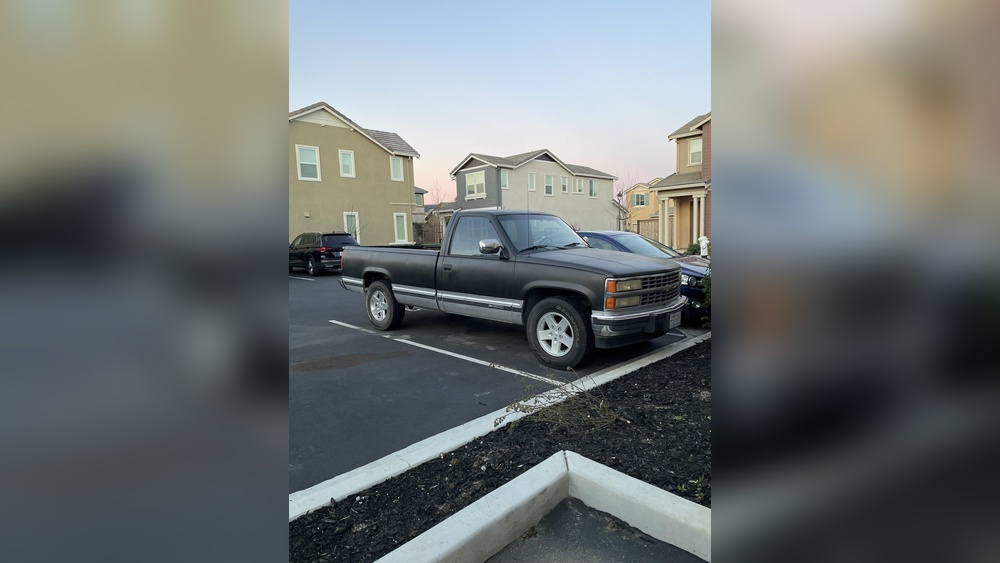
3mm or 5x127mm. Chevy 5 lug trucks often use 5×120.
65mm (also called 5×4. 75 inches).
If the two vehicles have different bolt patterns, the wheels will not fit without adapters.
Here’s a quick comparison:
| Vehicle | Common 5 Lug Pattern |
|---|---|
| Jeep Wrangler (2007+) | 5x127mm |
| Jeep Cherokee/Liberty | 5×114.3mm |
| Chevy S10/Blazer | 5×120.65mm |
| Chevy Silverado (Classic) | 5x127mm (rare) |
Insight: Even if both vehicles have 5 lugs, the circle size must match exactly.
1. Bolt Pattern Compatibility
The first item you must check is bolt pattern compatibility. Measure the bolt circle on both the Jeep and Chevy wheels. If they match, the wheels may fit. If not, you cannot bolt the wheel on directly.
Example: A 5×114.3 Jeep wheel will not fit a Chevy hub with 5×120.65, even though both have 5 lugs.
Non-obvious tip: Some older Chevy cars use the same 5×114.3mm pattern as certain Jeeps. Always check your exact vehicle’s spec sheet.
2. Center Bore Size
Next, check the center bore size. This is the hole in the middle of the wheel. The center bore must be large enough to fit over the hub on the vehicle. If it’s too small, the wheel won’t go on. If it’s too large, you might need hub-centric rings to prevent vibration.
Here’s a quick center bore comparison:
| Vehicle | Typical Center Bore |
|---|---|
| Jeep Wrangler (JK) | 71.5mm |
| Chevy S10 | 70.3mm |
Insight: Even if the bolt pattern matches, the center bore might not. Using hub-centric rings is a safe solution if the bore is too large.
3. Lug Nut Type And Seat
Wheels are designed for a specific lug nut seat—the shape where the nut touches the wheel. There are three main types: conical, mag, and ball seat. Jeep wheels often use conical seats, but some Chevy wheels use ball seats, especially on older models.
If the lug nut seat types don’t match, the wheel may not be safe to use. The nuts might not hold the wheel properly, leading to dangerous driving conditions.
Non-obvious tip: Swapping lug nuts to match is not always enough; the seat shape in the wheel matters just as much.
4. Wheel Offset And Backspacing
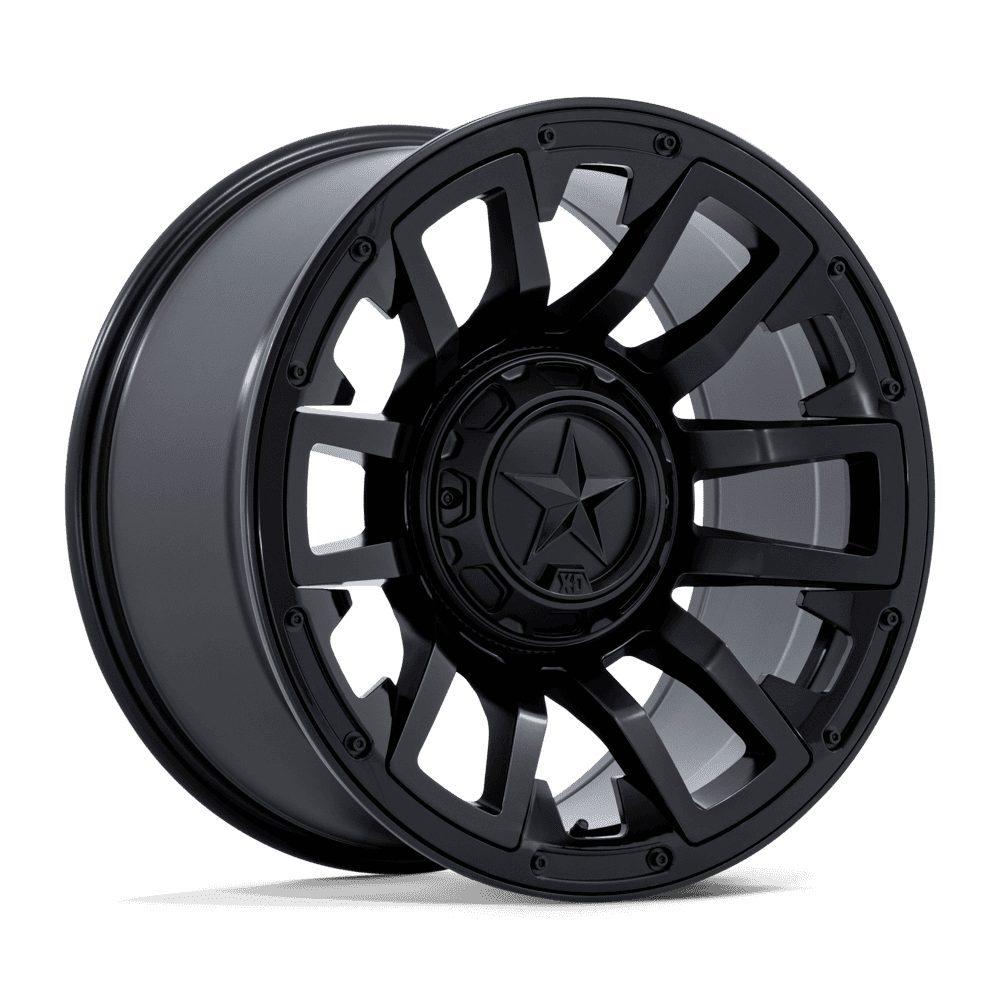
Offset is how far the mounting face of the wheel is from the center line. Backspacing is the distance from the back of the wheel to the mounting face. These measurements affect how far the wheel sticks out or tucks in.
If you use a Jeep wheel with a very different offset on a Chevy, the wheel might rub the fender, suspension, or brake parts. This can cause tire wear, poor handling, or even safety issues.
Here’s a quick offset comparison:
| Vehicle | Typical Offset |
|---|---|
| Jeep Wrangler | +44mm |
| Chevy S10 | +12mm to +20mm |
Insight: Wheels with the wrong offset can sometimes be used with spacers, but this adds cost and complexity.
5. Wheel And Brake Clearance
The last key item is wheel and brake clearance. Some Jeep wheels are designed for larger brake calipers. If your Chevy has bigger brakes, a Jeep wheel with a small diameter or narrow width may not clear the caliper.
Example: Trying to fit a Jeep Liberty wheel (16-inch) on a Chevy truck with large brake rotors may result in the wheel not fitting over the brakes.
Non-obvious tip: Always test-fit wheels before mounting tires to avoid expensive mistakes.
Common Mistakes When Swapping Wheels
Many people forget at least one of these five items:
- Only checking lug count, not the pattern
- Ignoring center bore differences
- Overlooking lug nut seat type
- Failing to measure offset/backspacing
- Not checking brake clearance
Missing any one of these can lead to wasted money or even unsafe driving.
When Will Jeep 5 Lug Fit Chevy 5 Lug?
So, will a Jeep 5 lug fit a Chevy 5 lug? Only if:
- The bolt patterns match
- The center bore is correct (or made correct with rings)
- The lug nut seat matches
- The offset/backspacing is acceptable
- The wheel clears the brakes
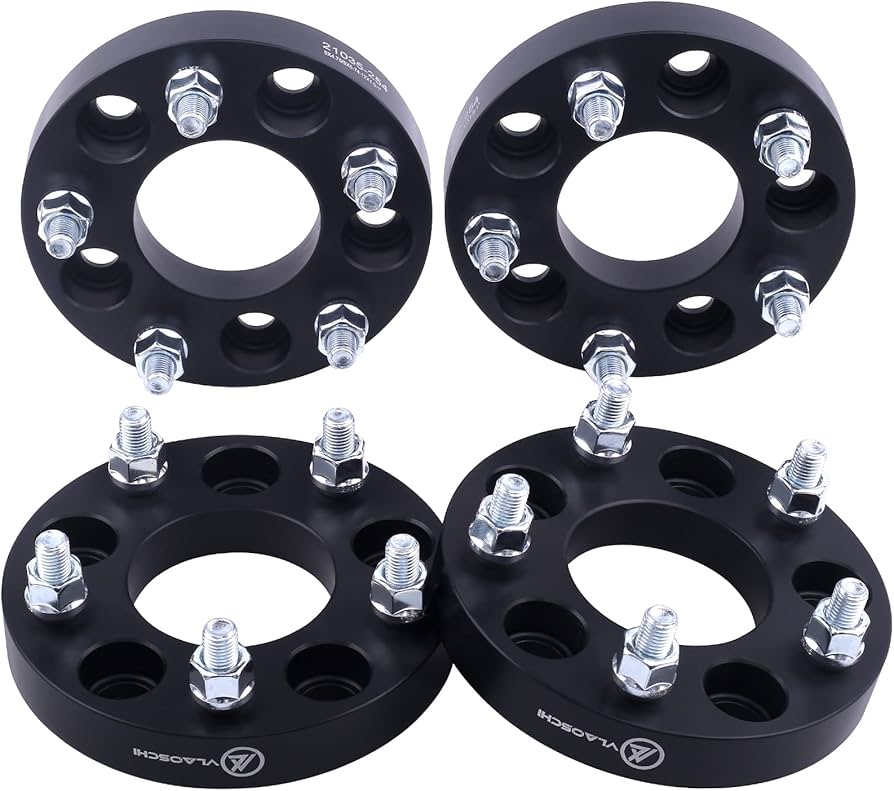
If not, you may need wheel adapters. These can change the bolt pattern and offset, but they add cost and may not be legal everywhere. For more details, check out this guide from Wikipedia.
Final Thoughts
Swapping wheels between Jeep and Chevy vehicles is possible, but only if you check all five key factors. Never assume that “5 lug” is enough.
Take your time to measure and compare, and always test-fit before buying. This careful approach saves money and keeps you safe on the road.
Frequently Asked Questions
What Is A Bolt Pattern, And Why Does It Matter?
A bolt pattern is the arrangement of lug holes on a wheel. Both the number of holes and the circle’s diameter must match your vehicle for the wheel to fit.
Can I Use Adapters To Fit Jeep Wheels On A Chevy?
Yes, wheel adapters can change the bolt pattern and sometimes the offset. However, they add thickness and may not be legal in all states.
Is It Safe To Use Wheels With A Larger Center Bore?
Wheels with a larger center bore can be used with hub-centric rings. This centers the wheel and reduces vibration. Never use wheels with a smaller center bore than your hub.
Do All 5 Lug Jeeps And Chevys Use The Same Size Lug Nuts?
No, lug nut size and seat type vary by model and year. Always use the correct nuts and check the seat shape.
What Happens If The Wheel Offset Is Wrong?
Wrong offset can cause the wheel to stick out or tuck in too much, leading to rubbing, poor handling, or unsafe driving. Always compare offsets before swapping wheels.