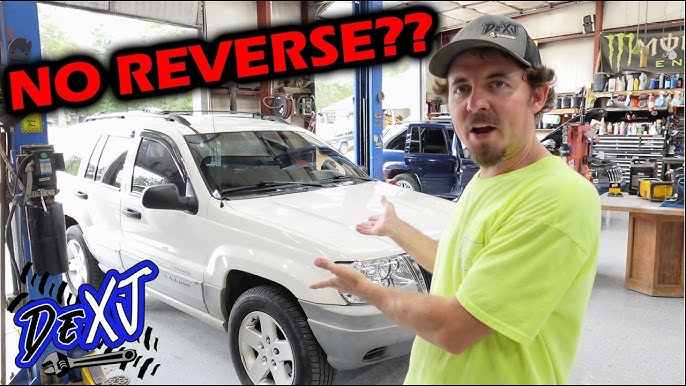
If your Jeep won’t go in reverse, you’re not alone. Many Jeep owners run into this problem, and it can be both confusing and stressful.
Sometimes, the issue is simple and easy to fix. Other times, it signals a deeper mechanical problem.
Understanding why your Jeep refuses to shift into reverse can save time, money, and frustration.
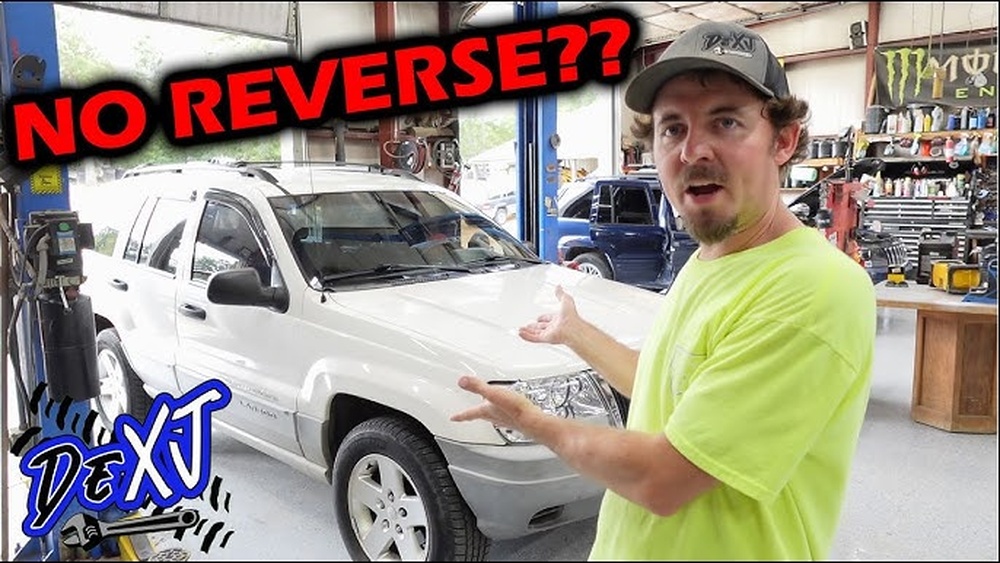
Let’s break down the main reasons this happens, how to diagnose the issue, and what you can do next.
Common Reasons Your Jeep Won’t Go In Reverse
Several parts work together to make your Jeep shift gears. When even one of them fails, reverse can stop working. Here are the most common causes:
1. Low Or Dirty Transmission Fluid
Transmission fluid is essential for smooth gear changes. If the fluid is low or dirty, the transmission may fail to engage reverse.
- Symptoms: Delayed shifting, slipping gears, whining sounds.
- Fix: Check the fluid level and color. It should be pink or red, not brown or black.
2. Faulty Shift Linkage
The shift linkage connects your gear shifter to the transmission. If it’s misaligned or broken, reverse may not engage.
- Symptoms: Gear shifter feels loose or doesn’t move into reverse.
- Fix: Inspect and adjust or replace the linkage as needed.
3. Worn-out Clutch (manual Jeeps)
Manual Jeeps use a clutch to shift gears. If the clutch is worn or not fully releasing, reverse won’t engage.
- Symptoms: Grinding noise when shifting, reverse feels blocked.
- Fix: Adjust or replace the clutch.
4. Damaged Reverse Gear Or Synchro
Inside the transmission, the reverse gear or its synchronizer can wear out or break. This is a more serious issue.
- Symptoms: Reverse grinds or refuses to engage, all other gears work fine.
- Fix: Transmission rebuild or replacement may be needed.
5. Faulty Transmission Control Module (tcm)
Modern Jeeps use electronics to control shifting. A bad TCM can block reverse.
- Symptoms: “Check engine” light, erratic shifting, codes stored in the ECU.
- Fix: Scan for codes, repair wiring, or replace the TCM.
6. Physical Obstructions
Sometimes, debris gets lodged under the vehicle or the shifter. This can block the gear lever.
- Symptoms: Shifter won’t move fully into reverse.
- Fix: Inspect under and around the shifter for objects blocking movement.
How To Diagnose The Problem
It helps to know whether your Jeep has an automatic or manual transmission. Diagnosis steps are a bit different for each.
| Step | Automatic Transmission | Manual Transmission |
|---|---|---|
| 1 | Check fluid level | Check clutch function |
| 2 | Listen for noises when shifting | Listen for grinding or blocking |
| 3 | Scan for error codes | Test shifter movement |
| 4 | Inspect linkage and cables | Inspect linkage and clutch cable |
A simple check you can do: With the engine off, try shifting into reverse. If it works smoothly, but doesn’t engage when the engine is running, your clutch or fluid is likely at fault.
Jeep Transmission Issues: Automatic Vs. Manual
Jeeps come with both automatic and manual transmissions. Each type has its own set of common problems when reverse fails.
| Issue | Automatic Transmission | Manual Transmission |
|---|---|---|
| Low/Dirty Fluid | Very common | Less common |
| Worn Clutch | Not applicable | Common |
| Faulty Linkage | Possible | Possible |
| Damaged Reverse Gear | Possible | Possible |
| Electronic Fault | Common | Rare |
What To Do If Your Jeep Won’t Go In Reverse
Act quickly to prevent further damage. Here’s what you should do:
- Stop driving if you hear grinding or smell burning.
- Check the transmission fluid. Top up if low, but don’t overfill.
- Inspect the shifter and area around it for debris.
- Try shifting with the engine off to test for clutch or linkage issues.
- Scan for error codes using an OBD-II scanner.
- If you’re not sure, visit a mechanic. Driving with a damaged transmission can be expensive.
Non-obvious Insights Beginners Miss
Many first-time Jeep owners overlook the age of the transmission fluid. Even if the fluid level is correct, old or contaminated fluid can cause reverse to fail. It’s wise to change the fluid every 30,000–60,000 miles, depending on your Jeep model.
Another missed detail: Temperature affects transmission performance. If your Jeep shifts fine when cold but reverse fails when hot, internal components may be expanding due to wear. This points to internal damage and not just a simple fix.
Repair Costs And What To Expect
Transmission repairs can get expensive. Here’s a rough breakdown for common fixes:
| Repair | Estimated Cost (USD) |
|---|---|
| Transmission fluid change | $100 – $250 |
| Shift linkage repair | $150 – $300 |
| Clutch replacement | $900 – $1,500 |
| Transmission rebuild/replacement | $2,000 – $4,500 |
| TCM replacement | $400 – $1,000 |
These costs can vary by region and Jeep model. Always ask for a quote before authorizing repairs.
Frequently Asked Questions
Why Does My Jeep Go Forward But Not In Reverse?
This usually means the reverse gear or related parts are damaged, or there’s a fluid or linkage issue. Forward gears may work even if reverse is broken.
Can Low Transmission Fluid Cause No Reverse?
Yes. Low or dirty fluid is a leading cause of shifting problems. It can prevent your Jeep from going into reverse and damage the transmission if ignored.
Is It Safe To Drive My Jeep If Reverse Is Not Working?
It’s best not to drive. Missing reverse is a sign of a serious issue. Driving can cause further damage and lead to higher repair costs.
How Do I Check If My Transmission Fluid Is The Problem?
Park your Jeep on level ground, let it idle, and check the fluid dipstick. Look for proper level and color. If it’s dark or smells burnt, change it.
Where Can I Find More Information About Jeep Transmission Problems?
You can find detailed guides and official recall notices on the National Highway Traffic Safety Administration website.
If your Jeep won’t go in reverse, don’t ignore it. Quick action saves money and keeps your vehicle safe. Start with the simple checks and call a professional if the problem continues. Understanding the issue is the first step to getting your Jeep back on the road.