If you own a Jeep, you probably love adventure—off-roading, river crossings, and even driving with the top off. But what if your Jeep gets wet? Whether from rain, a car wash, or a water crossing, water can find its way into places you might not expect.
Understanding what happens next is key to keeping your Jeep in great shape.
How Water Affects Your Jeep
Modern Jeeps are tough and designed to handle rough conditions. But water can still cause problems if it gets into the wrong areas. Some parts of your Jeep handle water well; others do not.
Exterior Vs Interior: What Gets Wet
- The exterior (paint, body panels, tires) usually handles water with no issue.
- The interior (carpet, seats, electronics) is more vulnerable. If water soaks inside, problems can start quickly.
Short-term Vs Long-term Effects
- Short-term: Slight water exposure—like a quick rain shower—usually dries out with no damage.
- Long-term: Water left inside can cause mold, rust, and electrical problems.
Common Problems When Your Jeep Gets Wet
Getting wet doesn’t always mean disaster. But it’s important to know what can go wrong. Here’s what to watch for:
1. Mold And Mildew
If water sits inside your Jeep, mold and mildew can grow. This happens fast in humid or warm weather. You might notice a musty smell or see black spots on fabric.
2. Electrical Issues
Modern Jeeps have many electronic systems—from window controls to sensors under the seats. Water can cause these systems to short-circuit or stop working. Sometimes, issues appear weeks after your Jeep gets wet.
3. Rust And Corrosion
Metal parts exposed to water can rust. This is a bigger problem in older Jeeps or those with scratches where water can reach bare metal. Rust weakens frames, undercarriages, and bolts.
4. Engine And Transmission Damage
If water gets into the engine or transmission (usually from deep water crossings), it can cause serious damage. This is called hydrolock—when water enters the cylinders and stops the engine from turning.
5. Interior Damage
Water can stain or warp seats, carpets, and dashboards. If your Jeep has leather, water spots may appear. Cloth interiors can hold water and dry slowly.
How Different Jeep Models Handle Water
Not all Jeeps are built the same. Here’s a quick comparison of water resistance in popular models:
| Model | Water Fording Depth (inches) | Waterproof Interior? |
|---|---|---|
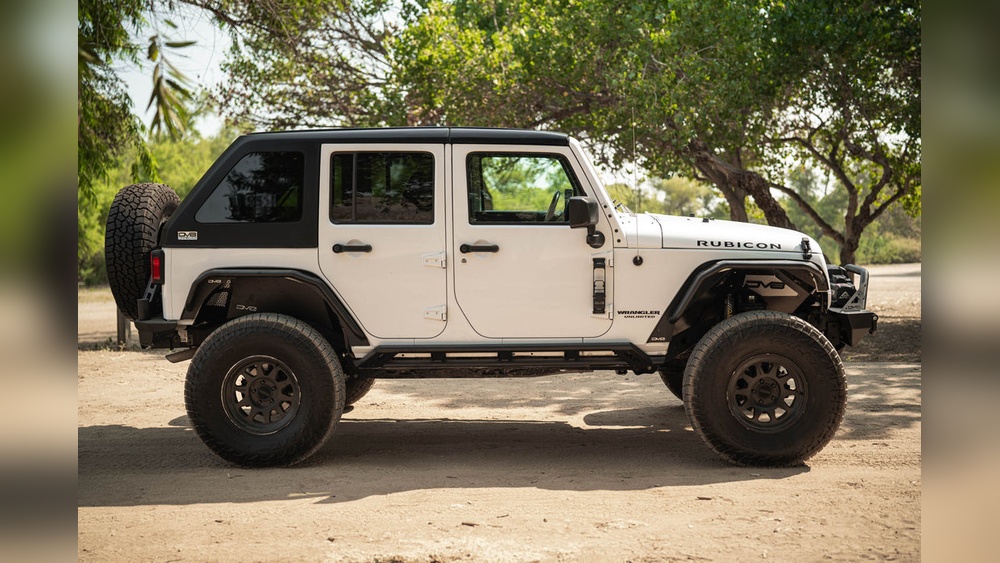
| Wrangler Rubicon | 33.5 | Yes (drain plugs, sealed electronics) |
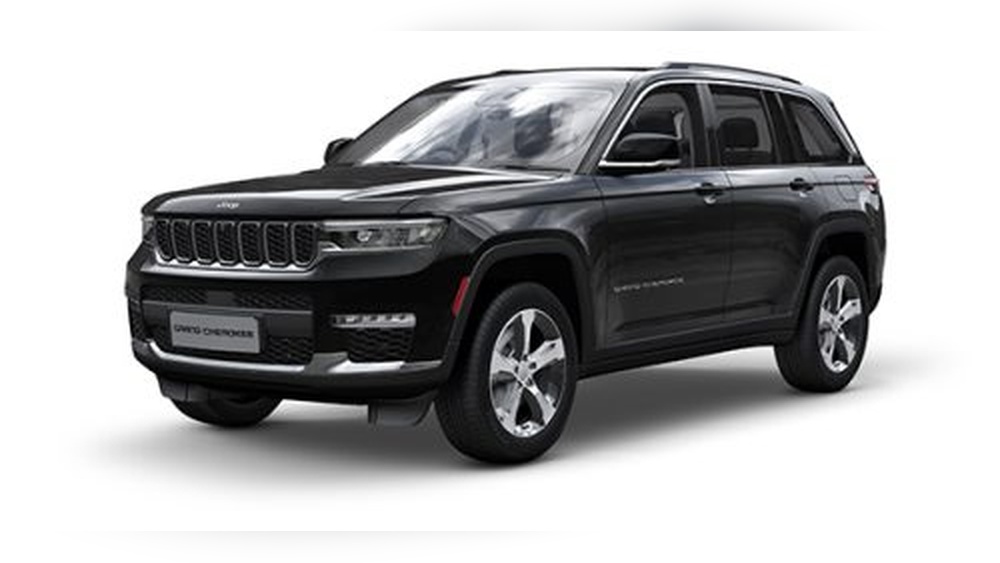
| Jeep Cherokee | 19 | No |
| Jeep Gladiator | 30 | Partial |
Wrangler models are designed for water crossings and have features like drain plugs in the floor. Other models, like the Cherokee, are not meant for deep water.
What To Do If Your Jeep Gets Wet
Step-by-step Recovery
- Act fast: Remove standing water as soon as possible.
- Dry out: Open doors and windows. Use fans or a wet/dry vacuum.
- Remove floor mats and seats: Let them dry outside if possible.
- Check electronics: Test windows, locks, and dashboard lights.
- Inspect for mold or odor: Use a disinfectant if you notice anything.
- Check engine and fluids: If you drove through deep water, look for milky oil or trouble starting.
When To Seek Help
If your Jeep won’t start, or you see warning lights, get it checked by a mechanic. Water in the engine or transmission needs expert care.
Preventing Water Damage
You can’t always avoid rain or puddles, but you can reduce the risk of damage.
Jeep-specific Precautions
- Use all-weather floor mats to protect the interior.
- Keep drain plugs clear in models like the Wrangler.
- Avoid deep water crossings unless your Jeep is designed for it.
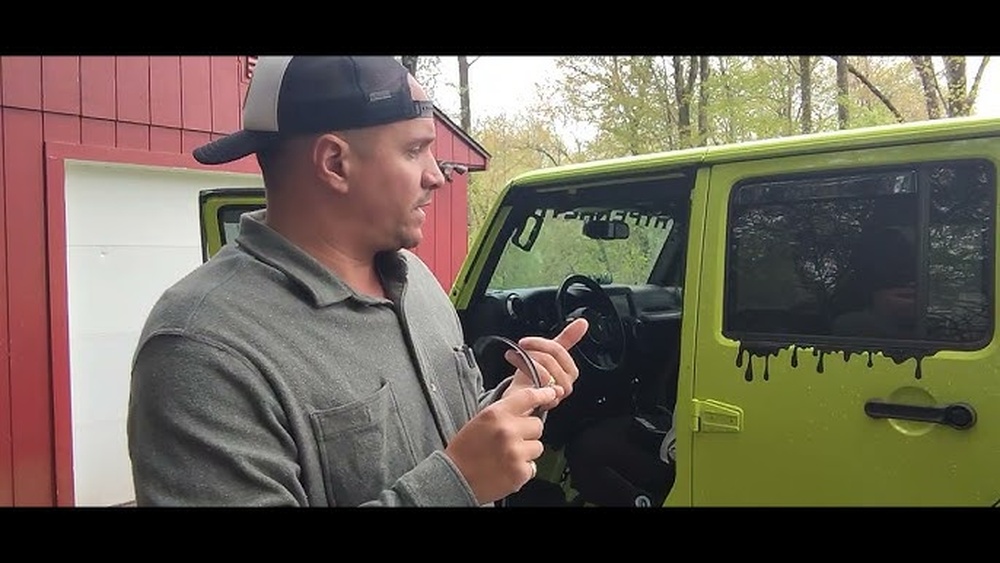
- Check weather stripping on doors and windows for leaks.
Comparing Common Mistakes
Many owners make simple mistakes after their Jeep gets wet. Here’s a quick look:
| Mistake | What Happens | Better Choice |
|---|---|---|
| Leaving wet mats inside | Mold and odor build up | Remove and dry mats ASAP |
| Ignoring warning lights | Hidden electrical problems | Check electronics and visit mechanic |
| Not drying under seats | Corrosion and mold | Lift seats and dry thoroughly |
Real-world Examples
Jeep owners often share stories online about water mishaps. For example, a Wrangler owner in Florida left the roof off during a rainstorm. The interior was soaked, but after removing drain plugs and using fans, the Jeep was fine. In another case, a Cherokee owner drove through a flooded street.
Water entered the cabin and caused electrical faults that cost over $1,500 to repair.
Non-obvious Tips Most Owners Miss
- Check under the carpet: Water can stay trapped here even when the surface feels dry.
- Test all electronics: Some problems only show after a few days of drying out.
- Use a moisture meter: This tool helps you find hidden damp spots.
When Is It Safe To Drive Again?
Never drive your Jeep until you are sure the brakes, engine, and electronics work properly. Wet brakes can fail, and hidden water in the engine may cause serious damage.
When Insurance Covers Water Damage
If your Jeep is damaged by flooding or a storm, comprehensive auto insurance may help. Take photos of the damage and contact your insurer quickly. Most policies cover “acts of nature,” but not all cover water from leaving your top or doors off.
For more details about insurance and water damage, see this NerdWallet guide.
Frequently Asked Questions
What Should I Do First If My Jeep Gets Wet Inside?
Start by removing as much water as possible. Open doors and windows, remove floor mats, and use fans to dry the interior. The faster you act, the less likely you’ll have mold or electrical problems.
Can Water Damage My Jeep’s Electronics?
Yes, especially if water reaches wiring under the seats or dashboard. Problems may not appear immediately. Check all switches and lights, and visit a mechanic if you notice anything odd.
How Do I Prevent Rust After My Jeep Gets Wet?
Dry all metal parts thoroughly. Use a rust inhibitor spray on exposed areas. Clean and check under the seats, carpets, and undercarriage for moisture.
Is It Safe To Drive After A Water Crossing?
Only drive after you’ve checked the brakes, engine, and transmission. If your Jeep stalls in deep water, do not try to restart it—get it towed instead.
Will Insurance Cover Water Damage If I Left My Top Off?
Usually, insurance does not cover water damage from leaving your top or doors off in the rain. Comprehensive policies may help with flood or storm damage, but check your policy details.
Taking quick action and knowing what to watch for will help keep your Jeep in top condition, even when adventure turns a little too wet. Enjoy your Jeep, but always respect what water can do.