If you’re a Jeep owner who loves adventure, you’ve probably heard about “regearing.” Maybe you’re wondering if it’s really necessary or just something for hardcore off-roaders.
The truth is, regearing a Jeep can make a big difference in how your vehicle performs, especially after you add bigger tires or start driving on tough terrain. Let’s break down why regearing matters, when you should consider it, and how it affects your driving experience.
What Does “regearing” Mean?
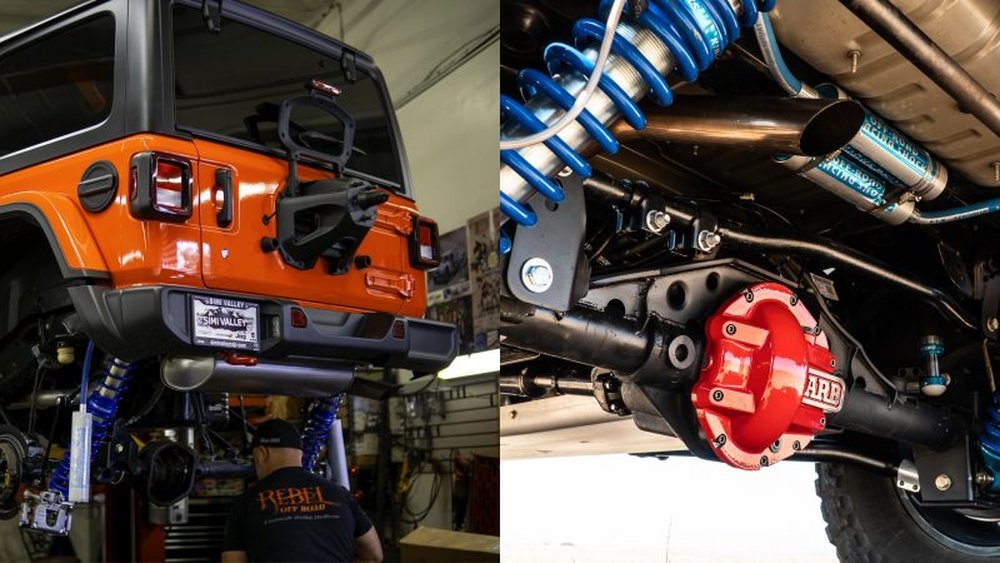
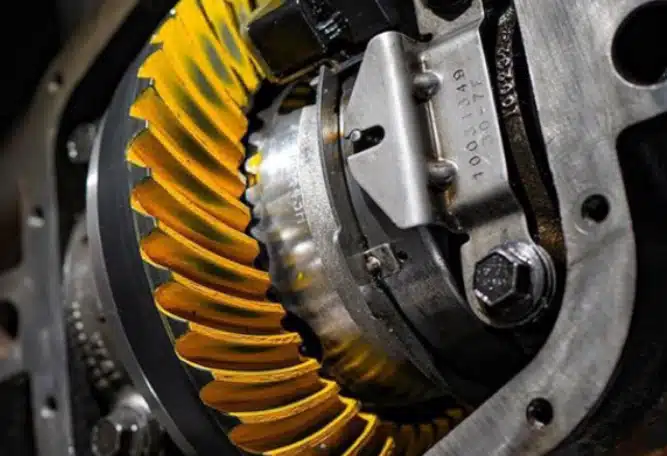
Regearing refers to changing the gear ratio in your Jeep’s axles. Gear ratios control how power moves from the engine to the wheels. When you change the size of your tires, the original gear ratio may no longer be the best match. This can lead to power loss, poor gas mileage, and extra strain on your engine.
For example, a stock Jeep Wrangler JK might come with 3. 21 or 3.
73 axle gears. If you upgrade from 29-inch tires to 35-inch ones, your Jeep now needs more force to turn the wheels, especially at lower speeds.
Regearing fixes this by installing a new set of gears, such as 4. 56 or 4.
88, to restore your Jeep’s power and efficiency.
Why Regear A Jeep? The Main Reasons
1. Restore Lost Power And Acceleration
Bigger tires look great and help off-road, but they make your Jeep work harder. If you don’t regear, you’ll notice slower acceleration and less low-end torque.
This is especially true when driving up hills or over rocks. Regearing brings your Jeep’s performance back to normal, or even better than before.
2. Improve Gas Mileage
When your Jeep struggles to turn larger tires with the old gear ratio, your engine works overtime. This burns more fuel. Regearing allows the engine to run at the right RPMs, often improving fuel economy compared to running oversized tires with stock gears.
3. Reduce Engine And Transmission Stress
Running the wrong gears can cause your engine and transmission to overheat or wear out faster. With the correct gear ratio, these parts operate in their ideal range, which means less wear and fewer repairs in the long run.
4. Better Off-road Performance
The right gears give you more torque at the wheels. This helps you crawl over obstacles, climb steep hills, and handle deep mud or sand. Without regearing, your Jeep might stall or struggle on tough trails.
5. Towing And Hauling
If you use your Jeep to tow trailers or carry heavy loads, regearing is even more important. The extra weight demands more from your drivetrain.
Proper gearing ensures you have the pulling power you need and keeps your engine from working too hard.
When Should You Regear?
There’s no one-size-fits-all answer, but here are some situations where regearing makes sense:
- You’ve increased tire size by more than 2 inches over stock.
- Your Jeep feels slow, especially when starting from a stop.
- You notice higher RPMs on the highway, or your engine seems to strain.
- You plan to do serious off-roading or towing.
Here’s a quick comparison of how tire size changes affect optimal gear ratios:
| Tire Size (inches) | Stock Gear Ratio | Recommended Gear Ratio |
|---|---|---|
| 29-31 | 3.21 | 3.73 |
| 32-33 | 3.21 / 3.73 | 4.10 |
| 35 | 3.21 / 3.73 | 4.56 |
| 37+ | 3.73 | 4.88+ |
How Regearing Impacts Your Jeep
Engine Rpm And Highway Driving
One non-obvious benefit of regearing is how it changes your RPMs at highway speeds. With bigger tires and stock gears, your engine might run at a lower RPM, which sounds good but actually means you’re out of the power band. This leads to “lugging” and poor response. Regearing brings RPMs back up to the right range for smooth, responsive driving.
Here’s how RPMs are affected:
| Gear Ratio | Tire Size | RPM @ 65 mph |
|---|---|---|
| 3.21 | 35″ | 1850 |
| 4.56 | 35″ | 2500 |
| 4.88 | 37″ | 2600 |
Long-term Value
Jeep owners often overlook how regearing protects long-term value. Running the wrong gears not only hurts performance but can lead to expensive repairs down the road. Getting the right ratio keeps your axles, transmission, and engine healthier for longer.
The Cost And What To Expect
Regearing is not cheap it usually costs between $1,200 and $2,000, including parts and labor. But it’s often cheaper than replacing a burnt-out transmission or engine.
Make sure you use a skilled mechanic; improper installation can cause noise, leaks, or even axle failure.
Some shops offer warranties on their work. Always ask about this before you commit.
And remember, after regearing, you may need to recalibrate your speedometer to match the new gear ratio.
Surprising Insights Most Beginners Miss
- Front and rear axles must be regeared together. If you only regear one axle, you’ll damage your drivetrain.
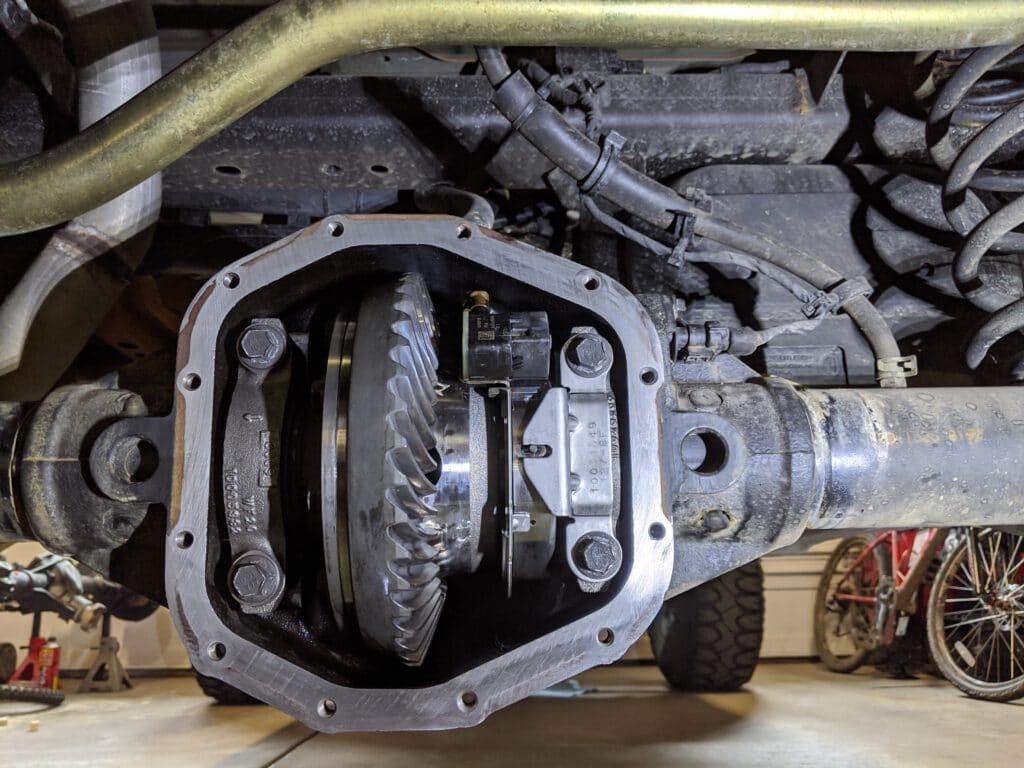
- You may need to upgrade your differential or add new axle seals. These small parts are often worn out and should be replaced during the process.
If you want more technical information on gear ratios and Jeep axles, the JL Wrangler Forums offer detailed charts and discussions.
Frequently Asked Questions
What Is The Best Gear Ratio For 35-inch Tires On A Jeep Wrangler?
Most experts recommend 4.56 gears for daily driving and off-roading with 35-inch tires. For heavy towing or extreme terrain, 4.88 may be better.
Do I Need To Regear If I Only Drive On Highways?
If you’ve increased your tire size by more than 2 inches, regearing still helps. It restores acceleration, keeps RPMs in the right range, and reduces engine strain.
Can I Regear My Jeep Myself?
Regearing is a complex job that needs special tools and experience. Mistakes can damage your axles or gears.
Most people should have a professional handle it.
Will Regearing Void My Jeep’s Warranty?
Changing gears may affect your drivetrain warranty. Always check with your dealer before making changes, especially if your Jeep is still under warranty.
How Do I Know If My Jeep Needs Regearing?
If your Jeep feels sluggish, struggles on hills, or your RPMs are off at highway speeds after changing tires, it’s time to consider regearing.
Regearing your Jeep is a smart investment if you value performance, reliability, and fun on or off the road. It keeps your Jeep running strong, no matter where your next adventure takes you.