Driving a Jeep isn’t just about daily commutes—many owners dream of tackling muddy trails, rocky riverbeds, and deep water crossings. If you’ve ever seen a Jeep with a tall tube running up the side of the hood, you might wonder why someone would add such a feature.
That tall tube is called a snorkel, and it’s more than just a visual upgrade. For drivers who love adventure, a snorkel can transform how and where you drive your Jeep.
Let’s explore why putting a snorkel on a Jeep is a smart investment and not just an off-road fashion statement.
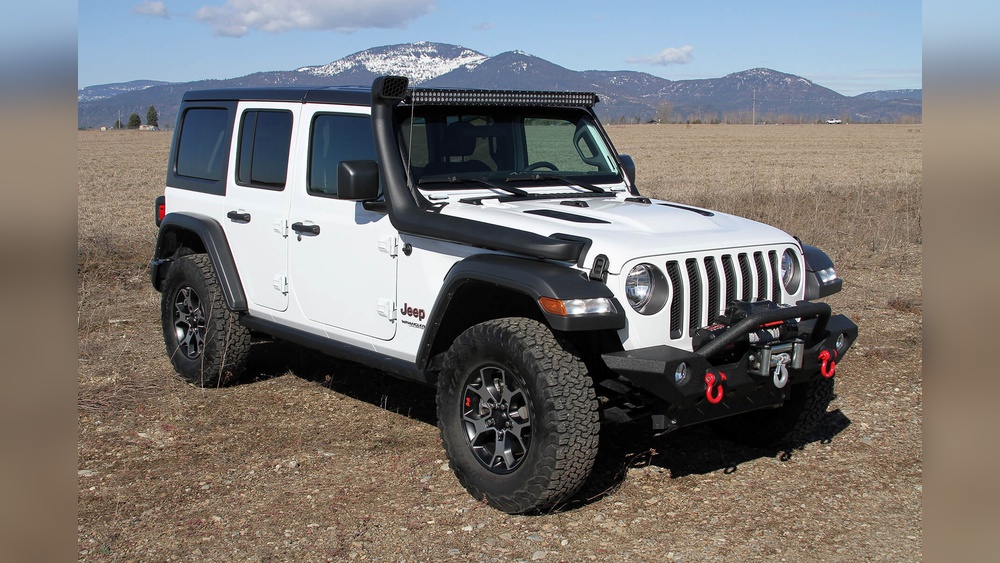
What Is A Jeep Snorkel?
A snorkel is a raised air intake system for your Jeep’s engine. Instead of pulling air from under the hood, the snorkel brings air in from above roof level. This keeps the engine breathing clean air, even in tough conditions.
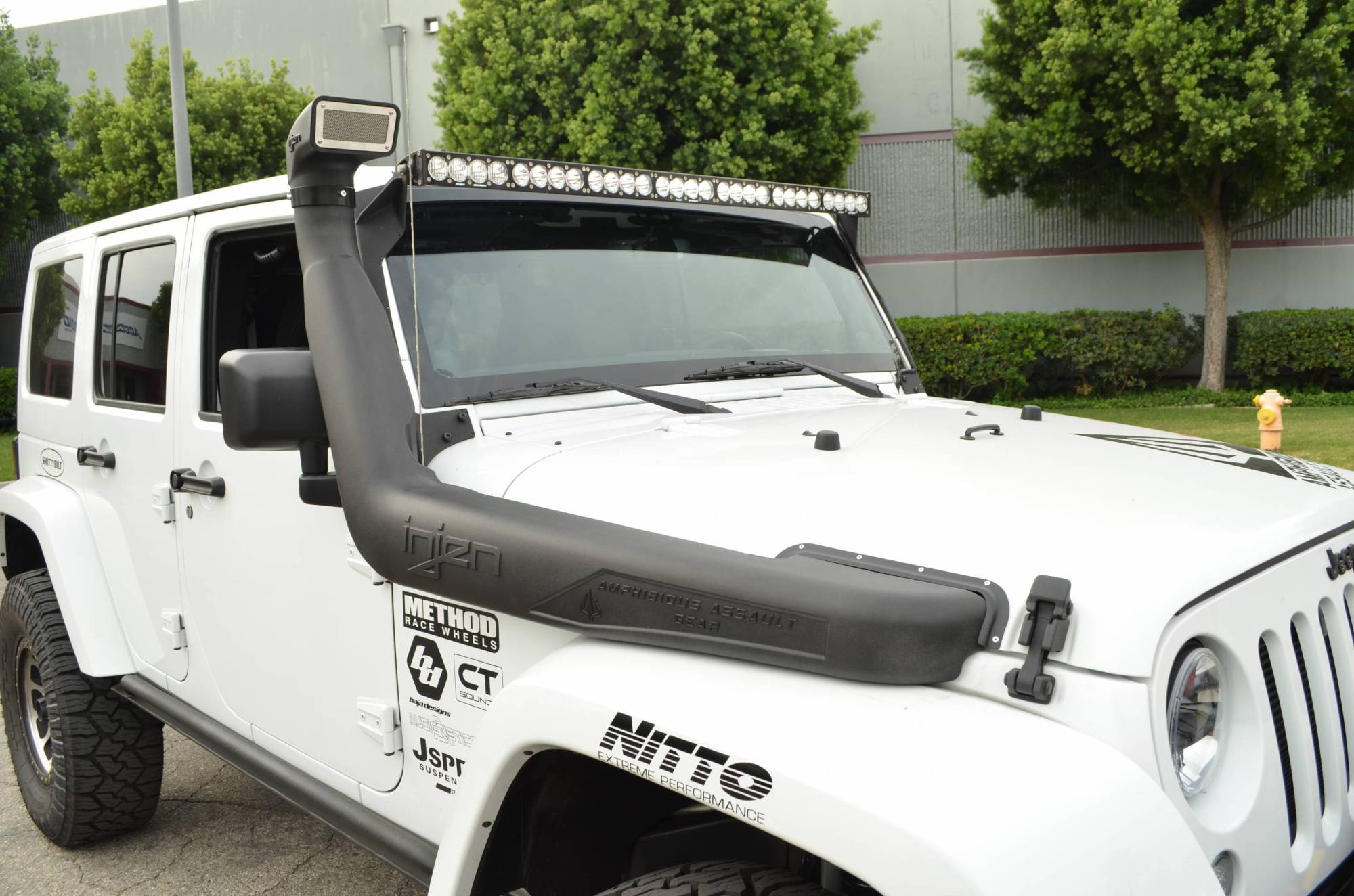
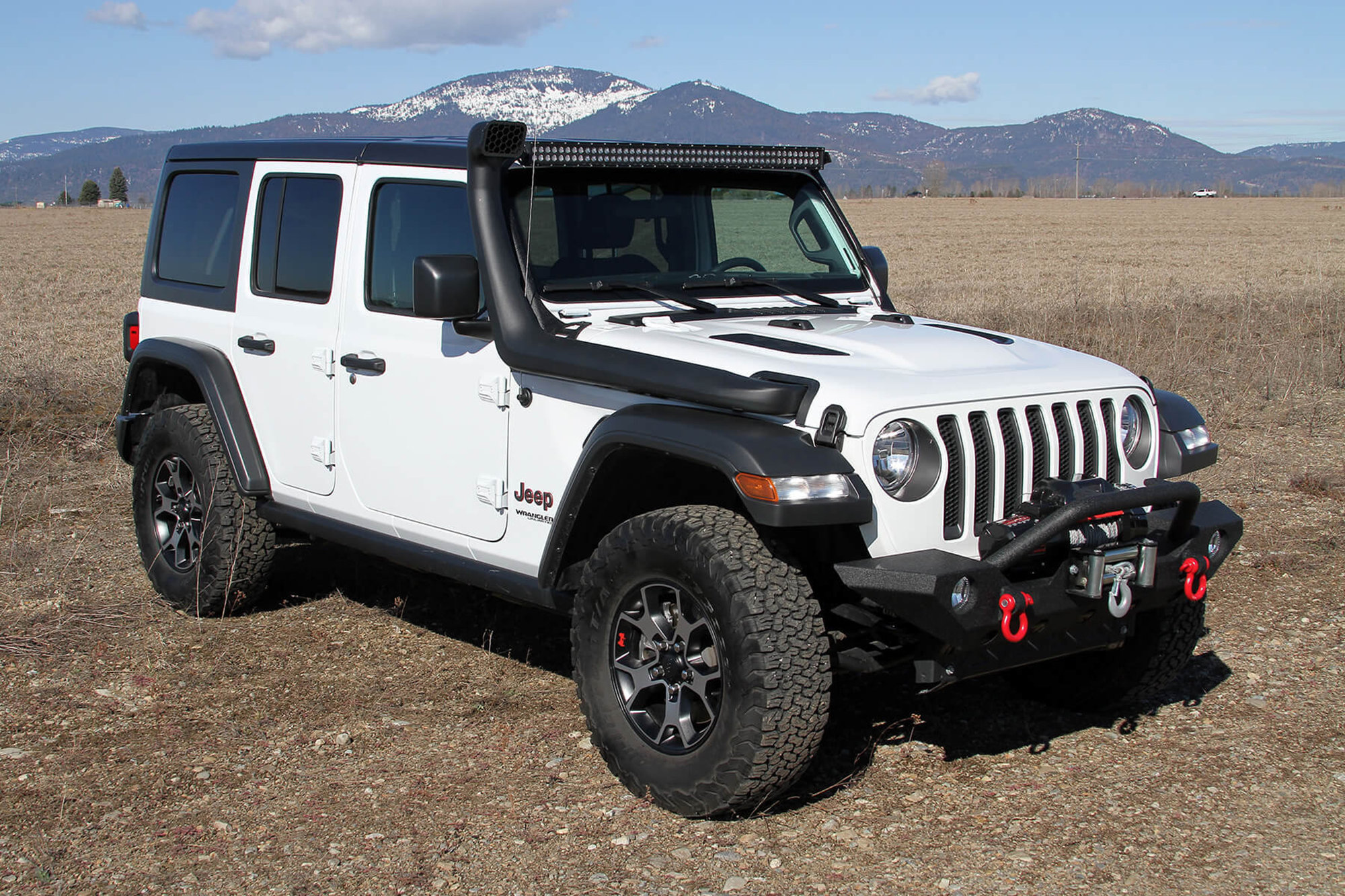
You’ll notice a snorkel as a pipe attached to the side of the Jeep’s hood, leading up to the windshield or roof line. The main purpose is to let the engine breathe when the Jeep is in water, dust, or sand.
Benefits Of Adding A Snorkel
Improved Water Crossing Ability
One of the biggest reasons Jeep owners install a snorkel is to handle deep water crossings. When you drive through water, there’s a real risk of water getting into your engine’s air intake. If this happens, the engine can “hydrolock,” causing expensive damage.
With a snorkel, the air intake sits much higher often above the level of the deepest water you’ll cross. This means the engine is far less likely to suck in water.
For example, a Jeep Wrangler without a snorkel may handle up to 19 inches of water safely.
With a snorkel, you can often double that depth with the right preparation.
Cleaner Air For The Engine
Off-road trails are dusty. Sand and dirt can clog your factory air filter, reducing engine performance and lifespan. A snorkel brings air in from above, where there’s less dust. This means your engine gets cleaner air, and you’ll spend less time cleaning or replacing air filters.
Here’s a quick comparison of air quality:
| Air Intake Location | Dust Level (mg/m³) | Engine Wear Risk |
|---|---|---|
| Under Hood (Stock) | 120 | High |
| Roof-Level (Snorkel) | 35 | Low |
Engine Longevity
Dirt and water are a threat to any engine. Over time, tiny particles and moisture can cause corrosion and wear. By keeping the engine’s air intake high and clean, a snorkel can help your Jeep’s engine last longer. This is especially true for older Jeeps, where small savings in maintenance can add up quickly.
Enhanced Off-road Confidence
A snorkel isn’t just about safety—it’s about confidence. When you know your Jeep is protected, you’re more willing to explore tough terrain. Many Jeep owners say that a snorkel lets them try new trails and cross streams they used to avoid.
When A Snorkel Makes Sense
A snorkel isn’t necessary for everyone. Here’s when adding a snorkel really pays off:
- Frequent Off-Roading: If you love mud, sand, or river crossings, a snorkel is almost essential.
- Travel in Dusty Regions: Jeeps in deserts or dry trails benefit from cleaner air.
- Expedition Travel: Long trips with unpredictable routes often require extra protection.
- Heavy Rain Areas: Flash floods or sudden deep puddles can be less risky with a snorkel.
For city drivers who rarely leave the pavement, a snorkel may not be worth the cost. But for those who use their Jeep to explore, the benefits are clear.
Common Myths About Jeep Snorkels
There are some misunderstandings about snorkels:
- “Snorkels make my Jeep waterproof.” Not true. A snorkel protects the air intake, but you still need to seal electrical parts and other systems.
- “They only help in water.” False. Snorkels also help in dust and sand.
- “Snorkels reduce engine power.” A properly installed snorkel doesn’t hurt performance and sometimes improves airflow.

What To Consider Before Installing
Adding a snorkel is a real upgrade, but it comes with choices. Here’s what you need to keep in mind:
| Factor | Snorkel Impact | Notes |
|---|---|---|
| Cost | $300–$700 (parts only) | Professional install adds to cost |
| Installation | Moderate Difficulty | Cutting body panels often needed |
| Maintenance | Low | Check seals regularly |
Some owners worry about cutting into their Jeep’s body to fit the snorkel. While this can’t be avoided, a high-quality install rarely causes problems if sealed properly.
Pro tip: Always check for leaks after installation. Even a tiny crack can let water in during a crossing.
Non-obvious Insights
Many first-timers miss these points:
- Snorkel orientation matters. Some face forward, others backward. Backward-facing snorkels can reduce rainwater entry but may collect more dust.
- Check insurance. Some insurers count a snorkel as a modification. Let your provider know to avoid issues if you make a claim.
- Legal concerns. In some places, visible modifications like a snorkel could affect local vehicle laws or inspection rules. Double-check local regulations.
Real-world Example
In 2018, a group of Jeep owners tackled the Rubicon Trail in California during a heavy rain season. Of the 20 Jeeps, only those with snorkels finished the trail without engine trouble.
Three Jeeps without snorkels suffered hydrolock after unexpected stream crossings, leading to repairs costing over $3,000 each.
Is A Snorkel Worth It?
For serious off-roaders and Jeep enthusiasts, a snorkel is usually a smart upgrade. It protects your engine, lets you explore farther, and reduces long-term maintenance costs.
If you stick to highways and city streets, it’s not essential. But for those who crave adventure, it’s a small investment for peace of mind.
Want to see the technical side? Check out the official Jeep snorkel overview.
Frequently Asked Questions
What Is The Main Purpose Of A Snorkel On A Jeep?
The main purpose is to raise the air intake above the engine, letting your Jeep breathe clean, dry air during deep water crossings or in dusty environments.
Does A Snorkel Make My Jeep Waterproof?
No, a snorkel only protects the engine air intake. Other parts like the transmission, differentials, and electronics still need protection from water.
Can A Snorkel Improve Fuel Efficiency?
A snorkel doesn’t usually increase fuel efficiency. However, it can help engine performance by providing cleaner, cooler air in some situations.
Is Installing A Snorkel Difficult?
Installation can be challenging. Most kits require cutting the fender and sealing the connections. Many Jeep owners choose professional installation for the best results.
Will A Snorkel Affect My Warranty?
A snorkel may affect your warranty if it’s not installed properly. Always use a reputable brand and let your dealer know about the modification. Some warranties may have exclusions for aftermarket parts.



















