Why Lift A Jeep
Jeep owners often talk about lifting their vehicles as a must-do upgrade. If you are new to the Jeep world, you might ask: why lift a Jeep?
The answer is not just about looks—though a lifted Jeep does stand out. Lifting a Jeep can change the way it drives, where it can go, and how it performs in tough situations.
For some, it’s about adventure. For others, it’s about making a statement.
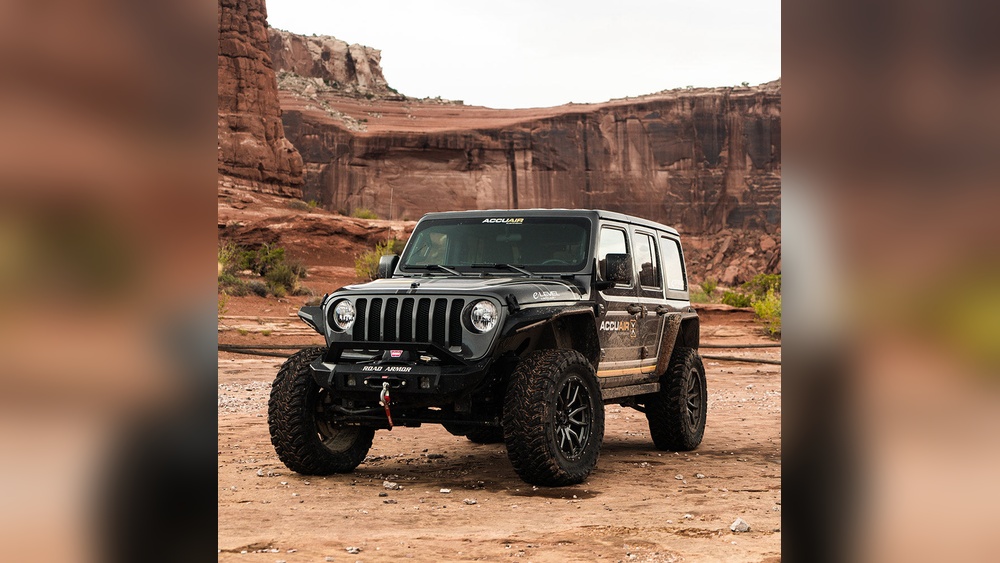
Let’s explore what lifting a Jeep really means, who should consider it, and what you gain (and lose) from this popular modification.
What Does “lifting” A Jeep Mean?
Lifting a Jeep means increasing the distance between the vehicle’s frame and the ground. This is usually done by installing a lift kit. There are two main types:
- Body lift: Raises the body from the frame, usually 1-3 inches.
- Suspension lift: Increases suspension height, often 2-6 inches, for more serious off-roading.
Some people combine both for extra height. The method you choose depends on your budget and goals.
Key Reasons To Lift A Jeep
1. Improved Off-road Capability
A lifted Jeep can handle rough trails, rocks, and deep water better than a stock one. The extra height gives you more ground clearance to avoid damage from obstacles. You can also fit larger tires, which help with traction on mud, sand, and snow.
Example: A stock Jeep Wrangler has about 8.3 inches of ground clearance. A 2-inch lift plus bigger tires can raise this to 11+ inches—enough to clear most trail hazards.
2. Better Approach, Departure, And Breakover Angles
These angles measure how steep an obstacle your Jeep can drive over without the bumpers or undercarriage scraping. Lifting improves all three, so you can tackle steeper hills and sharper dips.
| Angle Type | Stock Jeep | With 2″ Lift |
|---|---|---|
| Approach Angle | 41° | 44° |
| Departure Angle | 36° | 39° |
| Breakover Angle | 20° | 22° |
3. More Tire Choices
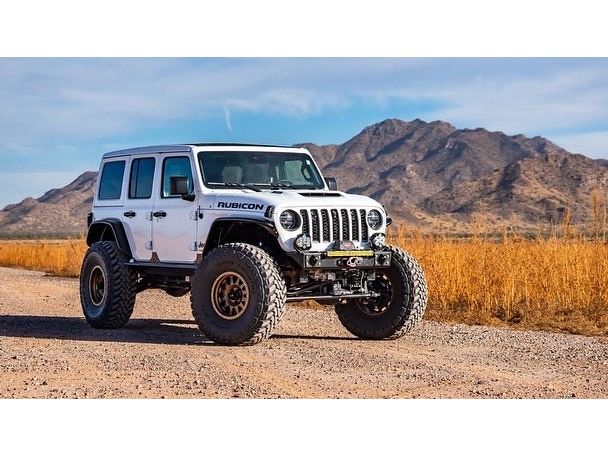
Lifting your Jeep lets you install larger tires (33″, 35″, or even 37″). Bigger tires improve grip and ride comfort on rough surfaces. This also makes your Jeep look more aggressive.
4. Unique Style And Presence
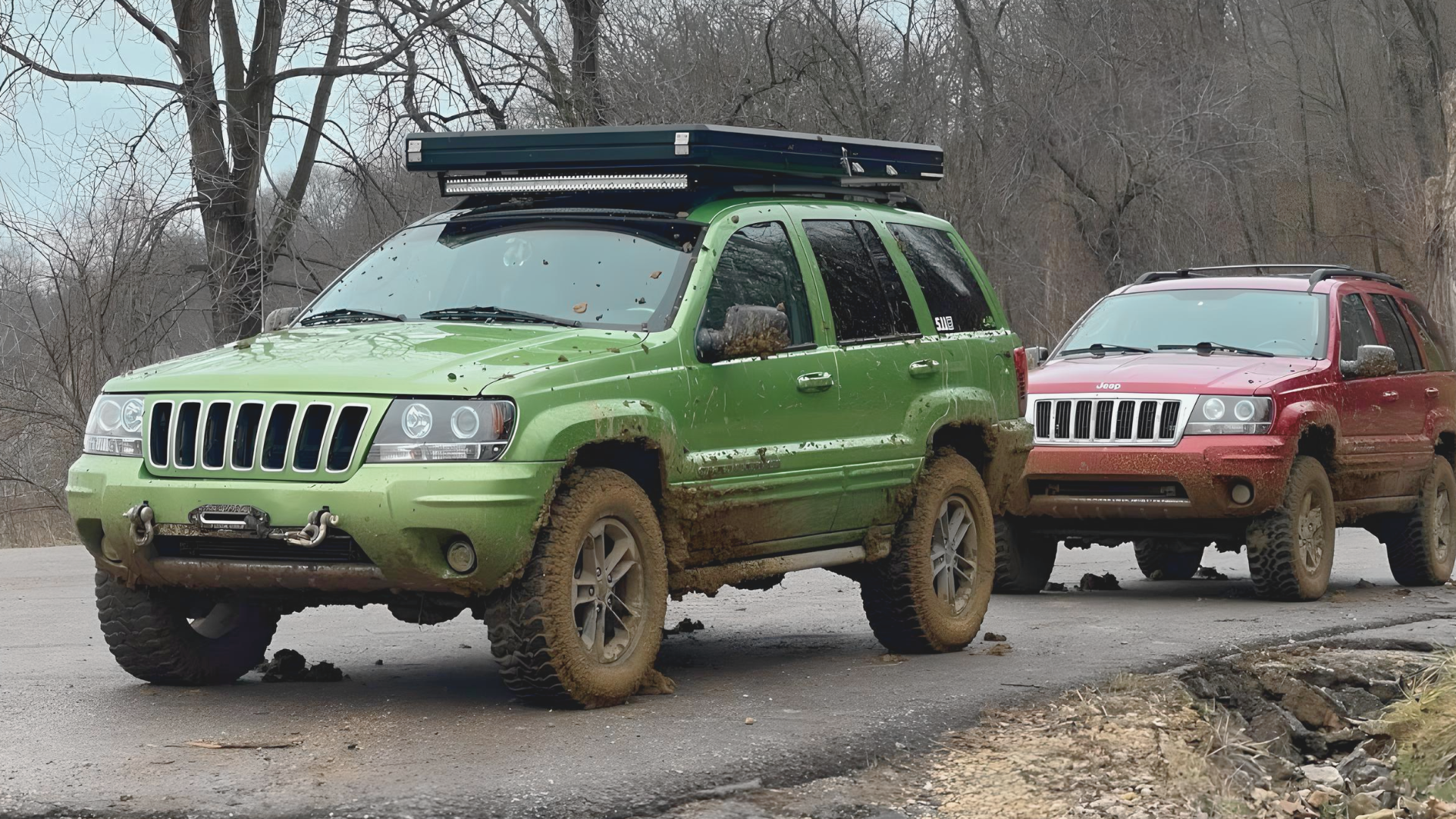
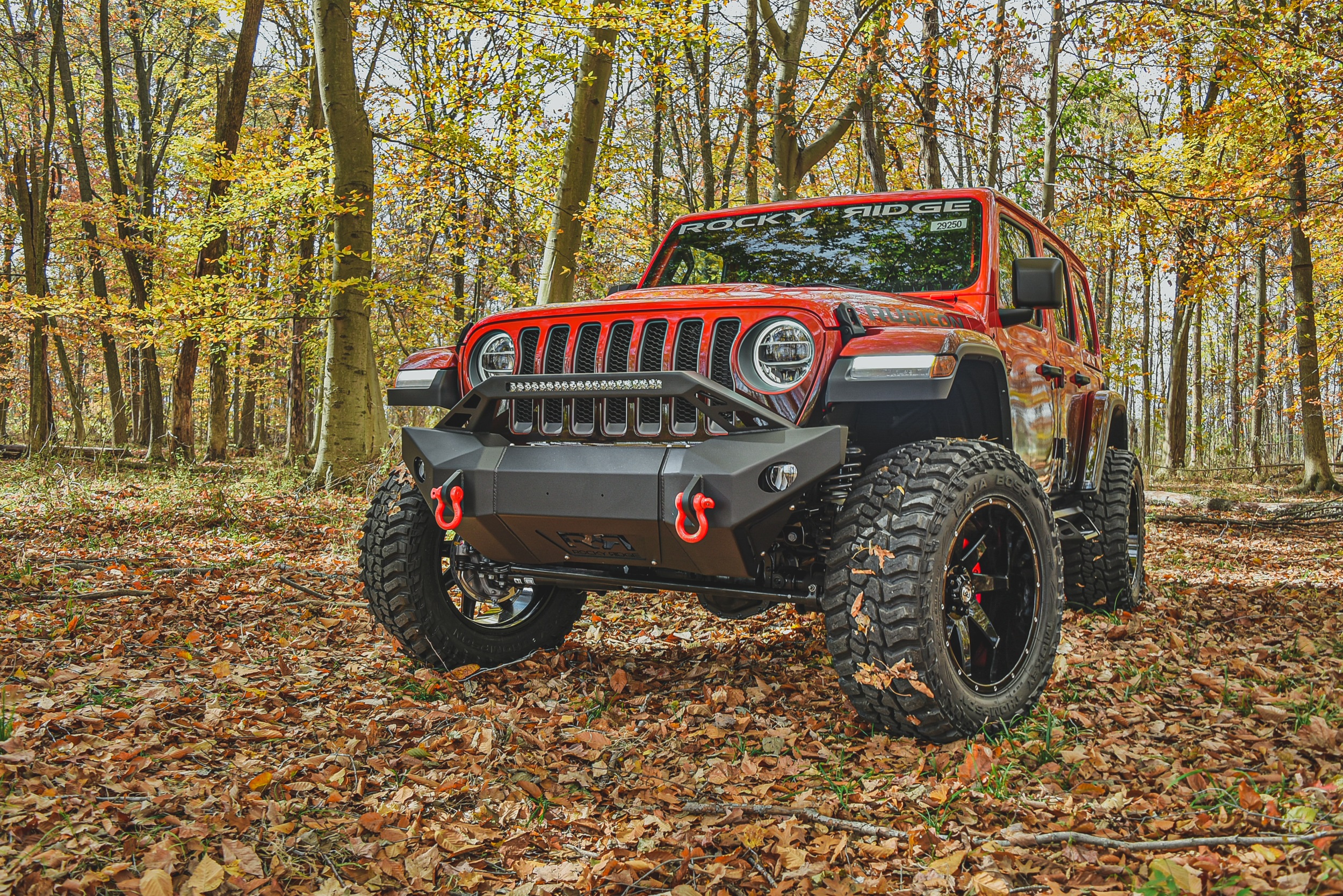
A lifted Jeep stands out in a crowd. The higher stance and bigger tires create a bold, rugged look.
For many, lifting is about personalizing their vehicle and expressing their outdoor lifestyle.
5. Enhanced Visibility
Sitting higher gives you a better view of the road and trails. It’s easier to see obstacles and traffic, which can make driving safer in some situations.
Downsides And Trade-offs
While lifting a Jeep has benefits, there are some drawbacks to consider. It’s not the right choice for everyone.
Changes In Ride Quality
A suspension lift can make the ride stiffer or bumpier, especially with aggressive off-road tires. Some kits keep the stock comfort, but the feel will change.
Handling And Stability
A higher center of gravity means more body roll in turns and a greater risk of tipping. Fast lane changes or tight corners can feel less secure.
| Lift Height | Stability (On-Road) | Risk of Rollover |
|---|---|---|
| Stock | High | Low |
| 2-3 inches | Moderate | Medium |
| 4+ inches | Lower | Higher |
Increased Cost
Lift kits can cost from a few hundred to several thousand dollars, depending on the type and quality. Bigger tires, new shocks, and alignment add to the price.
More Maintenance
Lifting puts extra strain on parts like driveshafts, axles, and brakes. You may need more frequent repairs and regular checks to keep everything working.
When Should You Lift A Jeep?
- You plan to go off-roading on rough trails.
- You want to install larger tires for better grip or looks.
- You love the lifted look and accept the trade-offs.
If you use your Jeep mostly on city streets, lifting may not give you enough benefits for the cost and changes in ride.
Common Mistakes To Avoid
- Going too high: Extreme lifts (over 4 inches) can make your Jeep unstable and may require expensive upgrades.
- Skipping professional installation: A bad install can lead to poor handling or safety issues.
- Ignoring legal limits: Some states have rules about maximum lift height. Check local laws before you lift.
- Not upgrading other parts: Bigger tires may need gear ratio changes or stronger axles.
- Neglecting alignment: Always get a professional alignment after lifting to prevent uneven tire wear.
Non-obvious Insights
- Lifting can affect insurance rates. Some insurers see modifications as higher risk.
- If you tow a trailer, a lift can change the way your Jeep handles the load. You may need extra equipment for safe towing.
Is Lifting Right For You?
Before deciding, think about your goals. If you dream of exploring tough trails, a lift could open new adventures.
If you just want a unique look, a small lift (1-2 inches) can give style without major changes to handling or comfort.
Test drive a lifted Jeep if you can. Talk to owners and mechanics. Research brands and read guides, like those on Extreme Terrain, to understand what each lift kit offers.
Frequently Asked Questions
How Much Does It Cost To Lift A Jeep?
A simple body lift may start at $300 $600. A full suspension lift with tires and labor can cost $1,500 $5,000 or more, depending on quality and extras.
Will Lifting My Jeep Void The Warranty?
Some dealerships may refuse warranty service for problems linked to the lift. Always check your warranty terms and ask before making changes.
Can I Install A Lift Kit Myself?
If you have mechanical skills, you might install a small body lift at home. Suspension lifts are more complex and often need special tools and experience.
How Does Lifting Affect Gas Mileage?
Larger tires and higher stance increase wind resistance and weight. Many owners see a drop of 1 3 mpg after lifting.
Is It Safe To Lift A Jeep?
A well-installed, moderate lift is safe for most driving. High lifts or poor installs can increase the risk of rollover and wear out parts faster.
Always use quality parts and professional help if unsure.
Lifting a Jeep is a big step toward more adventure and a unique look. With the right planning, you can enjoy the benefits and avoid most downsides.