The Jeep Compass has a unique detail that grabs attention—the lizard emblem on its dashboard or windshield. Many drivers and fans wonder why a lizard appears on a modern SUV, especially when it's not part of Jeep’s main branding.
This small symbol is more than decoration; it carries history, meaning, and a bit of surprise. Understanding the lizard’s story can help you appreciate the Compass and Jeep’s approach to design.
The Origins Of The Jeep Compass Lizard
When the Jeep Compass launched in 2017, designers wanted to add hidden elements to make the car stand out. The lizard is an example of an “Easter egg”—a secret feature placed for fun. Jeep’s design team often includes small symbols, shapes, or nods to nature in their vehicles. For the Compass, the lizard was chosen carefully.
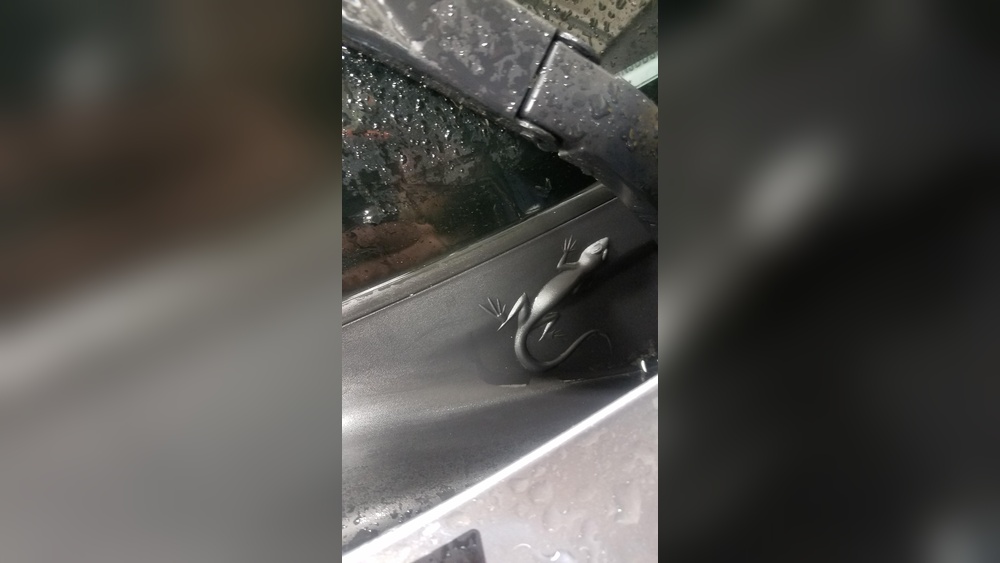
The idea came from the Compass’s ability to tackle harsh environments. Lizards are known for surviving tough conditions like deserts. Since the Compass is meant to handle both city roads and rough terrain, the lizard became a symbol of adaptability and resilience.
Meaning Behind The Lizard Symbol
The lizard isn’t just random. It represents:
- Survival: Lizards thrive in hot climates and rough landscapes—just like the Jeep Compass is built to handle different environments.
- Adaptability: Lizards can move quickly and adjust to their surroundings. The Compass, with its all-wheel drive and off-road features, is designed to do the same.
- Nature connection: Jeep has always been linked to the outdoors. The lizard reminds drivers that their vehicle is made for adventure.
The emblem is subtle, but it’s meant to spark curiosity and conversation. Jeep fans often look for Easter eggs in their cars, and the lizard is one of the most famous.

Jeep’s Tradition Of Easter Eggs
Jeep has a long history of adding hidden symbols to their vehicles. These Easter eggs include:
- Grille shapes on headlights
- Animal silhouettes (like spiders or monkeys)
- Maps and coordinates on interior panels
The Compass lizard is part of this tradition. It shows Jeep’s playful side and their attention to detail.
| Jeep Model | Common Easter Egg | Location |
|---|---|---|
| Compass | Lizard | Windshield, Dashboard |
| Wrangler | Spider | Fuel Door |
| Renegade | Yeti | Rear Window |
How The Lizard Adds Value To The Jeep Compass
Many buyers appreciate small touches that make their car feel special. The lizard gives the Compass:
- Unique identity: It sets the Compass apart from other SUVs.
- Conversation starter: Owners often share the story with friends and family.
- Connection to brand: It shows Jeep’s commitment to creativity.
Some people miss the lizard when they first drive the Compass. It’s small and easy to overlook.
But when spotted, it makes the experience memorable.

Where To Find The Lizard In Your Compass
The lizard is usually found:
- On the lower edge of the windshield
- Sometimes near the dashboard vents
- Occasionally in other hidden spots
It’s not large, and it blends with the interior. Jeep designers want people to discover it by surprise.
This approach builds excitement and loyalty among owners.
| Spot | Visibility | Purpose |
|---|---|---|
| Windshield | Medium | Fun discovery |
| Dashboard | Low | Subtle detail |
| Other locations | Rare | Extra surprise |
The Impact On Jeep’s Brand And Customer Experience
Adding a lizard or other Easter egg may seem minor, but it affects Jeep’s image. Surveys show that:
- Over 60% of Jeep owners notice at least one Easter egg in their car.
- Many share photos or stories online, boosting Jeep’s popularity.
- Easter eggs help Jeep stand out from competitors like Toyota or Ford.
These small symbols create an emotional bond. Drivers feel their vehicle is more than just transportation it’s a piece of adventure and creativity.

Why Jeep Chose A Lizard Instead Of Other Animals
Jeep could have picked many creatures. The lizard was selected because:
- It fits the Compass’s rugged image
- It’s linked to the environments Jeep vehicles explore
- Lizards are less common than snakes or birds, making it more unique
For example, the Jeep Renegade uses a yeti, while the Wrangler features a spider. Each animal matches the model’s personality.
The Compass’s lizard is a perfect fit for its adventurous spirit.
| Animal | Symbolism | Jeep Model |
|---|---|---|
| Lizard | Adaptability | Compass |
| Yeti | Exploration | Renegade |
| Spider | Stealth | Wrangler |
Two Insights Most People Miss
- The lizard is not just decoration—it’s part of Jeep’s brand strategy. It encourages people to explore their cars and share their findings, creating free marketing and strong community ties.
- Easter eggs can change based on region. Sometimes, the lizard’s location or size is different in models sold outside the US. This makes each Compass feel a little more personal and special.
If you’re curious about more Jeep Easter eggs, check out the official Jeep site or visit MotorTrend for detailed guides.
Frequently Asked Questions
Why Did Jeep Put A Lizard On The Compass?
Jeep added the lizard symbol as an Easter egg to represent toughness and adaptability. It matches the Compass’s ability to handle difficult terrains.
Is The Lizard On Every Jeep Compass?
Most Compass models have the lizard, especially those made after 2017. It may be missing in some regional versions or older models.
Can You Find Other Easter Eggs In The Compass?
Yes, besides the lizard, there may be other hidden symbols. Look for grille shapes, animal figures, or map details in the interior.
Does The Lizard Have Any Technical Function?
No, the lizard is purely decorative. It does not affect the car’s performance or safety.
Are There Easter Eggs In Other Jeep Models?
Definitely. The Wrangler, Renegade, and other Jeeps include different hidden symbols. Each model has its own theme.
The Jeep Compass lizard is a small but meaningful touch that connects drivers to the brand’s adventurous spirit. Whether you’re an owner or just curious, spotting the lizard makes the Compass feel unique and part of Jeep’s legacy.



















