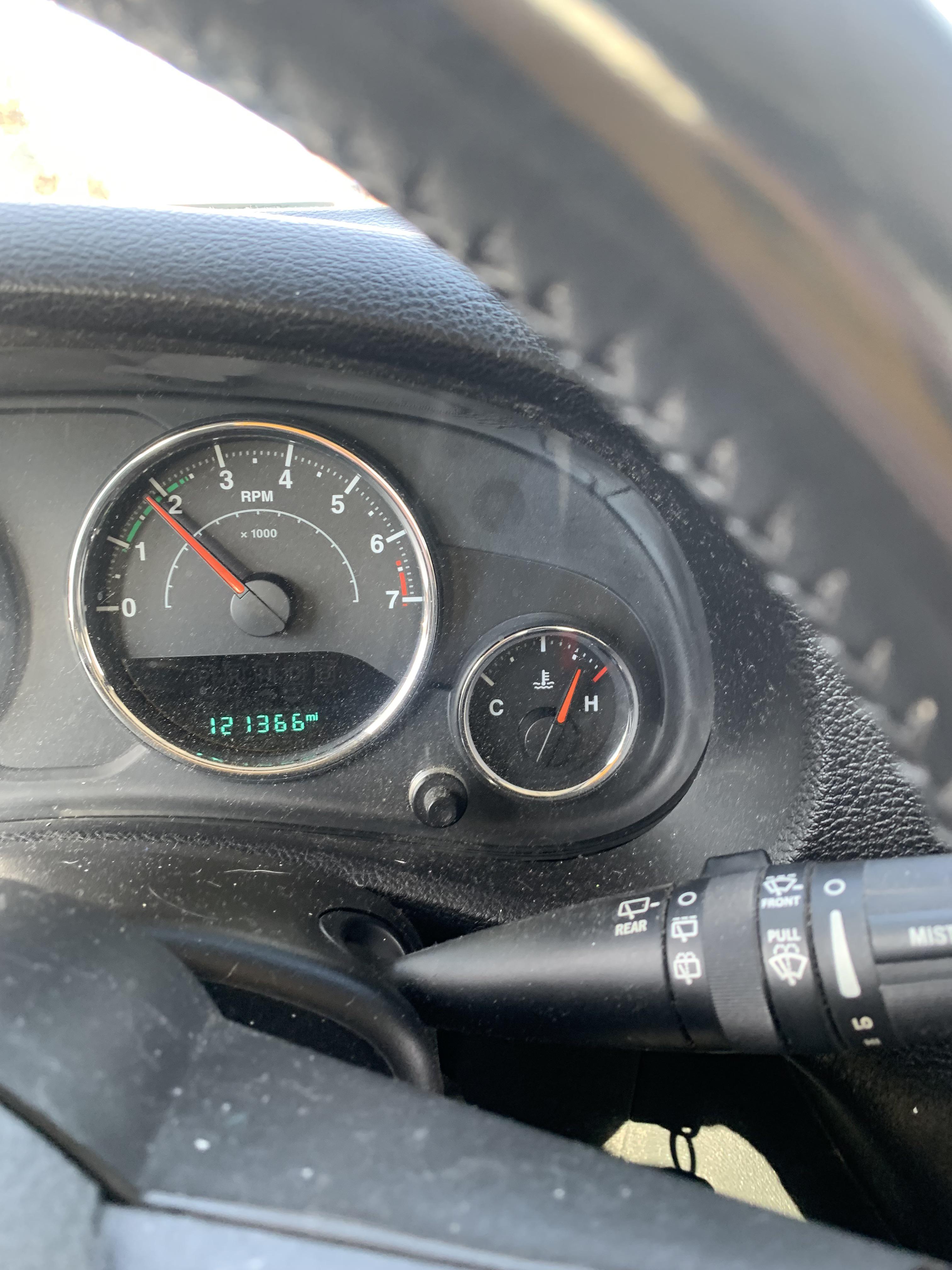
If your Jeep Wrangler is running hot, it’s more than just an inconvenience. Overheating can seriously damage your engine and leave you stranded.
This guide explains why your Jeep might be running hot, how to diagnose the problem, and what you can do to fix it. Whether you drive a classic Wrangler or a newer model, these solutions can help you get back on the road with confidence.
Understanding Why Your Jeep Wrangler Is Running Hot
A hot-running Jeep Wrangler usually means something is wrong with the cooling system. Most Wranglers are known for their tough engines, but they are not immune to overheating, especially in hot weather or during off-road driving. Let’s look at the most common causes.
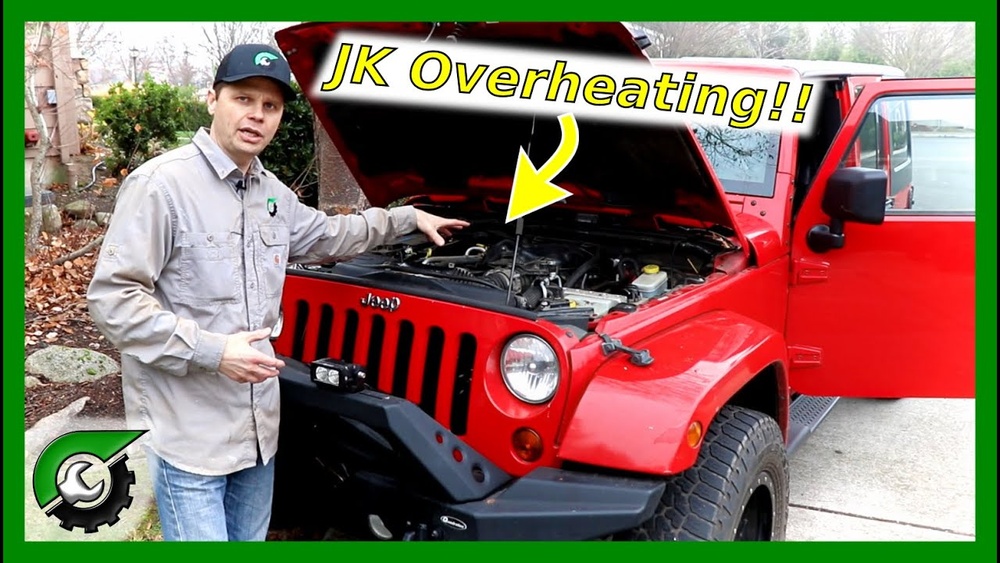
Common Causes Of Overheating
- Low coolant levels: If the coolant is too low, the engine can’t stay cool. This is a frequent issue and easy to check.
- Radiator problems: Radiators can get clogged or leak, reducing their ability to cool the engine.
- Faulty thermostat: The thermostat controls the flow of coolant. If it’s stuck closed, your engine overheats quickly.
- Broken water pump: The water pump moves coolant through the system. If it fails, the coolant stops flowing.
- Old hoses: Hoses can crack or collapse, causing leaks or poor coolant flow.
- Cooling fan issues: Electric or mechanical fans can break or stop working, especially in older models.
- Blocked heater core: The heater core helps remove heat from the engine. If it’s blocked, the system can’t cool properly.
- Air pockets in the cooling system: Air in the system can stop coolant from circulating, leading to hot spots.
Jeep Wrangler Cooling System Overview
Understanding how the cooling system works can help you spot problems faster. The cooling system uses coolant, a radiator, a water pump, a thermostat, and fans to keep engine temperature in check. Here’s a simple comparison of key cooling system parts:
| Component | Main Function | Common Failure |
|---|---|---|
| Radiator | Cools coolant | Leaks, clogs |
| Water Pump | Moves coolant | Leaks, broken impeller |
| Thermostat | Regulates flow | Stuck closed |
| Cooling Fan | Blows air | Motor failure |
Diagnosing The Problem: Step-by-step
Finding the exact cause of your Jeep Wrangler overheating can save you money and prevent engine damage. Here’s how to check:
- Let the engine cool down fully.
- Open the hood and check the coolant level. Is it below the “min” mark?
- Inspect the radiator for leaks, corrosion, or bent fins.
- Look at the hoses—are they cracked, soft, or leaking?
- Test the cooling fan. With the engine running and hot, does the fan spin?
- Check the thermostat. If you feel the radiator hose, does it get hot after the engine warms up? If not, the thermostat may be stuck.
- Examine the water pump for signs of leakage or noise.
- Look for air pockets by squeezing hoses and watching for bubbles in the coolant reservoir.
Typical Overheating Symptoms
| Symptom | Possible Cause | Urgency |
|---|---|---|
| Steam from hood | Coolant leak, radiator issue | High |
| Temperature gauge in red | Low coolant, thermostat stuck | High |
| Sweet smell | Coolant leak | Medium |
| No heat from vents | Heater core blocked | Medium |
Practical Solutions For A Hot Jeep Wrangler
Now that you know what to look for, here are steps to fix the overheating problem.
- Top off coolant: Use the right type for your Jeep. Check your manual for details.
- Flush the radiator: Remove old coolant and debris by flushing the system. This helps clear clogs.
- Replace faulty parts: If the thermostat, water pump, or radiator is bad, replace them. These parts are not expensive for most Wranglers.
- Check the fan clutch or motor: For older Wranglers, a broken fan clutch is common. For newer models, check the electric fan motor.
- Inspect hoses and clamps: Replace worn hoses and tighten clamps to prevent leaks.
- Bleed the cooling system: Removing air pockets helps coolant flow correctly.
Preventive Tips
- Use quality coolant and change it every 2 years.
- Clean the radiator fins regularly, especially after off-roading.
- Watch the temperature gauge, especially in summer or heavy traffic.
- Fix leaks quickly before they cause bigger problems.
Non-obvious Insights: What Most Owners Miss
Many Jeep owners overlook two key factors:
- Aftermarket accessories: Large bumpers, winches, or light bars can block airflow to the radiator. If you have added these, check if they are causing poor cooling.
- Wrong coolant mix: Using too much water or the wrong coolant type can reduce cooling efficiency. Always follow your owner’s manual.
Another insight: off-road driving heats up your engine much faster than highway driving. Dust and mud can clog the radiator, so clean it often after trail rides.

When To Seek Professional Help
If you have tried the steps above and your Jeep still runs hot, it’s time to see a mechanic. Some issues, like a blown head gasket or cracked engine block, are serious and need expert repair.
Ignoring overheating can lead to engine failure, costing thousands of dollars.
Here’s a quick comparison of DIY vs. professional repair:
| Repair Type | Cost Range | Skill Needed |
|---|---|---|
| Coolant refill | $20-$40 | Beginner |
| Thermostat replacement | $60-$120 | Intermediate |
| Radiator replacement | $300-$600 | Intermediate |
| Head gasket repair | $1,200-$2,000 | Professional |
If you need more information, the official Jeep site offers helpful guides: Jeep Vehicle Care.
A hot-running Jeep Wrangler is a warning sign. Quick action can save your engine and your wallet.
With the steps above, you can diagnose and fix most problems yourself. If in doubt, don’t risk serious damage—get professional help.
Frequently Asked Questions
Why Does My Jeep Wrangler Overheat Only In Traffic?
Your Jeep may overheat in traffic because the cooling fan isn’t working or airflow is blocked. Slow speeds mean less air moves through the radiator, so fan function is critical.
Can I Drive My Wrangler If It’s Running Hot?
Driving while overheating is risky. It can cause engine damage.
Stop, let the engine cool, and check for leaks or low coolant before continuing.
How Often Should I Change The Coolant?
Most experts recommend changing coolant every 2 years or 24,000 miles. Old coolant loses its ability to protect the engine.
Are Aftermarket Radiators Better For Wranglers?
High-quality aftermarket radiators can improve cooling, especially for off-road use. But cheap ones may not fit well or last long, so choose carefully.
What’s The Most Expensive Overheating Repair?
Replacing a head gasket is usually the costliest repair, often over $1,200. It’s important to fix overheating early to avoid this.