If you drive a Jeep and notice it's using too much gas, you’re not alone. Many Jeep owners struggle with high fuel consumption, but the reasons aren’t always obvious.
Whether you own a Wrangler, Grand Cherokee, or another model, understanding why your Jeep drinks fuel can save you money and help your vehicle last longer. Let’s explore the main causes, practical fixes, and surprising tips most people miss.
Common Reasons Your Jeep Uses Too Much Gas
Several factors can cause your Jeep to burn more fuel than expected. Some are easy to spot, while others are hidden. Here are the most frequent culprits:

1. Aggressive Driving
Fast acceleration and hard braking waste gas. Jeep engines are powerful, but rapid starts and stops can cut efficiency by up to 33% according to the EPA.
2. Heavy Tires And Wheels
Many Jeeps come with large, off-road tires. These look great and help in rough terrain, but they add weight and rolling resistance.
Heavier tires can reduce fuel economy by 10 20%.
3. Poor Maintenance
Dirty air filters, old spark plugs, or clogged fuel injectors force your engine to work harder. Regular maintenance can improve gas mileage by 4 10%.
4. Added Accessories
Roof racks, lift kits, and bumpers increase weight and change aerodynamics. Even a roof rack can cut fuel efficiency by up to 15%.
5. Incorrect Tire Pressure
Low tire pressure increases friction with the road. Driving with tires underinflated by 10 psi can reduce gas mileage by about 5%.
6. Driving In 4wd
Using four-wheel drive (4WD) on dry pavement creates extra drag and reduces fuel economy. Only use 4WD when needed for conditions.
7. Idling And Short Trips
Frequent idling and short, cold trips use more gas. Jeeps need time to reach optimal temperature; short trips never allow the engine to run efficiently.
Jeep Model Comparison: Gas Mileage
Jeep vehicles vary in fuel efficiency depending on the model, engine, and year. Here’s a quick comparison of popular models:
| Jeep Model | Average MPG (City) | Average MPG (Highway) |
|---|---|---|
| Wrangler (V6) | 17 | 25 |
| Grand Cherokee (V6) | 18 | 25 |
| Compass (4-cyl) | 22 | 31 |
| Renegade (4-cyl) | 24 | 32 |
Larger engines and more rugged designs generally use more gas. If you own a Wrangler or Grand Cherokee, expect lower MPG compared to smaller models.
How To Improve Your Jeep’s Gas Mileage
You can make changes to boost your Jeep’s fuel economy without sacrificing performance. Here are practical steps:
1. Drive Smoothly
Avoid sudden acceleration or braking. Smooth driving can save up to 20% on fuel.
2. Check Tire Pressure Weekly
Use a tire gauge and keep tires at the recommended PSI.
3. Remove Extra Weight
Take off unused roof racks and heavy accessories when not needed.
4. Maintain Your Jeep Regularly
Change air filters, spark plugs, and oil according to the schedule.
5. Use Cruise Control On Highways
This keeps your speed steady and improves fuel efficiency.
6. Limit 4wd Use
Switch to 2WD unless you’re driving off-road or in snow.
7. Plan Routes
Combine errands to avoid multiple short trips.
Some reasons for excess gas usage are not obvious:
- Engine Sensors
Faulty oxygen sensors or mass airflow sensors can send wrong data, making your engine run rich. A single bad sensor can lower MPG by up to 40%.
- Alignment Issues
If your Jeep pulls to one side or tires wear unevenly, poor alignment increases drag. Fixing alignment can recover up to 10% of lost efficiency.
- Fuel Quality
Using poor-quality or incorrect fuel reduces performance. Always use the recommended octane for your Jeep.
Jeep Fuel Economy Vs. Other Suvs
How does your Jeep compare to other popular SUVs? Here’s a simple look:
| Vehicle | Average MPG |
|---|---|
| Jeep Wrangler | 20 |
| Ford Explorer | 24 |
| Toyota RAV4 | 28 |
| Honda CR-V | 30 |
Jeeps are built for off-road and durability, not maximum fuel savings. If you want the best MPG, lighter SUVs usually perform better.
When To Visit A Mechanic
If you’ve tried the steps above and your Jeep still uses too much gas, it’s time for a professional check. Look for these signs:
- Sudden drop in MPG
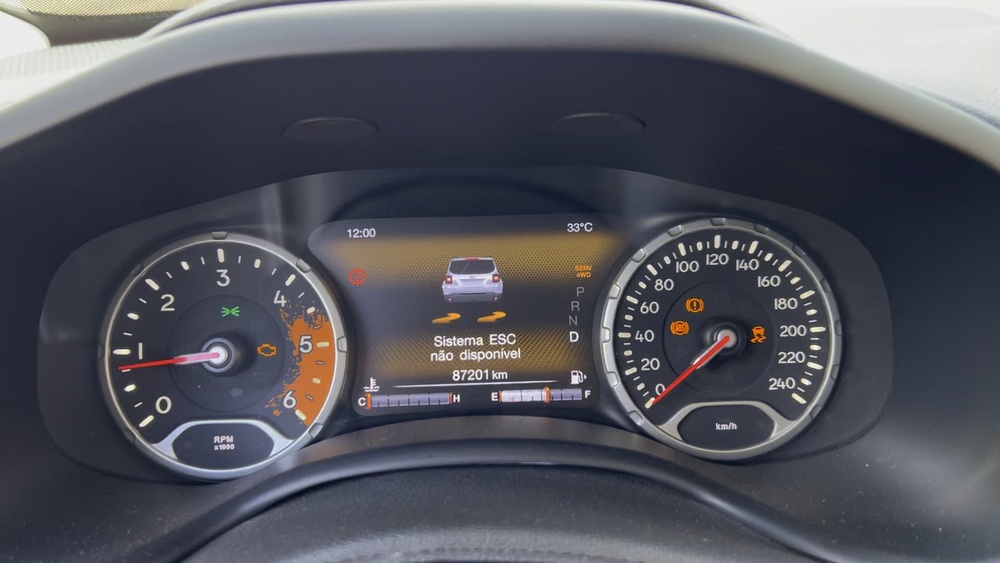
- Engine warning lights
- Unusual engine noises
- Strong fuel smell
Mechanics can run diagnostic tests to find hidden problems. Sometimes, a simple software update or sensor replacement fixes the issue.
Real-world Example
A Jeep Wrangler owner noticed his MPG dropped from 18 to 13 after adding larger tires and a roof rack. He returned to stock tires and removed the rack, bringing his MPG back to 17. Small changes can make a big difference.
Frequently Asked Questions
Why Does My Jeep Use More Gas Than My Friend’s Suv?
Jeeps are heavier and have off-road features that increase fuel consumption. Most SUVs are lighter and designed for better MPG.
Can Changing Tires Improve My Jeep’s Gas Mileage?
Yes. Switching to lighter, street-oriented tires can improve efficiency by 10 15%. Avoid oversized tires unless needed for off-road.
Is Driving In 4wd Always Bad For Gas Mileage?
Using 4WD on dry roads adds drag and wastes gas. Only use 4WD in snow, mud, or rough terrain.
Check your owner’s manual. Most Jeeps use regular gas, but some engines require premium.
Using the wrong type can lower performance and MPG.
How Often Should I Check My Jeep’s Tire Pressure?
Check tire pressure at least once a week. Correct PSI improves safety and saves gas.
If you want more technical details about Jeep fuel efficiency, you can visit FuelEconomy.gov for official data.
Jeep vehicles are designed for adventure, not just fuel savings. By understanding what affects your Jeep’s gas mileage and taking simple steps, you can enjoy the ride and save money at the pump.
Every Jeep is a little different, but with regular care and smarter driving, you’ll get the most from every gallon.