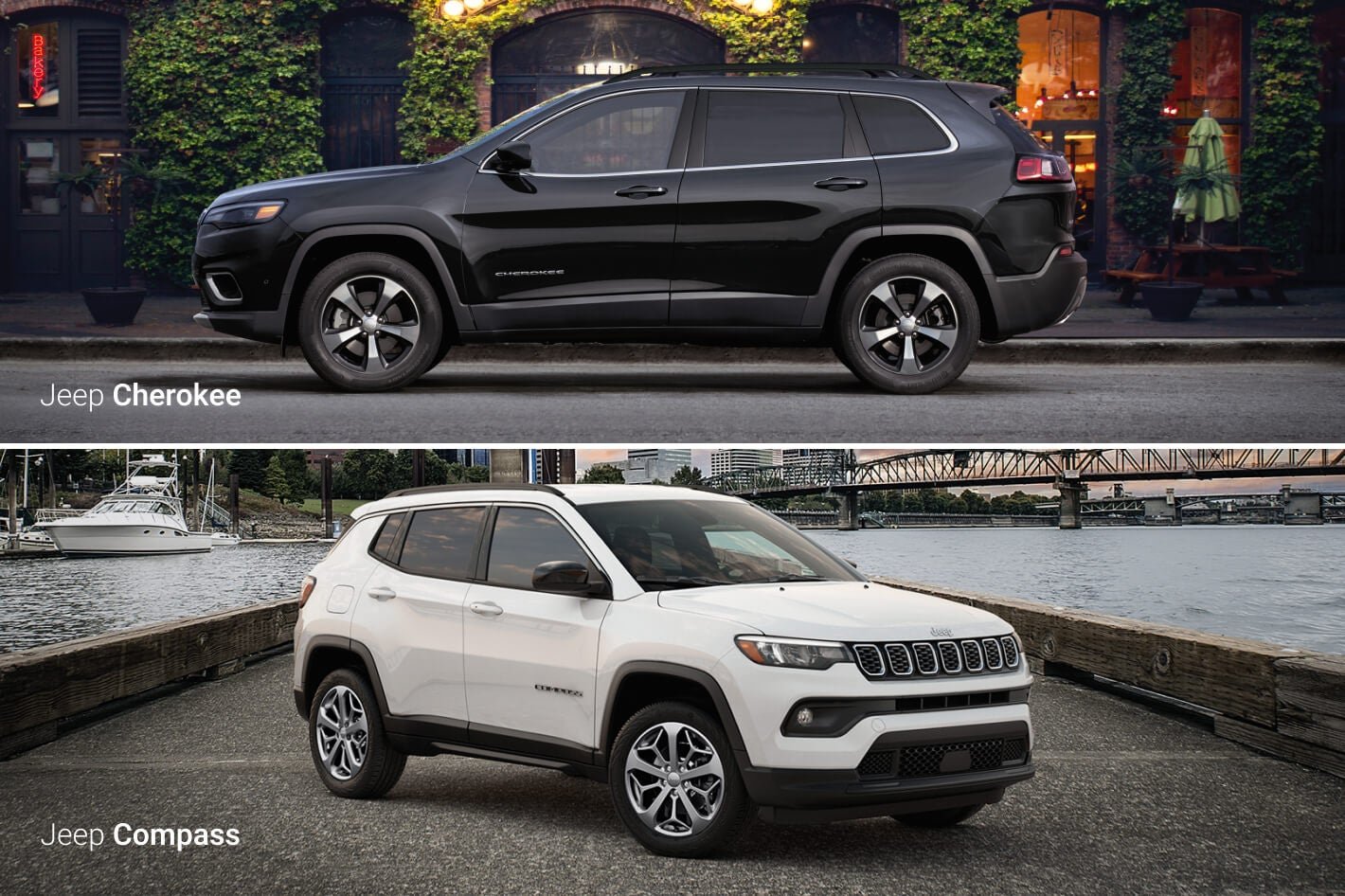
Is The Jeep Compass Smaller Than The Cherokee?
Choosing between the Jeep Compass and the Jeep Cherokee can feel tricky if you’re new to SUVs. Both are popular models, but are they really different in size?
Many buyers want a car that fits their needs—parking, family trips, or city driving. If you’re wondering which Jeep is smaller, this article will clear things up.
We’ll use real data, simple comparisons, and practical advice to help you decide.
Understanding The Jeep Compass And Cherokee
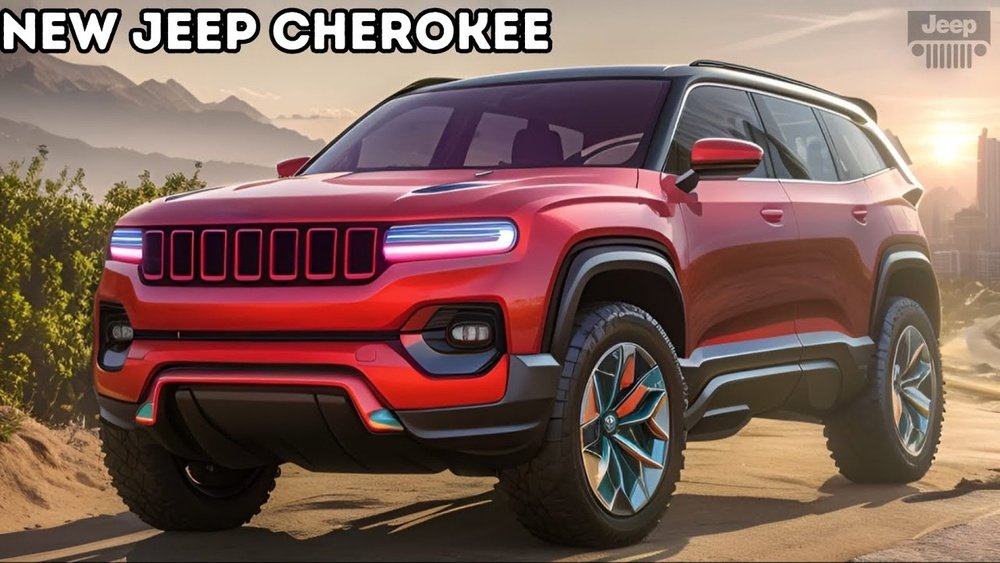
The Jeep Compass and Jeep Cherokee are both compact SUVs, but they’re not the same. The Compass is often seen as the entry-level Jeep, while the Cherokee is a step up, with more features and space. Let’s look at what makes each model unique before comparing their sizes.
Jeep Compass: Quick Overview
- Class: Compact SUV
- Seats: 5
- Engine: 2.4L I4 (most common)
- Main strengths: Easy to drive, good gas mileage, affordable price
Jeep Cherokee: Quick Overview
- Class: Compact/Midsize SUV
- Seats: 5
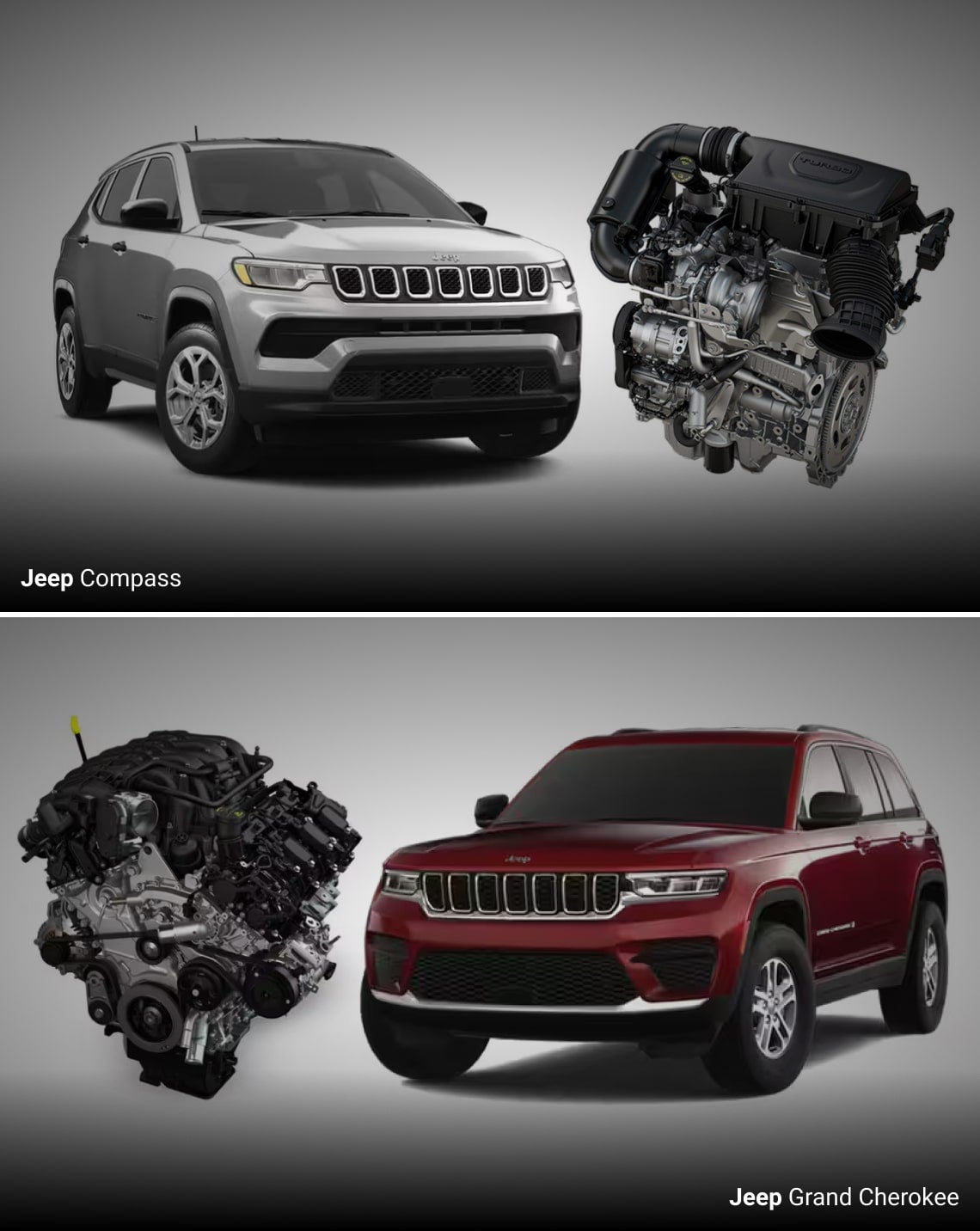
- Engine: 2.4L I4 or 3.2L V6 (more options)
- Main strengths: More power, extra features, larger cargo space
Most buyers notice the Cherokee offers more options and a stronger engine, but the Compass is simpler and costs less.
Size Comparison: Compass Vs Cherokee
Let’s get straight to the facts. Is the Jeep Compass smaller than the Cherokee? Yes, in almost every important way length, width, height, and cargo space.
Here’s a clear side-by-side comparison:
| Feature | Jeep Compass | Jeep Cherokee |
|---|---|---|
| Length (inches) | 173.0 | 182.0 |
| Width (inches) | 73.8 | 73.2 |
| Height (inches) | 64.6 | 66.2 |
| Wheelbase (inches) | 103.8 | 106.6 |
| Cargo Space (cu ft) | 27.2 | 25.8 |
Key Insight: The Cherokee is longer and taller, but the Compass is actually a bit wider and has slightly more cargo room behind the rear seats. This surprises many buyers because they expect the bigger car to always have more space.
Why Size Matters For Buyers
Size impacts daily use more than people realize. Here are some ways the Compass’s smaller size can be an advantage:
- Parking: Easier in cities and tight spaces.
- Fuel efficiency: Smaller cars often use less gas.
- Driving feel: Lighter and more nimble, great for beginners.
But the Cherokee’s bigger size means:
- More legroom: Comfort for tall passengers.
- Better for families: Extra space for road trips.
- Tow capacity: Can handle heavier loads.
Here’s a quick look at how each model fits different needs:
| Need | Best Model | Reason |
|---|---|---|
| City driving | Compass | Shorter length, easy parking |
| Family trips | Cherokee | More legroom, comfort |
| Budget | Compass | Lower price, good MPG |
| Towing | Cherokee | Stronger engine, higher capacity |
Interior Space: What’s Different?
Many buyers focus only on outside size, but inside space matters too. The Compass and Cherokee both seat five, but the Cherokee’s longer wheelbase makes a difference for rear passengers.
Front And Rear Legroom
- Compass: Front legroom 41.8 inches, rear legroom 38.3 inches
- Cherokee: Front legroom 41.1 inches, rear legroom 40.3 inches
Non-obvious insight: The Compass actually offers more front legroom, but the Cherokee gives rear passengers more space. If you often carry adults or teenagers in the back, Cherokee is better.
Cargo Flexibility
Both models let you fold down the rear seats for more cargo room. Here’s how much you get with seats down:
- Compass: Up to 59.8 cubic feet
- Cherokee: Up to 54.7 cubic feet
This means the Compass can carry larger items if the back seats are folded, even though the Cherokee feels bigger overall.
Real-world Examples
Imagine you live in a busy city. You need a car that fits in small parking spots and gets good mileage. The Jeep Compass will likely suit you better.
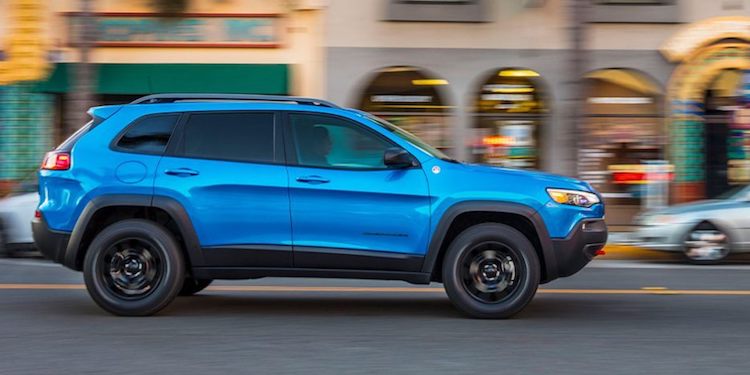
If you travel often with family or need to tow a trailer, the Jeep Cherokee gives you extra comfort and power. The Cherokee’s longer frame means less stress on long drives.
One mistake beginners make is judging by looks alone. The Cherokee appears much larger, but in some ways (like cargo space), the Compass wins.
Price And Ownership Costs
Many buyers ask about cost. Here’s a quick comparison:
- Jeep Compass: Starts around $28,000
- Jeep Cherokee: Starts around $37,000
Insurance, maintenance, and gas costs are usually lower for the Compass. However, the Cherokee’s features and power may justify the price for some buyers.
Which Jeep Is Right For You?
If size is your main concern, remember:
- The Compass is smaller in length and height.
- The Cherokee is bigger but has less cargo space with seats up.
- Both have strengths, so your choice depends on needs.
Try sitting in both cars at a dealership to feel the difference. Many people change their minds after testing.
For more details on specifications and comparisons, visit the official Jeep website.
Frequently Asked Questions
Is The Jeep Compass Easier To Park Than The Cherokee?
Yes, the Compass is shorter and slightly wider, making it easier to park in tight city spaces. Many owners like the Compass for urban driving.
Does The Cherokee Have More Cargo Space Than The Compass?
With rear seats folded, the Compass actually has more cargo space. But with seats up, both are close, and the Compass edges ahead slightly.
Which Model Is Better For Tall Passengers?
The Cherokee offers more rear legroom, so it’s better for tall people riding in the back. Both have good front legroom.
How Does Fuel Economy Compare?
The Compass usually has better gas mileage, about 25 32 mpg combined. The Cherokee is heavier and more powerful, so it averages around 23 29 mpg.
Are There Big Differences In Safety Features?
Both models have similar safety features, like airbags, lane assist, and blind spot monitoring. The Cherokee may offer more advanced options, but the Compass covers basic needs well.
Choosing between the Jeep Compass and Cherokee is mostly about size and comfort. Knowing the real numbers and features will help you make a confident decision.
Both are good SUVs, but the Compass is the clear winner if you want a smaller, easy-to-drive Jeep.