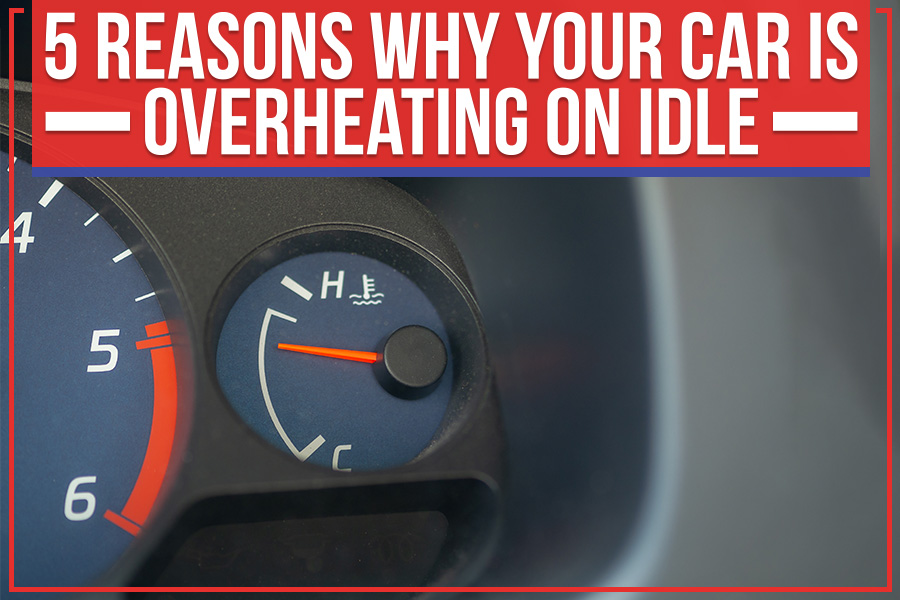
If your Jeep engine temperature keeps rising, it’s more than just an inconvenience. An overheating engine can quickly turn a simple drive into a roadside emergency.
But why is your Jeep running hot? There are several reasons, and understanding them early can help you avoid expensive repairs and keep your Jeep reliable.
Common Causes Of Jeep Overheating
Jeep engines are tough, but even they struggle when cooling problems happen. Let’s look at the main reasons your Jeep might be running hot.
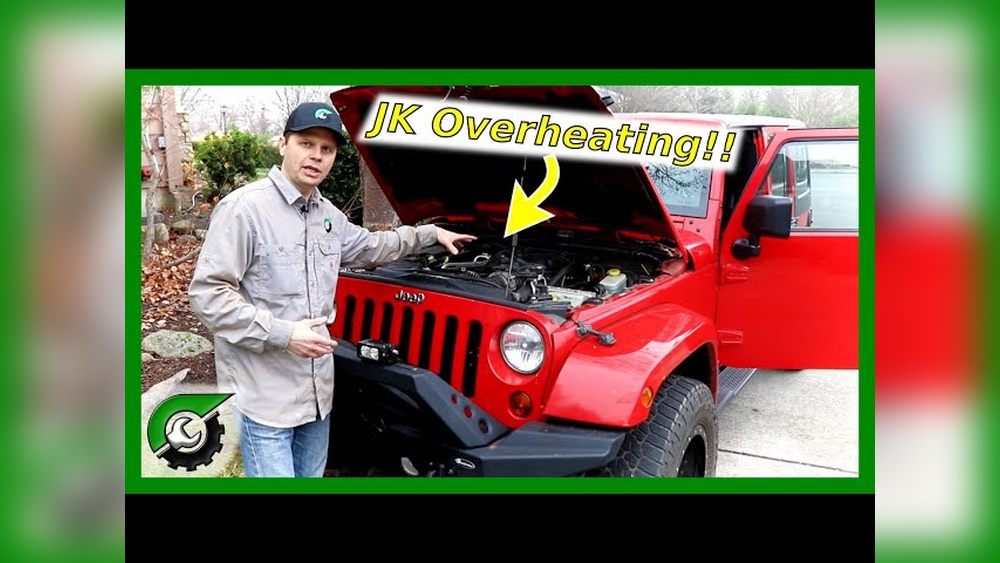
Low Coolant Level
Coolant, sometimes called antifreeze, is what keeps your engine at the right temperature. If there’s not enough, heat builds up quickly.
- A small leak can lower coolant without you noticing.
- Always check for puddles under your Jeep after parking.
Faulty Thermostat
The thermostat controls when coolant flows through the engine. If it gets stuck closed, the coolant can’t move, and the engine overheats.
- Thermostats often fail suddenly.
- Replacing a thermostat is usually a quick fix.
Radiator Issues
The radiator is like a big heat sink. Over time, dirt, bugs, and rust can block its airflow or clog it inside.
- A blocked radiator can raise engine temperature within minutes.
- Physical damage, like bent fins or cracks, also causes trouble.
Water Pump Failure
The water pump pushes coolant through the engine. If it fails, the coolant can’t circulate, and the temperature climbs fast.
- Look for coolant leaks near the pump or strange noises from the front of the engine.
Malfunctioning Cooling Fan
Your cooling fan helps pull air through the radiator, especially when you’re stopped or driving slowly.
- An electric fan might not turn on if a relay or sensor fails.
- Mechanical fans can have worn clutches that stop them from spinning at full speed.
Damaged Hoses Or Belts
Coolant hoses and drive belts are small but critical parts.
- Cracked or soft hoses may leak or burst, dropping coolant quickly.
- A broken belt can stop both the water pump and the fan, causing instant overheating.
How To Diagnose Why Your Jeep Is Running Hot
Before you panic, use these steps to narrow down the problem.
Quick Visual Checks
- Open the hood (when the engine is cool).
- Check the coolant level in the reservoir tank.
- Look for leaks, drips, or stains around hoses and the radiator.
- Inspect the radiator for damage or blockages.
Listen For Unusual Sounds
A squealing belt or grinding noise could point to a failing water pump or a loose belt.
Monitor The Temperature Gauge
- Does the gauge rise only at idle? This may mean the fan isn’t working.
- Does it overheat even at highway speeds? Radiator or coolant flow problems are likely.
Use An Obd-ii Scanner
Modern Jeeps (1996 and newer) have an OBD-II port. A simple scanner can read temperature sensors and error codes, helping you pinpoint issues.

Table: Common Jeep Overheating Causes Compared
Here’s a quick comparison of symptoms and likely fixes:
| Cause | Typical Signs | Quick Fix |
|---|---|---|
| Low Coolant | Visible leaks, low reservoir | Add coolant, check for leaks |
| Thermostat | Sudden overheating, no heat in cabin | Replace thermostat |
| Radiator Blockage | Overheats at speed, dirty fins | Clean/replace radiator |
| Water Pump | Leaking pump, noise, rapid overheat | Replace water pump |
| Cooling Fan | Overheats at idle/slow speeds | Check/replace fan or relay |
Preventing Overheating: Tips For Jeep Owners
You can avoid most overheating problems with regular checks and smart habits.
Check And Change Coolant Regularly
- Replace coolant every 2-3 years, or as your manual says.
- Old coolant loses its ability to protect your engine.
Inspect Hoses And Belts
- Squeeze hoses when the engine is cool. Replace if they feel soft or show cracks.
- Watch for belts that look glazed or frayed.
Clean The Radiator
- Rinse the front of the radiator with a garden hose.
- Remove leaves, bugs, and dirt that block airflow.
Watch Your Driving
Heavy loads, towing, and stop-and-go traffic stress the cooling system. On hot days, keep an eye on your temperature gauge and pull over if it climbs too high.
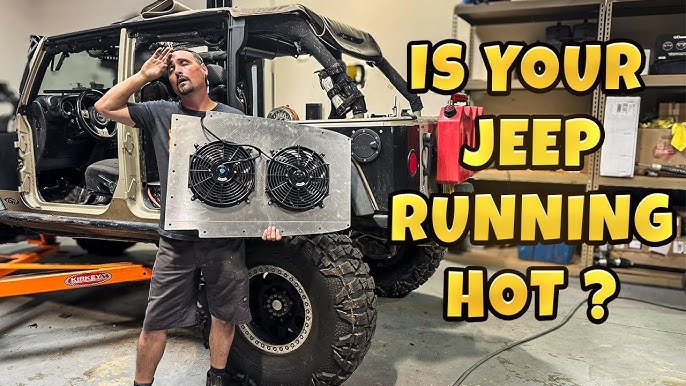
Table: Jeep Overheating Troubleshooting Steps
If your Jeep is running hot, here’s what you can do:
| Step | What to Check | What to Do |
|---|---|---|
| 1 | Coolant Level | Add coolant if low |
| 2 | Leaks | Look for wet spots or stains |
| 3 | Fan Operation | See if the fan turns on with a warm engine |
| 4 | Belts and Hoses | Replace if damaged |
| 5 | Radiator | Clean debris, check for clogs |
Two Insights Many Jeep Owners Miss
- Air pockets in the cooling system can cause sudden overheating, even if the coolant level seems full. After any repair or coolant change, make sure all air is properly bled out.
- Heater core leaks can show up as wet carpets or foggy windows. This small part is inside the dashboard but can drop coolant levels and overheat your engine without obvious leaks under the Jeep.
When To Seek Professional Help
If you’ve checked the basics and your Jeep still overheats, it’s time for a mechanic. Overheating can quickly damage the head gasket or even crack the engine block—both very expensive problems.
Don’t rely on guesswork if you see:
- White smoke from the tailpipe (could mean coolant in the engine)
- Milky oil (coolant mixing with oil)
- Repeated overheating after repairs
For more technical details on engine cooling systems, see the Wikipedia article on cooling systems.
Frequently Asked Questions
Why Does My Jeep Overheat Only When Idling?
Usually, the cooling fan isn’t working properly. At idle, the engine relies on the fan to pull air through the radiator. If the fan fails, temperatures rise quickly.
Can A Bad Thermostat Cause My Jeep To Run Hot?
Yes. A stuck thermostat blocks coolant flow, causing the engine to heat up fast. Replacing the thermostat is a common fix.
How Often Should I Change The Coolant In My Jeep?
Most experts recommend every 2 to 3 years. Check your Jeep’s owner’s manual for the exact schedule.
Is It Safe To Drive My Jeep If It’s Overheating?
No. Driving while overheating can damage your engine fast.
Stop, let it cool, and find the cause before driving further.
What Are Signs Of A Bad Water Pump?
Look for coolant leaks near the front of the engine, a whining noise, or the temperature rising quickly while driving. A failed water pump needs prompt replacement.
If your Jeep is running hot, act quickly. Early diagnosis saves money, protects your engine, and keeps your adventures on track.