If your Jeep Renegade is shaking while driving or idling, you’re not alone. Many Jeep owners experience this problem, and it’s often worrying.
Shaking can mean something simple or a sign of a serious issue. In this article, you’ll learn the main reasons your Jeep Renegade might shake, how to diagnose the problem, and what steps to take next.
Understanding the root cause early can help you avoid expensive repairs and keep your vehicle safe on the road.
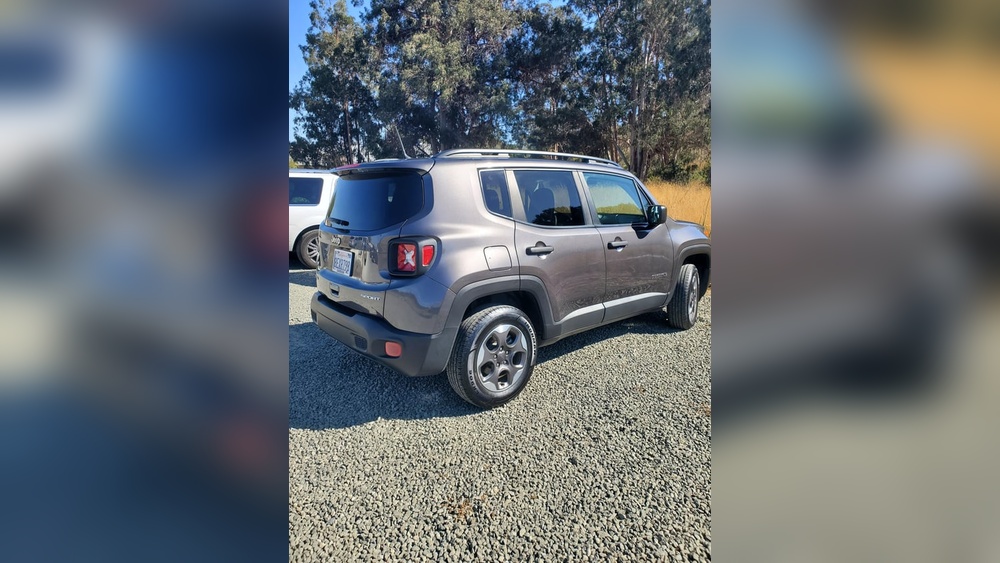
Common Causes Of Jeep Renegade Shaking
Shaking in your Jeep Renegade can come from several sources. Here are the most frequent causes:
1. Tire Problems
Worn, unbalanced, or damaged tires are one of the top reasons for vehicle shaking. If you feel the shake mostly at higher speeds, your tires might be out of balance or unevenly worn.
2. Wheel Alignment Issues
Poor alignment causes your wheels to pull in different directions, creating vibration. It’s more noticeable when you let go of the steering wheel and the car drifts or shakes.
3. Brake Problems
If shaking happens mainly when you brake, warped brake rotors are a likely cause. You may also feel a pulsating brake pedal.
4. Engine Issues
Misfiring spark plugs, dirty fuel injectors, or a clogged air filter can make your engine run unevenly, causing the whole vehicle to vibrate.
5. Suspension And Steering Components
Worn-out parts like ball joints, tie rods, or shocks can lead to shaking, especially when driving over bumps or turning.
Here’s a quick comparison of common causes and when you might notice the shake:
| Cause | When It Happens | Signs to Watch For |
|---|---|---|
| Tire Issues | Any speed, often worse at highway speeds | Tire wear, wheel wobble |
| Brake Problems | Braking | Pulsating pedal, shake stops after releasing brake |
| Engine Issues | Idling or acceleration | Rough idle, check engine light |
| Suspension/Steering | Bumps, turns | Clunking noises, loose steering |
Diagnosing The Shake
Pinpointing the source of the shake requires observation and sometimes professional help. Here are steps you can take:
1. Notice When The Shake Happens
Does it shake at idle, low speed, or only at highway speed? This clue is crucial.
2. Check Tires And Wheels
Look for uneven wear, flat spots, or visible damage. If you see a bulge or missing tread, replace the tire immediately.
3. Test The Brakes
Apply brakes gently at different speeds. If shaking increases, focus on the brake system.
4. Engine Check
Listen for rough sounds or feel for uneven power. A flashing check engine light means you should stop driving and call a mechanic.
5. Inspect Suspension
Push down on each corner of your Renegade. If it bounces more than twice, the shocks or struts may be worn.
Sometimes, it helps to compare symptoms:
| Symptom | Likely Problem Area |
|---|---|
| Shakes at high speed only | Tires/wheels |
| Shakes when braking | Brakes |
| Shakes at idle | Engine |
| Shakes over bumps | Suspension |
How To Fix Shaking In Your Jeep Renegade
The right fix depends on the root cause. Here’s what you can do:
- Tire and Wheel Solutions
- Balance and rotate your tires every 6,000 to 8,000 miles.
- Replace damaged or unevenly worn tires.
- Check for bent wheels after hitting potholes.
- Brake Repairs
- Replace warped rotors and worn brake pads.
- Flush brake fluid if it’s old or contaminated.
- Engine Tune-Up
- Change spark plugs as recommended (every 30,000–60,000 miles).
- Clean or replace air and fuel filters.
- Use quality fuel to prevent injector clogs.
- Suspension and Steering Work
- Replace worn shocks, struts, or ball joints.
- Realign your wheels after replacing suspension parts.
Here’s a simple maintenance frequency guide:
| Component | Check/Replace Interval |
|---|---|
| Tires | Check monthly, replace at 2/32″ tread |
| Brakes | Check every 10,000 miles |
| Spark Plugs | Replace every 30,000–60,000 miles |
| Suspension | Inspect every 50,000 miles |
When To See A Mechanic
While some issues are simple, others need expert attention. Go to a professional if:
- The shake is sudden or violent
- The steering wheel feels loose
- You hear loud clunks or grinding noises
- There’s a burning smell or smoke
These could mean a severe safety problem. Delaying repairs can cost more and put you at risk.
Two Insights Jeep Renegade Owners Often Miss
- Aftermarket wheels or tires can cause shaking if not installed or balanced correctly. Always have upgrades checked by a professional, especially if you notice new vibrations after a change.
- Loose lug nuts are an easy-to-miss danger. Even a single loose nut can make your Jeep shake and may lead to a wheel coming off. If you’ve recently had your tires rotated or changed, double-check the lug nuts for proper tightness.
Preventing Future Shaking
Prevention is key to a smooth ride:
- Rotate tires and balance wheels regularly
- Avoid potholes and curbs when possible
- Keep up with scheduled maintenance
- Don’t ignore small vibrations—they often get worse
For more on vehicle maintenance, the official Jeep Maintenance Guide is a trusted resource.
Why Does My Jeep Renegade Shake Only At High Speeds?
This usually points to unbalanced tires or bent wheels. It can also mean damaged suspension parts. Have a tire shop balance and inspect your wheels.
Can Bad Spark Plugs Make My Jeep Shake?
Yes. Worn or faulty spark plugs can cause misfires, making your engine run rough and the car shake, especially at idle or during acceleration.
Is It Safe To Drive If My Jeep Is Shaking?
It depends on the cause. Mild shaking from tire imbalance isn’t an emergency, but strong or sudden shaking—especially with noises or smells—means you should see a mechanic right away.
How Much Does It Cost To Fix Shaking In A Jeep Renegade?
Costs vary:
- Tire balancing: $40–$100
- Brake repairs: $150–$400
- Suspension work: $200–$1,000+
Diagnostic fees may apply if you need a mechanic to find the problem.
What Should I Do First If My Jeep Starts Shaking?
Check your tires for damage and ensure lug nuts are tight. If the problem continues or you’re unsure, schedule an inspection with a trusted mechanic.
Fixing a shaking Jeep Renegade doesn’t have to be stressful. By understanding the common causes and acting early, you’ll keep your drive safe, smooth, and enjoyable.