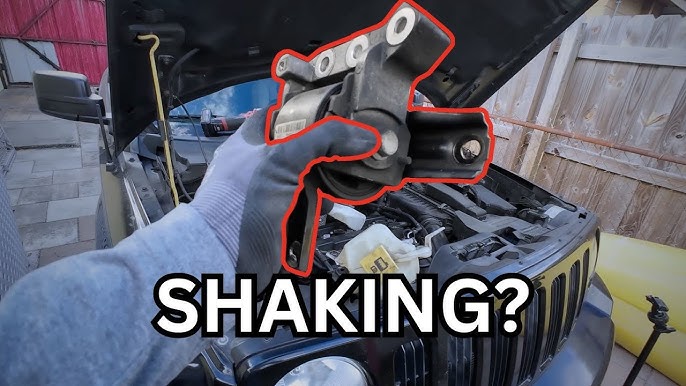
If your Jeep Patriot starts shaking, it’s more than just annoying—it’s a sign something needs attention. Shaking can happen while driving, idling, or even during braking. Ignoring it could lead to bigger problems or unsafe driving. Let’s explore the main causes, how to spot them, and what you should do next.
Common Reasons Your Jeep Patriot Is Shaking
Understanding why your Patriot shakes starts with knowing when and how it happens. Is it at high speeds, low speeds, or when stopped? Each clue points to different causes.
If your SUV shakes while idling or accelerating, the engine could be the problem. Common engine issues include:
- Worn spark plugs: Old or dirty spark plugs can cause misfires, leading to rough idling and shaking.
- Faulty ignition coils: A bad coil means one cylinder isn’t firing, making the engine vibrate.
- Clogged fuel injectors: When injectors are dirty, fuel doesn’t reach the engine smoothly, causing shakes.
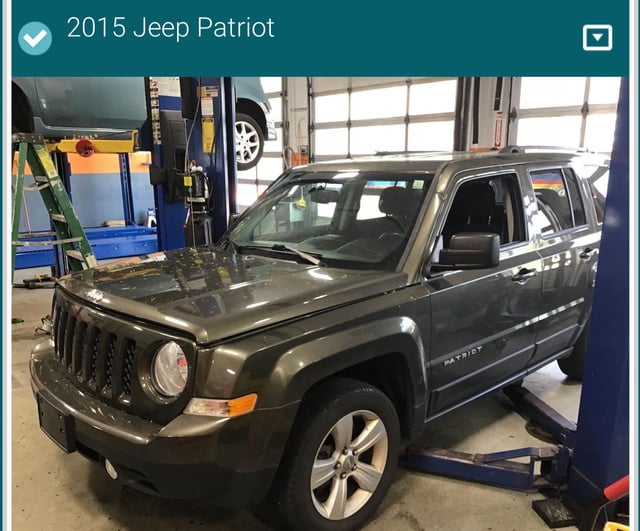
For example, a 2015 Jeep Patriot owner reported shaking and found two spark plugs fouled after 70,000 miles.
2. Wheel And Tire Issues
The most common cause of shaking at higher speeds is wheel or tire problems. Here’s what to check:
- Unbalanced tires: If the weight isn’t even, you’ll feel vibration, especially above 50 mph.
- Bent wheels: Hitting a pothole can bend a rim, causing constant shaking.
- Worn or uneven tires: Tread separation or uneven wear can make your ride rough.
This table compares common tire-related shaking symptoms:
| Symptom | Possible Cause | When It Happens |
|---|---|---|
| Shakes at high speed | Unbalanced tires | Above 50 mph |
| Shakes all the time | Bent wheel or bad tire | Any speed |
| Pulsing shake while braking | Warped rotors | Braking |
3. Suspension And Steering Problems
A worn suspension or steering part can cause shakes and make handling less precise.
- Worn ball joints or tie rods: These connect your wheels to the steering. If they fail, you’ll feel vibration and hear clunking.
- Bad control arm bushings: These rubber parts isolate road bumps. When they go bad, shaking increases, especially on rough roads.
- Damaged struts or shocks: Worn-out shocks can’t absorb bumps, leading to bouncing and vibration.
Signs of suspension issues often include uneven tire wear and drifting when driving straight.
4. Brake System Concerns
Does your Jeep shake only when you press the brake pedal? The brake system is likely to blame.
- Warped brake rotors: If rotors are uneven, the brake pads can’t grip smoothly, causing a pulsing shake.
- Stuck caliper: A caliper that doesn’t release will keep a pad pressed, causing heat, vibration, and even a burning smell.
Many Patriot owners notice steering wheel vibration when braking from highway speeds usually a sign of rotor problems.
5. Drivetrain And Transmission Issues
Drivetrain problems are less common but can cause shaking, especially during acceleration.
- Worn CV joints: These joints transfer power to the wheels. When they wear out, you’ll feel vibration and sometimes clicking noises when turning.
- Bad motor mounts: Motor mounts hold the engine and transmission. If broken, they can’t absorb engine vibrations, sending them through the car.
- Transmission problems: Slipping gears or rough shifts can create shakes, usually felt during gear changes.
This table outlines common drivetrain causes:
| Problem | Typical Symptoms | When Felt |
|---|---|---|
| Worn CV joint | Shaking, clicking on turns | Turning/accelerating |
| Bad motor mount | Vibration at idle | Stopped or accelerating |
| Transmission issues | Shaking during shifts | Changing gears |
Diagnosing The Problem
Pinpointing the cause saves money and time. Here are practical steps to narrow it down:
- Observe when it happens: Take note if shaking occurs while stopped, moving, accelerating, or braking.
- Inspect tires and wheels: Look for uneven wear, bulges, or bent rims.
- Check for warning lights: A check engine light can signal engine or transmission trouble.
- Test brakes: If the steering wheel shakes only when you brake, suspect the rotors.
- Listen for noises: Clicking, clunking, or grinding sounds can help identify suspension or drivetrain issues.
A mechanic can use diagnostic tools for deeper engine or transmission problems.

What You Can Do Next
Some causes are easy to fix yourself, while others need a professional. Here’s what you can try first:
- Rotate and balance tires: This often fixes high-speed shakes.
- Replace spark plugs: If your Jeep is due, this is cheap and effective.
- Check for recalls: Sometimes shaking is due to known issues. Visit the Jeep website or NHTSA for recall info.
- See a mechanic: For brakes, suspension, or drivetrain issues, expert help is safest.
Non-obvious Insights
- Aftermarket wheels or tires: Sometimes, shakes start after installing non-original wheels or oversized tires. Always check compatibility.
- Hidden tire damage: Even if tires look fine, internal damage from potholes can cause vibration. Ask for a road force balance test, which checks for hidden problems.
How To Prevent Future Shaking
- Rotate tires every 6,000 miles to spread wear evenly.
- Align wheels yearly or after hitting large potholes.
- Keep up with engine maintenance: Change spark plugs and filters as recommended.
- Inspect suspension parts during regular oil changes.
Routine care is the best way to keep your Jeep Patriot running smooth and shake-free.
Frequently Asked Questions
Why Does My Jeep Patriot Shake Only At High Speeds?
Shaking at high speeds is usually caused by unbalanced tires or a bent wheel. Sometimes, worn suspension parts can make the problem worse.
Is It Safe To Drive My Jeep Patriot When It’s Shaking?
Short drives may be safe, but ongoing shaking can damage other parts and reduce control. It’s best to get it checked as soon as possible.
How Much Does It Cost To Fix Shaking In A Jeep Patriot?
Costs vary. Tire balancing might cost $50–$100, while brake repairs or suspension work could be $200–$700 or more, depending on the part.
Can Bad Motor Mounts Cause Shaking?
Yes, worn motor mounts can let engine vibrations pass into the car body, causing shakes, especially at idle or when starting to move.
How Do I Know If Shaking Is Caused By The Engine Or The Wheels?
If shaking happens at idle or low speeds, it’s likely engine-related. If it happens at certain speeds, it’s probably the wheels or tires.
A shaking Jeep Patriot deserves attention. Early action can prevent bigger, costlier problems and keep your drive safe and comfortable.
With a bit of observation and the right checks, you can get your SUV running smoothly again.