If your Jeep is making a ticking noise, it can be worrying and confusing. Ticking sounds often signal something is not right, but finding the exact cause isn’t always simple.
This guide will help you understand why your Jeep might be ticking, what to check, and how to fix it. Whether you drive a Wrangler, Grand Cherokee, or another model, the tips here will make it easier to diagnose the problem and prevent further damage.
Common Causes Of Ticking Noise In Jeeps
A ticking noise can come from many parts of your Jeep. Knowing where the sound comes from is the first step. Here are the most frequent reasons:
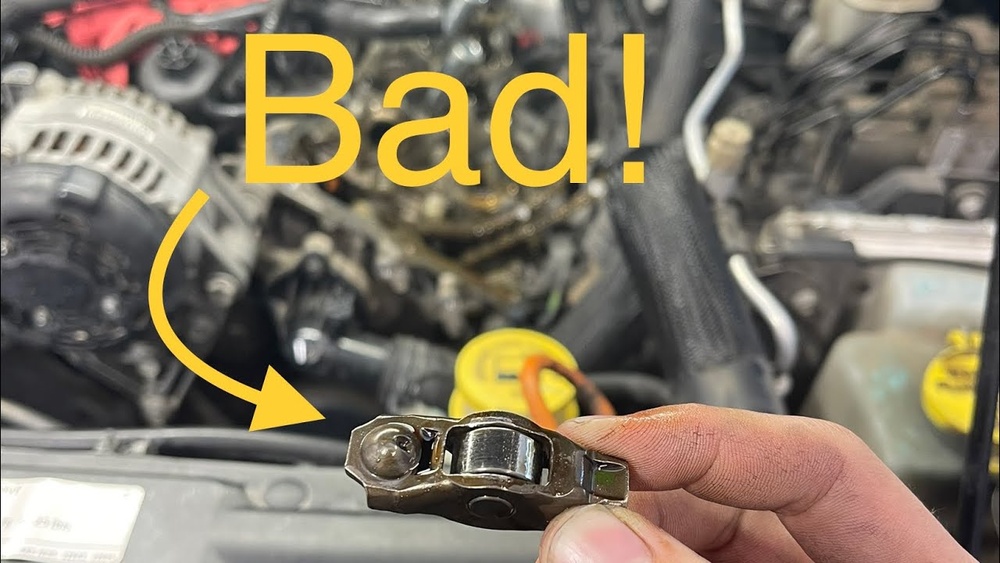
1. Engine Valvetrain Issues
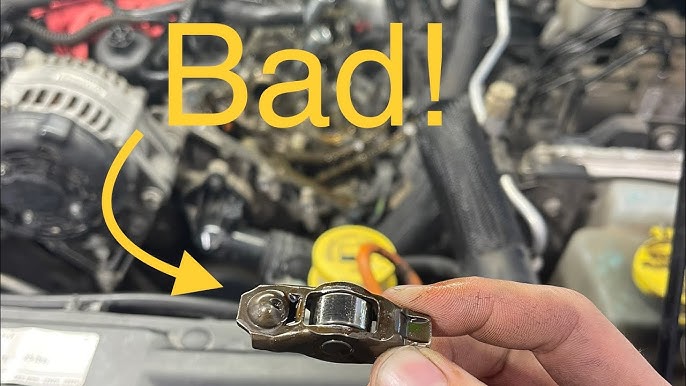
The valvetrain controls the opening and closing of the engine’s valves. If a lifter or rocker arm is worn or out of adjustment, you may hear a ticking sound. This is more common in older Jeeps or ones with high mileage.
2. Low Or Dirty Engine Oil
When oil levels are low or oil is dirty, engine parts don’t get proper lubrication. This can cause a ticking sound, especially when the engine is cold or just started.
3. Exhaust Leaks
A small leak in the exhaust manifold or gasket can produce a ticking noise as hot gases escape. This is usually louder when you accelerate.
4. Injector Noise
Fuel injectors make a clicking sound as they open and close. This is normal, but if it becomes louder, it could indicate a problem with one or more injectors.
5. Loose Or Damaged Parts
Loose heat shields, bolts, or other components can vibrate and create ticking sounds. Sometimes the noise changes with speed or engine RPM.
6. Timing Chain Or Belt Problems
A worn timing chain or belt can create a rhythmic ticking. If not fixed, this can lead to serious engine damage.
7. Electrical Issues
Relays or electrical switches can make ticking noises. While harmless, they can be mistaken for mechanical problems.
How To Locate The Ticking Noise
Finding the source of the ticking is important. Here’s a simple way to narrow it down:
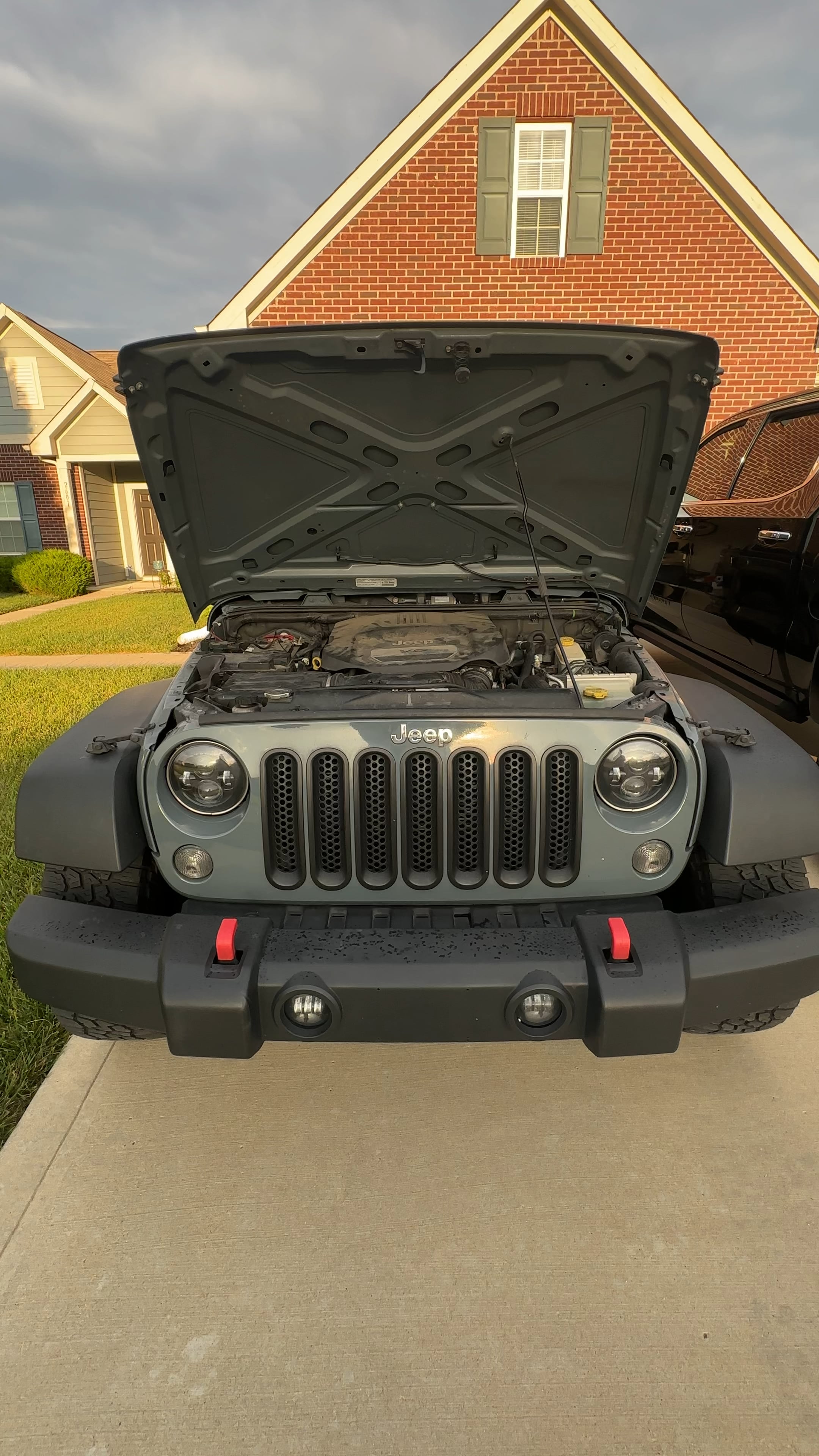
- Listen with the hood open.
- Check if the noise gets louder when you rev the engine.
- Move around the engine bay to see where the sound is strongest.
- Use a mechanic’s stethoscope or a long screwdriver to listen to different parts.
Below is a comparison of common ticking sources and their typical locations:
| Ticking Source | Location | Noise Pattern |
|---|---|---|
| Valvetrain | Top of engine | Rhythmic, matches RPM |
| Exhaust leak | Manifold area | Louder with acceleration |
| Injector | Side of engine | Consistent, light ticking |
| Loose parts | Anywhere | Random, may change with bumps |
Diagnosing The Problem
Once you know where the ticking is coming from, you can check for specific issues. Here’s how to diagnose:
Engine Oil
- Check the dipstick for oil level and color.
- If oil is low or dark, change it right away.
- Use the type of oil recommended in your owner’s manual.
Exhaust Leaks
- Inspect the exhaust manifold for cracks or missing bolts.
- Look for black soot around gaskets.
- Listen for ticking that gets louder under load.
Injector And Electrical Noise
- Use a stethoscope to listen to injectors.
- Compare the sound to other Jeeps if possible.
- Check for error codes with a scan tool.
Timing Chain/belt
- Listen for ticking near the front of the engine.
- If you hear a slapping or rattling, get it checked immediately.
- Review maintenance records to see if the chain or belt is due for replacement.
Here’s a table comparing engine oil issues with timing chain problems:
| Issue | Symptoms | Risk Level | Repair Cost |
|---|---|---|---|
| Low/Dirty Oil | Ticking, oil warning light | Moderate | $40-$100 |
| Timing Chain | Ticking, rattling, poor performance | High | $600-$1200 |
How To Fix Ticking Noise In Your Jeep
Most ticking problems can be solved with simple steps. Here’s what you should do:
1. Check And Replace Engine Oil
This is often the cheapest and fastest fix. Always use fresh oil and the correct filter.
2. Tighten Or Replace Loose Parts
Inspect heat shields, bolts, and brackets. Tighten or replace as needed.
3. Repair Exhaust Leaks
Replace damaged gaskets or cracked manifolds. Use high-quality parts for a long-lasting fix.
4. Replace Faulty Injectors
If an injector is noisy or failing, swap it for a new one. This will also improve engine performance.
5. Address Valvetrain Wear
If lifters or rockers are worn, have them inspected and replaced by a mechanic. This prevents bigger engine problems later.
6. Fix Timing Chain Or Belt
If you suspect timing chain issues, don’t wait. Get professional help to avoid engine damage.
Here’s a quick comparison of repair steps and estimated costs:
| Repair Step | Estimated Cost | DIY Difficulty |
|---|---|---|
| Oil Change | $40-$100 | Easy |
| Exhaust Gasket | $150-$350 | Medium |
| Timing Chain | $600-$1200 | Hard |
| Injector Replacement | $250-$400 | Medium |
Non-obvious Insights: What Most Jeep Owners Miss
- Ticking can signal early engine wear. Even if the sound seems minor, it can mean a bigger issue is starting. Early action prevents expensive repairs.
- Heat cycles change ticking sounds. Some noises only appear when the engine is cold or after a long drive. Always listen at different times and temperatures.
When To See A Mechanic
If the ticking gets louder, is joined by other symptoms (like loss of power or warning lights), or you can’t find the source, visit a trusted mechanic. Ignoring ticking can lead to bigger problems such as engine failure or exhaust leaks that affect safety.
Frequently Asked Questions
Why Does My Jeep Tick Only When Cold?
Cold engine parts can shrink and create gaps. This makes ticking more obvious. As the engine warms, metal expands and the noise can fade.
Is Ticking Always A Sign Of Engine Trouble?
No. Some ticking is normal, like from fuel injectors or relays. But new or loud ticking should be checked, especially if it changes with speed or load.
Can Bad Oil Cause Ticking In My Jeep?
Yes. Low or dirty oil is a leading cause of engine ticking. Always use the right oil and change it on schedule.
Should I Drive My Jeep If It’s Ticking?
It depends. If the ticking is soft and doesn’t change, you can drive for a short time. If it’s loud or combined with other problems, stop and get help.
Where Can I Find More Jeep Repair Information?
You can find detailed guides and official repair tips at Jeep’s official site.
A ticking noise in your Jeep is not something to ignore. Most causes are simple to fix, but some signal serious trouble. Listening carefully, checking the basics, and acting quickly will save you money and keep your Jeep running smoothly.
If you’re unsure, always ask a professional. Remember, small noises today can become big problems tomorrow.