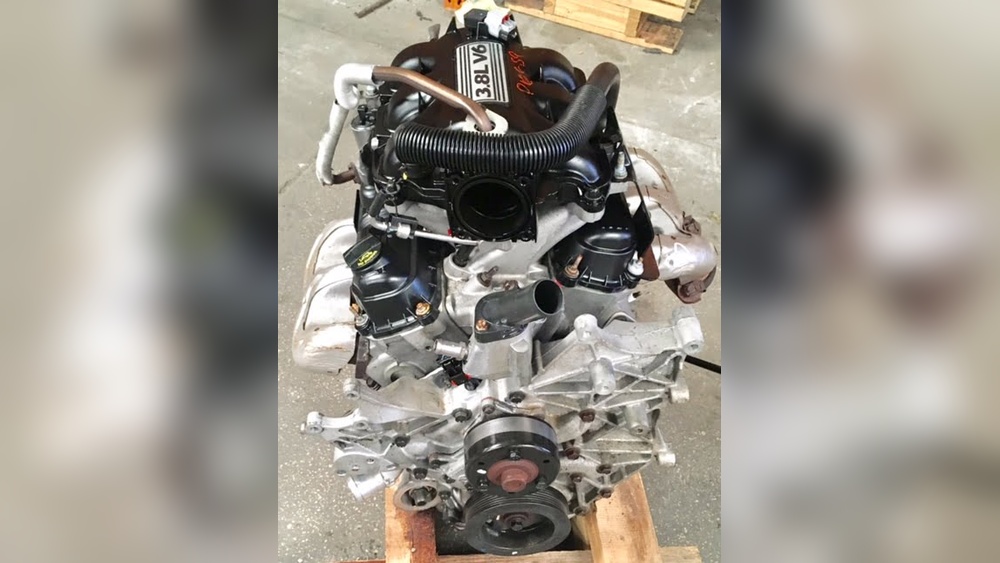
Dodge and Jeep are two of the most recognized names in the American car industry. Both brands have a strong reputation for rugged vehicles, but many people wonder about their relationship. Does Dodge make Jeep? The answer is more complicated than it seems.
Understanding how these brands are connected can help buyers and enthusiasts make better decisions and appreciate the history of these vehicles.
The Roots Of Dodge And Jeep
Dodge began in the early 1900s, building parts and vehicles for the growing US market. Jeep’s story started during World War II, when the US military needed a tough, reliable vehicle for soldiers. The first Jeep was made by Willys-Overland, not Dodge. After the war, Jeep became popular with civilians. Dodge, meanwhile, was known for trucks, cars, and muscle vehicles.
Over time, both brands changed owners several times. Jeep went from Willys to AMC (American Motors Corporation) in the 1970s. Dodge was acquired by Chrysler in 1928. Today, both Dodge and Jeep are part of a large group called Stellantis. This global company also owns Ram, Chrysler, Fiat, Alfa Romeo, and several other brands.
Who Really Makes Jeep?
To answer the question clearly: Dodge does not make Jeep. Jeep is a separate brand with its own line of vehicles. However, both Jeep and Dodge are managed by Stellantis. The factories that build Jeeps are owned by Stellantis, not Dodge. The two brands share some technology and parts, but their vehicles are designed differently.
Jeep Manufacturing Locations
Jeep vehicles are built in several locations, including:
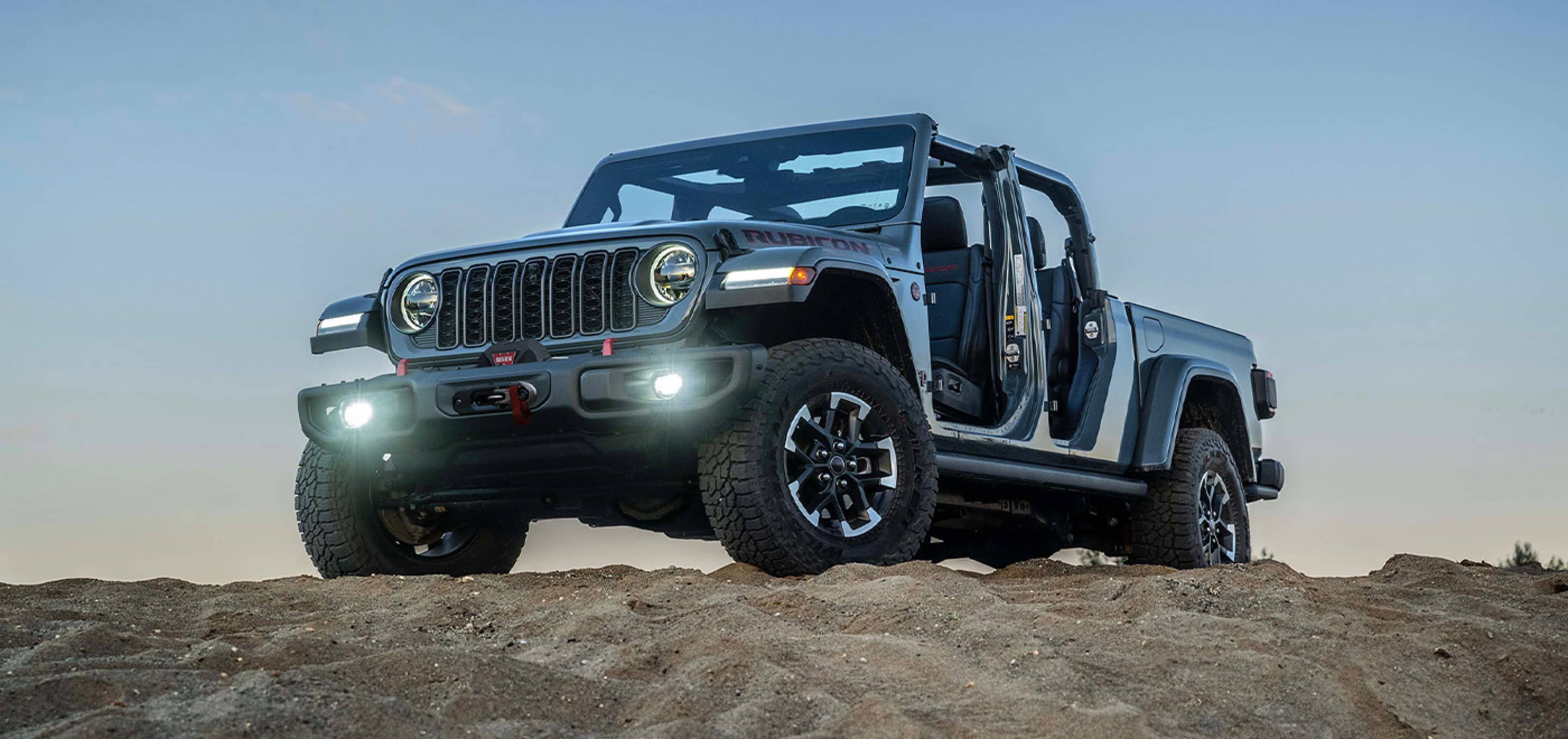
- Toledo, Ohio (Jeep Wrangler, Jeep Gladiator)
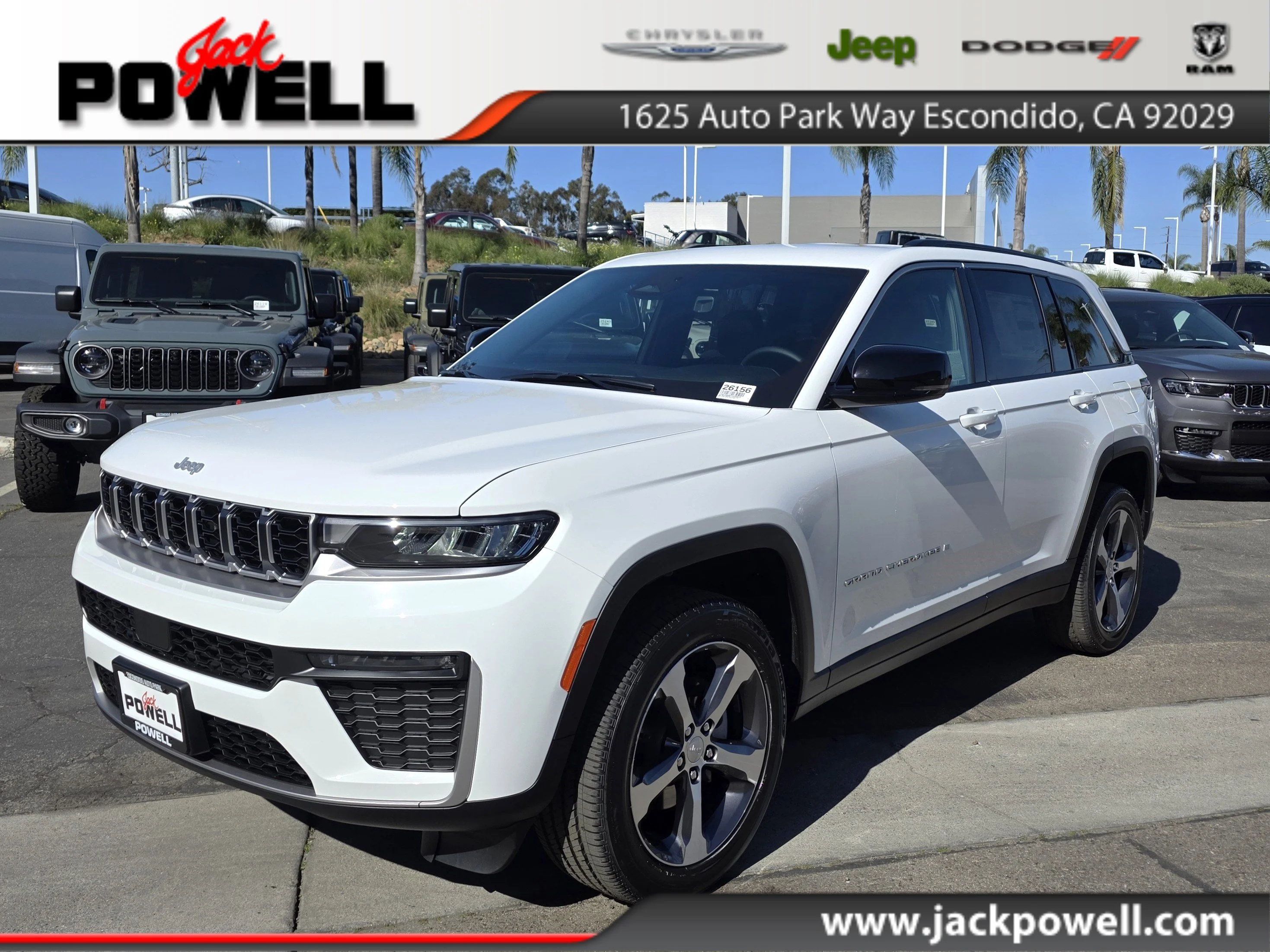
- Detroit, Michigan (Jeep Grand Cherokee)
- Belvidere, Illinois (Jeep Compass, Jeep Cherokee)
These factories produce Jeep models only. Dodge cars are made in different plants.
Comparing Jeep And Dodge Vehicles
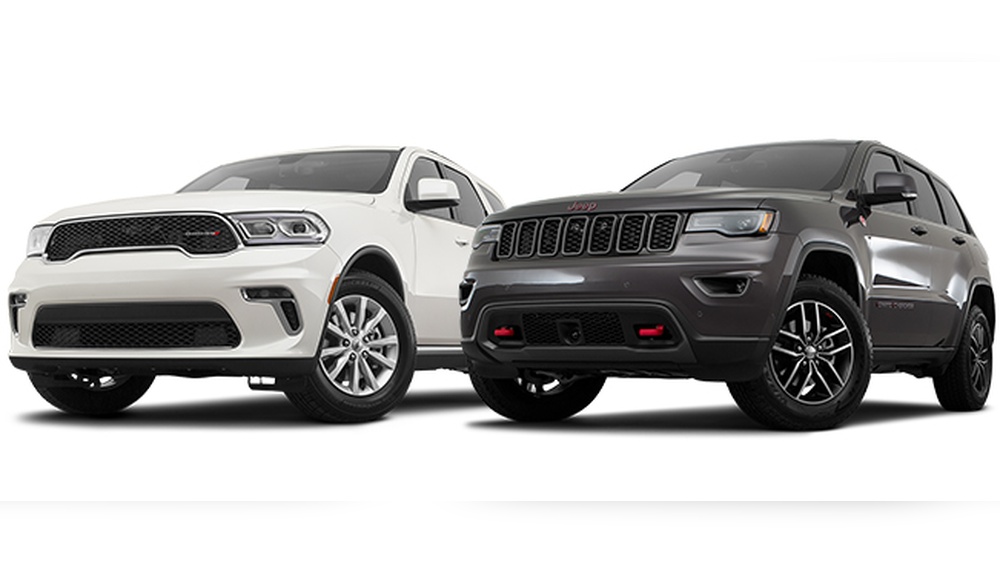
While both brands are under Stellantis, their vehicles serve different purposes. Jeep is famous for off-road SUVs. Dodge focuses on muscle cars and family SUVs. Sometimes, people confuse Dodge and Jeep because some Dodge SUVs look similar to Jeep models.
Here’s a comparison of popular vehicles from both brands:
| Brand | Popular Model | Main Feature | Market Focus |
|---|---|---|---|
| Jeep | Wrangler | Off-road capability | Adventure |
| Jeep | Grand Cherokee | Luxury SUV | Family, comfort |
| Dodge | Durango | Powerful engine | Performance SUV |
| Dodge | Charger | Muscle car | Speed, style |
Jeep’s strong point is off-road driving. Dodge stands out in speed and performance.
Since Jeep and Dodge are under the same parent, they share some technology. For example, some Dodge SUVs use engines found in Jeeps. Stellantis uses a strategy called “platform sharing,” which means several brands use the same base for their vehicles.
This helps reduce costs and improve reliability.
Here’s a look at how platform sharing works:
| Platform | Used By | Example Models |
|---|---|---|
| Chassis | Jeep & Dodge | Jeep Grand Cherokee, Dodge Durango |
| Engine | Jeep & Dodge | 3.6L Pentastar V6 |
| Infotainment | Jeep, Dodge, Chrysler | Uconnect system |
Still, each brand designs its vehicles for a different type of driver. Jeep models focus on all-terrain, while Dodge is about power and sporty design.
Why People Get Confused
Many buyers think Dodge makes Jeep because:
- Both brands are owned by Stellantis
- Some Dodge SUVs share parts with Jeep
- Dealerships often sell both brands together
But the truth is, Jeep is a separate brand. Dodge does not design, build, or market Jeep vehicles. Stellantis manages both, but keeps their identities apart.
Non-obvious Insights
- Most buyers don’t realize that Jeep’s legendary off-road ability comes from decades of engineering focused only on rugged terrain. Dodge, on the other hand, puts its energy into speed and handling, especially for models like the Charger and Challenger.
- Jeep and Dodge sometimes share engines, but the tuning is different. For example, the Jeep Grand Cherokee and Dodge Durango both use the 5.7L Hemi V8. However, Jeep tunes its version for smoother performance off-road, while Dodge aims for higher speed and acceleration.
Ownership Structure
Stellantis is the parent company of both Dodge and Jeep. Stellantis was formed in 2021 after a merger between Fiat Chrysler Automobiles (FCA) and PSA Group. This merger made Stellantis one of the largest car makers in the world. The company controls more than 14 brands, including:
- Jeep
- Dodge
- Ram
- Chrysler
- Fiat
- Peugeot
- Alfa Romeo
Jeep and Dodge remain separate brands, even though they share some resources.
Where To Find Accurate Information
Many online sources confuse the relationship between Dodge and Jeep. For trusted details, check official sites or respected automotive news. The Stellantis Wikipedia page explains the company’s structure and brand relationships.
What Matters For Buyers
If you want a Jeep, focus on off-road features, towing, and durability. For a Dodge, look for engine power, sporty design, and family-friendly options. Don’t let shared technology or dealership marketing blur the difference. Always check the brand badge and VIN information when buying.
Frequently Asked Questions
Is Jeep Owned By Dodge?
No, Jeep is not owned by Dodge. Both brands are managed by Stellantis, but Jeep is a separate company.
Do Jeep And Dodge Use The Same Engines?
Sometimes. Some models use the same engines, like the 3.6L Pentastar V6 or the 5.7L Hemi V8, but they are tuned differently for each brand’s needs.
Are Jeep And Dodge Vehicles Made In The Same Factories?
Not usually. Jeep and Dodge vehicles are built in separate plants, although some factories may produce vehicles for both brands.
Can Dodge Dealers Sell Jeep Vehicles?
Yes, many Dodge dealerships also sell Jeeps. This is because Stellantis allows dealers to represent multiple brands.
Why Do Some Dodge Suvs Look Like Jeeps?
They share some parts and platforms, but Dodge designs its SUVs for performance while Jeep focuses on off-road ability. The similarities come from shared engineering, not because Dodge makes Jeep.
Dodge and Jeep are iconic brands with strong identities. They share a parent company, but they remain distinct. Knowing the difference helps you make smarter choices and appreciate what makes each brand special.