If your Jeep is having trouble starting, it can be both stressful and confusing. Many Jeep owners face this issue at some point, whether it’s an older Wrangler or a newer Grand Cherokee.
While some problems are simple, others can point to deeper mechanical or electrical faults.
Understanding the main causes can help you fix the issue faster and avoid more expensive repairs.
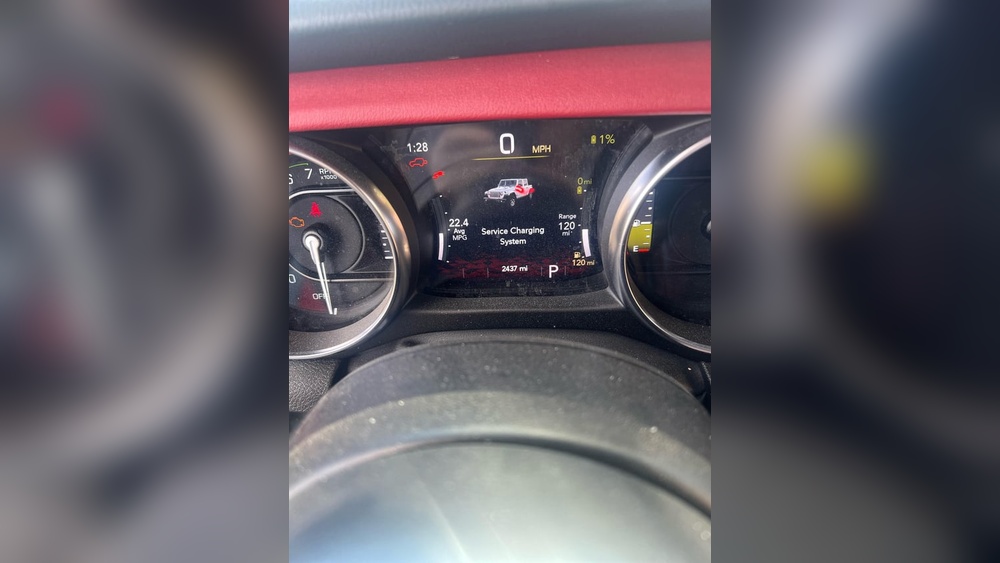
Common Reasons Your Jeep Won’t Start
Several things can stop your Jeep from starting. Below are the most frequent causes, along with signs to watch for.
1. Weak Or Dead Battery
The battery is often the first place to check. Car batteries last about 3-5 years. If your Jeep makes a clicking sound but doesn’t start, or the lights are dim, your battery may be weak.
Key signs:
- No interior or dashboard lights
- Slow engine crank
- Needing a jump-start
Tip: Test your battery with a voltmeter. A healthy battery should read around 12.6 volts when the engine is off.
2. Faulty Starter Motor
The starter motor turns the engine over when you turn the key. If you hear a single click or nothing at all, the starter could be the problem.
Common signs:
- Repeated clicking noise
- Lights and electronics work, but the engine doesn’t crank
Insight: Sometimes, a stuck starter relay or worn-out starter brushes cause this. Hitting the starter with a tool can sometimes free it briefly, but this is only a temporary fix.
3. Bad Ignition Switch
The ignition switch sends power to the starter and other systems. If it fails, nothing happens when you turn the key.
Warning signs:
- No response when turning the key
- Accessories like radio and lights may not work
Non-obvious issue: Older Jeeps often have worn ignition switches due to heavy keychains or frequent use.
4. Empty Or Contaminated Fuel
No fuel means no start, but bad gas can also cause issues. Water or dirt in the tank can block injectors.
Symptoms:
- Cranks but does not start
- Sputtering or rough idle after starting
Tip: If you suspect bad fuel, drain the tank and refill with fresh gasoline.
5. Faulty Fuel Pump
The fuel pump sends gas to your engine. If it fails, your Jeep may crank but not fire up.
Clues:
- No sound from the fuel tank when turning the key to “on”
- Engine cranks but does not start
Advanced insight: Fuel pumps can fail slowly, sometimes working only when the tank is half full or more.
6. Faulty Sensors
Modern Jeeps use sensors like the crankshaft position sensor and camshaft position sensor to control fuel and spark timing. If these fail, your engine won’t start.
Signs:
- Check Engine light is on
- No spark or fuel injector pulse
Practical tip: Use an OBD-II scanner to check for sensor-related codes.
Comparing Key Jeep Starting Problems
A quick comparison can help you spot the differences between common issues.
| Problem | Key Symptom | Quick Check |
|---|---|---|
| Dead Battery | No lights, no crank | Test voltage |
| Bad Starter | Clicking noise, no crank | Tap starter lightly |
| Fuel Issue | Cranks, no start | Listen for fuel pump |
Electrical Vs. Mechanical Causes
Understanding whether your Jeep’s problem is electrical or mechanical can save you time.
| Type of Issue | Examples | Tools Needed |
|---|---|---|
| Electrical | Battery, ignition switch, sensors | Voltmeter, OBD-II scanner |
| Mechanical | Starter motor, fuel pump, timing belt | Socket set, fuel pressure gauge |
How To Diagnose A Jeep That Won’t Start
Solving a starting problem is easier if you follow a step-by-step approach:
- Check the battery first. Test voltage and check for corrosion on the terminals.
- Listen for sounds when turning the key. Clicking means electrical, silence could be the ignition switch.
- Test for fuel delivery. Listen for the fuel pump’s hum. If silent, suspect the pump or relay.
- Scan for codes if you have a Check Engine light. OBD-II scanners can point to faulty sensors.
- Inspect connections. Loose or corroded battery cables and ground wires are often missed by beginners.
Tip: Many Jeep models are sensitive to poor grounds. Clean and tighten the negative battery cable and engine ground strap.

Weather And Environmental Factors
Cold weather, heat, and humidity all impact your Jeep’s starting system. Batteries lose power faster in cold temperatures.
Moisture can cause corrosion in wiring and connectors.
| Condition | Effect on Starting |
|---|---|
| Extreme Cold | Slower battery output, thick oil |
| High Heat | Vapor lock, weak sensors |
| Humidity | Corroded terminals, poor connections |
When To Seek Professional Help
Some Jeep starting problems can be solved at home, but others need a skilled mechanic. If you smell fuel, see smoke, or hear grinding noises, stop and call for help.
Repeated failed starts can damage the starter motor or battery.
Regular maintenance and early diagnosis prevent most serious issues.
For more technical information, you can visit the official Jeep Maintenance page.

Frequently Asked Questions
Why Does My Jeep Only Start Sometimes?
This usually points to an intermittent electrical problem—possibly a weak battery, bad starter relay, or loose wiring. Environmental factors like moisture can make these issues come and go.
Can A Bad Key Or Security System Stop My Jeep From Starting?
Yes. Modern Jeeps have anti-theft chips in the key. If the system does not recognize your key, the engine will not start. Try using your spare key to rule this out.
What Does It Mean If My Jeep Cranks But Won’t Start?
If the engine turns over but does not fire, this suggests a fuel or spark problem. Check for fuel pump noise and scan for engine codes.
How Can I Tell If My Jeep’s Starter Is Bad?
A bad starter often makes a single loud click or repeated clicks when you turn the key. Sometimes tapping the starter can get it working briefly.
Is It Safe To Jump-start My Jeep?
Generally yes, if you follow proper steps. Make sure the jumper cables are connected correctly.
If your Jeep still won’t start after a jump, further diagnosis is needed.
A Jeep that won’t start is frustrating but rarely unsolvable. Most causes can be found by checking the battery, starter, fuel system, and key sensors.
Stay calm, follow a logical process, and you’ll find the root of the problem faster.
If you’re unsure, a trusted mechanic can help you get back on the road safely.



















