If you own a Jeep Grand Cherokee and start hearing a ticking noise from the engine, it can be worrying. Ticking sounds can mean many things—some minor, some serious.
Understanding what causes these noises and how to respond can save you money and stress. In this article, you’ll learn the main reasons for ticking in a Jeep Grand Cherokee, how to identify them, and what you should do next.
Common Reasons Your Jeep Grand Cherokee Is Ticking
A ticking noise from your Grand Cherokee’s engine or under the hood is often the first sign something needs attention. Here are the most frequent causes:
1. Low Oil Level Or Pressure
Your engine needs enough oil to lubricate moving parts. If the oil is low or too thin, you may hear ticking sounds, especially right after starting the car.
This happens because the metal parts inside the engine rub together more.
2. Valve Lifter Problems
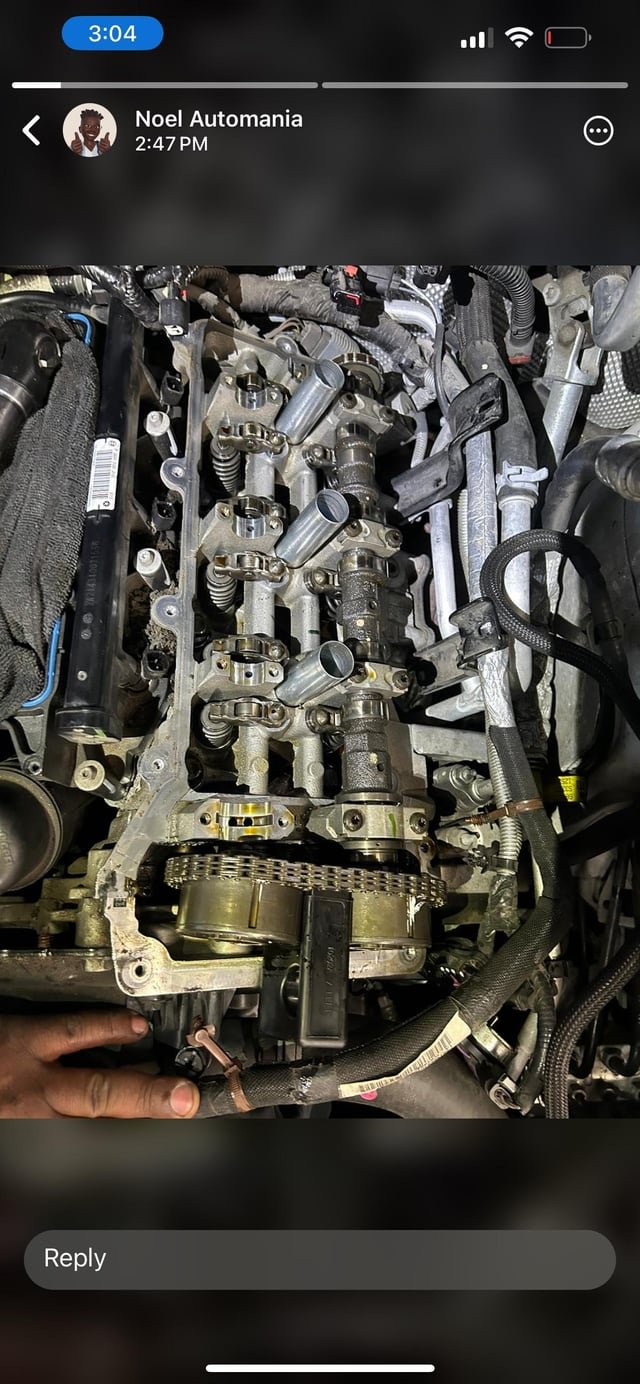
The valve lifters are small parts that open and close your engine’s valves. If they get stuck or wear out, they can make a steady ticking noise. Older Grand Cherokees, or those with high mileage, are more prone to this issue.
3. Exhaust Leak
A small leak where the exhaust manifold connects to the engine can cause a ticking or tapping sound, mostly when the engine is cold. The sound may fade as the metal heats up and expands.
4. Fuel Injector Clicking
Modern engines use fuel injectors to spray fuel into the engine. These injectors can make a soft ticking noise as they open and close. This is usually normal, but loud or irregular ticking could mean an injector is failing.
5. Worn Engine Components
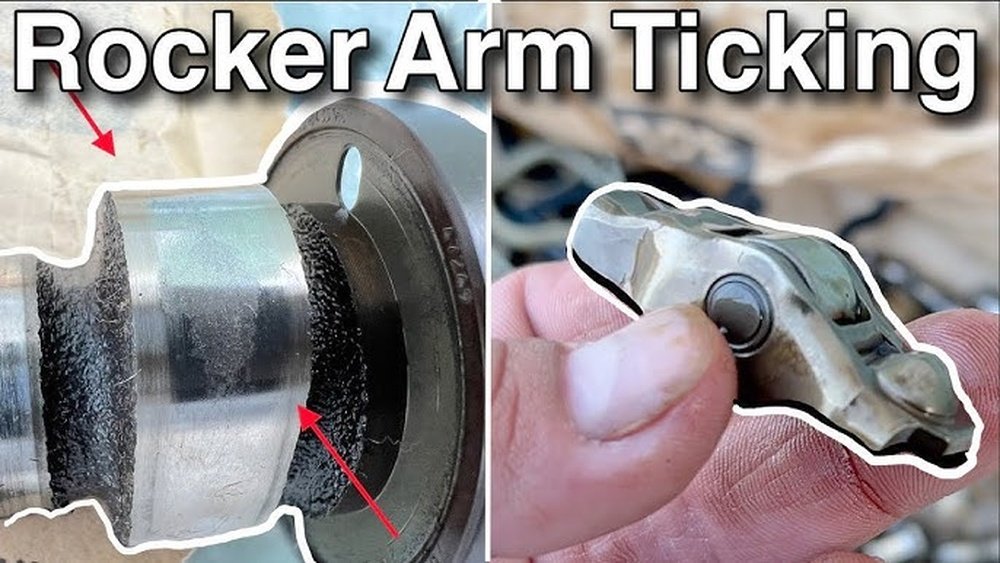
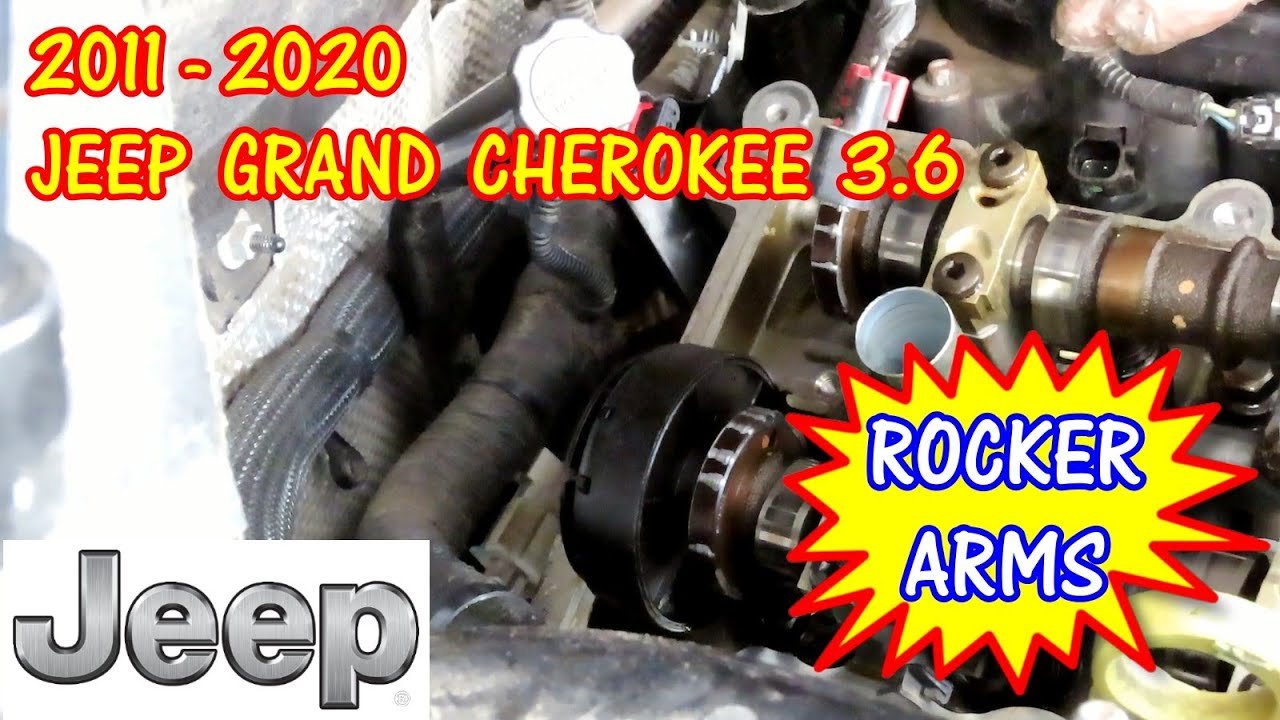
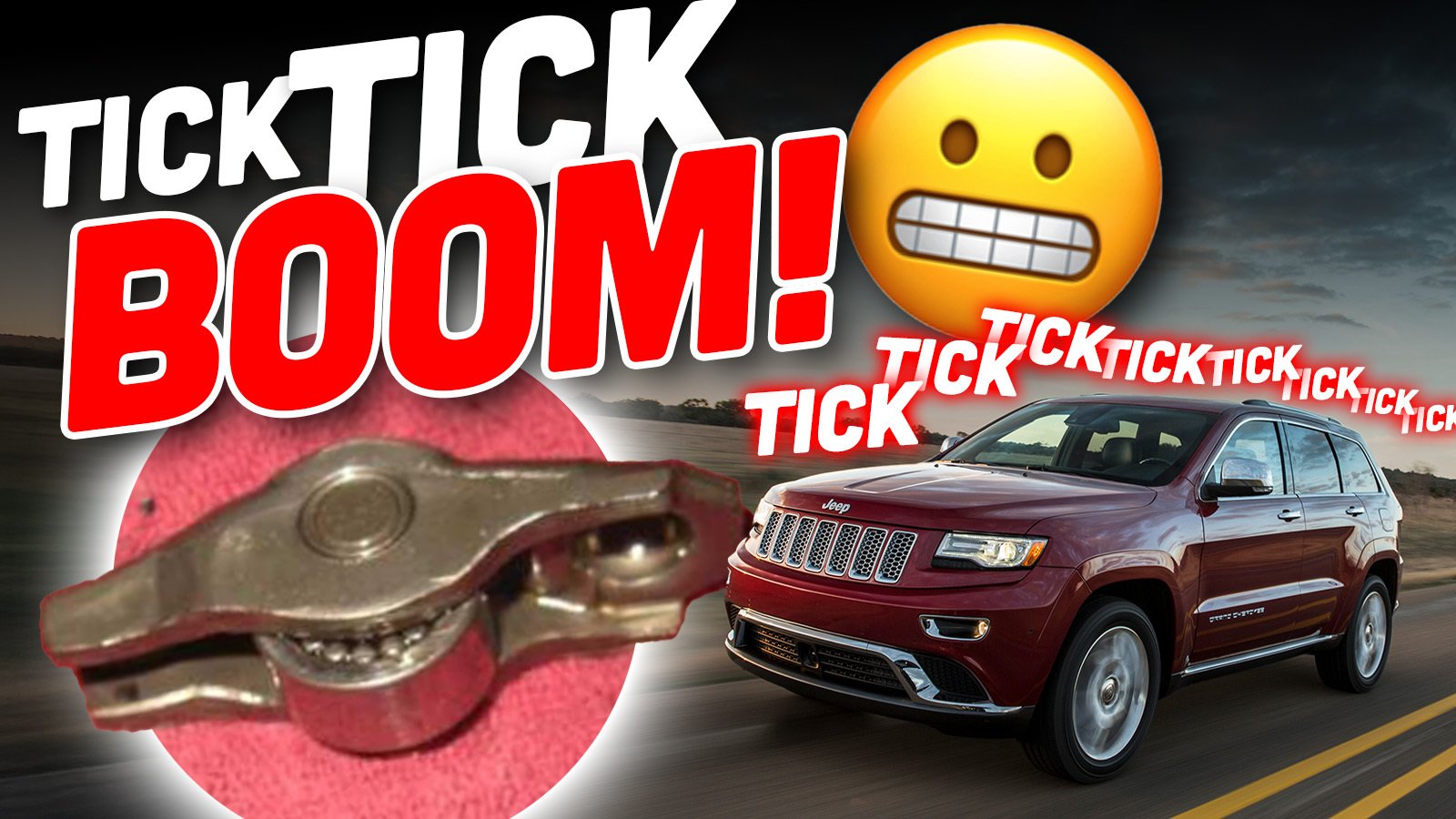
Parts like timing chains, camshafts, and rocker arms can wear out over time. When they do, they may start to tick or click, especially when you accelerate.
6. Spark Plug Problems
Loose or damaged spark plugs can cause ticking. If a plug is not tightened properly, exhaust gases can escape, making a noise similar to a ticking valve.
Below is a comparison of the most common ticking noise causes and their typical symptoms:
| Cause | Location of Noise | Typical Symptom |
|---|---|---|
| Low Oil Level | Top of engine | Louder on cold start, improves when warm |
| Valve Lifter Issue | Top/side of engine | Constant ticking, may get louder with RPM |
| Exhaust Leak | Exhaust manifold area | Ticking when cold, fades as engine warms |
| Fuel Injector | Near intake manifold | Rhythmic, light ticking |
| Spark Plug Issue | Near spark plug location | Ticking, possible engine misfire |
Diagnosing The Ticking Noise
Finding the exact source of ticking can be tricky, but a few steps can help:
- Listen carefully: Try to identify if the sound is coming from the top, side, or bottom of the engine.
- Check oil level: Use the dipstick when the engine is cool. Low oil is a common cause.
- Look for leaks: Check around the exhaust manifold for black soot or signs of leakage.
- Inspect spark plugs: Loose or broken plugs can be seen and felt.
- Use a mechanic’s stethoscope: This tool helps you pinpoint the noise more precisely.
Here’s a quick guide to help compare the urgency of different ticking causes:
| Issue | Urgency | Potential Damage |
|---|---|---|
| Low Oil Level | Immediate | Severe engine damage if ignored |
| Valve Lifter Problem | High | Possible engine wear over time |
| Exhaust Leak | Moderate | Can lead to emissions issues, rare engine harm |
| Fuel Injector Noise | Low | Usually harmless, unless injector fails |
| Spark Plug Issue | High | Possible engine misfire, fuel waste |
How To Fix Ticking In A Jeep Grand Cherokee
What you do next depends on the cause. Here’s how to approach each situation:
- If oil is low or dirty, add or change the oil right away. Always use the correct grade for your model.
- Valve lifter noise may need a professional. Sometimes, using a high-quality oil additive can help, but worn lifters will need replacing.
- For an exhaust leak, tighten bolts if loose, or replace the gasket if you see damage. If unsure, let a mechanic check.
- If fuel injectors are noisy but the car runs smoothly, it’s likely normal. But if you notice rough idling or poor performance, have them inspected.
- Spark plug ticking can be fixed by tightening or changing the plugs. Always torque to the recommended specs.
A tip many people miss: Always check for Technical Service Bulletins (TSBs) for your specific Jeep Grand Cherokee model year. Sometimes, ticking noises are known issues with simple fixes released by the manufacturer.
When To Visit A Mechanic
Some ticking noises are harmless, but others need fast action. Visit a mechanic if:
- The ticking gets louder or changes suddenly.
- You notice other symptoms like poor acceleration, smoke, or dashboard warnings.
- Oil pressure is low or you see an oil leak.
- The noise doesn’t go away after you check the basics.
A skilled mechanic can use diagnostic tools to pinpoint the exact cause and prevent bigger problems.
Two Insights Many Owners Overlook
- Aftermarket oil filters can cause ticking. Some filters restrict oil flow, leading to lifter noise. Always use filters recommended for your engine.
- Ticking can start after an oil change if the wrong oil viscosity is used. Thinner oil can cause more noise, especially on startup.
How To Prevent Ticking In The Future
Regular maintenance is the best way to avoid ticking noises. Here’s what you should do:
- Change the oil and filter at recommended intervals.
- Use only high-quality, manufacturer-approved oil and parts.
- Inspect spark plugs and exhaust components at least once a year.
- Respond quickly to any new sounds or performance changes.
For more detailed maintenance advice, check the official Jeep owner’s resources at Jeep Owners.
Frequently Asked Questions
Why Does My Jeep Grand Cherokee Tick Only When Cold?
Metal parts contract when cold and expand as they heat up. This can cause gaps in exhaust manifolds or lifters, leading to ticking that fades as the engine warms.
Is A Ticking Fuel Injector A Problem?
Light, rhythmic ticking from fuel injectors is usually normal. If the tick becomes loud, irregular, or is joined by engine problems, have the injectors checked.
Can Low Oil Cause Ticking Even If There’s No Warning Light?
Yes. The oil pressure warning light only comes on at very low pressures. Mildly low oil can still cause ticking without triggering a warning.
Will A Ticking Noise Always Mean An Expensive Repair?
Not always. Many ticking noises are minor and can be fixed with simple steps, like an oil change or tightening a spark plug.
Should I Drive If My Grand Cherokee Is Ticking?
If the ticking is new, loud, or joined by other issues, avoid driving and get it checked. For light, regular ticking with no other symptoms, monitor closely and schedule a checkup.
Hearing a ticking sound from your Jeep Grand Cherokee doesn’t always mean disaster, but it does mean you should pay attention. Early action and regular care will keep your vehicle running quietly and reliably for years to come.