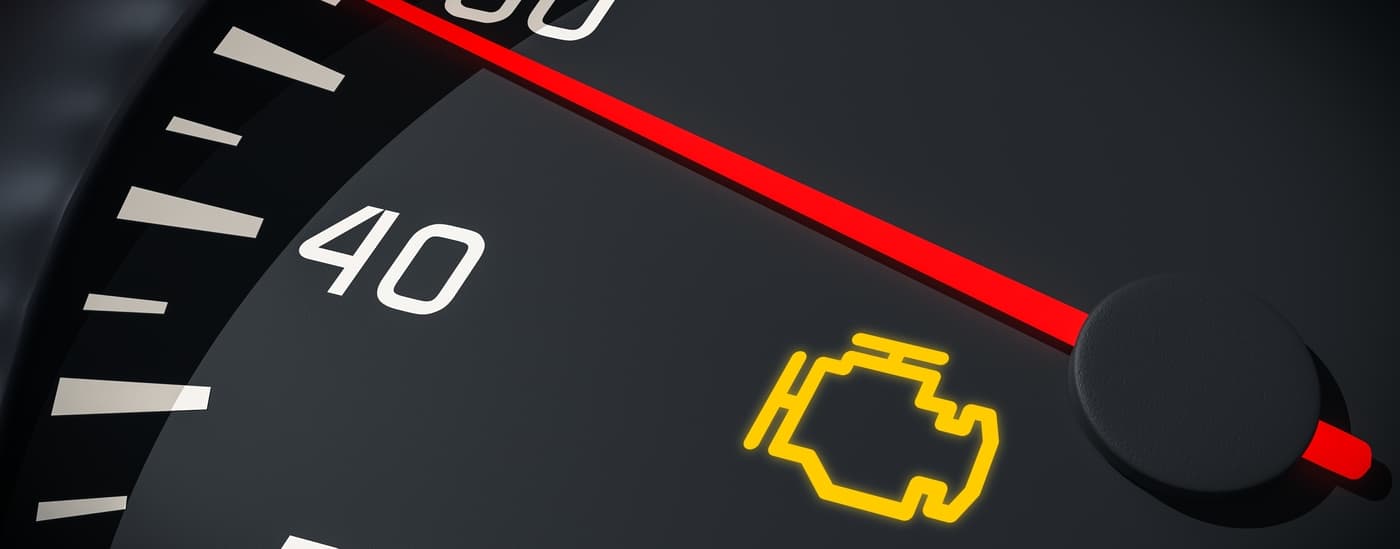
You’re driving your Jeep, and suddenly, that dreaded check engine light pops on. You might be wondering, “Why is my Jeep check engine light on?” It’s a question that can cause a lot of stress and confusion.
But don’t panic just yet this light can mean many things, from something as simple as a loose gas cap to more serious engine issues.
Knowing what to look for and how to respond can save you time, money, and keep your Jeep running smoothly.
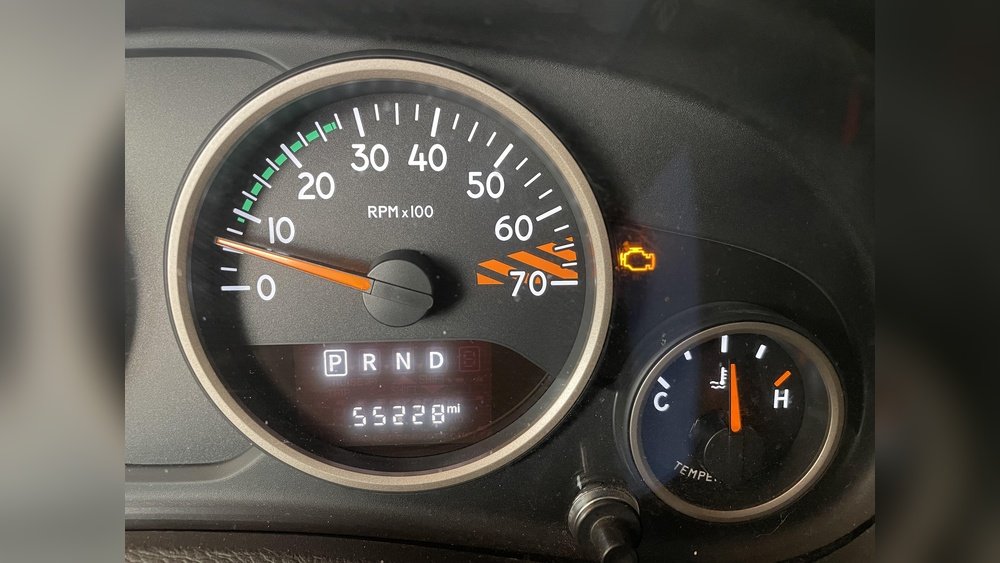
Keep reading to discover the most common causes, what the light’s signals really mean, and exactly what steps you should take next to get your Jeep back in top shape.
Common Jeep Check Engine Light Causes
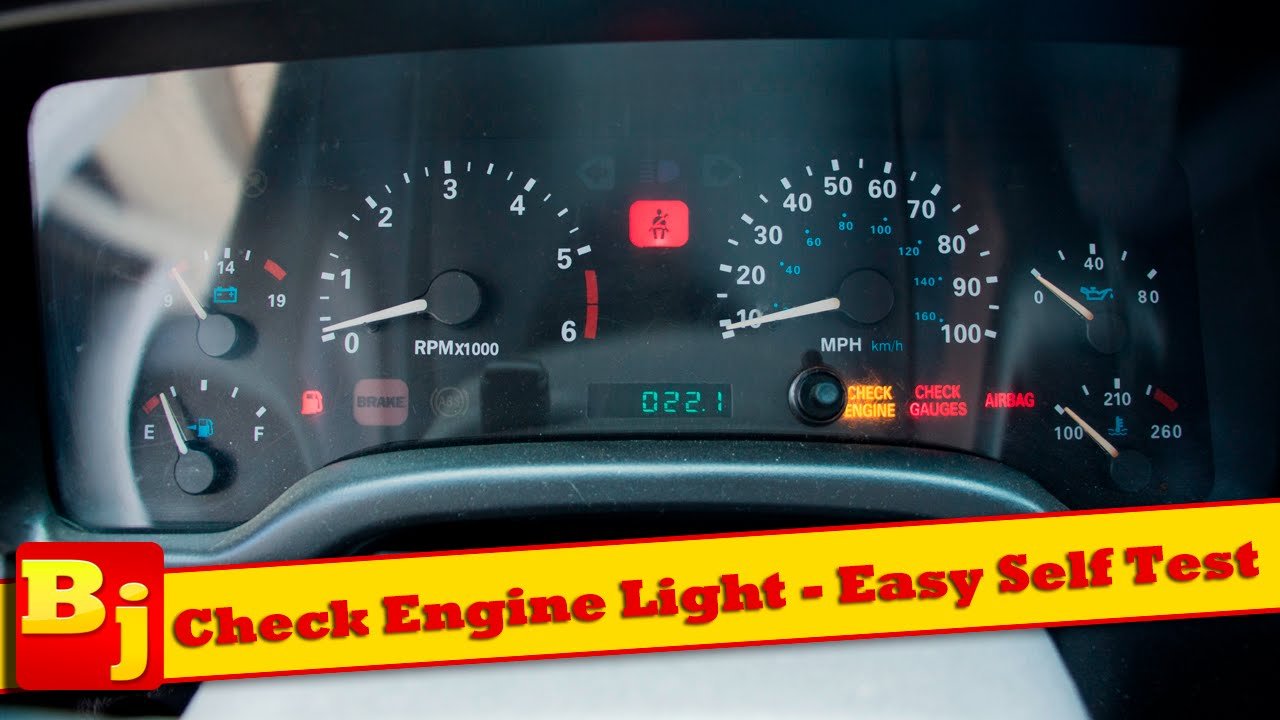
The check engine light in your Jeep is a key alert system. It signals when the vehicle’s computer detects an issue.
This light helps protect your engine and emissions system. Understanding how it works can help you respond properly.
The check engine light is linked to your Jeep’s onboard computer. It monitors many parts of the vehicle.
When something goes wrong, the light turns on to warn you. Not all issues are urgent, but some require immediate action.
Onboard Diagnostic System Basics
Your Jeep uses an onboard diagnostic system called OBD-II. This system checks the engine, transmission, and emissions parts.
Sensors send data to the computer every second. If a sensor detects a fault, the system stores a trouble code. The check engine light then turns on.
This code helps mechanics find the problem quickly. You can also get the code read at many auto parts stores.
The OBD-II system works 24/7 to keep your Jeep running well.
Solid Vs Flashing Light Signals
The check engine light can be solid or flashing. A solid light means a problem needs attention soon.
It is usually safe to keep driving, but you should schedule a check-up. Common causes include a loose gas cap or worn spark plugs.
A flashing light signals a serious problem. It often means the engine is misfiring.
Driving with a flashing light can cause damage. Stop the vehicle as soon as it is safe and get help. Prompt action can save costly repairs.

How The Check Engine Light Works
The check engine light on your Jeep signals a problem that needs attention. Acting quickly helps avoid bigger issues.
Start with simple checks that anyone can do. These first steps give clues about the problem.
Follow them one by one for a safe and clear diagnosis.
Check Gas Cap Tightness
A loose gas cap often triggers the check engine light. It lets fuel vapors escape and confuses the engine’s sensors.
Stop your Jeep and twist the gas cap firmly until it clicks. Drive for a few miles.
The light may turn off by itself. This is a quick fix that works often.
Scan For Diagnostic Trouble Codes
Use an OBD-II scanner to read your Jeep’s error codes. Many auto parts stores offer this service free.
The codes point to the exact issue. Write down the codes or take a picture.
This step helps mechanics understand what to fix. It saves time and money in repairs.
Assess Driving Safety
Look at how your Jeep runs before driving further. Notice any strange noises, smells, or rough idling.
If the engine feels weak or jerks, stop driving. Pull over safely and call for help.
If the light is steady and the Jeep runs normal, you can drive carefully to a service center.
Immediate Steps To Take
Using code readers and diagnostics is a practical way to understand why your Jeep’s check engine light is on. These tools connect to your vehicle’s computer and pull out codes that explain the issue. They save time and help avoid guesswork.
Many code readers are easy to use, even for beginners. They provide clear information about problems.
Knowing how to use these devices and read the codes can help you decide the next steps.
Free Code Reading Options
Many auto parts stores offer free code reading services. Stores like AutoZone and O’Reilly Auto Parts can scan your Jeep’s computer.
They print out the trouble codes for you. This service is quick and requires no appointment.
Some smartphone apps also connect to Bluetooth code readers. These apps show codes right on your phone.
They often include basic explanations of the issues found. This option is handy for Jeep owners on the go.
Interpreting Diagnostic Trouble Codes
Diagnostic trouble codes (DTCs) are short messages from your Jeep’s computer. Each code points to a specific problem area.
For example, P0300 means random engine misfire, while P0455 suggests a large fuel system leak.
After getting the codes, use an online database or app to understand what they mean. Some codes are simple fixes, like a loose gas cap.
Others may need detailed repairs, such as sensor replacements or ignition system checks.
When To Visit A Mechanic
Visit a mechanic if the codes show serious issues or if the light stays on after simple fixes. Complex problems like transmission errors or catalytic converter faults need expert care.
Mechanics have advanced tools to diagnose and repair these correctly.
Also, if your Jeep feels different, like rough idling or poor acceleration, a professional check is wise. Safety and reliability depend on fixing the root cause of the check engine light.
Using Code Readers And Diagnostics
Preventive maintenance helps keep your Jeep running smoothly. It reduces the chance of the check engine light turning on.
Regular care of key parts improves performance and saves money.
Simple checks and replacements prevent bigger issues. These steps keep your engine healthy and your Jeep reliable on the road.
Regular Spark Plug Replacement
Spark plugs ignite the fuel inside the engine. Old or worn plugs cause misfires and poor fuel economy.
Replace them every 30,000 to 50,000 miles. Fresh spark plugs improve engine power and reduce emissions.
Check your owner’s manual for the right replacement schedule. Clean plugs help avoid rough idling and engine hesitation.
Routine Sensor Checks
Sensors monitor your Jeep’s engine and exhaust system. Faulty sensors can trigger the check engine light.
Oxygen sensors and mass airflow sensors often need attention. Test these sensors during regular service visits.
Replacing bad sensors ensures accurate fuel mixture and smooth running. It also lowers harmful emissions and improves mileage.
Maintaining The Fuel System
The fuel system must deliver clean fuel to the engine. Dirty fuel injectors or a clogged fuel filter reduce performance.
Use quality fuel and change filters as recommended. Consider fuel injector cleaning every 30,000 miles.
Proper fuel system care prevents stalling and rough starts. It also stops the check engine light caused by fuel delivery issues.
Conclusion
A Jeep’s check engine light signals a problem needing attention. It can mean a loose gas cap, worn spark plugs, or sensor issues.
Don’t ignore the light, but stay calm. Drive gently and get the trouble codes read as soon as possible.
Early checks help avoid bigger repairs later. Knowing the cause helps you fix your Jeep safely and quickly.
Keep your Jeep running smoothly by acting on warning signs. Simple steps can save time and money on maintenance.