The term “Jeep death wobble” sounds dramatic, and for good reason. Jeep owners across the world have reported this frightening experience: while driving, the steering wheel suddenly shakes violently, making it hard to control the vehicle.
If you’ve ever experienced this, you know how unsettling it can be. In this article, we’ll break down exactly why the Jeep death wobble happens, what causes it, and how you can prevent it.
Whether you’re a new Jeep owner or have been driving off-road for years, understanding this issue can help keep you safe and confident on the road.
What Is The Jeep Death Wobble?
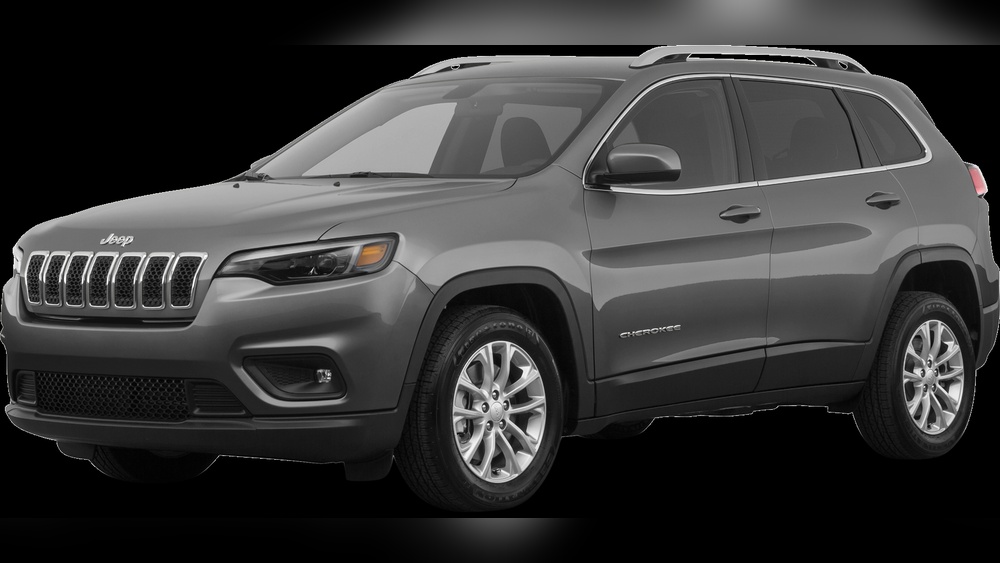
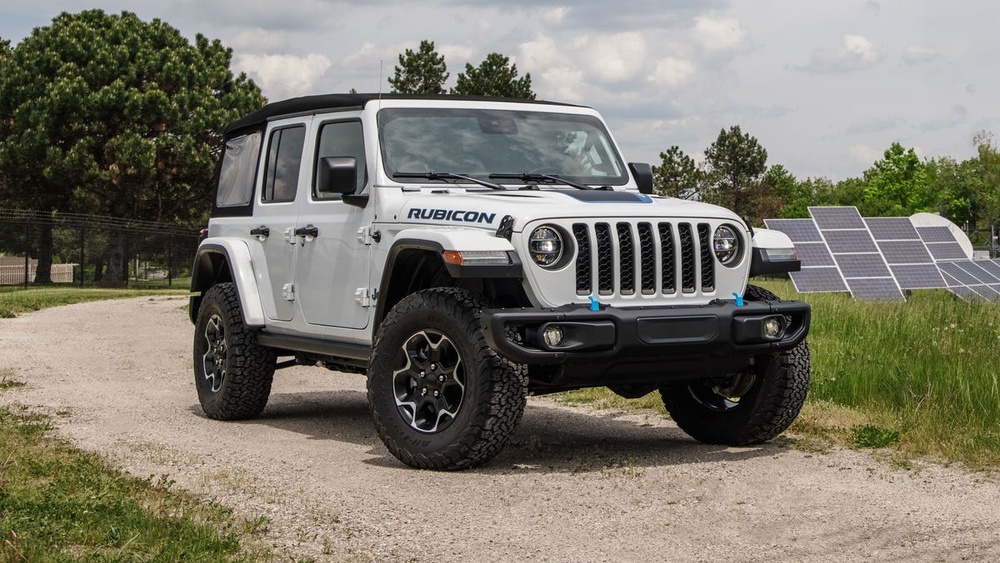
The Jeep death wobble refers to a sudden and severe shaking of the steering wheel, often at higher speeds after hitting a bump. It feels like the front wheels are vibrating so much that you can barely hold the steering wheel steady. This usually happens in Jeep vehicles with solid front axles, especially models like the Wrangler and Cherokee.
Not every shake is a death wobble. Normal road vibrations or minor shakes are much less intense. The death wobble is unique because it’s very violent and does not stop until you slow down or stop.
Why Does The Death Wobble Happen?
The main reason for the Jeep death wobble is a loose or worn suspension or steering component. When these parts can’t keep the front wheels in proper alignment, a small bump or pothole can set off an uncontrollable oscillation. The design of the solid front axle makes Jeeps more prone to this compared to vehicles with independent front suspension.
Here’s a breakdown of the most common causes:
| Main Cause | How It Triggers Death Wobble |
|---|---|
| Worn track bar bushings | Allows axle to move side-to-side, starting vibration |
| Loose tie rod ends | Steering components can’t hold alignment, amplifying wobble |
| Bad ball joints | Axle can’t stay stable under load |
| Weak steering stabilizer | Can’t absorb small bumps, letting vibrations grow |
| Improper wheel alignment | Steering geometry increases risk of wobble |
Key Components Involved
Certain Jeep parts are more likely to cause or worsen the death wobble when they wear out.
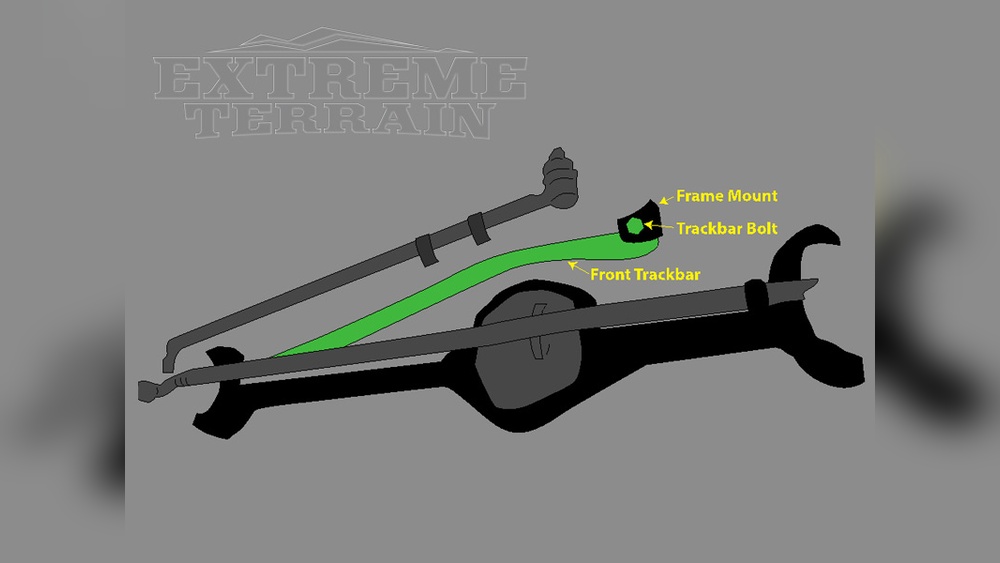
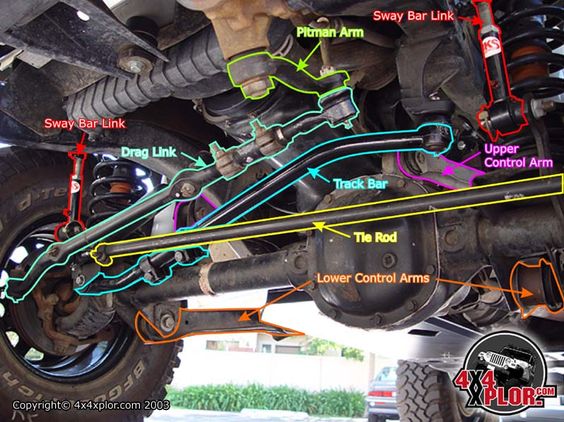
Track Bar
The track bar keeps the axle centered under the Jeep. If its bushings or mounting bolts are loose, the axle shifts side-to-side.
Tie Rods And Drag Link
These connect the steering wheel to the wheels. If they are loose or worn, they can’t keep the wheels pointed straight.
Ball Joints
Ball joints let the wheels move up and down while steering. If they have play, the wheels move unpredictably.
Steering Stabilizer
This shock absorber helps dampen small bumps. While it does not cause the wobble, a worn stabilizer can make it harder to control.
Suspension Bushings
Rubber parts that cushion metal components. If they crack or break, vibrations travel more easily through the Jeep.
Real-world Example
A 2010 Jeep Wrangler owner noticed the steering wheel started shaking violently after hitting a pothole at 55 mph. Inspection showed the track bar mounting bolt was loose and the tie rod ends were worn.
After tightening the bolt and replacing the tie rod ends, the problem disappeared.
This example shows that sometimes, simple fixes can solve the wobble. But ignoring the symptoms often leads to worse problems and higher repair costs.
Factors That Increase Risk
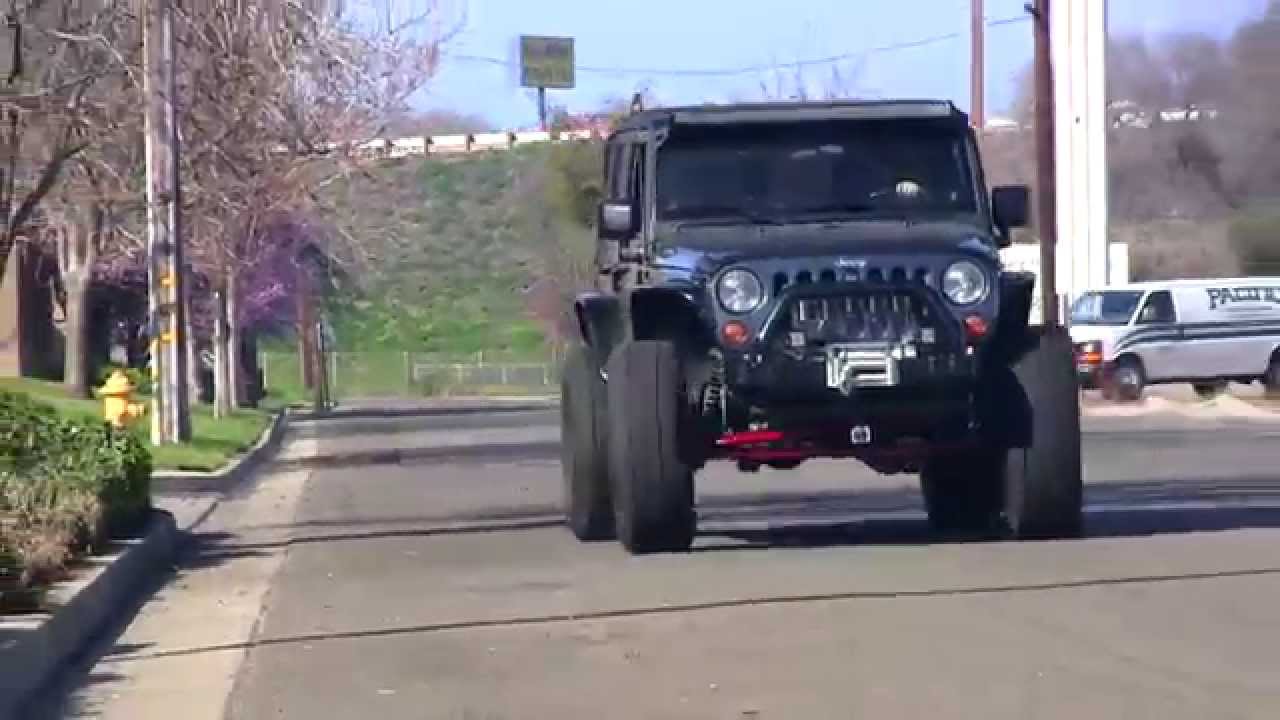
Some Jeeps are more likely to experience death wobble, especially after modifications or heavy use.
| Factor | How It Increases Risk |
|---|---|
| Larger tires | Adds stress to suspension, making weak parts fail faster |
| Lift kits | Changes suspension geometry, creating new stress points |
| Off-road driving | Hits and bumps wear out parts faster |
| High mileage | Older parts more likely to be loose or worn out |
How To Prevent Death Wobble
Regular maintenance and inspections are the best ways to prevent this dangerous shaking. Here are steps every Jeep owner should follow:
- Inspect suspension and steering every oil change.
- Check track bar and tie rod ends for play or movement.
- Tighten all bolts to factory specifications.
- Replace worn bushings and ball joints promptly.
- Get a professional alignment after installing lift kits or larger tires.
It’s important to know that a steering stabilizer is not a cure. It hides problems but does not fix them. Always address the root cause.
Lesser-known Tips For Jeep Owners
Many new owners overlook two important points:
- Aftermarket wheels and tires may require more frequent alignments, especially if you drive both off-road and on highways.
- Check torque specs not just once, but after driving a few hundred miles, especially after suspension upgrades. Bolts can loosen over time due to vibration.
Is Death Wobble Unique To Jeeps?
While the term is most common with Jeeps, any vehicle with a solid front axle can be affected. However, Jeeps are more likely to have this issue because of their popularity for modifications and off-road use.
Other brands, like older Ford and Dodge trucks, have also reported similar problems.
According to the National Highway Traffic Safety Administration (NHTSA), over 600 complaints about Jeep Wrangler death wobble were reported between 2005 and 2010 (Wikipedia). This shows the issue is not rare.

Frequently Asked Questions
What Should I Do If My Jeep Starts To Death Wobble?
Slow down safely and pull over if needed. Check for loose or broken parts before driving again. If you can, have a mechanic inspect your Jeep as soon as possible.
Can I Drive My Jeep If It Has A Death Wobble?
It’s not safe to drive with this problem. Even if the shaking stops, the root cause is still there and could lead to loss of control.
Will A Steering Stabilizer Fix The Death Wobble?
No, a steering stabilizer can hide symptoms, but it does not fix the underlying problem. Worn or loose parts must be repaired or replaced.
How Much Does It Cost To Fix The Death Wobble?
Costs vary, but most repairs range from $200 to $800, depending on which parts need replacement. Simple fixes like tightening bolts are cheaper, but replacing multiple parts can add up.
Are Newer Jeeps Less Likely To Have Death Wobble?
Modern Jeeps still use solid front axles, so the risk remains. However, improved parts and better manufacturing have helped reduce the number of cases in newer models.
Dealing with the Jeep death wobble can be stressful, but understanding the causes and solutions puts you in control. Regular maintenance, careful upgrades, and prompt repairs will let you enjoy your Jeep safely on and off the road.