If you own a Jeep, you expect it to be rugged, reliable, and ready for adventure. But what if it suddenly shuts off while you're driving or idling?
This can be more than frustrating—it’s a safety concern. Many Jeep owners have faced this problem, and while it’s not unique to Jeep vehicles, understanding why it happens is the first step to fixing it.
Let’s explore the common causes, how to diagnose them, and what you can do to keep your Jeep running smoothly.
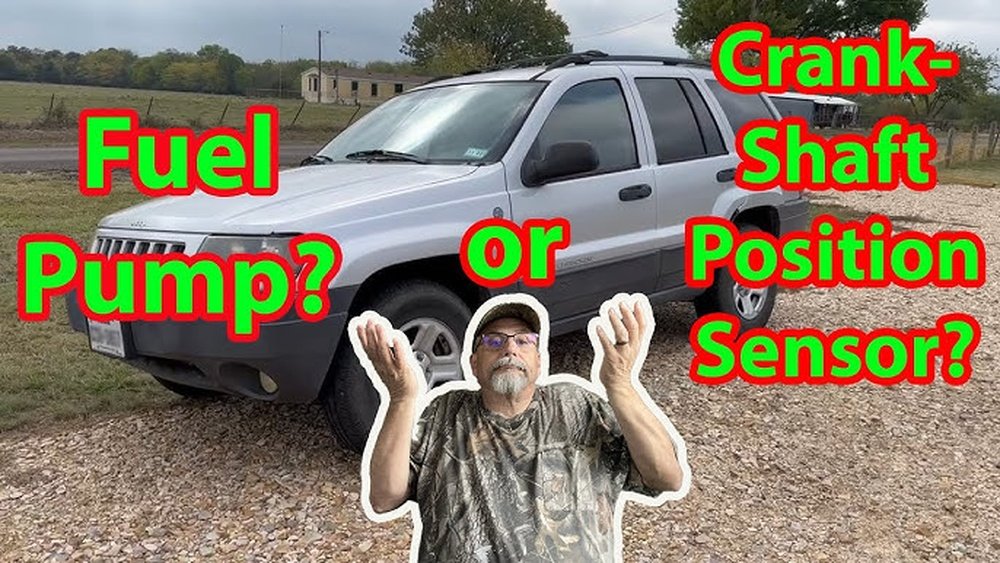
Common Reasons Your Jeep Randomly Shuts Off
Jeep engines are complex, and many things can cause a sudden shutdown. Here are the main reasons:
1. Faulty Crankshaft Position Sensor
This sensor tracks your engine’s position and speed. If it fails, the engine may shut off without warning.
This is a frequent issue in older Jeep models.
2. Problems With The Fuel System
A clogged fuel filter or a failing fuel pump can cut off fuel to the engine, making your Jeep stall.
3. Electrical Issues
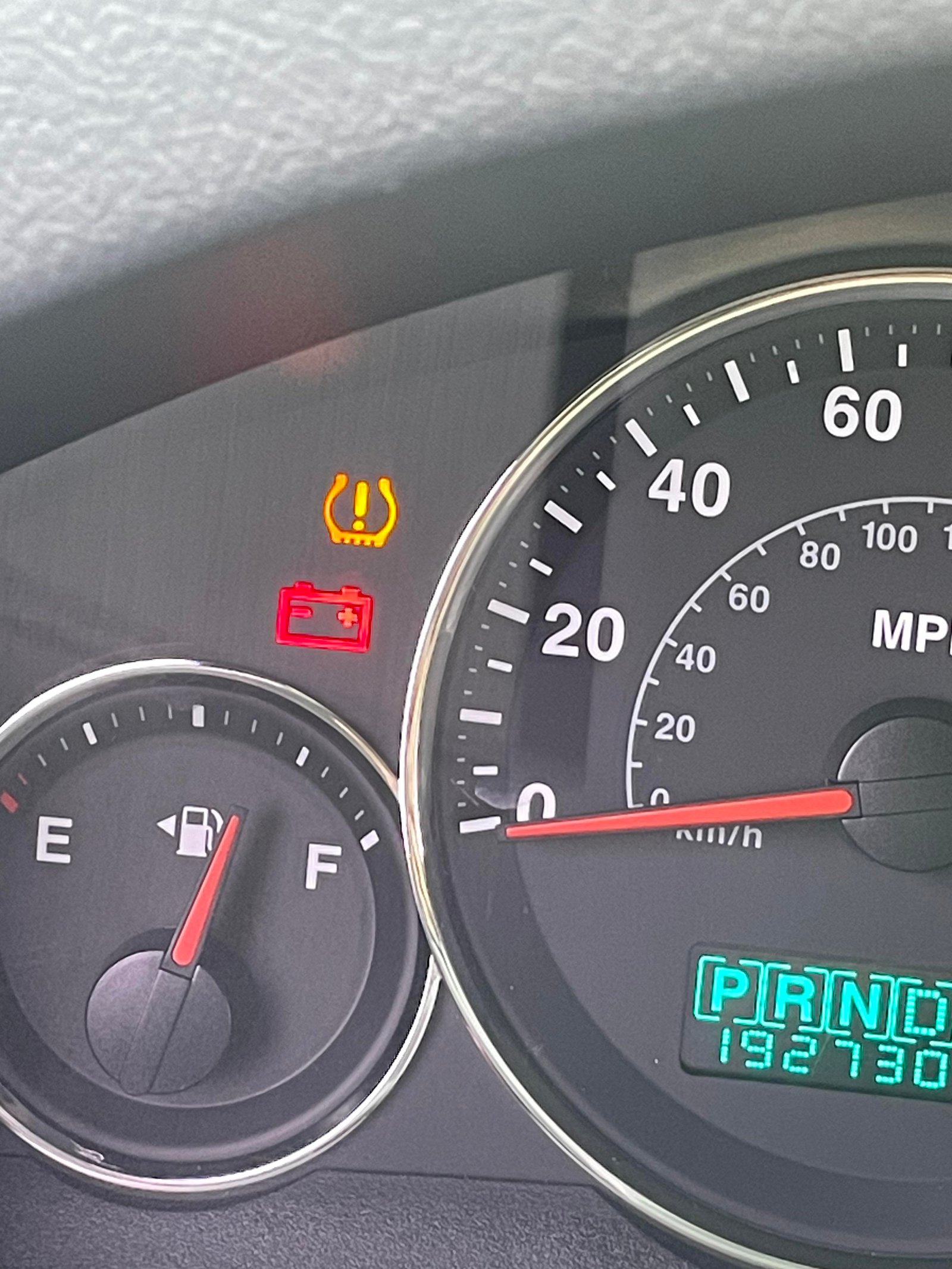
Loose battery terminals, corroded wires, or a bad alternator can break the power connection, causing a shutdown.
4. Malfunctioning Ignition Switch
If the ignition switch is worn or defective, it might lose contact, shutting off the engine even while driving.
5. Engine Control Module (ecm) Failure
The ECM is the vehicle’s “brain. ” If it fails, the engine can stop working suddenly.
6. Bad Relays Or Fuses
A blown fuse or a faulty relay can interrupt critical circuits, leading to a shutdown.
Below is a quick comparison of how these issues might present:
| Cause | Symptoms | Difficulty to Diagnose |
|---|---|---|
| Crankshaft Sensor | Engine stalls, no start, check engine light | Moderate |
| Fuel System | Stalling, sputtering, hard starts | Easy-Moderate |
| Electrical | Intermittent power loss, dash lights flicker | Easy |
| Ignition Switch | Engine dies while driving, no power | Moderate |
| ECM | Random shutdown, error codes | Hard |
| Relays/Fuses | Sudden engine cut, accessories stop | Easy |
How To Diagnose The Problem
Diagnosing why your Jeep shuts off can be challenging, especially if it happens randomly. Here’s a simple plan:
1. Check For Error Codes
Use an OBD-II scanner to read any trouble codes from the computer. This tool can point you to the faulty part.
2. Inspect Battery And Cables
Look for corrosion or loose connections. Tighten and clean as needed.
3. Listen For The Fuel Pump
Turn the key to “on” (not start). You should hear a faint hum from the rear. If not, the pump may be failing.
4. Wiggle Test
With the engine running, gently wiggle the key, battery cables, and main fuses. If the engine cuts out, you may have found the issue.
5. Check Relays And Fuses
Swap out the fuel pump relay or other key relays with a known good one.
A mechanic may also do a “no start” diagnostic, especially if the Jeep refuses to start after shutting off.
Specific Jeep Models And Known Issues
Some Jeep models have known issues that cause random shutdowns. Owners of the following models should pay special attention:
| Model | Common Shutdown Cause | Years Affected |
|---|---|---|
| Jeep Grand Cherokee | Faulty TIPM, crankshaft sensor | 2011-2014 |
| Jeep Wrangler | PCM issues, electrical faults | 2007-2011 |
| Jeep Cherokee | ECM failure, ignition switch | 2014-2016 |
For example, the Totally Integrated Power Module (TIPM) in some Grand Cherokees is notorious for random shutdowns. Replacing the TIPM can be expensive, but it’s often the only solution.
Preventing Your Jeep From Shutting Off
You can’t stop every problem, but good maintenance can lower the risk. Here’s what you should do:
- Regularly check battery and cables for corrosion and tightness.
- Replace old sensors like the crankshaft and camshaft position sensors before they fail, especially if your Jeep is over 100,000 miles.
- Change the fuel filter as recommended by the manufacturer.
- Inspect wiring for wear, especially if you drive off-road often.
- Keep up with recalls. Sometimes a shutdown is due to a known defect. Check your Jeep’s VIN for recalls on the official Jeep website.
A common mistake is ignoring small warning signs like rough idling, flickering lights, or occasional stalling. These can be early clues before a full engine shutoff.
When To See A Mechanic
If your Jeep shuts off and won’t restart, or if it happens often, it’s time to see a professional. Some electrical problems need special tools to diagnose.
Also, replacing parts like the ECM or TIPM is not a DIY job for most owners.
Below you can see which issues are usually DIY and which need a mechanic:
| Problem | DIY Possible? | Estimated Cost (USD) |
|---|---|---|
| Battery/Cables | Yes | 50-200 |
| Fuel Pump | No | 400-700 |
| Sensors | Yes (with tools) | 60-250 |
| ECM/TIPM | No | 800-1500 |
Two Insights Jeep Owners Often Miss
First, many owners replace the battery or alternator, but the real problem is often a simple ground wire corrosion—a $5 fix. Second, not all mechanics know about Jeep’s unique electrical quirks. Always ask if the shop has Jeep diagnostic experience before authorizing repairs.
If you want deeper insight on Jeep reliability and common electrical faults, see the Jeep Grand Cherokee Wikipedia page.
A Jeep that shuts off randomly is scary, but with the right steps, you can find and fix the problem. Remember, quick attention to small problems saves money and keeps you safe on the road.
Frequently Asked Questions
Why Does My Jeep Turn Off When I Stop At A Light?
A common cause is a faulty crankshaft sensor or dirty throttle body. Sometimes, the idle air control valve needs cleaning or replacing.
Can A Bad Alternator Make My Jeep Stall?
Yes. If the alternator fails, the battery can’t power the engine and electronics, leading to a stall.
What Is Tipm And Why Does It Matter?
The Totally Integrated Power Module (TIPM) controls many vehicle functions. If it fails, your Jeep may randomly shut off, lose power, or have accessory problems.
Is It Safe To Keep Driving If My Jeep Shuts Off Occasionally?
No. Random shutdowns can be dangerous, especially at highway speeds.
Get your Jeep checked as soon as possible.
How Much Does It Cost To Fix A Jeep That Shuts Off?
Costs vary. Small fixes (like battery cables) are cheap, but replacing a TIPM or ECM can cost over $1,000.
Always get a diagnosis before replacing expensive parts.