If your Jeep is idling rough, it can be worrying and frustrating. You may feel the engine vibrate, shake, or even notice the RPM needle jumping.
Rough idling is not only uncomfortable, but it can also signal deeper problems with your vehicle.
Understanding the causes and solutions can help you fix the issue before it becomes expensive or leaves you stranded. Let’s explore why your Jeep idles rough, how to diagnose the problem, and what you can do to keep your vehicle running smoothly.
Common Causes Of Rough Idle In Jeeps
Jeep engines are durable, but they are not immune to issues. When you notice rough idle, several parts could be responsible. Here are the most frequent reasons:
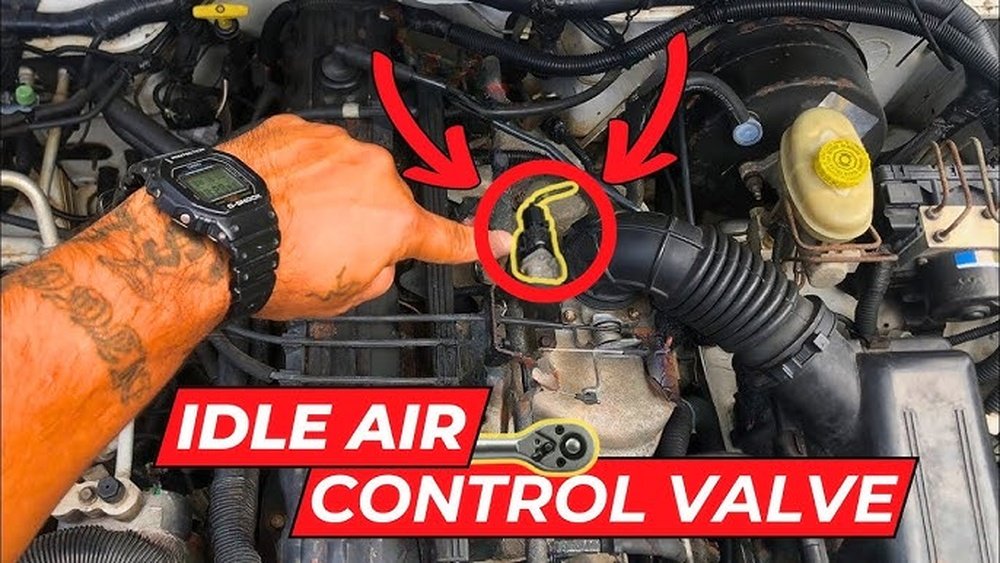
1. Dirty Or Faulty Idle Air Control Valve (iac)
The IAC manages airflow when your Jeep is idling. Dirt or carbon buildup can block the valve, leading to unstable idle speeds.
2. Vacuum Leaks
A vacuum leak happens when air enters the engine where it shouldn’t. This affects the air-fuel mix, causing rough idling.
Common leak spots include hoses, intake manifold, or even the throttle body gasket.
3. Bad Spark Plugs Or Ignition Coils
Worn spark plugs or weak ignition coils can cause misfires. If the spark isn’t strong enough, the engine stutters at idle.
4. Fuel System Problems
Clogged fuel injectors or a weak fuel pump reduce the amount of fuel reaching the engine. The result: uneven idling.
5. Dirty Mass Air Flow Sensor (maf)
The MAF sensor measures air entering the engine. Dirt or oil on the sensor can send wrong signals, making the engine idle rough.
6. Faulty Sensors
A bad oxygen sensor or throttle position sensor can upset the air-fuel balance. This causes your Jeep to idle unpredictably.
A recent survey showed that vacuum leaks and spark plug issues are the top causes of rough idle in Jeeps, especially models older than 10 years.
Symptoms To Watch For
When your Jeep idles rough, you may notice:
- Shaking or vibration: The engine feels unstable.
- Erratic RPM: The RPM gauge jumps or drops without reason.
- Stalling: Sometimes, the engine may stop completely at a stoplight.
- Unusual sounds: Knocking, ticking, or hissing noises.
- Check Engine Light: This warning often comes on with rough idle.
Not all symptoms mean the same thing. For example, if rough idle is only present when cold, it points to different issues than when the engine is hot.
Diagnosing Rough Idle: Where To Start
Finding the exact cause is easier if you follow a step-by-step approach. Here’s a practical way to diagnose:
| Step | What to Check | Estimated Cost |
|---|---|---|
| 1 | Listen for leaks or odd noises | $0 (DIY) |
| 2 | Scan for error codes (OBD-II) | $30-$60 (Scanner) |
| 3 | Inspect spark plugs and wires | $10-$40 |
| 4 | Check and clean sensors (MAF, IAC) | $5-$20 (Cleaner) |
| 5 | Examine fuel injectors | $15-$50 (Cleaning kit) |
One insight many Jeep owners miss is that multiple small issues can combine to cause rough idle. For example, a minor vacuum leak plus a dirty sensor can create bigger symptoms than either alone.
Jeep Models Most Prone To Rough Idle
Some Jeep models are more likely to have rough idle problems due to their engine design or age. Here’s a comparison:
| Model | Engine Type | Common Idle Issues |
|---|---|---|
| Wrangler (TJ/JK) | 3.8L V6, 4.0L I6 | Vacuum leaks, IAC valve |
| Grand Cherokee (WJ) | 4.7L V8, 4.0L I6 | Spark plugs, sensors |
| Liberty (KJ) | 3.7L V6 | MAF sensor, fuel injectors |
Older Jeep models (1998 2010) are more likely to experience idle problems due to aged components and less advanced engine management.

Fixes For Rough Idle: What Works
You can solve rough idle by addressing the root cause. Here are practical steps:
- Clean or replace IAC valve: Use throttle body cleaner. If cleaning doesn’t help, replace the valve.
- Check for vacuum leaks: Inspect hoses for cracks. Replace bad hoses or gaskets.
- Replace spark plugs and ignition coils: Use the recommended type for your Jeep.
- Clean MAF sensor: Remove and gently clean with approved cleaner.
- Use fuel system cleaner: Add to your gas tank to clean injectors.
- Update sensors: If OBD-II codes point to a bad sensor, replace it.
Many Jeep owners forget to reset the ECU after repairs. This step helps the system relearn idle settings.
Preventing Rough Idle: Maintenance Tips
Keeping your Jeep’s idle smooth is possible with regular care. Here are tips:
- Change spark plugs every 30,000 miles.
- Clean the throttle body and sensors yearly.
- Inspect vacuum hoses during oil changes.
- Use high-quality fuel.
- Don’t ignore the check engine light—diagnose early.
If you’re unsure, always consult a mechanic or look up your model’s service manual. Reliable resources like Jeep Official Owners Site offer guidance on maintenance schedules.
Frequently Asked Questions
Why Does My Jeep Idle Rough When Cold?
A rough idle when cold often points to a dirty IAC valve or faulty coolant temperature sensor. The engine needs a richer fuel mix when cold, and these parts help control that.
Can A Bad Battery Cause Rough Idle?
Yes. A weak battery can reduce voltage to sensors and ignition components, making the engine run unevenly, especially at idle.
Is Rough Idle Dangerous For My Jeep?
If ignored, rough idle can lead to stalling or damage to the engine. It’s best to fix the cause early to avoid bigger repair bills.
How Much Does It Cost To Fix Rough Idle?
Costs vary. Simple fixes like cleaning sensors may cost under $50.
Replacing major parts or repairing leaks can cost $150 $500, depending on labor and parts.
Should I Use Fuel Additives To Fix Rough Idle?
Fuel additives can help clean injectors and improve idle. However, they won’t fix mechanical problems like vacuum leaks or bad sensors.
Keeping your Jeep in top shape means paying attention to how it idles. With the right diagnosis and maintenance, you can enjoy a smooth, reliable drive every time.
Don’t wait for rough idle to become a bigger problem act early and keep your Jeep running strong.



















