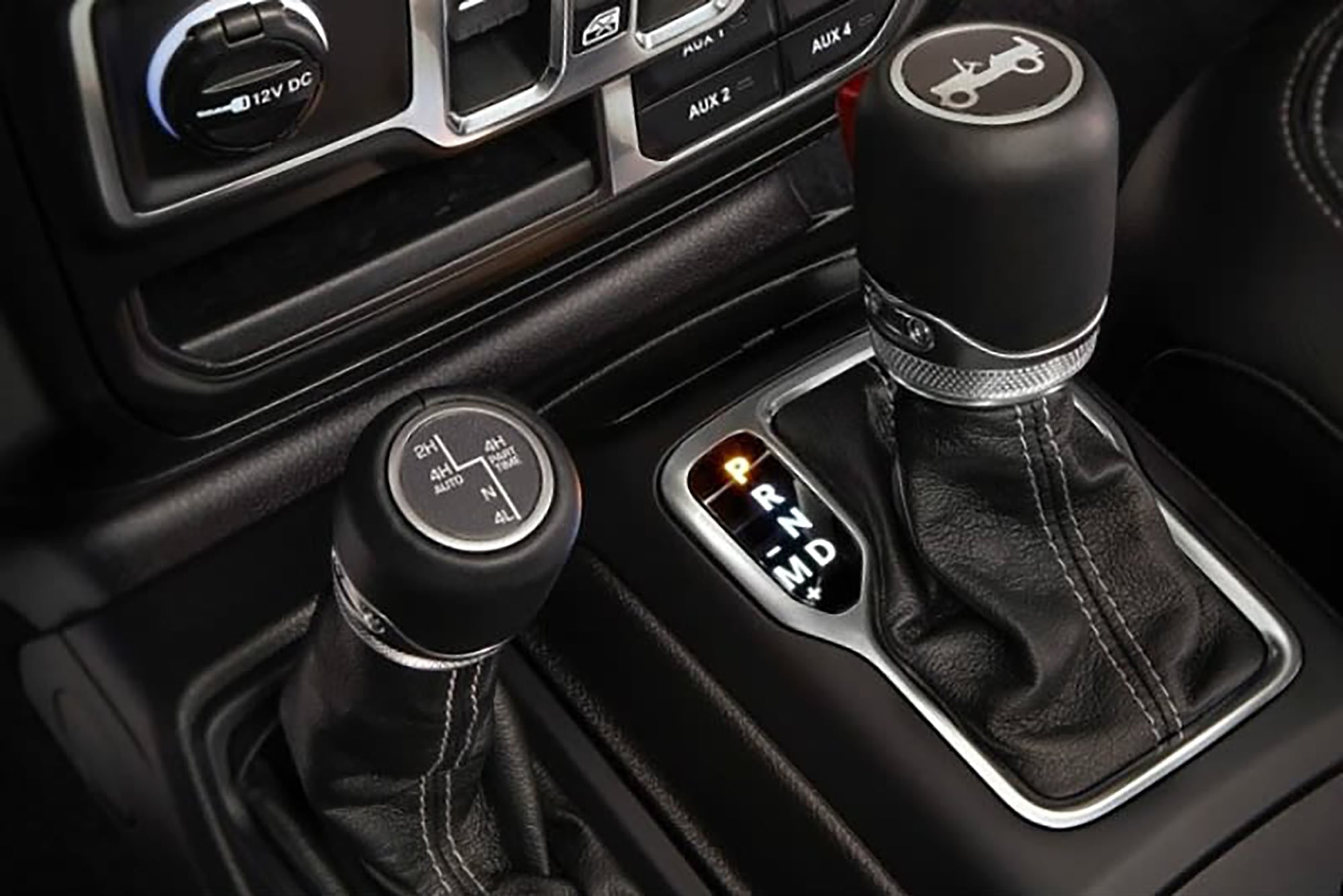
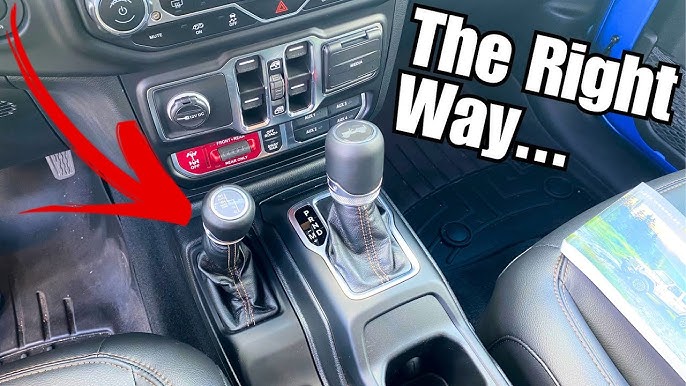
The Jeep Wrangler stands out as a true off-road legend. If you’ve ever looked at the gear shifter in a Wrangler, you might notice something unusual: there are two separate gear levers.
This design isn’t just for show. It’s part of what makes the Wrangler so capable on tough terrain.
But what do these two gears actually do? Let’s break down the real reason behind this setup and why it matters for drivers who love adventure.

Understanding The Two Gear Levers
Most cars have just one gear shifter, which controls the transmission. The Jeep Wrangler is different. It has:
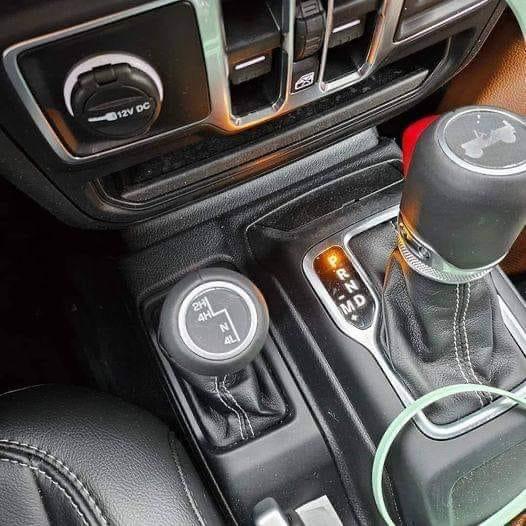
- Main transmission gear lever: This is the same as in most vehicles. It lets you switch between park, reverse, neutral, and drive.
- Transfer case lever: This second lever controls the transfer case, which manages the power sent to the front and rear wheels.
Each lever has a unique job. While the main transmission determines your speed and direction, the transfer case lets you choose between different drive modes, such as 2WD (two-wheel drive) and 4WD (four-wheel drive).
What Is A Transfer Case And Why Does It Matter?
The transfer case is a special gearbox found in four-wheel-drive vehicles like the Jeep Wrangler. Its main job is to split the engine power between the front and rear axles. This gives the Wrangler its famous ability to tackle mud, rocks, and steep hills.
Here’s how the transfer case lever changes your driving:
- 2H (Two-Wheel Drive, High Range): Best for regular roads. Only the rear wheels get power.
- 4H (Four-Wheel Drive, High Range): Good for slippery roads or light off-roading. All four wheels get power.
- N (Neutral): Disengages the transmission from the wheels. Used for towing.
- 4L (Four-Wheel Drive, Low Range): For tough off-road conditions. Gives more torque at lower speeds.
This extra lever lets drivers quickly switch between these modes, giving them the right setup for any situation.
The Real-world Benefits Of Two Gears
The two-lever system isn’t just a technical feature. It brings practical benefits that matter on and off the road.
Better Control Off-road
With the transfer case, you can shift into low range (4L) when climbing rocks or driving through deep mud. This gives more torque and better control at slow speeds, helping the Wrangler crawl over obstacles that would stop most cars.
Increased Safety In Tough Conditions
Switching to four-wheel drive (4H) on snow, ice, or sand improves traction. This can help prevent getting stuck and can even avoid accidents in bad weather.
Versatility For Everyday And Adventure
You can drive in two-wheel drive for daily use, saving fuel and reducing wear on the four-wheel-drive system. When adventure calls, just shift the lever and you’re ready for rough terrain.
Jeep Wrangler Gear Modes Compared
To make it clearer, here’s a comparison of the main gear modes you get with the two-lever system:
| Mode | When to Use | Main Benefit |
|---|---|---|
| 2H | Regular roads, dry conditions | Better fuel economy |
| 4H | Rain, snow, sand, light off-road | Extra traction |
| 4L | Steep hills, rocks, deep mud | Maximum power at low speeds |
How Does It Compare To Other Suvs?
Not all SUVs have two gear levers. Many use electronic switches or automatic systems.
But the Wrangler’s manual setup gives drivers more direct control.
| Vehicle | Type of 4WD Control | Driver Control Level |
|---|---|---|
| Jeep Wrangler | Manual lever | High |
| Modern crossovers | Electronic dial/button | Medium |
| Luxury SUVs | Automatic system | Low |
This hands-on control is loved by many off-road fans. It lets them make quick changes based on the terrain, instead of relying on computers.
Common Beginner Mistakes With The Two Gear System
If you’re new to the Wrangler, using the two levers can feel confusing. Here are two mistakes beginners often make:
- Shifting at the wrong speed: Changing to 4L should only be done at very low speeds or when stopped. Doing it at high speed can damage the transfer case.
- Leaving in 4WD on dry pavement: Using 4H or 4L on dry roads can cause extra wear and even drivetrain problems.
Always check the owner’s manual and practice shifting in a safe place before heading into challenging terrain.
Two-lever System: Why Jeep Keeps It
You might wonder why Jeep hasn’t switched fully to electronic systems like other brands. Here’s why:
- Reliability: Manual levers are less likely to fail in harsh conditions.
- Simplicity: Fewer electronics mean fewer things can go wrong.
- Driver Engagement: Many Wrangler owners love feeling in control of the vehicle.
In fact, this simple, rugged system is one of the reasons the Wrangler has such a loyal following.
Not-so-obvious Insights
Many drivers don’t realize that the transfer case also helps with engine braking when going down steep hills in 4L mode. This reduces the need to ride the brakes and gives more control.
Another insight: switching between 4H and 2H can often be done “on the fly” at low speeds. But shifting into 4L always requires the Wrangler to be in neutral and moving very slowly or stopped.
Extra Tips For New Wrangler Owners
If you plan to use your Wrangler for off-roading, it’s wise to:
- Practice shifting both levers before you go off-road.
- Listen for strange noises when changing modes. This can signal a problem.
- Keep the transfer case and transmission properly maintained with regular fluid changes.
For more information on four-wheel-drive systems, see this Wikipedia guide.
Frequently Asked Questions
Why Does The Jeep Wrangler Need Two Gear Levers?
The two levers let you control both the main transmission and the transfer case. This gives you more options for handling tough terrain and different driving conditions.
Can You Drive A Jeep Wrangler In Four-wheel Drive All The Time?
No. Driving in 4WD on dry pavement can cause damage.
Use 4WD only when you need extra traction, like on snow, mud, or off-road.
How Do You Know When To Shift Into Low Range?
Use 4L for slow speeds, steep climbs, or very rough terrain. Never shift into 4L at high speed.
Stop or go very slowly before making the change.
What Happens If You Use The Wrong Gear Mode?
Using the wrong mode can cause extra wear or even damage. For example, driving in 4L on a regular road makes the engine work too hard and uses more fuel.
Do Other Cars Have A Similar System?
Some older or specialized off-road vehicles do. But most modern SUVs use automatic or electronic systems for easier use, giving less direct control than the Wrangler’s manual setup.
The Jeep Wrangler’s two-gear system is a big part of its tough, go-anywhere personality. By understanding how and why it works, drivers can unlock the full potential of this iconic vehicle and enjoy safer, more exciting adventures on and off the road.