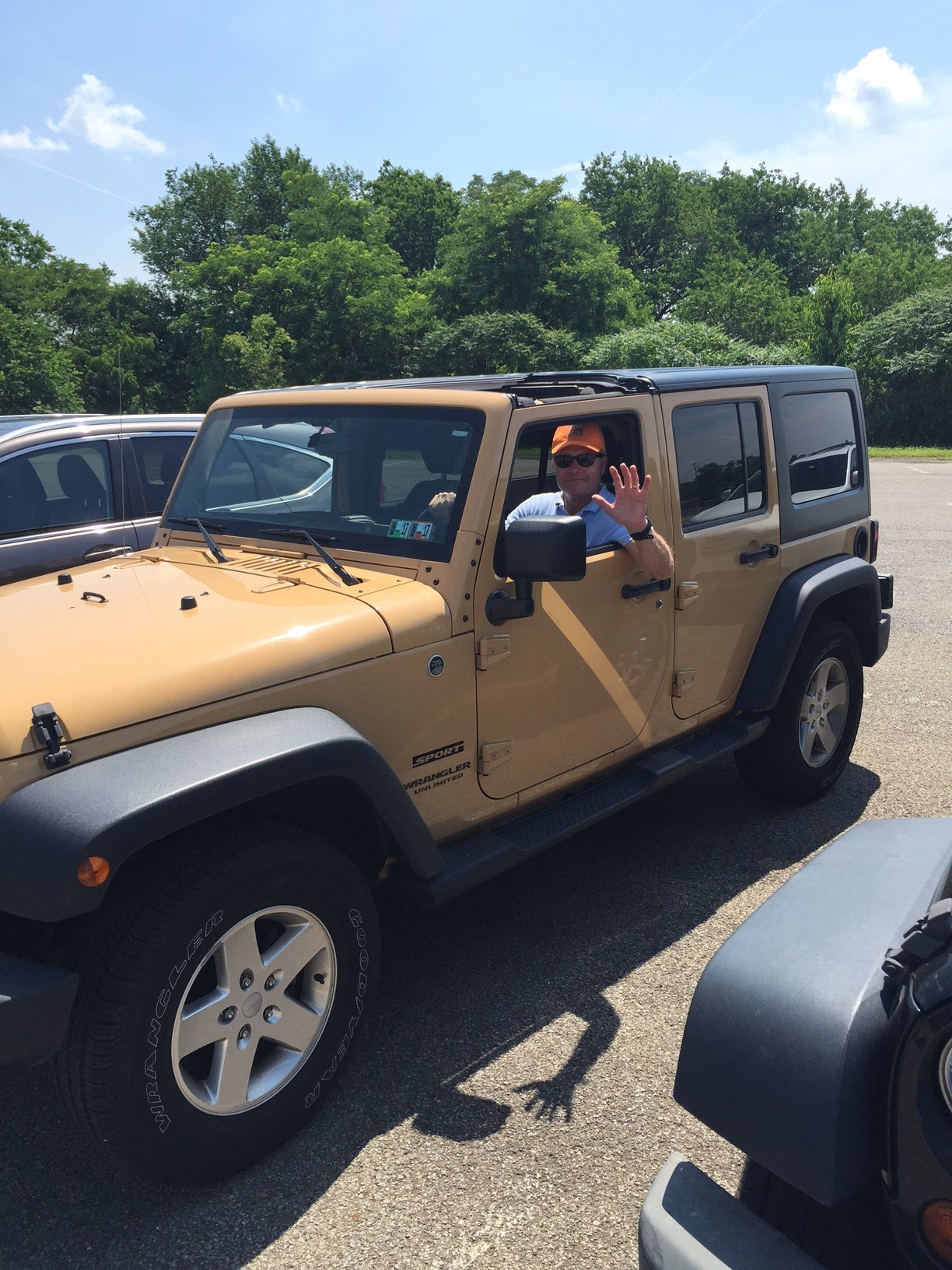
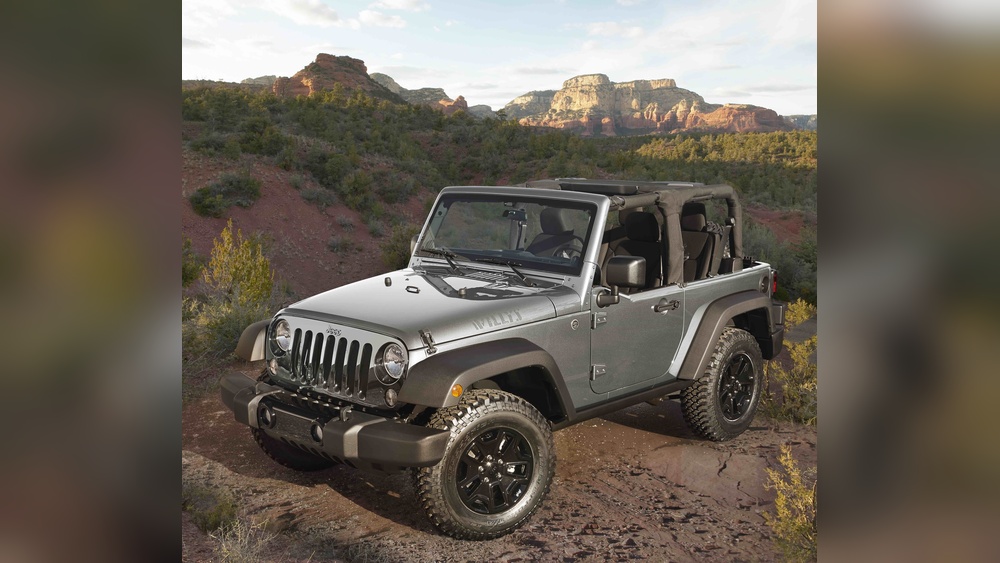
Jeep Wranglers are more than just vehicles—they’re a symbol of adventure, community, and freedom. If you’ve ever driven a Wrangler or watched one on the road, you might notice something unusual: drivers often wave at each other.
This simple gesture is known as the Jeep Wave, and it’s a tradition that has lasted for decades. But why do Jeep Wranglers wave at each other?
Let’s dig into this unique culture, explore its history, and understand what makes the Jeep Wave so special.

The Origins Of The Jeep Wave
The Jeep Wave started during World War II. Soldiers driving Willys Jeeps would wave to each other to show respect and solidarity. After the war, Jeeps became civilian vehicles, and the tradition stuck. It’s not just about saying hello—it’s a sign that you’re part of the Jeep family.
Many drivers believe the wave is a way to recognize shared experiences. Jeep Wranglers are known for tackling tough terrains and going off-road.
When you see another Wrangler, you know the driver values adventure and ruggedness, just like you.
What Makes The Jeep Wave Unique?
Unlike waves between other car brands, the Jeep Wave is a community ritual. It’s not just about friendliness—it’s about belonging. Here’s why the Jeep Wave stands out:
- Brand Loyalty: Jeep Wrangler owners are fiercely loyal. More than 75% of Wrangler drivers say the wave is a key part of their ownership experience.
- Off-Road Culture: Wranglers are built for rough roads. The wave is a nod to the shared passion for off-roading.
- Recognition: The wave is usually only between Wranglers or similar Jeep models. Other Jeeps don’t always get the same greeting.
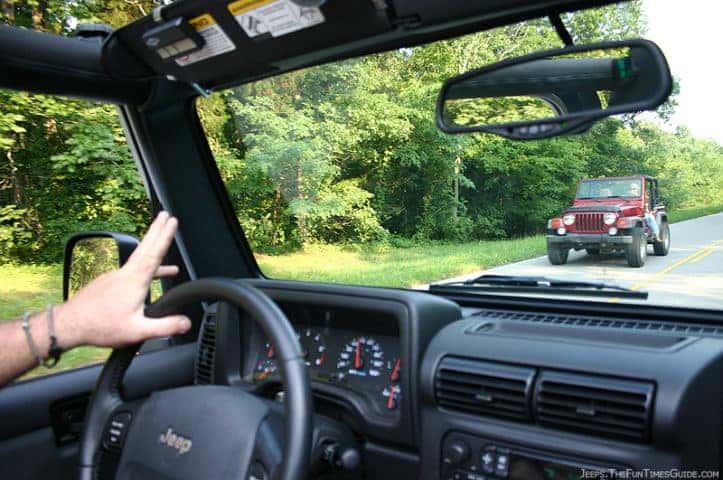
How The Jeep Wave Works
The Jeep Wave is simple but has a few unwritten rules. If you’re new to the Wrangler world, here’s what to expect:
- Initiate the Wave: Usually, the driver of the older or more rugged Jeep starts the wave.
- Hand Position: Most waves are casual. A raised hand or two fingers lifted from the steering wheel is enough.
- When to Wave: Only wave when you see another Wrangler, especially if it’s modified or looks like it’s been off-road.
Some enthusiasts believe the wave should only be used for Wranglers, while others include all Jeeps. The tradition can change depending on the region and the Jeep community.
Data: Jeep Wrangler Ownership And Community
Jeep Wranglers have a strong sense of community compared to other vehicles. Here’s a look at some statistics:
| Vehicle Model | Community Events per Year | Owner Loyalty (%) |
|---|---|---|
| Jeep Wrangler | 150+ | 89% |
| Ford Bronco | 60 | 72% |
| Toyota 4Runner | 40 | 65% |
Wrangler owners often join off-road clubs, attend Jeep meetups, and participate in charity drives. The wave reinforces these bonds and keeps the community strong.
Comparing The Jeep Wave To Other Car Cultures
You might wonder if other car brands have similar traditions. While some motorcycle riders use a wave, and sports car drivers might flash lights, the Jeep Wave is unique for its consistency and meaning.
| Car Brand | Community Gesture | Frequency |
|---|---|---|
| Jeep Wrangler | Wave | Almost every encounter |
| Harley-Davidson | Hand signal | Frequent |
| Subaru Outback | Head nod | Occasional |
| Porsche | Light flash | Rare |
Non-Jeep gestures are often less common and don’t have the same sense of identity.
Jeep Wave Etiquette And Unspoken Rules
If you drive a Wrangler, there are a few things to keep in mind. Here’s a quick guide:
- Always wave first if you have an older or more customized Jeep.
- Don’t expect a wave from all Jeep drivers—some may not know the tradition.
- Respect local customs. In some areas, the wave is less common.
- Modified Jeeps often get more waves—owners see them as true off-road vehicles.
Many new owners miss the fact that the wave is about more than respect—it’s about showing you’re part of a shared adventure. If you ignore the wave, you might be seen as an outsider.
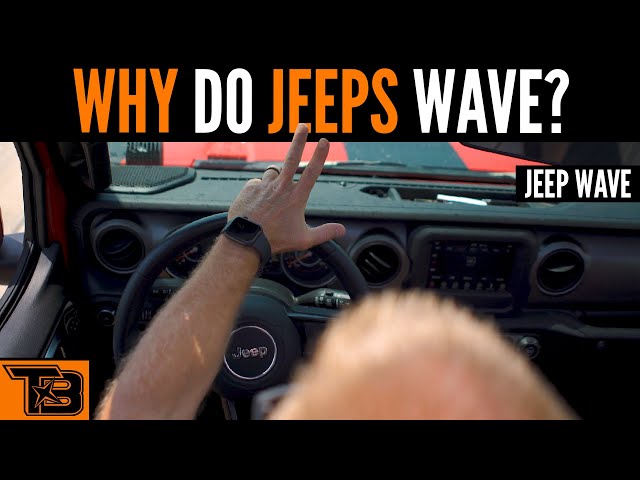
Why The Jeep Wave Matters
The Jeep Wave isn’t just a greeting—it’s a symbol of the Jeep lifestyle. Owners see themselves as part of a group that values freedom, exploration, and camaraderie. The wave is a reminder that you’re not alone on the road.
Here’s another insight: the Jeep Wave helps keep the brand’s reputation strong. Jeep owners are known for helping each other, sharing advice, and even stopping to assist stranded drivers. This sense of community is rare in the car world.
In recent years, the wave has gained popularity online. There are hashtags, memes, and even tutorials about the Jeep Wave.
Owners post photos of their Jeeps and share stories about their wave experiences.
Some groups track wave responses and share data, showing that modified Jeeps get more waves than stock models. This adds a playful competition to the tradition.
| Jeep Type | Average Waves per Day | Social Media Mentions |
|---|---|---|
| Wrangler Rubicon | 7 | 4,800 |
| Wrangler Sport | 5 | 2,900 |
| Wrangler Sahara | 3 | 1,700 |
Social media has made the wave more visible, helping new owners learn about the tradition.