When you see a Jeep crawling over rocks or winding through forest trails, you might notice drivers stopping to disconnect a small part called the sway bar. This isn’t just for show.
Disconnecting the sway bar is a serious technique that can transform a Jeep’s off-road abilities. But why do Jeep owners do this?
What actually changes when you disconnect the sway bar, and are there any risks? Let’s break down the reasons, the science behind it, and what you need to consider before trying it yourself.

What Is A Sway Bar And What Does It Do?
A sway bar (also called an anti-roll bar) is a metal rod that connects the left and right wheels of your Jeep’s suspension. Its main job is to reduce body roll when you turn, especially at higher speeds. When you drive around a corner, the sway bar helps keep your Jeep level, making the vehicle feel more stable and controlled on the road.
On regular streets and highways, this is important. It makes daily driving safer and more comfortable. But off-road, things change.
Why Disconnect The Sway Bar When Off-roading?
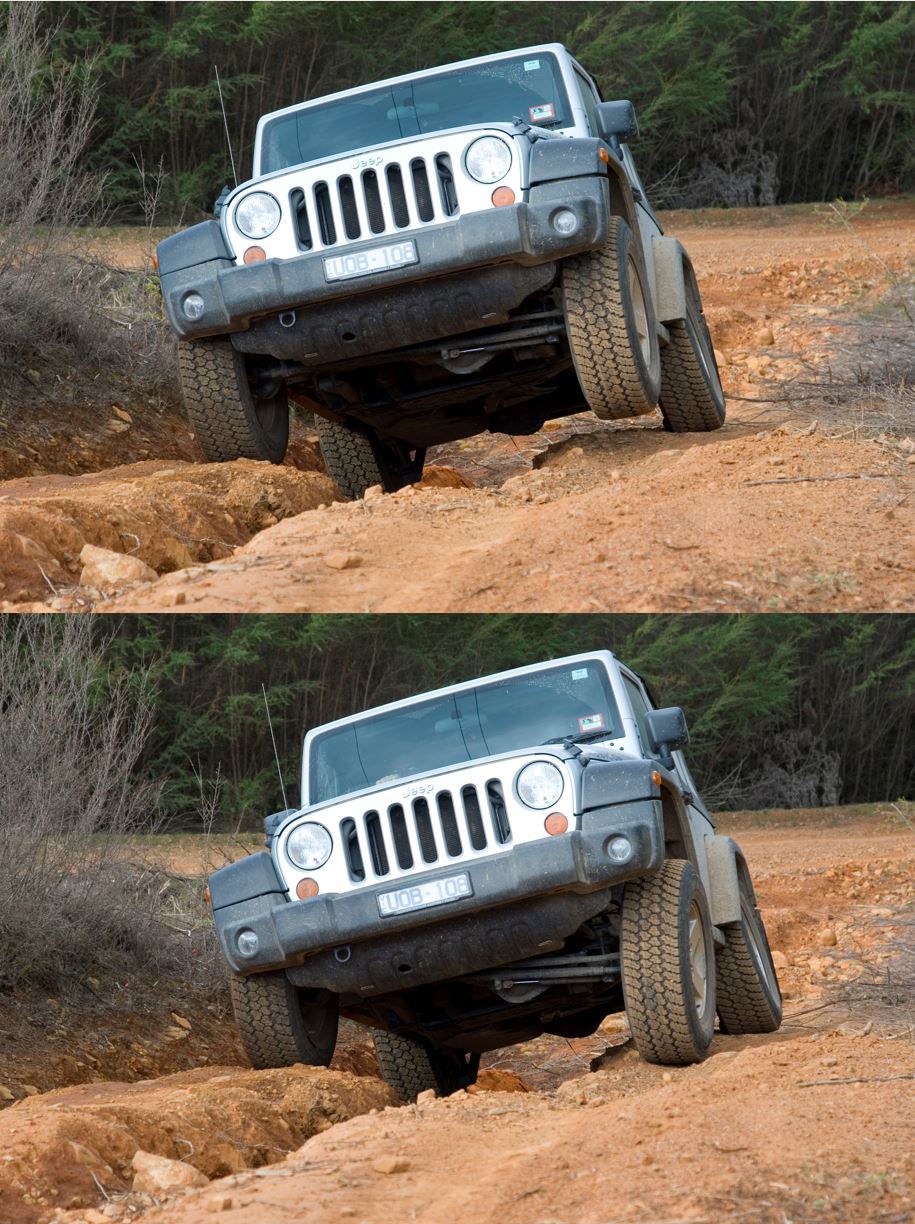
Off-roading isn’t about speed or sharp corners—it’s about traction and wheel movement. Disconnecting the sway bar lets each wheel move up and down independently. This extra movement is called articulation.
Here’s why that matters:
1. Better Wheel Contact
When you drive over uneven ground, like rocks or ruts, one wheel might go high while another drops low. With the sway bar connected, your Jeep’s suspension fights against this movement, sometimes lifting a wheel off the ground.
Disconnecting the sway bar lets each wheel move more freely.
All four wheels stay on the ground longer, which means better grip.
2. Improved Comfort
With the sway bar disconnected, your Jeep can flex more. This soaks up bumps and reduces shaking inside the cabin.
Passengers feel less jarring, and the Jeep handles rough trails more smoothly.
3. Less Stress On The Frame
When the suspension can flex, less force goes into the body and frame. This reduces the chance of bending or damaging expensive parts over time.
Real-world Example
Suppose you’re driving on a rocky trail. With the sway bar connected, your Jeep might lift a wheel, causing a loss of traction.
You may even get stuck. If you disconnect the sway bar, that same Jeep can keep all four wheels on the ground, driving over obstacles more easily.
How Much Difference Does It Make?
The change in off-road performance is big. Tests show that disconnecting the sway bar can increase wheel articulation by up to 30%. In some Jeep Wrangler models, the front suspension travel can jump from about 6 inches to 9 inches or more.
Here’s a quick comparison:
| Condition | Max Wheel Articulation | Traction |
|---|---|---|
| Sway Bar Connected | ~6 inches | Lower |
| Sway Bar Disconnected | ~9+ inches | Higher |
This difference can mean the Jeep climbs over rocks instead of getting stuck.
Are There Any Risks Or Downsides?
Disconnecting the sway bar is not always a good idea. The main risk is less stability on paved roads. Your Jeep can lean more during turns, making it feel less safe at higher speeds.
Common Mistakes To Avoid
- Forgetting to reconnect: Many drivers forget to reconnect the sway bar after leaving the trail. This can be dangerous when driving home.
- Disconnecting on the wrong terrain: Only disconnect on slow, technical trails. On highways or city streets, always keep the sway bar connected.
- Ignoring the rear sway bar: Most drivers only disconnect the front sway bar. Rear sway bars affect stability more and are rarely disconnected.
How To Disconnect (and Reconnect) The Sway Bar
Many modern Jeeps, like the Wrangler Rubicon, have an electronic sway bar disconnect button. For older models, you need to manually remove the sway bar links with simple tools.
Here’s a quick overview:
| Jeep Model | How to Disconnect | Time Needed |
|---|---|---|
| Wrangler Rubicon (2012+) | Press dashboard button | 10 seconds |
| Other Wrangler models | Remove sway bar links by hand or wrench | 5-10 minutes |
Be sure to store the sway bar links safely, and reconnect before returning to normal roads.
Upgrades: Sway Bar Disconnect Kits
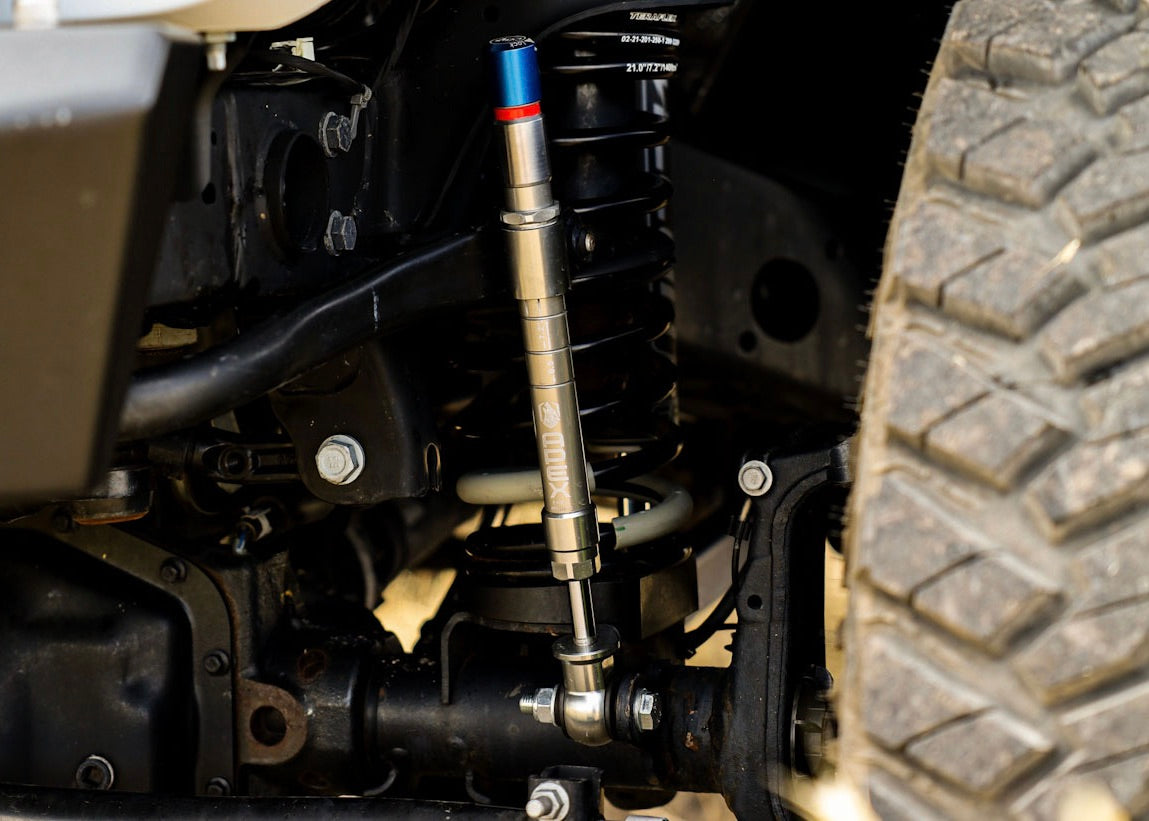
If you plan to off-road often, consider sway bar disconnect kits. These kits make it faster and easier to disconnect and reconnect the sway bar. Some are even “quick disconnects”—they use pins that you pull by hand, with no tools needed.
Choosing A Kit
- Fitment: Make sure the kit matches your Jeep model and lift height.
- Ease of Use: Look for quick disconnects if you want less work on the trail.
- Durability: Stainless steel or coated hardware lasts longer in mud and water.
A quality kit costs between $75 and $200. Installing one can save time and reduce hassle every trip.

When Should You Disconnect The Sway Bar?
You should disconnect the sway bar only when you:
- Drive on rough, uneven trails at low speeds
- Face rocks, deep ruts, or large obstacles
- Want maximum traction and suspension movement
Do not disconnect for sand dunes, snow, or high-speed dirt roads these need stability more than flex.
Practical Tips For Beginners
- Practice in a safe area before hitting tough trails. Get used to the way your Jeep feels with and without the sway bar.
- Check your owner’s manual for warnings or advice.
- Bring basic tools if your Jeep doesn’t have electronic disconnects.
- Inspect sway bar links for damage after each trip.
- Reconnect before driving fast or on public roads.
Most beginners forget to check the condition of sway bar bushings and mounts. Worn bushings can cause noise and poor handling, even when the bar is connected.
Also, after muddy trips, always clean the sway bar area to prevent rust and sticking.
Frequently Asked Questions
Why Do People Disconnect The Sway Bar On A Jeep?
People disconnect the sway bar to increase wheel articulation. This helps all four wheels stay on the ground on rough trails, giving better grip and safety.
Is It Safe To Drive On The Road With The Sway Bar Disconnected?
No, it’s not safe. Without the sway bar, your Jeep can lean too much during turns, raising the risk of rolling over.
Always reconnect it before driving on paved roads.
Do All Jeeps Have Sway Bars You Can Disconnect?
Most modern Jeeps have front sway bars that can be disconnected, especially Wranglers. Some models have electronic disconnects.
Rear sway bars should usually stay connected for safety.
What Tools Do I Need To Disconnect The Sway Bar Manually?
Most Jeeps need a wrench or socket set to remove the sway bar links. Quick disconnect kits need only your hands. Always check your model’s requirements.
Can I Install A Sway Bar Disconnect Kit Myself?
Yes, most kits are designed for DIY installation with basic tools. Follow the instructions, and check that everything is tight before driving. For more details on Jeep sway bars, visit Wikipedia.
Disconnecting the sway bar is one of the simplest ways to boost your Jeep’s off-road performance. With a little knowledge and the right tools, you can tackle tougher trails and enjoy a smoother, more capable ride.
Always remember to reconnect before hitting the highway, and you’ll get the best of both worlds off-road fun and on-road safety.



















