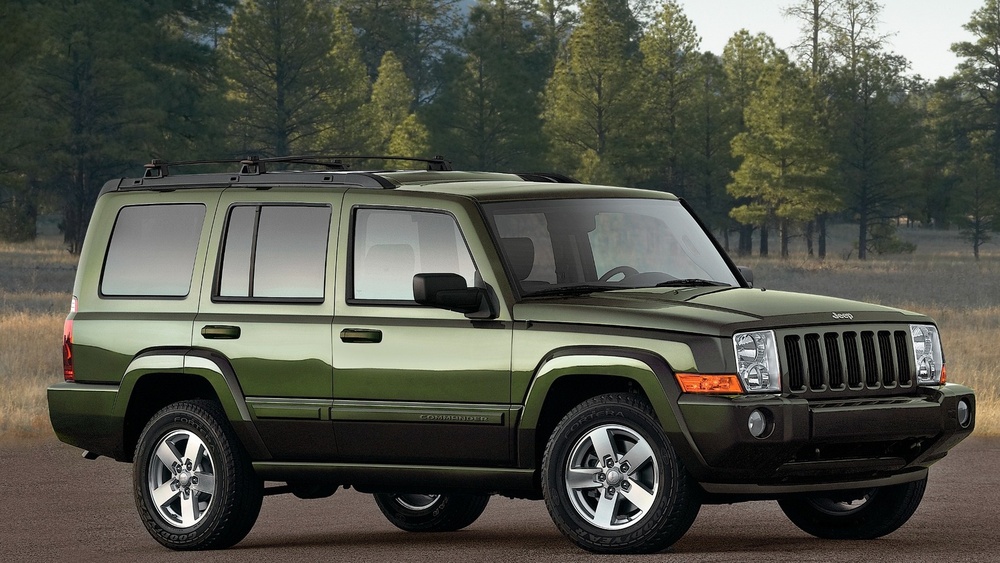
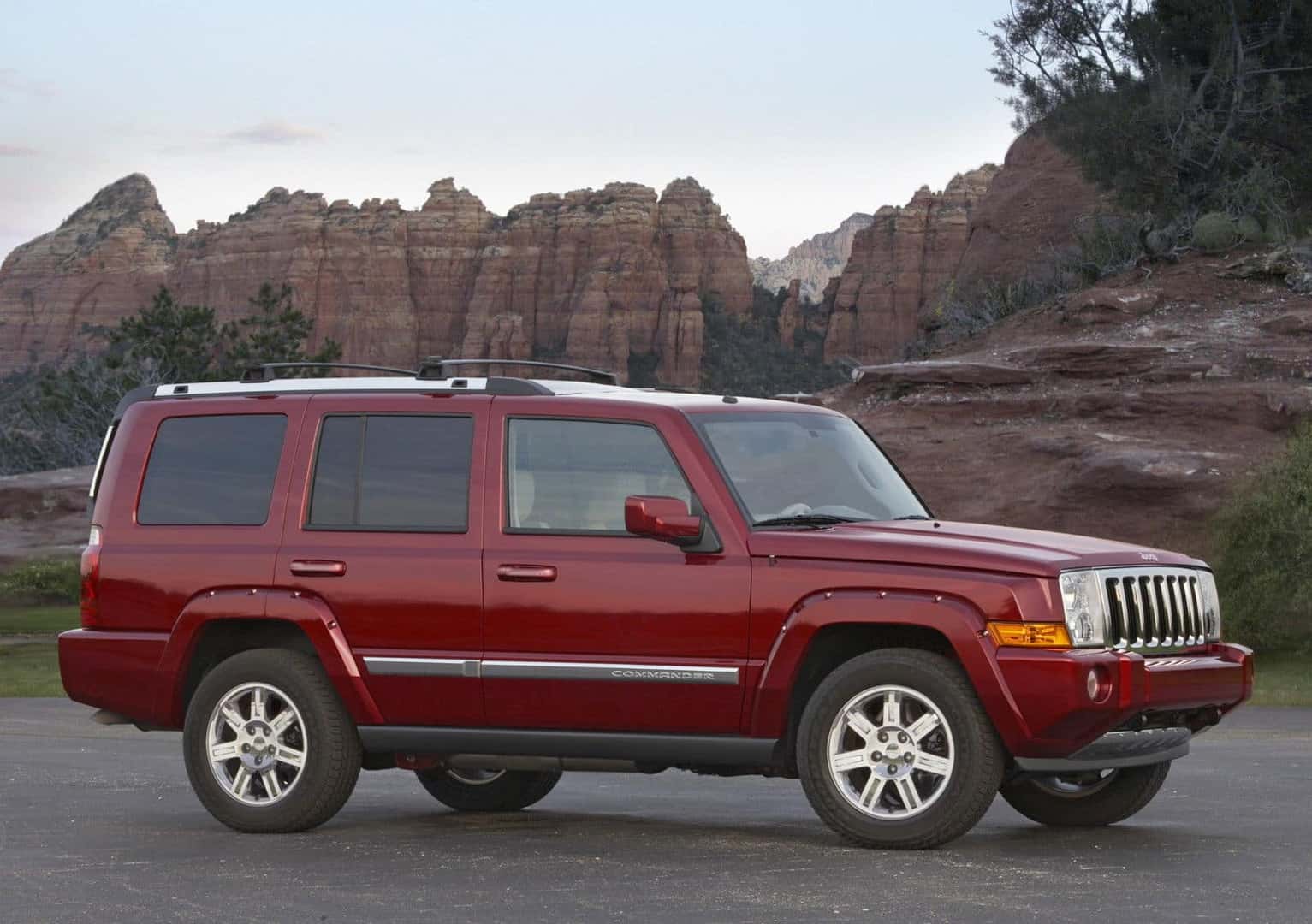
The Jeep Commander was a bold addition to Jeep’s lineup when it launched in 2005. With its boxy shape, three-row seating, and classic Jeep styling, it aimed to attract families who wanted ruggedness and space.
Yet, just a few years later, production stopped after the 2010 model year.
Many Jeep fans still wonder why such a distinctive SUV was discontinued.
Key Reasons Behind The Jeep Commander’s Discontinuation
Several factors led Jeep to stop making the Commander. Understanding these reasons gives insight into how automakers make tough decisions.
Weak Sales Numbers
From the beginning, the Commander struggled in the market. Jeep hoped the Commander would appeal to buyers needing extra seats and cargo room. However, sales never matched expectations. For example:
- In 2006, Jeep sold about 89,000 Commanders in the US.
- By 2009, sales had dropped to just under 9,500 units.
This rapid decline showed that demand was much lower than Jeep hoped. Many families chose other brands for three-row SUVs, like the Toyota Highlander or Honda Pilot, which offered better fuel economy and more modern designs.
Outdated Design And Limited Appeal
The Commander’s boxy styling was unique but quickly looked old-fashioned. Compared to newer SUVs, its sharp edges and flat surfaces did not appeal to most buyers.
Also, the Commander’s interior felt cramped, especially in the third row.
- The third-row seats were small and uncomfortable for adults.
- Legroom and cargo space suffered when all seats were in use.
A lot of Commander owners said the vehicle was great for off-roading, but not ideal for daily family use. This mix of ruggedness and family features didn’t satisfy either group fully.
Poor Fuel Economy And Performance
Fuel economy became more important to buyers in the late 2000s. The Commander had gasoline engines that were thirsty:
- The V8 model averaged only 14 mpg city / 19 mpg highway.
- Even the V6 struggled to reach 15 mpg city.
Compared to rivals, this was a major drawback. Rising gas prices made people look for more efficient SUVs.
Also, the Commander was heavy, making acceleration slow and handling less nimble. For many, it felt like driving a truck rather than a modern SUV.
Competition Within Jeep’s Own Lineup
Jeep offered the Grand Cherokee, which shared a platform and many features with the Commander. Buyers looking for capability and luxury often picked the Grand Cherokee, which was:
- More modern and stylish
- Better on gas
- Easier to drive
Here’s a simple comparison between the Commander and Grand Cherokee:
| Feature | Jeep Commander | Grand Cherokee |
|---|---|---|
| Seating | 7 (three rows) | 5 (two rows) |
| Fuel Economy | 14-19 mpg | 17-23 mpg |
| Style | Boxy, rugged | Sleek, modern |
| Sales (2009) | 9,500 | 83,000 |
The Grand Cherokee outsold the Commander by a wide margin. Jeep realized the Commander was hurting sales of its flagship SUV instead of expanding the brand.
Changing Market Trends
Consumer preferences shifted in the late 2000s. Buyers wanted crossover SUVs that drove more like cars, with smoother rides, lighter bodies, and better efficiency. The Commander, built on a traditional SUV platform, was heavy and less comfortable.
Automakers began to focus on crossovers and midsize SUVs. Jeep followed this trend by updating the Grand Cherokee and later introducing new models like the Jeep Cherokee and Jeep Compass.
| Year | Commander Sales | Grand Cherokee Sales | Highlander Sales |
|---|---|---|---|
| 2006 | 89,000 | 139,000 | 129,000 |
| 2009 | 9,500 | 83,000 | 83,000 |
This table shows how Commander sales fell while competitors and even other Jeep models stayed strong.
Lessons Jeep Learned From The Commander
Jeep’s experience with the Commander gave the brand valuable lessons. The company realized that:
- Three-row SUVs must balance space, comfort, and efficiency.
- Buyers want modern design and features, not just rugged looks.
- Overlapping models can confuse buyers and hurt sales.
Later, Jeep returned to the three-row market with the Grand Cherokee L in 2021. This new model addressed many of the Commander’s weaknesses by offering improved comfort, technology, and fuel economy.

Non-obvious Insights For Jeep Fans
Many beginners think the Commander failed only because of weak sales. However, there were two important issues most miss:
- Regulatory pressure: Emissions and safety rules were becoming stricter. Jeep would have needed expensive upgrades to keep the Commander on sale.
- Dealer feedback: Many Jeep dealers reported that the Commander was hard to sell, and trade-ins had low value. This influenced Jeep’s decision to drop the model.
What Happened To The Commander Name?
The Commander name did not disappear completely. Jeep launched a new Commander in China and South America, but it is a very different vehicle—a crossover based on modern platforms.
For US buyers, there is no direct replacement. The Grand Cherokee L is now the main three-row Jeep, and it is much more advanced in every way.
Frequently Asked Questions
Why Was The Jeep Commander Discontinued?
The Commander was discontinued mainly due to poor sales, outdated design, and weak fuel economy. Changing market trends and competition from the Grand Cherokee also played a big role.
Was The Jeep Commander Reliable?
The Commander was average in reliability. Owners reported issues with electrical systems, suspension, and sometimes engine problems. Maintenance costs were higher compared to other SUVs.
Will Jeep Ever Bring Back The Commander In The Us?
At this time, Jeep has no plans to bring back the Commander in the US. Instead, Jeep offers the Grand Cherokee L for buyers needing three rows.
What Was Unique About The Jeep Commander?
The Commander stood out for its boxy design, three-row seating, and strong off-road ability. However, its small third row and heavy body limited its appeal.
Are Used Jeep Commanders A Good Buy?
A used Commander can be good for those wanting off-road capability and classic Jeep style. But buyers should check for maintenance records and be aware of possible high fuel costs.
Jeep’s decision to stop making the Commander was based on data, trends, and feedback. The brand learned from its mistakes and now offers SUVs that fit modern needs. For more about the Jeep Commander’s history and specs, visit Wikipedia.



















