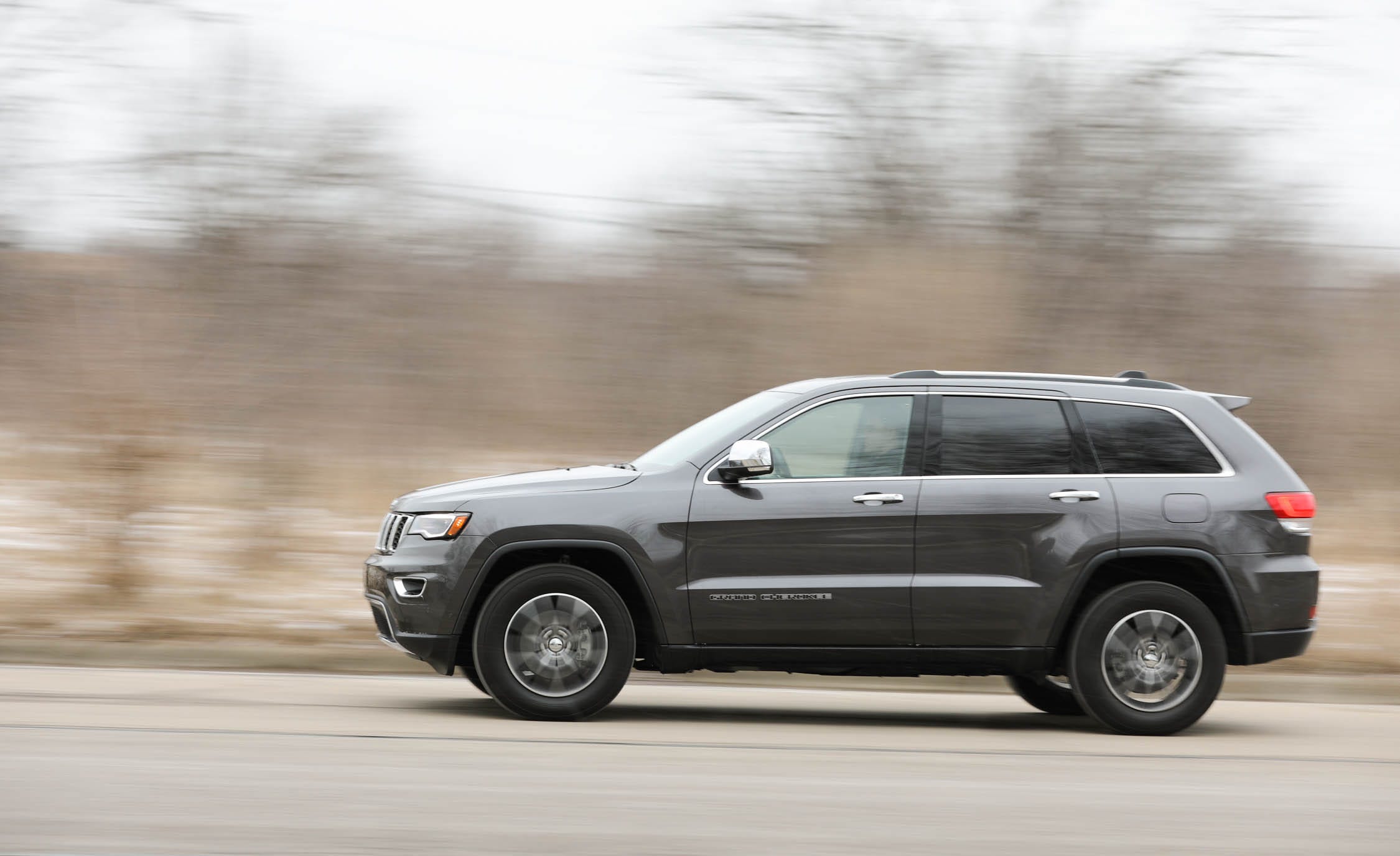
The Jeep Grand Cherokee Trackhawk was one of the most thrilling SUVs on the market. It combined luxury, utility, and supercar-level speed in a single package.
When Jeep discontinued the Trackhawk, many fans were left wondering why such a unique vehicle was pulled from the lineup. Let’s explore the real reasons behind this decision, what made the Trackhawk special, and what the future may hold for Jeep performance vehicles.
The Trackhawk: A Brief Overview
The Trackhawk debuted in 2018. Jeep took the Grand Cherokee and added a 6.2-liter supercharged V8 engine from Dodge’s Hellcat line. This engine produced 707 horsepower and 645 lb-ft of torque, making the Trackhawk one of the fastest SUVs ever built. It could accelerate from 0 to 60 mph in just 3.5 seconds.
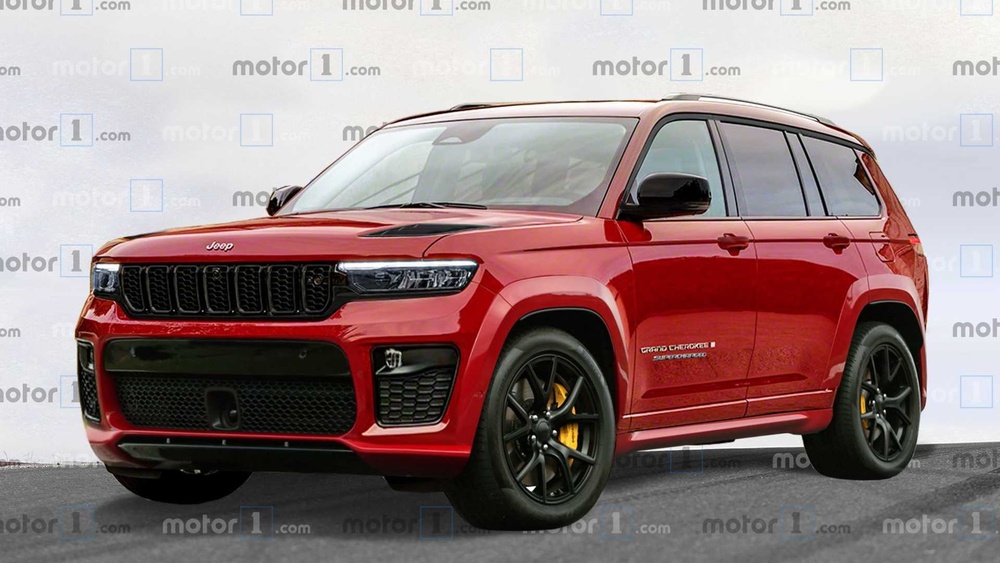
Jeep aimed the Trackhawk at drivers who wanted both practicality and extreme performance. It became an instant favorite among car enthusiasts who loved its aggressive looks, powerful engine, and all-wheel drive capability.
Why Jeep Discontinued The Trackhawk
Multiple factors contributed to the end of the Trackhawk. Understanding these reasons can help clarify Jeep’s decision and what it means for the brand.
1. Stricter Emissions Regulations
The Trackhawk’s supercharged V8 was exciting but not efficient. New emissions standards in the US and Europe forced automakers to rethink high-performance, gas-powered vehicles. The Trackhawk’s engine produced high levels of CO2 and other pollutants, making it difficult to justify in a world moving toward greener vehicles.
In California and other states, laws became stricter every year. Jeep faced huge fines if they continued selling such models without improvements. Upgrading the Trackhawk to meet these rules would require expensive engineering changes.
2. Rising Production Costs
Building the Trackhawk was costly. The Hellcat engine alone was expensive to manufacture. Add in the reinforced transmission, upgraded brakes, and high-performance suspension, and the price added up quickly.
Jeep sold fewer Trackhawks than regular Grand Cherokees, making it harder to spread out these costs. Profit margins were lower compared to other models. As prices for materials and labor increased, the Trackhawk became less profitable.
3. Changing Market Demand
Consumer tastes are shifting. More buyers now prefer hybrid or electric SUVs. Many shoppers want vehicles with better fuel economy and lower running costs. While the Trackhawk was loved by enthusiasts, most buyers chose more practical models.
Jeep saw that demand for high-powered, gasoline SUVs was shrinking. They decided to focus on new models with electric or hybrid powertrains.
4. Focus On Electrification
Jeep is moving toward electrification. The company announced plans to offer more electric and plug-in hybrid models in the coming years. Their goal is to make their lineup greener and more modern.
The Trackhawk’s engine doesn’t fit with this new direction. Jeep wants to build vehicles that meet future regulations and appeal to a wider audience.
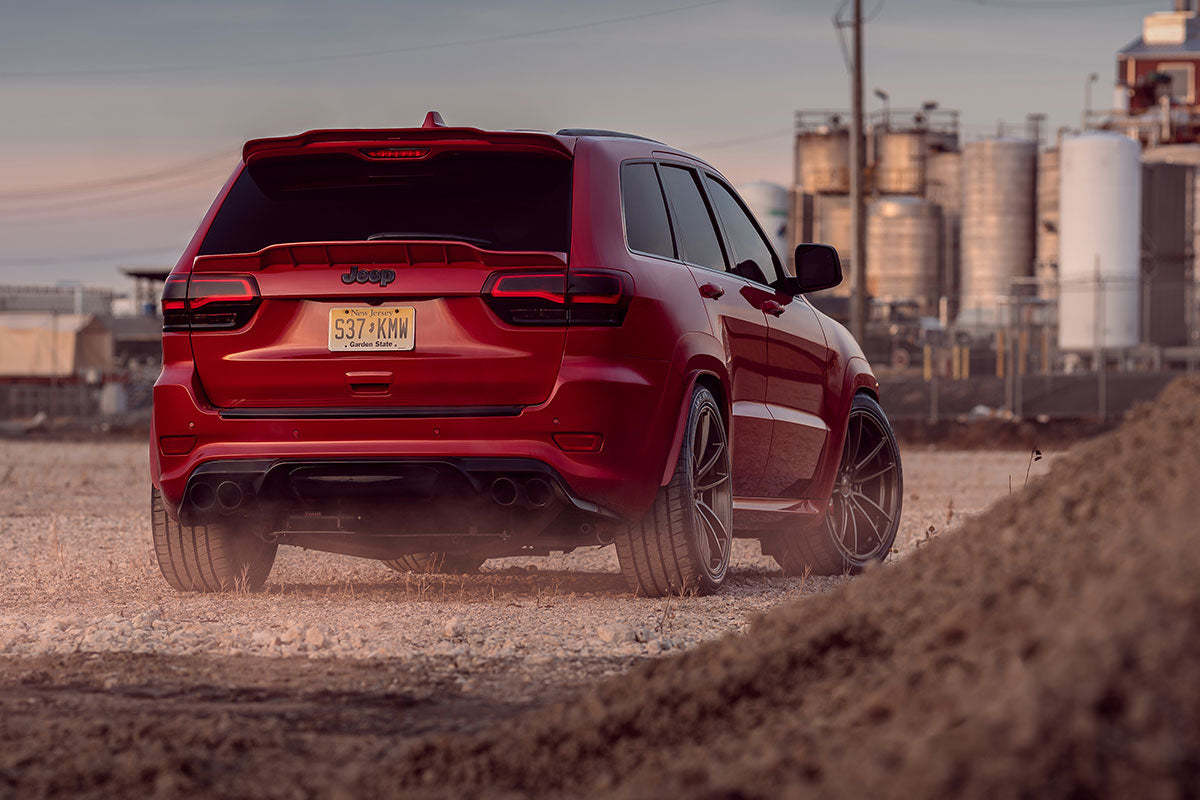
Comparing The Trackhawk To Other Performance Suvs
To understand why Jeep discontinued the Trackhawk, it helps to compare it with similar vehicles. Here’s how the Trackhawk stacked up against rivals:
| Model | Engine | Horsepower | 0-60 mph | MSRP |
|---|---|---|---|---|
| Jeep Trackhawk | 6.2L Supercharged V8 | 707 hp | 3.5 sec | $88,000 |
| BMW X5 M | 4.4L Twin-Turbo V8 | 617 hp | 3.8 sec | $110,000 |
| Mercedes-AMG GLE 63 | 4.0L Twin-Turbo V8 | 603 hp | 3.7 sec | $120,000 |
The Trackhawk offered more power at a lower price, but its fuel economy and emissions were much higher.
Sales Data And Market Trends
The Trackhawk was never a high-volume model. Jeep sold around 4,000 units per year at its peak. In comparison, the Grand Cherokee (all versions) regularly sold over 200,000 units annually.
More buyers were choosing SUVs with better mileage and smaller engines. The high cost of ownership and insurance for the Trackhawk also limited its market.
Here’s a quick look at sales numbers:
| Year | Trackhawk Sales | Grand Cherokee Sales |
|---|---|---|
| 2018 | 4,100 | 224,000 |
| 2019 | 3,800 | 242,000 |
| 2020 | 3,200 | 209,000 |
The Trackhawk numbers were low, even compared to other performance SUVs.
What Owners And Fans Miss
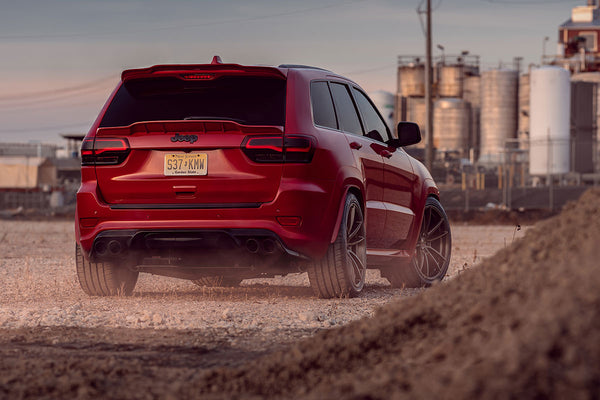
Owners loved the Trackhawk’s raw power and unique personality. It was a practical family SUV that could beat many sports cars in a drag race. The all-wheel drive made it useable in all weather.
Enthusiasts also enjoyed the exclusivity. The Trackhawk stood out from other SUVs. Its aggressive styling, loud exhaust, and performance features created a strong community of fans.
One insight many beginners overlook is that the Trackhawk’s insurance costs were very high. Premiums often exceeded $3,000 per year. Also, maintenance was expensive due to the supercharged engine.
Another thing people miss: resale values remain strong. Used Trackhawks still sell for high prices, showing the model’s lasting appeal.
What’s Next For Jeep Performance?
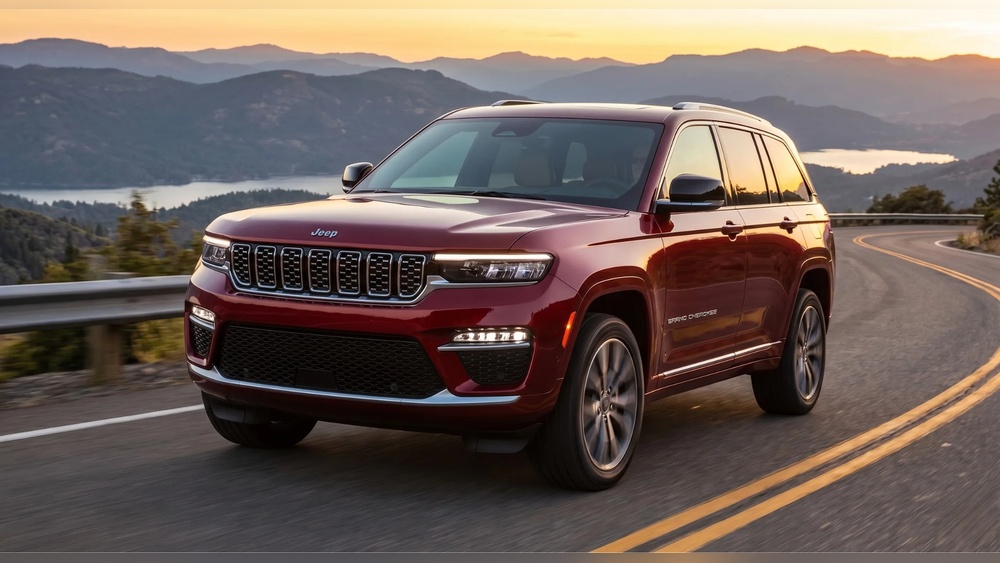
Jeep is not abandoning performance. The new Grand Cherokee 4xe offers a plug-in hybrid option. It combines electric power with a turbocharged engine, giving both good speed and lower emissions.
Rumors suggest Jeep may launch high-performance electric SUVs. These could deliver instant torque and great acceleration, similar to the Trackhawk but with no tailpipe emissions.
Here’s a comparison of current Jeep performance options:
| Model | Powertrain | Horsepower | Fuel Economy (Combined) |
|---|---|---|---|
| Trackhawk | 6.2L Supercharged V8 | 707 hp | 13 mpg |
| Grand Cherokee 4xe | 2.0L Turbo + Electric | 375 hp | 23 mpg |
Jeep is focusing on models that offer performance without sacrificing efficiency.
Frequently Asked Questions
Why Was The Trackhawk So Popular?
The Trackhawk was loved for its supercharged engine, quick acceleration, and practical SUV features. It combined performance and comfort in a unique way.
Will Jeep Bring Back The Trackhawk?
There are no official plans to revive the Trackhawk with a gas engine. Jeep may offer future performance models with electric or hybrid power.
Is The Trackhawk Still Available Used?
Yes, the Trackhawk is popular on the used market. Prices remain high because it’s rare and still in demand among enthusiasts.
How Does The Trackhawk Compare To Newer Jeep Models?
The Trackhawk has more power and speed than current Jeep SUVs, but newer models like the Grand Cherokee 4xe offer better fuel economy and lower emissions.
Where Can I Find More Information About Jeep’s Future Plans?
You can learn more about Jeep’s electrification strategy at their official site: Jeep Official Site.
The Trackhawk’s discontinuation marks the end of an era. While fans may miss its raw power, Jeep is adapting to new trends and regulations. The brand’s focus on electrification shows a commitment to performance, just in a new form. If you’re searching for a used Trackhawk, you can still find them, but expect to pay a premium for this rare SUV.
Jeep’s next chapter promises exciting, eco-friendly vehicles that may surprise us with their own kind of speed.