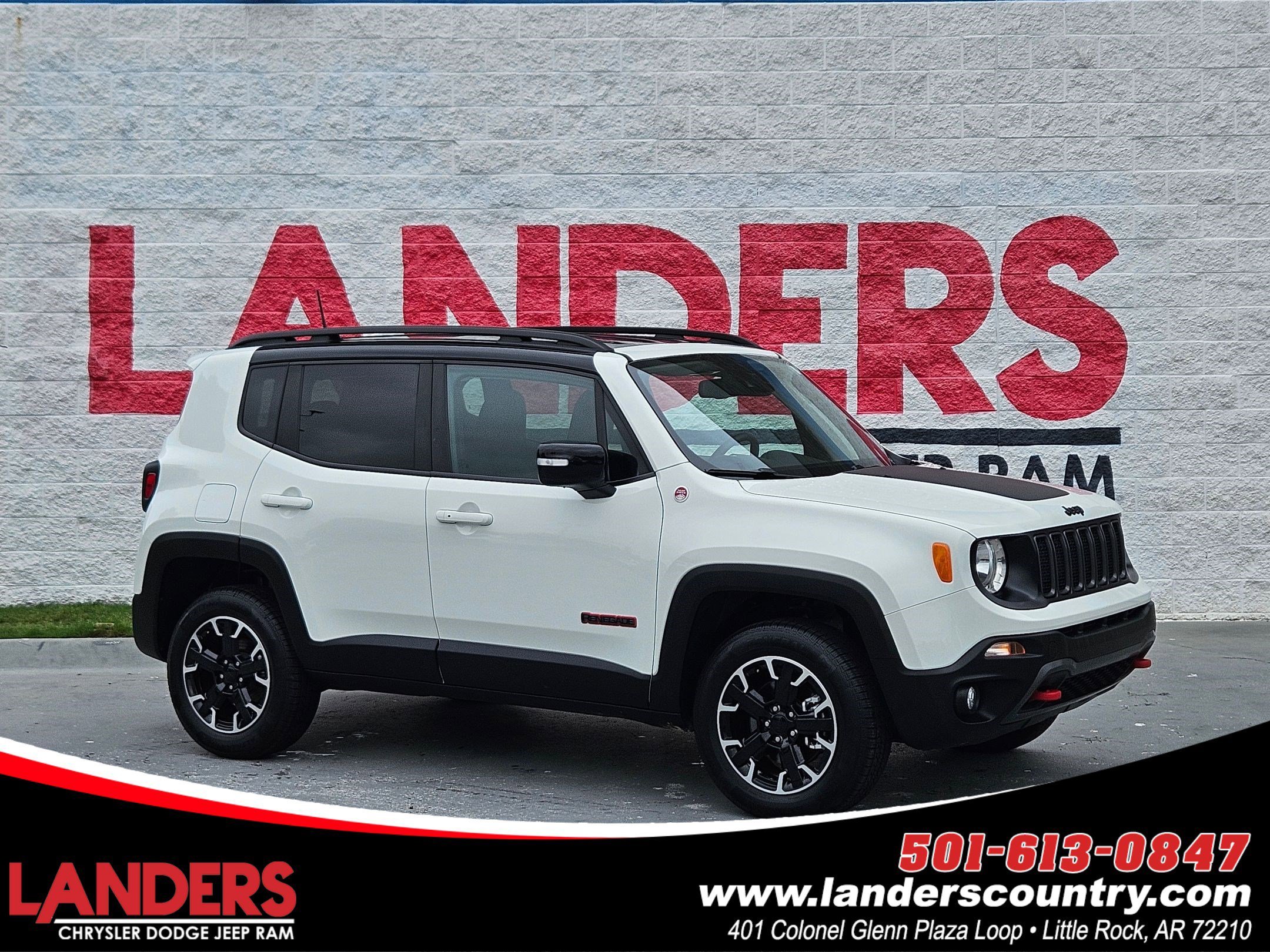
The Jeep Renegade Trailhawk is a compact SUV designed for adventure. Its off-road capability and rugged style make it popular among outdoor enthusiasts.
But, like any vehicle, proper maintenance is key to long life and reliability. One crucial part of this is using the right oil type.
If you own or are considering a Trailhawk, understanding which oil to use—and why—can save you money, protect your engine, and keep your Jeep running at its best.
Recommended Oil Type For Jeep Renegade Trailhawk
The Jeep Renegade Trailhawk is usually powered by either a 1.3L turbocharged engine or a 2.4L Tigershark engine, depending on the model year and market. Each engine has specific oil requirements, which are important for performance and warranty.
- 1.3L Turbo Engine: The recommended oil is SAE 0W-30 full synthetic. This oil provides excellent cold-start protection and is optimized for turbocharged engines.
- 2.4L Tigershark Engine: The preferred oil is SAE 0W-20 full synthetic. This oil helps with fuel efficiency and smooth engine operation.
Most Jeep dealers and many independent mechanics use Mopar branded oil, but any oil that meets the required specification is acceptable.
Why Oil Type Matters
Using the correct oil type does more than meet a manufacturer recommendation. It directly affects:
- Engine protection: The right oil lubricates moving parts, reducing wear and tear.
- Fuel efficiency: Thin, modern oils (like 0W-20 or 0W-30) help your engine run smoothly and save gas.
- Cold starts: The numbers before the “W” (like 0W) show how well the oil flows in winter. Lower numbers mean easier starts in cold weather.
- Turbocharger health: For turbo engines, oil must handle higher heat and stress. Using the wrong oil can damage the turbo over time.
A common mistake is using conventional oil instead of full synthetic. Modern Jeep Renegade Trailhawks are designed for synthetic oil only. Conventional oil can break down faster and fail to protect the engine, especially during tough off-road use.
Oil Capacity And Change Intervals
Knowing how much oil your Jeep needs is just as important as the type. Here’s a quick comparison:
| Engine | Oil Capacity (with filter) | Recommended Oil Type |
|---|---|---|
| 1.3L Turbo | 4.8 quarts (4.5 liters) | SAE 0W-30 Full Synthetic |
| 2.4L Tigershark | 5.5 quarts (5.2 liters) | SAE 0W-20 Full Synthetic |
Jeep suggests changing the oil every 7,500 miles or 12 months, whichever comes first, under normal driving conditions. However, if you drive in harsh environments (dust, heat, off-road), changing oil every 5,000 miles is smarter. This helps keep your engine clean and running strong.
Many beginners think they can wait until the oil change light appears. While the Renegade’s oil monitoring system is helpful, it’s not perfect—especially if you drive off-road. Stick to the mileage or time schedule for best results.
How To Check And Add Oil
Keeping an eye on your oil is simple and can prevent major problems. Here’s how you do it:
- Park the Jeep on a level surface and turn off the engine.
- Wait five minutes for oil to settle.
- Pull out the dipstick, wipe it clean, and reinsert fully.
- Remove again and check the oil level—it should be between “MIN” and “MAX.”
- If low, add oil slowly, checking the level as you go.
Always use the oil type for your engine. Mixing oils or using the wrong viscosity can cause poor engine performance or even damage. Some drivers add oil “just to top up,” but using the wrong oil to do this is a common mistake.
Always carry a small bottle of the correct oil in your Trailhawk—especially for long trips.
Choosing A Quality Oil Brand
There are many full synthetic oil brands that meet Jeep’s requirements. Here’s a look at popular options:
| Brand | Meets Jeep Specs | Popular Viscosity |
|---|---|---|
| Mopar | Yes | 0W-20, 0W-30 |
| Mobil 1 | Yes | 0W-20, 0W-30 |
| Pennzoil | Yes | 0W-20, 0W-30 |
| Valvoline | Yes | 0W-20, 0W-30 |
You don’t have to use Mopar oil, but you must use full synthetic oil that meets the required API or ILSAC standards. This information is printed on the oil bottle. For more details, see the official Jeep Maintenance Guide.
Synthetic Vs Conventional Oil
Many Jeep owners wonder if they can save money by using cheaper oil. For the Renegade Trailhawk, full synthetic oil is a must. Here’s why:
| Oil Type | Pros | Cons |
|---|---|---|
| Full Synthetic | Better protection, longer life, higher temperature resistance | More expensive per quart |
| Conventional | Lower cost up front | Breaks down faster, not recommended for modern engines |
Choosing synthetic oil is not just about following rules—it’s about protecting your investment. Synthetic oil keeps your engine cleaner, handles heat better, and reduces the risk of sludge that can damage turbos and other vital parts.
Signs You’re Using The Wrong Oil
Using the incorrect oil can cause:
- Engine knocking or strange noises
- Reduced fuel economy
- Oil leaks or burning smell
- Check engine light activation
If you notice these symptoms after an oil change, double-check the oil type and level. If you’re unsure, have a mechanic inspect your Jeep as soon as possible.
Frequently Asked Questions
<!– wp:rank-math/faq-block {"questions":[{"id":"faq-question-2edeaeb7799a","title":"What Happens If I Use 5w-30 Instead Of 0w-20 Or 0w-30?","content":"Using 5W-30 in a Renegade Trailhawk may not provide the same fuel efficiency or engine protection, especially in cold weather. It can also affect your warranty if the wrong oil causes damage.
“,”visible”:true},{“id”:”faq-question-9f0dd3407301″,”title”:”How Often Should I Change The Oil In My Jeep Renegade Trailhawk?”,”content”:”Under normal conditions, every 7,500 miles or 12 months. For frequent off-road driving, change oil every 5,000 miles to maintain engine health.
“,”visible”:true},{“id”:”faq-question-db5a560c203b”,”title”:”Can I Switch From Conventional To Synthetic Oil?”,”content”:”Yes, you can switch at any time. In fact, the Trailhawk requires full synthetic oil. There’s no need to “flush” the engine when switching.
“,”visible”:true},{“id”:”faq-question-316d310cd4db”,”title”:”Is It Safe To Mix Oil Brands If The Viscosity Is Correct?”,”content”:”It’s usually safe if the viscosity and specifications match, but sticking to one brand helps ensure consistency. Always avoid mixing synthetic and conventional oils.
“,”visible”:true},{“id”:”faq-question-31e6c92e6d2e”,”title”:”Where Can I Find The Recommended Oil Type For My Jeep?”,”content”:”Check your owner’s manual or the oil cap under the hood. You can also visit the Jeep Maintenance Guide for the latest recommendations.
Taking care of your Jeep Renegade Trailhawk starts with choosing the right oil. Follow these guidelines to keep your Jeep ready for any adventure, on-road or off. A little attention now means more miles of fun and fewer headaches down the trail.
“,”visible”:true}]} –>What Happens If I Use 5w-30 Instead Of 0w-20 Or 0w-30?
Using 5W-30 in a Renegade Trailhawk may not provide the same fuel efficiency or engine protection, especially in cold weather. It can also affect your warranty if the wrong oil causes damage.
How Often Should I Change The Oil In My Jeep Renegade Trailhawk?
Under normal conditions, every 7,500 miles or 12 months. For frequent off-road driving, change oil every 5,000 miles to maintain engine health.
Can I Switch From Conventional To Synthetic Oil?
Yes, you can switch at any time. In fact, the Trailhawk requires full synthetic oil. There’s no need to “flush” the engine when switching.
Is It Safe To Mix Oil Brands If The Viscosity Is Correct?
It’s usually safe if the viscosity and specifications match, but sticking to one brand helps ensure consistency. Always avoid mixing synthetic and conventional oils.
Where Can I Find The Recommended Oil Type For My Jeep?
Check your owner’s manual or the oil cap under the hood. You can also visit the Jeep Maintenance Guide for the latest recommendations.
Taking care of your Jeep Renegade Trailhawk starts with choosing the right oil. Follow these guidelines to keep your Jeep ready for any adventure, on-road or off. A little attention now means more miles of fun and fewer headaches down the trail.