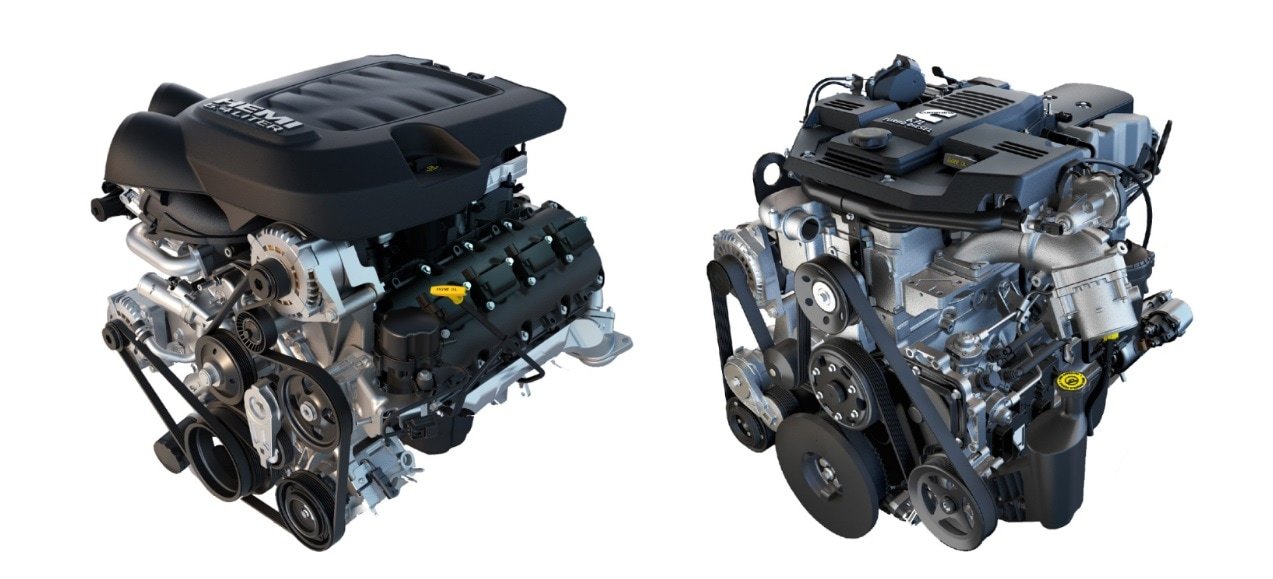
Jeep’s diesel engines were once a selling point for drivers seeking strong torque and better fuel economy, especially in the Wrangler and Grand Cherokee.
Yet, by 2023, Jeep made the decision to discontinue its diesel powertrains in the US market, sparking questions among enthusiasts and buyers.
Why did a brand known for ruggedness and off-road ability stop offering diesel engines? The answer is a combination of changing regulations, market trends, and business strategy.
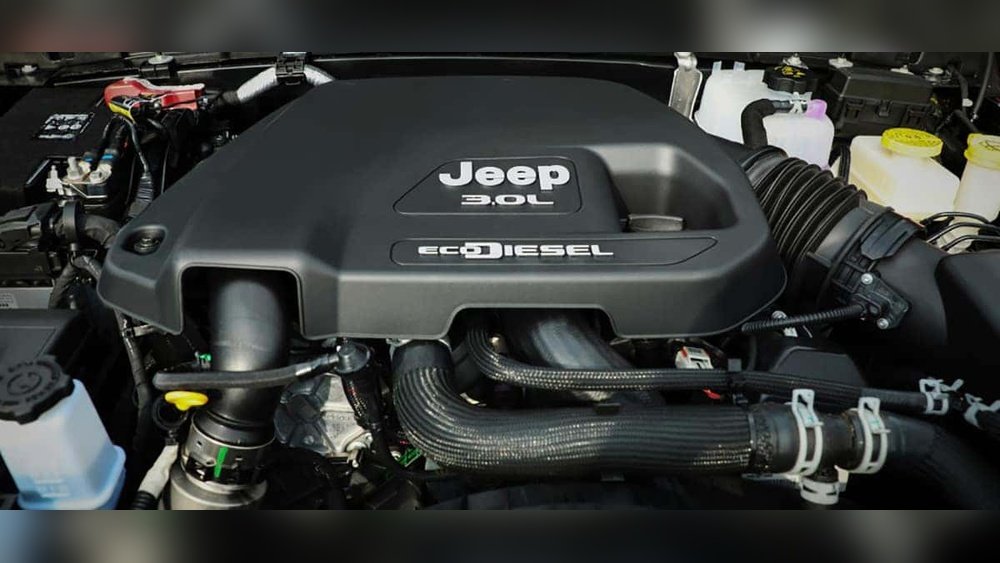
The Rise And Fall Of Jeep Diesel Engines
Jeep introduced its modern diesel engines in the US with much excitement. Models like the Jeep Wrangler EcoDiesel and Grand Cherokee EcoDiesel promised more torque and improved fuel economy compared to gasoline options. For off-roaders, the low-end torque of diesel engines was especially attractive.
However, diesel’s popularity in the US never matched its strength in Europe. Over time, several challenges emerged:
- High production costs for meeting US emissions standards
- Changing customer preferences toward gasoline and hybrids
- Reputation issues after diesel scandals in the automotive industry
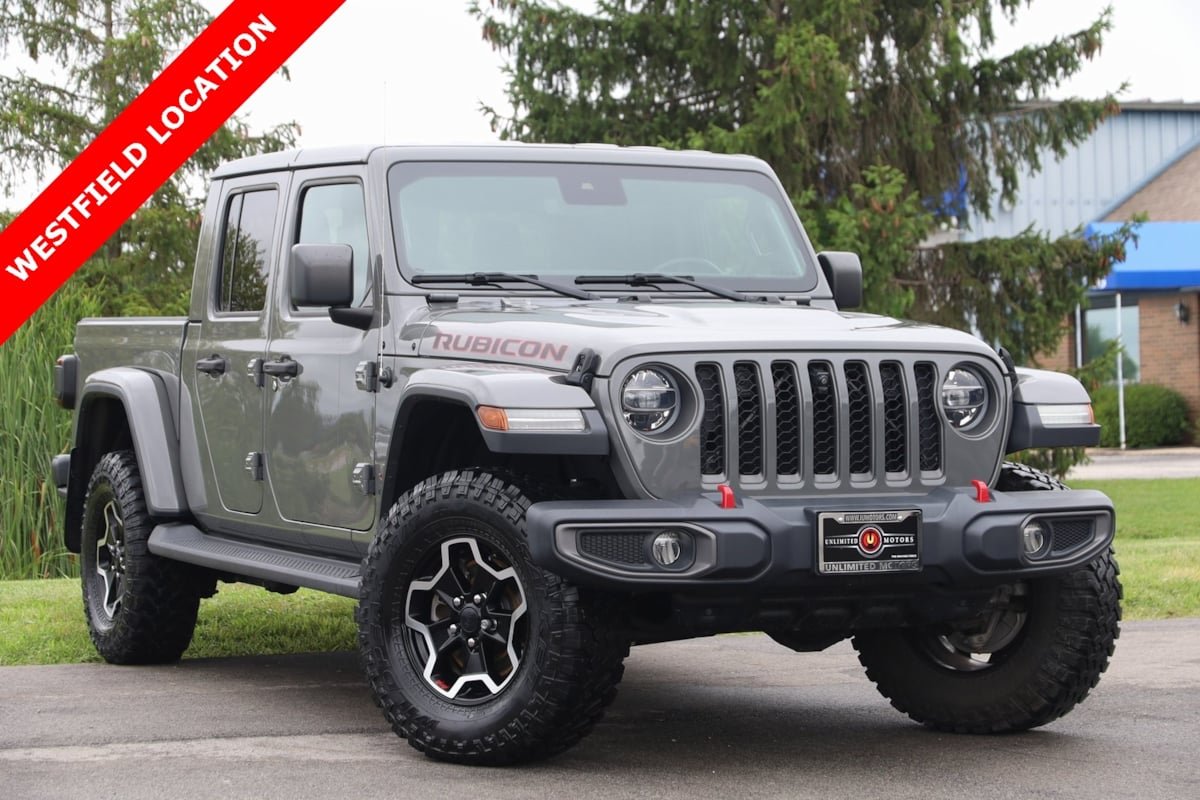
In 2022, Jeep announced that the 2023 model year would be the last for the Wrangler EcoDiesel in North America.
Emissions Regulations: The Biggest Hurdle
Stricter emissions standards have played a major role in the end of diesel engines for Jeep. The US Environmental Protection Agency (EPA) and California Air Resources Board (CARB) have been tightening rules on nitrogen oxides (NOx) and particulate emissions.
Diesel Compliance Challenges
Unlike gasoline engines, diesel engines naturally produce more NOx and particulates. Meeting the latest standards requires complex aftertreatment systems like diesel particulate filters and urea injection (DEF/AdBlue). These systems:
- Increase the cost of manufacturing
- Add weight and complexity to vehicles
- Require frequent maintenance
For Jeep, the investment to upgrade diesel engines did not make sense as sales volume was relatively low.
Dieselgate’s Lasting Impact
The 2015 Volkswagen Dieselgate scandal exposed illegal emissions cheating across several carmakers, including Fiat Chrysler Automobiles (Jeep’s parent company at the time). As a result:
- Regulatory bodies increased their scrutiny
- Fines and recalls damaged consumer trust in diesel
- Automakers faced higher costs for compliance and legal settlements
These issues made diesel less attractive for brands like Jeep.
Market Shifts: Gasoline, Hybrids, And Evs Take Over
The US car market has rapidly changed in the past decade. While diesel engines are still popular in some trucks, their share in SUVs and passenger cars keeps shrinking.
Gasoline Engines Dominate
Modern gasoline engines have improved fuel efficiency and power thanks to turbocharging and direct injection. They are:
- Cheaper to produce
- Easier to maintain
- More widely accepted by US buyers
Rise Of Electrification
Jeep is investing heavily in hybrid and electric powertrains. The Wrangler 4xe plug-in hybrid now outsells the discontinued diesel variant. Electric and hybrid models offer:
- Instant torque for off-roading
- Lower or zero emissions
- Tax incentives and regulatory credits
Jeep’s focus has shifted to these technologies to stay competitive and meet future regulations.
Cost And Complexity: Diesel’s Downside
Choosing a diesel engine added thousands of dollars to a Jeep’s price tag. The following table compares the costs and features of Jeep’s recent engine options:
| Engine | Extra Cost (USD) | Torque (lb-ft) | Fuel Economy (mpg combined) |
|---|---|---|---|
| 3.6L V6 Gasoline | Base price | 260 | 20 |
| 2.0L I4 Turbo Gasoline | + $1,000 | 295 | 22 |
| 3.0L EcoDiesel V6 | + $4,000 | 442 | 25 |
| 2.0L PHEV (4xe) | + $8,000 | 470 | 49 (MPGe) |
Higher diesel prices, added maintenance, and only moderate fuel savings made the engine less appealing for most US buyers.
Real-world Ownership Issues
Many Jeep diesel owners enjoyed the engine’s power and efficiency. Still, there were some common complaints:
- Frequent DEF refills and emissions system warnings
- Cold weather issues affecting starting and fuel quality
- Higher repair costs if emission components failed
For buyers planning to keep their Jeep a long time, these factors made gasoline or hybrid models more practical.
Jeep’s Future: Electrification And New Technologies
Jeep is now betting on electrification for its next generation of vehicles. The new Jeep Recon and Wagoneer S are fully electric models set to launch soon. Plug-in hybrids like the Wrangler 4xe and Grand Cherokee 4xe have become core offerings.
Here’s how Jeep’s engine lineup looks for the near future:
| Engine Type | Availability | Main Benefits |
|---|---|---|
| Gasoline | All models | Lower cost, easy maintenance |
| Plug-in Hybrid (4xe) | Wrangler, Grand Cherokee | High torque, low emissions, tax credits |
| Diesel | Discontinued | High torque (was available) |
| Electric | Coming soon | Zero emissions, instant torque |
This new direction helps Jeep meet regulatory requirements and customer demand for cleaner, more efficient SUVs.
Two Insights Many Miss
- Resale values for diesel Jeeps are likely to be affected. With the end of new diesel models, parts and specialized service may become harder to find, which can impact long-term ownership costs.
- The shift away from diesel is not just about regulation or cost—it’s also about brand image. Jeep wants to be seen as a leader in sustainable mobility, and diesel does not fit that story in today’s market.
Frequently Asked Questions
Why Did Jeep Stop Selling Diesel Engines In The Us?
Jeep discontinued diesel engines mainly because of strict emissions regulations, rising costs to comply, and a shift in consumer demand toward gasoline, hybrid, and electric vehicles.
Will Diesel Engines Return To Jeep Vehicles In The Future?
It is unlikely. Jeep is investing in hybrid and electric technology, which is more in line with future emissions standards and market trends.
Are Diesel Jeeps Still Supported For Service And Parts?
Yes, existing diesel Jeep models can still be serviced at dealerships. However, over time, parts may become less available and repairs could become more expensive.
How Does The Wrangler 4xe Compare To The Ecodiesel?
The Wrangler 4xe plug-in hybrid offers more torque, better fuel economy (especially for short trips), and lower emissions compared to the discontinued EcoDiesel. It is also eligible for federal tax credits.
Where Can I Read More About Jeep’s Electrification Plans?
You can find official information on Jeep’s future models and strategy at the Jeep Media Site.
Jeep’s decision to discontinue diesel engines reflects a changing automotive world. With new rules, new technology, and new buyer expectations, diesel simply no longer fits Jeep’s future.
Enthusiasts may miss the unique torque and efficiency, but the brand’s shift to electrification is set to define the next era of adventure.