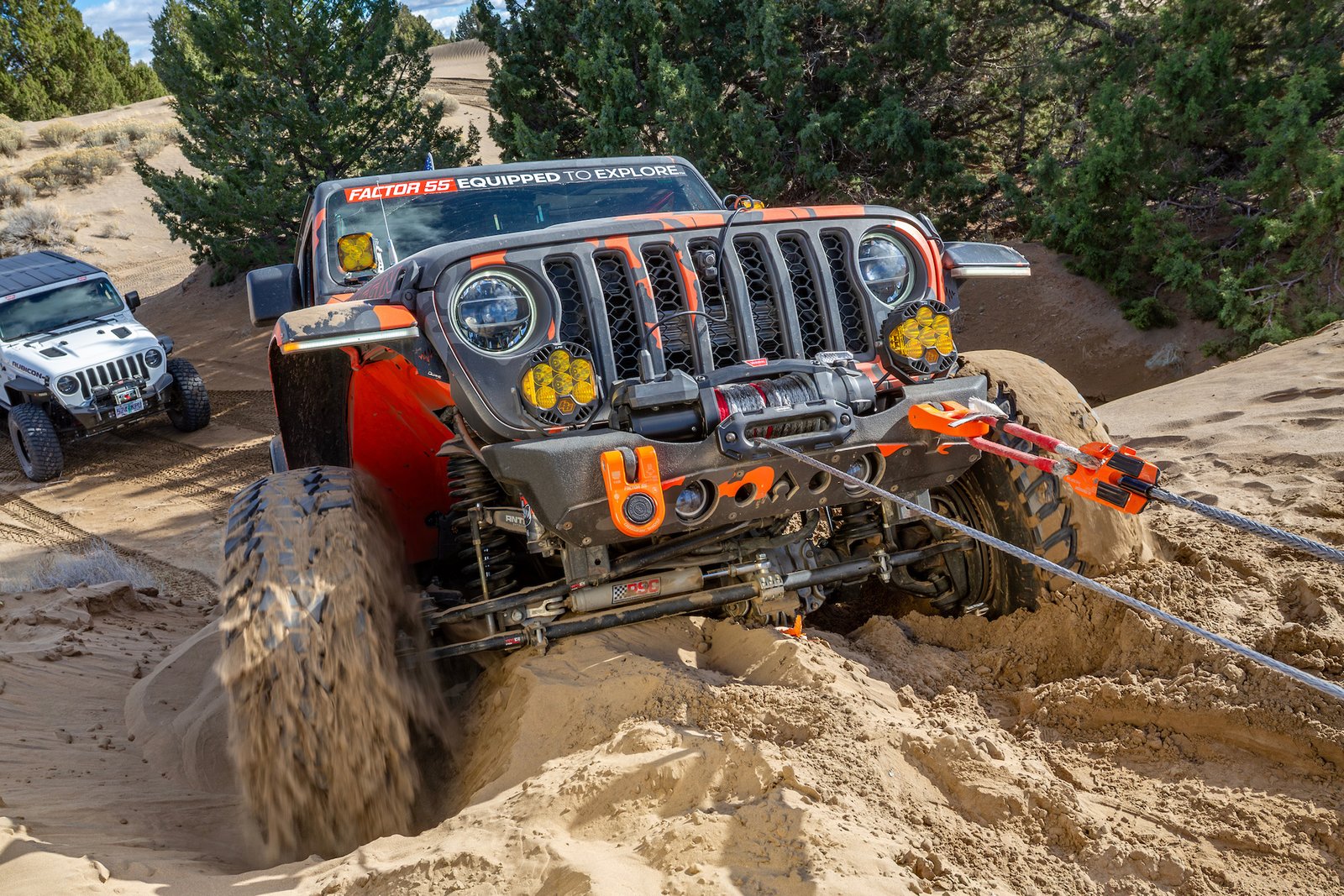
When you drive a Jeep off-road, sometimes you get stuck. Mud, sand, rocks, or snow can trap your vehicle.
A winch is one of the best tools to pull your Jeep out. But picking the right winch size is not as simple as it sounds.
If you choose one too small, it won’t work when you need it most. If you go too big, you waste money and add unnecessary weight.
Let’s break down how to choose the right winch size for your Jeep, using clear numbers and real-world examples.
Why Winch Size Matters For Jeeps
The winch size means the rated pulling capacity, usually measured in pounds (lbs). This tells you how much weight the winch can pull. Jeeps are not all the same. Some are lightweight, while others are heavy due to modifications, gear, or larger tires. The right winch can save your Jeep. The wrong winch can fail and cause damage or risk.
Typical Jeep Weights
- Jeep Wrangler (2-door): 3,900–4,200 lbs
- Jeep Wrangler (4-door): 4,400–4,800 lbs
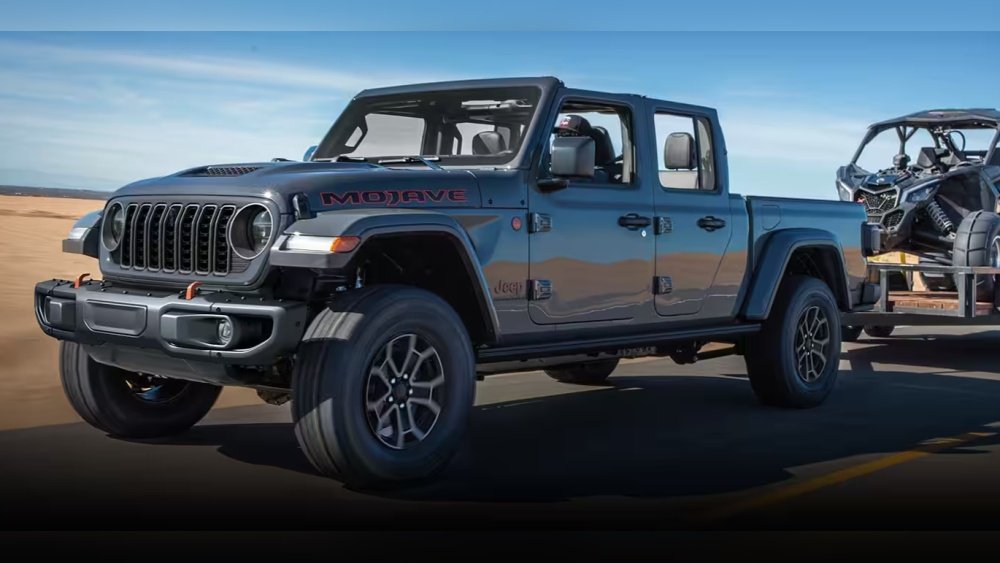
- Jeep Gladiator: 4,700–5,100 lbs
These numbers are for stock vehicles. If you add bumpers, winch plates, roof racks, or camping gear, your actual weight goes up.
How To Calculate The Right Winch Size
Experts recommend that your winch should have at least 1.5 times your Jeep’s weight in pulling capacity. This extra power helps in tough situations, like pulling uphill or through deep mud.
Formula:
Jeep Weight X 1.5 = Minimum Winch Capacity
Example Calculations
1. Jeep Wrangler 2-door (4,000 Lbs):
4,000 Lbs X 1.5 = 6,000 Lbs Minimum
2. Jeep Wrangler 4-door (4,700 Lbs):
4,700 Lbs X 1.5 = 7,050 Lbs Minimum
3. Jeep Gladiator (5,000 Lbs):
5,000 Lbs X 1.5 = 7,500 Lbs Minimum
Most Jeep owners choose a winch rated at 8,000–10,000 lbs. This covers nearly all situations and gives you a safety margin.
Comparing Common Winch Sizes
Let’s look at how different winch sizes stack up for Jeep use:
| Winch Size | Typical Use | Pros | Cons |
|---|---|---|---|
| 6,000 lbs | Light Jeeps, mild trails | Lightweight, cheaper | Limited pulling power |
| 8,000 lbs | Standard Jeep, moderate trails | Versatile, fits most needs | Heavier, costlier |
| 10,000 lbs | Heavy Jeep, tough terrain | Strong, reliable | Heavier, may need stronger mounting |
| 12,000 lbs | Very heavy builds | Maximum power | Very heavy, expensive |
Key Factors When Choosing Your Jeep Winch
- Vehicle Weight: Always start with your Jeep’s real weight, including gear.
- Type of Terrain: Mud, rocks, and steep climbs need more power.
- Winch Line Material: Synthetic rope is lighter but needs careful handling. Steel cable is stronger but heavier and can rust.
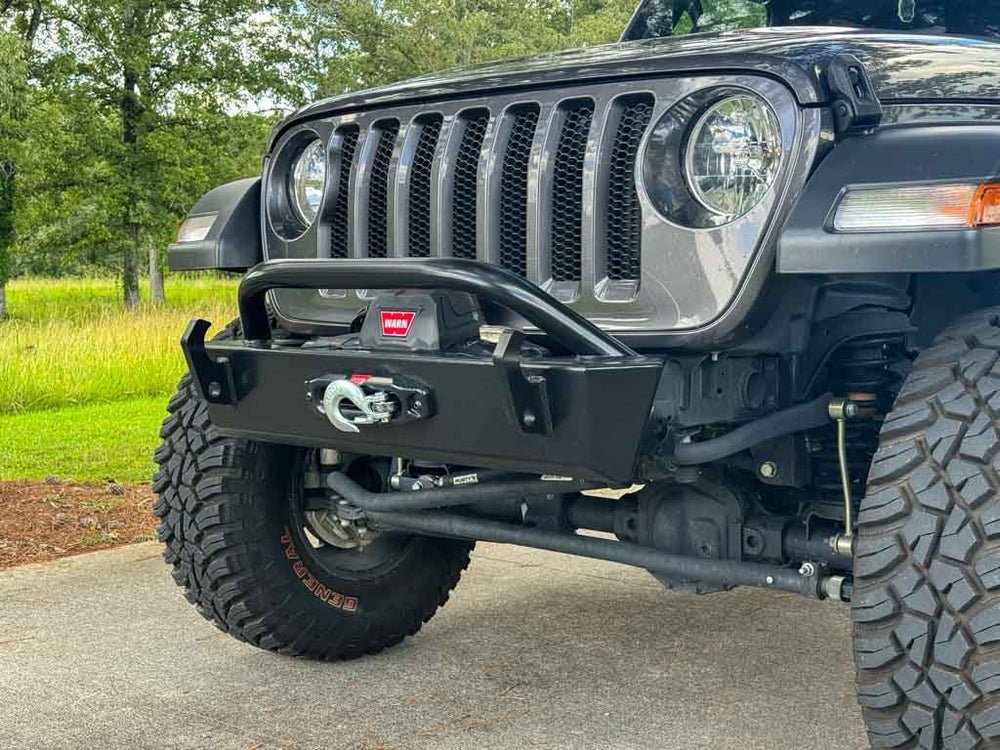
- Mounting Plate Strength: Your Jeep’s bumper must support the winch’s force.
- Electrical System: Bigger winches require more electrical power. Make sure your battery and alternator can handle it.
Common Mistakes
- Buying a winch smaller than recommended.
- Ignoring added weight from gear and modifications.
- Not upgrading your Jeep’s battery for bigger winches.
- Choosing the cheapest winch without checking reliability.
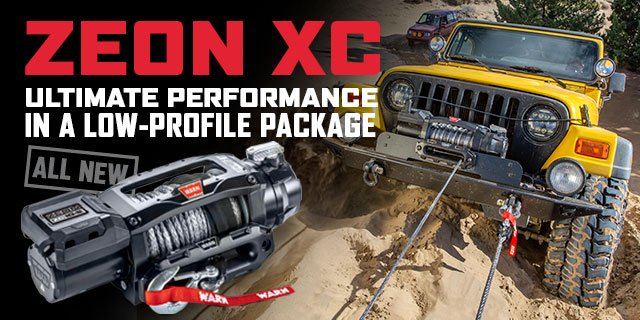
Real-world Example: Jeep Wrangler With Gear
Suppose you have a Jeep Wrangler Unlimited (4-door) with off-road bumpers, a roof rack, camping gear, and recovery tools. The total weight might reach 5,200 lbs.
Calculation:
5,200 Lbs X 1.5 = 7,800 Lbs
You should choose a winch rated for 8,000 lbs or higher. This gives you safety, even in deep mud or steep hills.
Comparing Synthetic Vs Steel Winch Lines
Not all winch lines are the same. Here’s a quick comparison:
| Winch Line | Weight | Strength | Safety |
|---|---|---|---|
| Synthetic Rope | Light | High | Safer, less recoil |
| Steel Cable | Heavy | Very High | Risky if it snaps |
Synthetic rope is easier to handle and safer for beginners. Steel cable is better for heavy-duty jobs but can be dangerous if not handled correctly.
Tips For Choosing The Right Winch
- Always round up to the next size if you’re unsure.
- Consider your future upgrades. If you plan to add more gear, choose a higher-rated winch.
- Check reviews and real-world tests, not just specs.
- Make sure your mounting system is rated for the winch’s force.
- Don’t forget about waterproofing if you drive in wet conditions.
Installation And Maintenance Insights
Installing a winch is not just about bolting it on. You need a solid mounting plate, strong electrical wiring, and protection from water and dirt. Regularly check your winch cable or rope for wear and tear. Replace damaged parts before they fail.
One non-obvious insight: many beginners forget about the weight of recovery gear and passengers. Always include everything in your calculation. Another tip is to test your winch before heading out. Practicing in a safe area helps you understand how your winch works and avoids surprises when you need it most.
Cost Vs. Performance
Bigger winches cost more and weigh more. But buying a winch too small is a waste of money if it fails in tough spots.
A quality 8,000 10,000 lb winch for Jeeps typically costs $400 $800. Don’t base your decision only on price.
Reliability and support matter more when you’re stuck miles from help.
Frequently Asked Questions
What Size Winch Is Best For A Stock Jeep Wrangler?
A stock Jeep Wrangler usually needs an 8,000 lb winch. This covers basic off-roading and most recovery situations.
Can I Use A 6,000 Lb Winch On My Jeep?
You can use a 6,000 lb winch for a light Jeep and mild trails. But it may struggle in deep mud or with added weight. Most experts recommend at least 8,000 lbs.
Is Synthetic Rope Better Than Steel Cable For Jeep Winches?
Synthetic rope is lighter and safer for most Jeep owners. It’s easy to handle but needs protection from sharp objects. Steel cable is stronger but heavier and can be dangerous if it snaps.
Do I Need To Upgrade My Jeep’s Battery For A Bigger Winch?
If you use a winch over 10,000 lbs, a stronger battery and alternator are wise. Winches pull a lot of power, so make sure your electrical system can handle it.
Where Can I Find Reliable Winch Reviews And Tests?
You can find trusted reviews at Consumer Reports and other off-road forums. Look for real-world tests, not just specs.
Choosing the right winch for your Jeep is about knowing your vehicle, your gear, and your adventures. When you pick the right size, you’re ready for anything the trail throws at you.