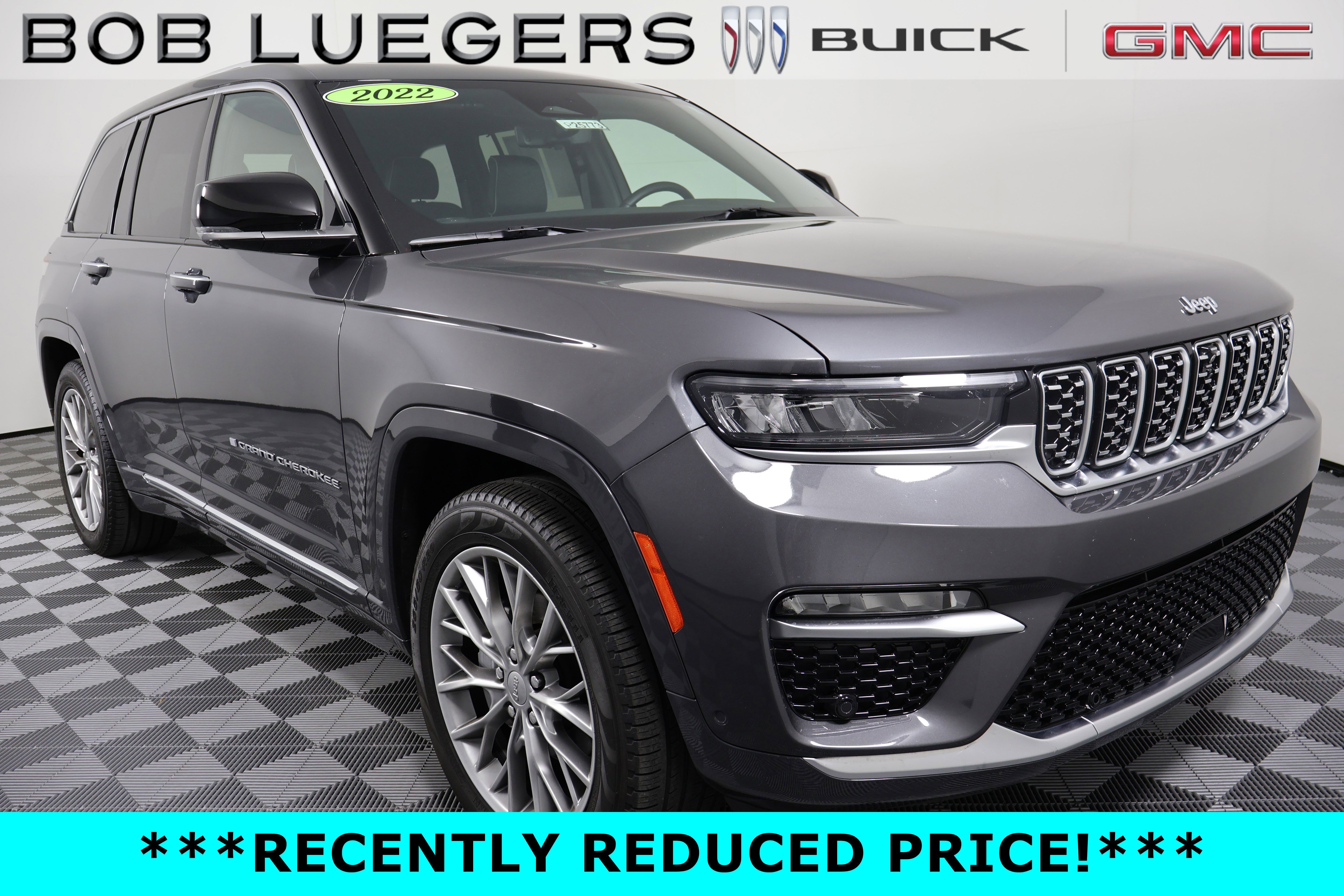
Who Owns Jeep Motors
Jeep is a name that sparks images of rugged adventure, off-road trails, and American heritage. But when you look past the iconic grille and tough exterior, you may wonder: Who actually owns Jeep Motors?
The answer is not as simple as many think. Jeep’s ownership journey is a story of innovation, global business, and changing hands through the decades.
If you’re curious about the real owner of Jeep, how ownership has changed, and what it means for buyers and fans today, keep reading.
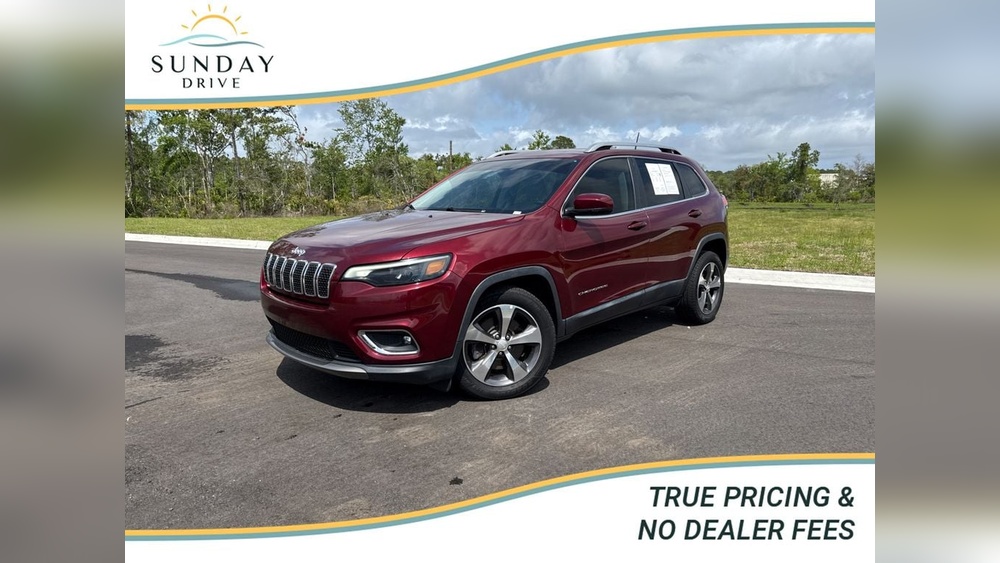
The Current Owner Of Jeep Motors
Today, the Jeep brand is owned by Stellantis N.V., a global automotive group. Stellantis was formed in January 2021 through the merger of two major car companies: Fiat Chrysler Automobiles (FCA) and Peugeot S.A. (Groupe PSA). Stellantis is now one of the world’s largest carmakers, with Jeep as one of its most recognized brands.
Stellantis is based in the Netherlands and operates across North America, Europe, and other regions. The group owns 14 vehicle brands, including Dodge, Ram, Chrysler, Fiat, Peugeot, and Citroën. Jeep is a key part of the company’s North American strategy and global SUV lineup.
Here’s a quick look at how Jeep fits inside Stellantis:
| Brand | Country of Origin | Parent Company |
|---|---|---|
| Jeep | USA | Stellantis |
| Fiat | Italy | Stellantis |
| Peugeot | France | Stellantis |
The Journey Of Jeep: A Brief History Of Ownership
Jeep’s story began during World War II. The U.S. Army needed a strong and reliable vehicle. The original Jeep was built by Willys-Overland in 1941. After the war, Willys registered the Jeep trademark.
Over the decades, Jeep changed owners several times:
- Willys-Overland (1941-1953): The original creator of the Jeep.
- Kaiser Motors (1953-1970): Bought Willys and expanded Jeep’s civilian use.
- American Motors Corporation (AMC) (1970-1987): Modernized Jeep and grew its market.
- Chrysler Corporation (1987-1998): Acquired AMC, including Jeep.
- DaimlerChrysler (1998-2007): Merged with Chrysler, but later split.
- Chrysler LLC & Fiat Chrysler Automobiles (FCA) (2007-2021): Chrysler’s financial struggles led to Fiat’s takeover, forming FCA.
- Stellantis N.V. (2021-present): Merger between FCA and PSA created the current owner.
This timeline shows how Jeep’s ownership evolved:
| Year | Owner | Key Event |
|---|---|---|
| 1941 | Willys-Overland | First Jeep produced for the US Army |
| 1953 | Kaiser Motors | Willys acquired by Kaiser |
| 1970 | AMC | Kaiser Jeep becomes part of AMC |
| 1987 | Chrysler | Chrysler buys AMC (Jeep included) |
| 1998 | DaimlerChrysler | Chrysler merges with Daimler-Benz |
| 2009 | FCA | Fiat takes control after Chrysler’s bankruptcy |
| 2021 | Stellantis | FCA and PSA merge |
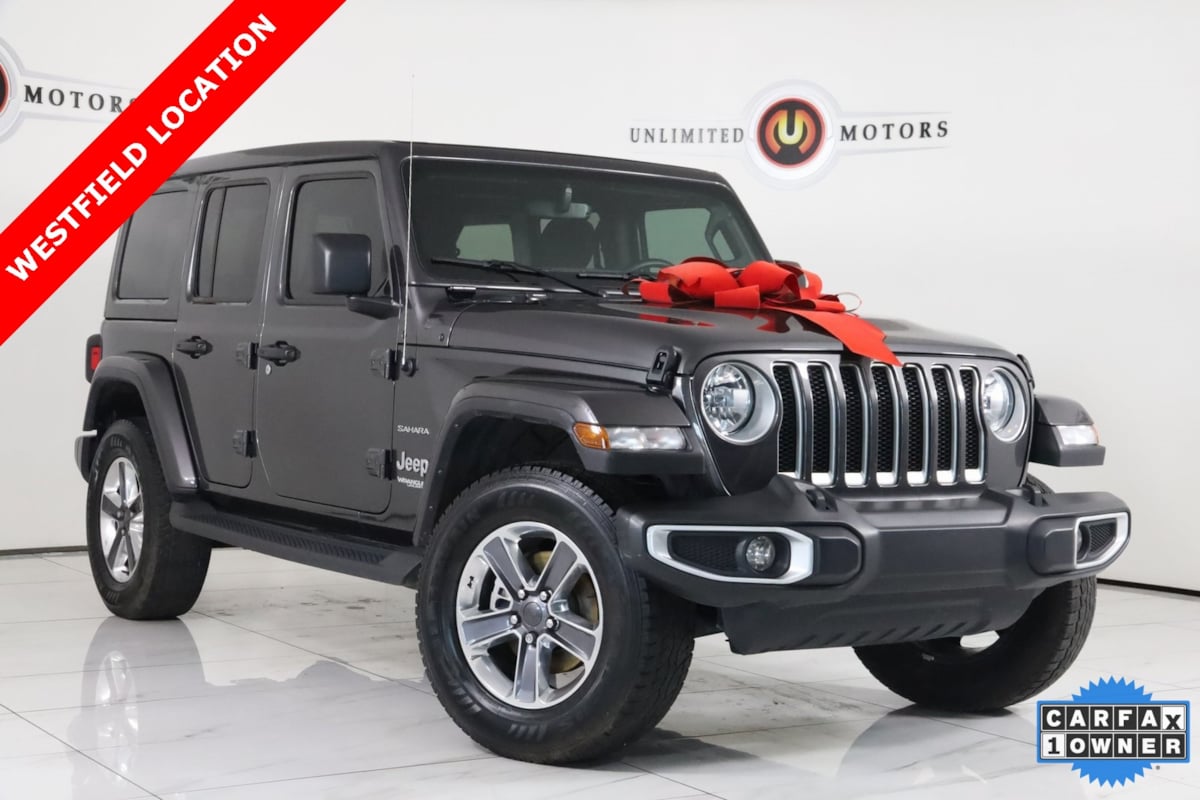
Why Jeep’s Ownership Matters
You might wonder why it matters who owns Jeep. The parent company impacts everything from vehicle quality to technology and brand direction. For example, Jeep’s move to Stellantis means access to new electric vehicle platforms, advanced safety features, and a larger global network. This can lead to better products and more choices for customers.
Ownership also affects where and how Jeeps are built. Factories and jobs can shift as companies look for ways to cut costs or expand.
When Jeep became part of FCA, factories in Italy and Brazil began making Jeep models for local markets.
Another point: New owners often bring new ideas. When AMC took over, the Jeep Cherokee was born—a model that helped start the SUV trend. Under Chrysler, the Grand Cherokee and Wrangler became best-sellers. Now, with Stellantis, Jeep is investing in hybrid and electric vehicles for the future.
How Ownership Has Shaped Jeep’s Identity
Jeep’s core identity—strong, capable, adventurous—has survived many ownership changes. But each parent company left its mark. For example:
- AMC modernized Jeep for family use.
- Chrysler made Jeep a big part of its SUV strategy.
- Fiat brought European design and efficiency.
- Stellantis is pushing Jeep toward electrification and global markets.
These changes have helped Jeep grow from a military tool to a global SUV leader. Jeep now sells vehicles in over 100 countries and has a strong reputation for off-road ability.
Here’s a quick comparison of Jeep’s market reach before and after major ownership changes:
| Period | Main Market | Number of Countries |
|---|---|---|
| Pre-1987 (AMC era) | USA | ~10 |
| 1987-2007 (Chrysler/DaimlerChrysler) | USA, Canada, Europe | ~40 |
| 2007-present (FCA/Stellantis) | Global | 100+ |
Surprising Insights: What Most People Don’t Know
Many assume Jeep is still a purely American company. In reality, Jeep is an international brand with European and global ownership. This means design, engineering, and production can happen anywhere—like the Jeep Renegade, which is built in Italy and Brazil as well as the U.S.
Another point that surprises people: Jeep’s parent company, Stellantis, is publicly traded. This means no single person or family owns Jeep. Instead, ownership is shared by investors around the world. This public structure helps bring in more capital for research, development, and expansion.
Frequently Asked Questions
Who Owns Jeep Motors Right Now?
Jeep is owned by Stellantis N.V., a multinational automotive group formed by the merger of Fiat Chrysler Automobiles and Peugeot S.A.
Is Jeep Still An American Company?
Jeep started in the United States and still has its main offices and manufacturing there, but it is now owned by an international company, Stellantis, which is based in Europe.
Does Stellantis Own Any Other Car Brands?
Yes, Stellantis owns 14 brands, including Chrysler, Dodge, Ram, Fiat, Peugeot, Citroën, and Opel. For a full list, visit the Stellantis Wikipedia page.
Where Are Jeeps Made Today?
Jeeps are made in several countries, including the United States, Italy, Brazil, China, and India. The location depends on the model and market.
Will Jeep Make Electric Vehicles?
Yes, Stellantis is investing heavily in electric and hybrid vehicles. Jeep has already released plug-in hybrid models and plans to launch fully electric SUVs soon.
Jeep’s ownership story is full of changes, but one thing is clear: Jeep continues to adapt and grow. Whether you’re a fan of the classic Wrangler or excited about the future of electric SUVs, understanding who owns Jeep Motors gives you a deeper appreciation for this legendary brand.