Jeep is a name recognized around the world for its rugged vehicles and adventurous spirit. Many people know Jeep for its iconic SUVs and off-road vehicles, but fewer know who actually owns the Jeep brand.
Understanding Jeep’s ownership helps explain the direction of its vehicles, its global reach, and the business decisions behind its models.
Let’s take a close look at Jeep’s corporate owner, its history, and how ownership affects the brand today.
Jeep’s Current Owner
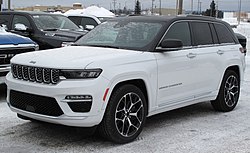
Jeep is currently owned by Stellantis, a multinational automotive company. Stellantis was formed in January 2021 after a merger between Fiat Chrysler Automobiles (FCA) and Groupe PSA. This merger made Stellantis one of the largest car manufacturers in the world, with more than 14 brands under its control.
Stellantis is headquartered in Amsterdam, Netherlands. The company operates in over 130 countries and employs more than 300,000 people globally. Jeep is one of Stellantis’ most valuable brands and is central to its North American strategy.
Stellantis is not just a big company; it is a unique mix of American, Italian, French, and other global automotive cultures. This diversity helps Jeep adapt quickly to new trends and customer demands.
For example, Jeep can now use technology and design ideas from brands like Peugeot or Fiat to improve its own vehicles.
Stellantis’ management style means Jeep can launch models in different markets faster than before.
Jeep’s leadership team works closely with Stellantis’ executives, making decisions about which new features to add, how to improve safety, and what markets to enter next. Many Jeep fans might be surprised to learn that Stellantis often shares parts and technology across its brands, which can help lower costs and speed up innovation.
| Brand | Parent Company | Headquarters |
|---|---|---|
| Jeep | Stellantis | Amsterdam, Netherlands |
| Chrysler | Stellantis | Auburn Hills, USA |
| Peugeot | Stellantis | Paris, France |
How Stellantis Controls Jeep
Stellantis manages Jeep through its North American division, which was formerly known as FCA US LLC. Jeep’s main operations and production facilities are still based in the United States, especially in Michigan and Ohio. Stellantis oversees Jeep’s marketing, design, and production strategies.
The company invests heavily in Jeep’s innovation. For example, Stellantis launched the Jeep 4xe hybrid models to meet growing demand for eco-friendly vehicles. Jeep’s global sales have increased, reaching over 1.5 million units in 2023.
Stellantis also sets strict quality standards across all brands. Jeep must follow these standards, which means its vehicles are tested for safety, reliability, and emissions in many countries.
Stellantis uses its global supply chain to help Jeep source parts and materials at better prices and with more consistent quality.
Another important detail: Stellantis has the financial power to support Jeep during tough times. When markets change or new regulations appear, Stellantis can invest in research and development, helping Jeep stay ahead of competitors. Jeep’s strong performance in recent years is thanks to this steady support.
Stellantis’ Influence On Jeep
- Global Expansion: Stellantis pushes Jeep into new markets like Europe, Asia, and South America. Jeep vehicles are now available in places where they were rarely seen before, such as India or Brazil.
- Technology Upgrades: Jeep models now feature advanced safety and infotainment systems, thanks to Stellantis’ resources. For example, Jeep’s newer models have touchscreen displays, adaptive cruise control, and improved navigation systems.
- Sustainability Goals: Stellantis aims to make Jeep more fuel-efficient, with plans for electric and hybrid models. Jeep has begun experimenting with fully electric versions of its popular Wrangler and other models, showing its commitment to a greener future.
Stellantis also encourages Jeep to adapt to local tastes. In Europe, Jeep offers smaller SUVs like the Renegade, which fit city streets better than large American models.
This flexibility is a direct result of Stellantis’ global strategy.
| Year | Global Jeep Sales | Hybrid/Electric Models |
|---|---|---|
| 2021 | 1.2 million | Introduced 4xe |
| 2022 | 1.4 million | Expanded lineup |
| 2023 | 1.5 million | Global rollout |
Jeep’s Ownership History
Jeep’s ownership has changed several times since its creation during World War II. The brand’s history is full of mergers, acquisitions, and changes in direction.
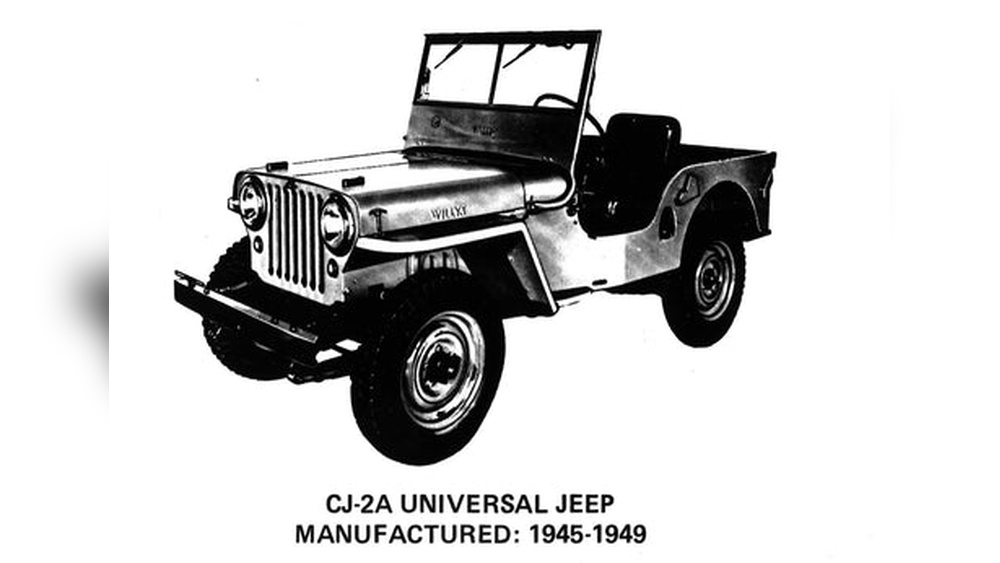
In the early years, Jeep vehicles were only for military use. Willys-Overland made the first Jeeps for the US Army, and their strong, simple design became famous.
After the war, Jeep started making civilian models, which helped the brand grow quickly.
Major Ownership Changes
- Willys-Overland (1940s–1953): Jeep was first produced by Willys-Overland for the US military. Civilian Jeeps soon followed, like the CJ series.
- Kaiser Motors (1953–1970): Kaiser purchased Willys, taking over Jeep. Kaiser invested in new models and expanded production.
- American Motors Corporation (AMC) (1970–1987): AMC acquired Jeep and grew the brand. AMC introduced new vehicles like the Cherokee, which became popular with families.
- Chrysler Corporation (1987–1998): Chrysler bought AMC, including Jeep. Chrysler gave Jeep more resources and helped launch modern SUVs.
- DaimlerChrysler (1998–2007): Chrysler merged with Daimler-Benz, forming DaimlerChrysler. The partnership brought European engineering to Jeep.
- Chrysler LLC (2007–2009): Chrysler split from Daimler and operated independently. This period was tough, with financial struggles.
- Fiat Chrysler Automobiles (FCA) (2014–2021): Fiat took over Chrysler, forming FCA. FCA expanded Jeep globally and improved its lineup.
- Stellantis (2021–present): FCA merged with Groupe PSA, creating Stellantis. Stellantis continues to grow Jeep’s presence and develop new technology.
Each owner shaped Jeep in different ways. AMC made Jeep more family-friendly, Chrysler modernized the brand, and Fiat Chrysler brought Jeep to new countries.
Stellantis is now focusing on electrification and digital features.
| Year | Owner | Significant Event |
|---|---|---|
| 1941 | Willys-Overland | Military Jeep production begins |
| 1970 | AMC | Jeep expands civilian lineup |
| 1987 | Chrysler | Jeep becomes part of Chrysler |
| 2021 | Stellantis | Major merger creates new parent |
Key Insights For Jeep Fans
Many beginners don’t realize that Jeep was not always owned by one company. Its history is complex, and each owner brought new designs, technologies, and markets. For example, AMC was responsible for launching the Jeep Cherokee, while Chrysler expanded the Grand Cherokee and Wrangler lines.
Another less-known fact is that Jeep’s global presence grew fastest under Fiat Chrysler, which targeted markets outside North America. Stellantis continues this trend, aiming to make Jeep a leader in electric SUVs worldwide.
A third insight: Jeep’s ability to survive and thrive after so many ownership changes shows the brand’s strength. Even during tough economic times or management shifts, Jeep’s popularity never faded. This resilience is one reason Jeep remains such a well-known name today.
Why Ownership Matters
Ownership affects everything from vehicle design to marketing strategy. Stellantis’ resources mean Jeep can compete with global giants like Toyota and Ford. The merger also gives Jeep access to new technology, better supply chains, and larger budgets for research and development.
For example, Jeep can quickly respond to new safety laws or customer trends because Stellantis has teams working in many countries. If a new feature is successful in Europe, Jeep can add it to American models faster than before.
A common mistake is thinking Jeep is still a purely American company. While its roots are in the USA, today Jeep is managed by a global team.
This shift explains why Jeep models now meet international standards and preferences.
Ownership also shapes Jeep’s future. Stellantis is investing in electric SUVs, which will likely lead to new Jeep models that are better for the environment.
Jeep fans should expect more changes as Stellantis continues to push for innovation.