The story of Jeep is a mix of innovation, urgency, and American history. Many people recognize the Jeep brand as a symbol of adventure and durability, but few know where it all began.
The roots of Jeep go back to a time of war and necessity, when the United States needed a tough, reliable vehicle for the battlefield. In this article, we’ll explore where Jeep was founded, how it grew, and why its birthplace continues to shape its legacy.
You’ll see data, comparisons, and clear facts that help you understand Jeep’s origins and its journey from the assembly line to global fame.
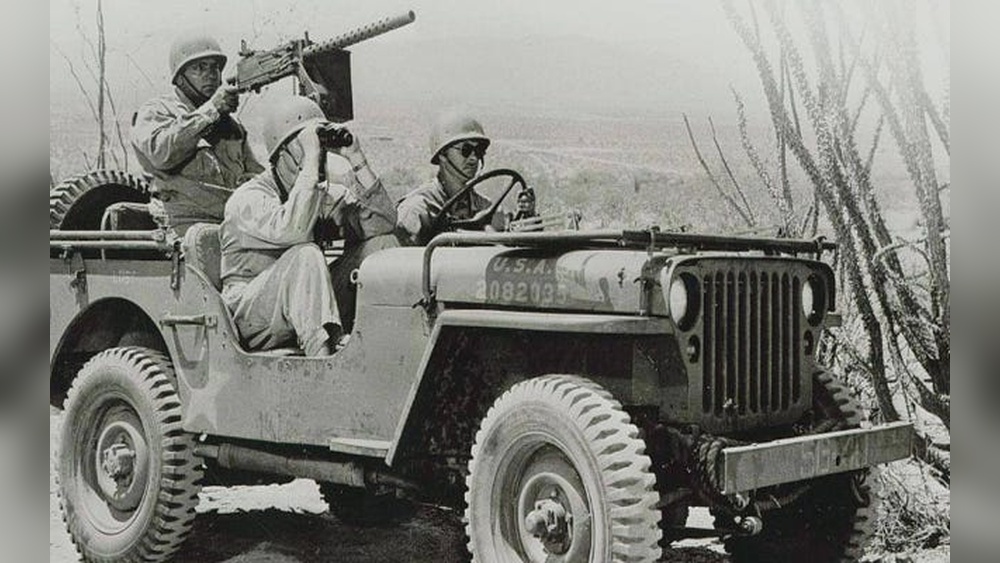
The Birthplace Of Jeep
Jeep was founded in Toledo, Ohio in the United States. The city played a central role in Jeep’s creation, production, and development. During World War II, the U.S. military needed a new kind of vehicle — one that was lightweight, powerful, and could handle rough terrain. Several companies competed to design the perfect model. The winning design came from Willys-Overland Motors, a company based in Toledo.
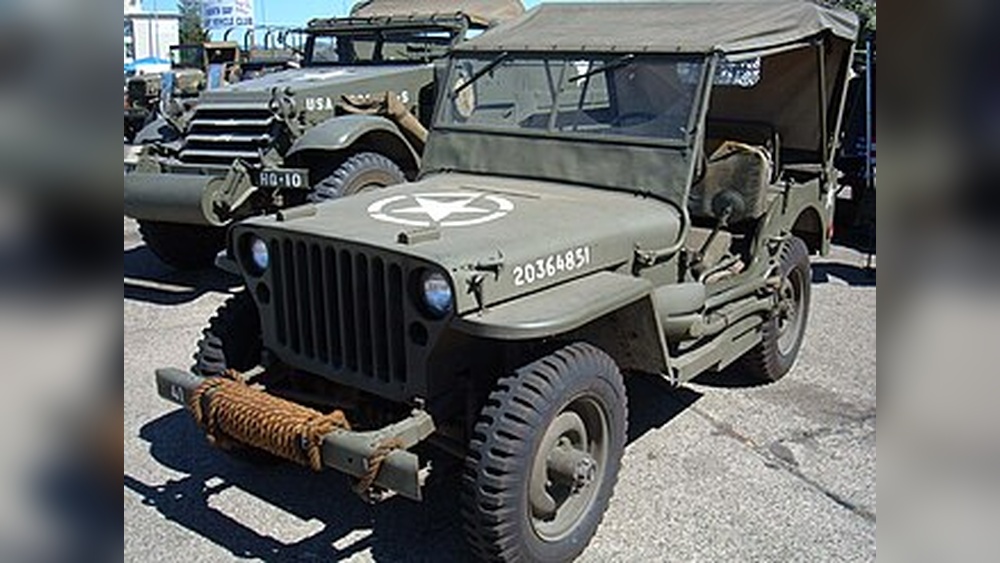
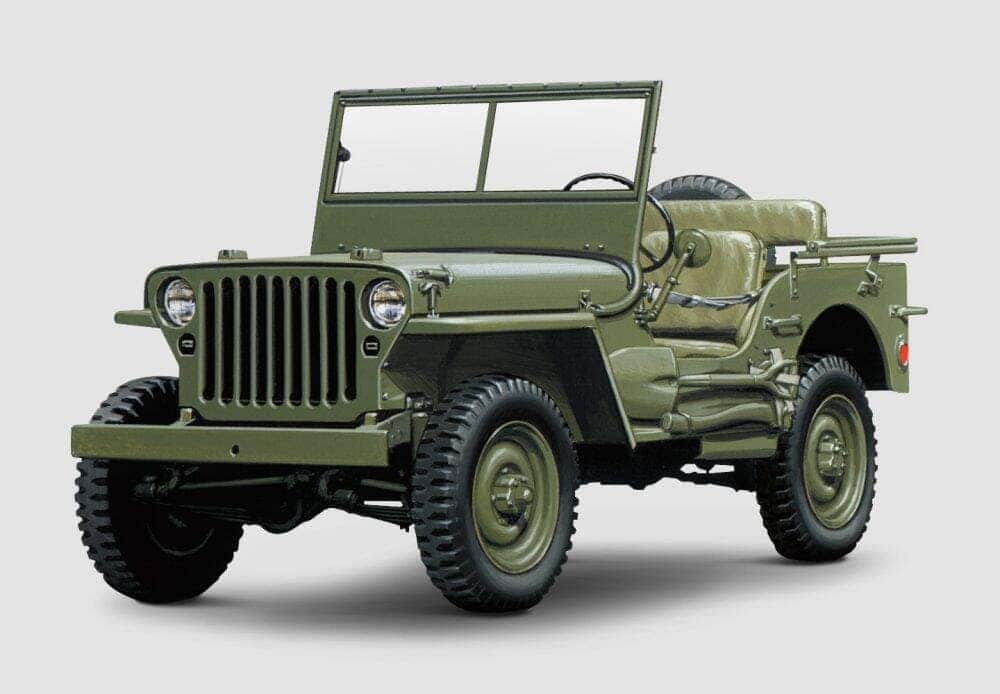
In 1941, Willys-Overland began producing the first mass-market Jeep, known as the Willys MB. The Toledo factory became the main site for Jeep manufacturing. This location was not random. Toledo had skilled workers, strong transportation links, and the experience needed to build tough vehicles.
Why Toledo Was The Ideal Choice
- Industrial experience: Toledo already had a history of car manufacturing.
- Workforce: The city had thousands of skilled workers ready for rapid production.
- Transportation: Access to railroads and highways made it easy to ship Jeeps across the country.
A non-obvious insight: Toledo’s proximity to Detroit, the heart of American car production, allowed for quick collaboration and sharing of parts. This helped Jeep meet the urgent demands of wartime.
Jeep’s Early Days: Factories And Expansion
After the war, Jeep’s popularity soared. The brand became famous not only with soldiers but also with civilians looking for rugged vehicles. The main factory in Toledo continued to produce Jeeps, making it the home base for the brand.
Here’s a comparison of Jeep’s early production centers:
| Factory Location | Years Active | Role in Jeep History |
|---|---|---|
| Toledo, Ohio | 1941–Present | Original and main Jeep factory |
| Detroit, Michigan | 1940s–1950s | Engine and parts supply |
| South Bend, Indiana | 1940s | Small-scale production (Studebaker) |
While other locations contributed parts or small-scale production, Toledo remained the heart of Jeep’s operations. Even today, most Jeeps are made in the city.
Jeep’s Growth And Transformation
As Jeep’s reputation grew, the company changed hands several times. Willys-Overland was bought by Kaiser Motors in 1953. Later, American Motors Corporation (AMC) took over in 1970, followed by Chrysler in 1987. Each owner continued production in Toledo, making it the longest-running Jeep factory in history.
Here’s a look at Jeep’s ownership timeline:
| Year | Owner | Key Event |
|---|---|---|
| 1941 | Willys-Overland | Jeep MB production starts |
| 1953 | Kaiser Motors | Acquisition of Willys |
| 1970 | AMC | New models introduced |
| 1987 | Chrysler | Expansion of Jeep SUVs |
| 2014 | Fiat Chrysler Automobiles | Global market push |
A practical tip: When buying a Jeep, check the vehicle identification number (VIN). If it starts with “1C4,” the car was assembled in Toledo.
Toledo’s Impact On Jeep’s Identity
Toledo is more than just a factory location. The city shaped Jeep’s culture and design. Workers in Toledo have become experts at building off-road vehicles. Many Jeep models are tested in Ohio’s rough terrain before being released.
Jeep also celebrates its roots with events like the Jeep Fest held in Toledo every year. Thousands of fans gather to see classic models, new releases, and meet the people who build Jeeps. This connection between the city and the brand is rare in the auto industry.
An insight many miss: Jeep’s commitment to Toledo is so strong that even when new models are developed, prototypes are often built and tested locally first. This ensures quality and keeps the brand’s traditions alive.
Jeep’s Global Influence
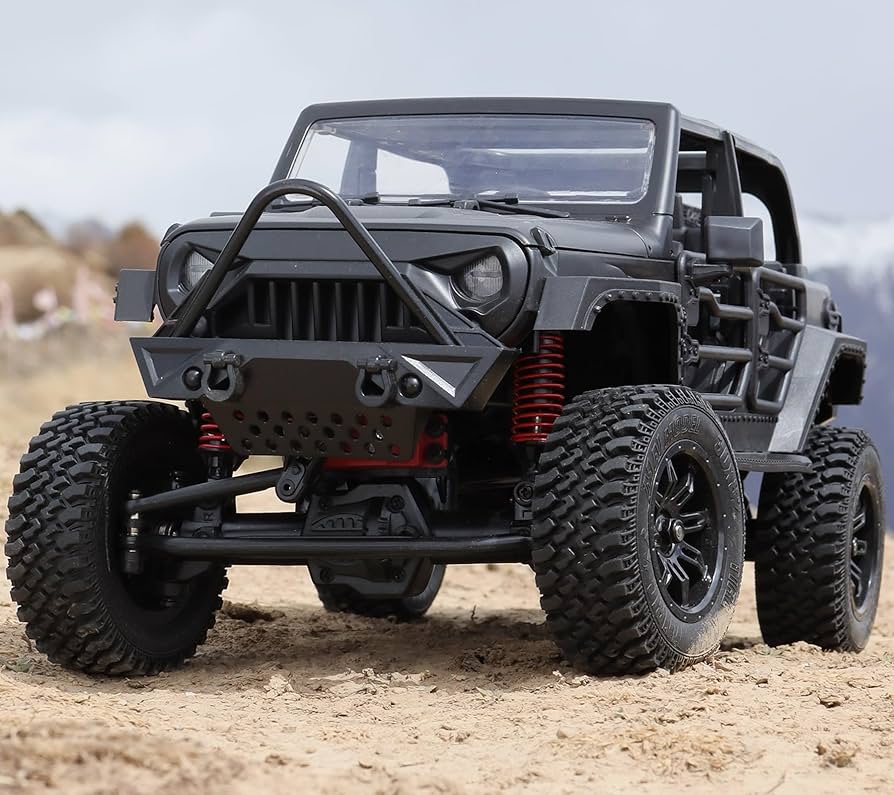
Today, Jeep is sold in over 100 countries. The company has factories in several places around the world, but Toledo remains the main site for key models like the Wrangler and Gladiator. The local plant employs more than 6,000 workers and produces hundreds of thousands of vehicles each year.
Here’s how Jeep’s production compares globally:
| Country | Main Model Produced | Annual Output |
|---|---|---|
| United States (Toledo) | Wrangler, Gladiator | ~250,000 |
| China | Grand Cherokee | ~90,000 |
| Brazil | Renegade | ~60,000 |
| Italy | Compass | ~75,000 |
Despite global reach, the Toledo factory remains the only place where Jeep’s most iconic models are made.
The Legacy Continues
Jeep’s foundation in Toledo, Ohio is not just a historical fact; it’s a living tradition. The brand’s values of toughness and reliability are deeply linked to the city’s people and industry. Even as Jeep grows worldwide, it keeps returning to its roots. The partnership between Jeep and Toledo is a key reason the brand remains respected and trusted.
If you want to learn more about Jeep’s history and its impact on the auto industry, you can visit Wikipedia for detailed information.
Frequently Asked Questions
Where Was Jeep Founded?
Jeep was founded in Toledo, Ohio, by Willys-Overland Motors during World War II. The city remains the main production site for Jeep vehicles.
Who Designed The First Jeep?
The first Jeep was designed by Karl Probst for Bantam, but Willys-Overland improved the design and produced most of the vehicles used by the military.
Is Jeep Still Made In Toledo?
Yes. The Toledo factory continues to produce key models like the Wrangler and Gladiator. It’s the oldest and most important Jeep plant.
What Makes Toledo Important To Jeep?
Toledo offers skilled workers, strong industrial support, and a tradition of quality. The city’s culture and expertise help maintain Jeep’s reputation.
Are All Jeeps Made In The United States?
No. Jeep has factories in other countries, but the most famous models are still built in Toledo. Other factories focus on local market versions like the Renegade and Compass.
Jeep’s story is a reminder that sometimes, the place where a brand begins shapes its future in powerful ways. Toledo’s role in Jeep’s history is unique, and its influence can be seen in every vehicle that rolls off the line.