The Willys Jeep is more than just an old vehicle. It’s a symbol of ruggedness, freedom, and American history.
Many people see this small, boxy car and instantly think of World War II or adventure on rough roads. But what really is a Willys Jeep?
Why is it so famous, and how did it become such an icon? If you’re curious about classic cars or military history, you’ll find the story of the Willys Jeep both interesting and inspiring.
The Origin Of The Willys Jeep
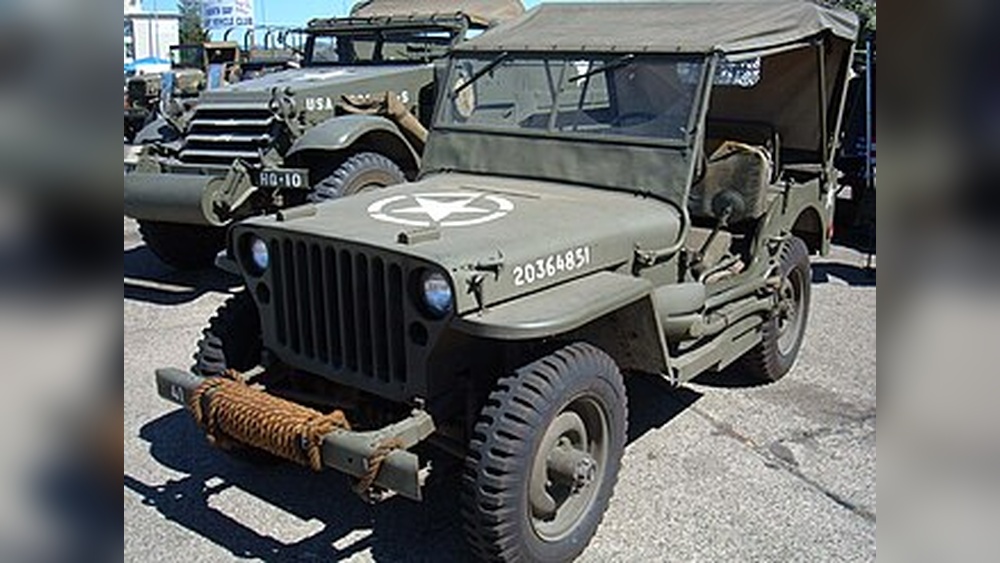
The Willys Jeep was born during World War II. The US Army needed a strong, reliable vehicle for soldiers. In 1940, the Army asked several car companies to design a light, four-wheel-drive vehicle. Willys-Overland, a small car company, won the contract. Their design was called the Willys MB.
This Jeep could handle mud, snow, and rough terrain. It was small enough to fit in tight spaces but powerful enough to carry heavy loads. By the end of the war, Willys had built over 360,000 Jeeps for the military. Other companies, like Ford, also made Jeeps using Willys’ plans.
Key Features Of The Willys Jeep
The Willys Jeep is famous for its simple design and tough performance. Here are some key features:
- Four-wheel drive: It can drive over rough ground without getting stuck.
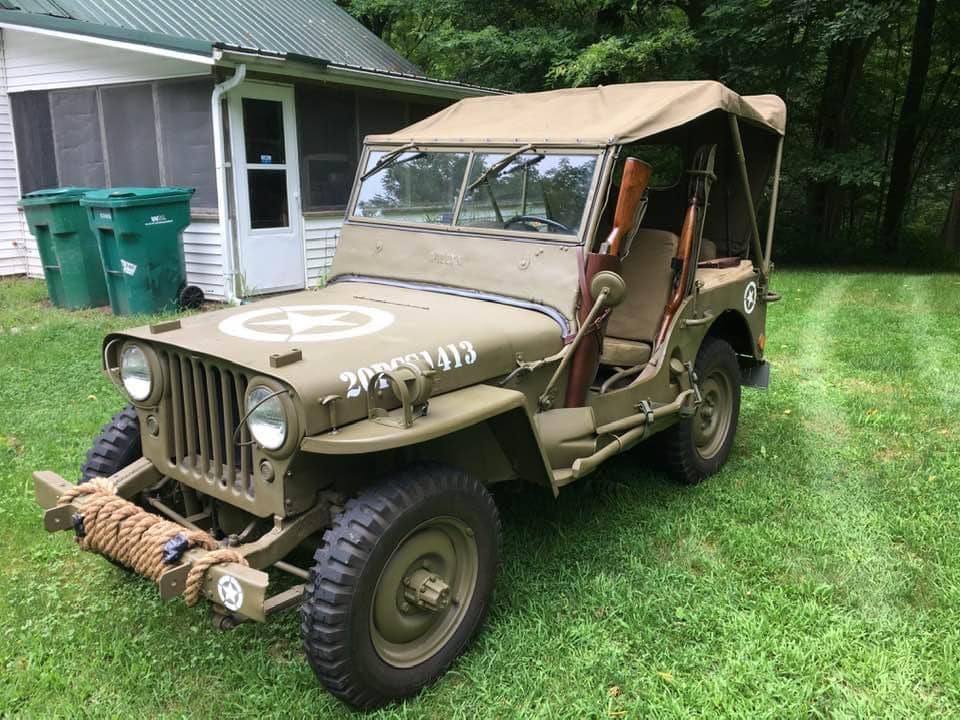
- Flat fenders and hood: Its shape is easy to spot, even today.
- Light weight: It weighs about 2,500 pounds (1,134 kg), making it easy to transport.
- Powerful engine: The original “Go-Devil” engine had 60 horsepower—impressive for its size.
- Open body: Soldiers could jump in or out quickly, and it was easy to fix.
These features helped the Jeep become a favorite for many tasks, from carrying wounded soldiers to towing artillery.
| Feature | Willys Jeep | Modern SUV |
|---|---|---|
| Engine Power | 60 HP | 200-400 HP |
| Weight | 2,500 lbs | 4,000-5,000 lbs |
| Four-wheel Drive | Standard | Optional |
| Body Style | Open | Closed |
Willys Jeep In War And Peace
The Willys Jeep changed how armies moved and fought. It was used for:
- Transporting troops
- Carrying supplies
- Communication (radio Jeep)
- Ambulance service
- Reconnaissance missions
After the war, Willys-Overland began selling a civilian version called the CJ (Civilian Jeep). Farmers, hunters, and outdoor lovers quickly adopted it. The Jeep’s ability to drive off-road made it popular in many countries.
| Model | Years Produced | Main Use |
|---|---|---|
| Willys MB | 1941-1945 | Military |
| CJ-2A | 1945-1949 | Civilian |
| CJ-3A | 1949-1953 | Civilian |
Why Is The Willys Jeep So Iconic?
There are several reasons the Willys Jeep is special:
- Historical value: It helped win World War II.
- Simple mechanics: Easy to fix, even in tough conditions.
- Versatility: Used by the military, farmers, and explorers.
- Design: The boxy shape is now a classic look.
- Cultural impact: Movies, TV shows, and comics often feature Jeeps.
A non-obvious insight: Many collectors today look for original parts, like the “Go-Devil” engine or military markings. These details make a Willys Jeep more valuable.
Another insight: Willys Jeeps are often used in parades and events to honor veterans. This tradition keeps the memory of their service alive.
Common Mistakes When Identifying A Willys Jeep
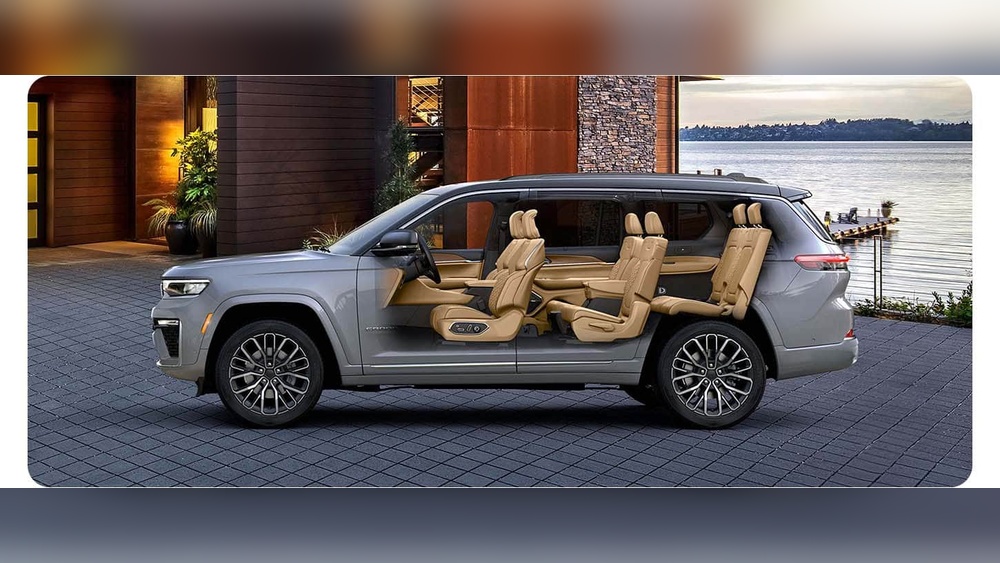
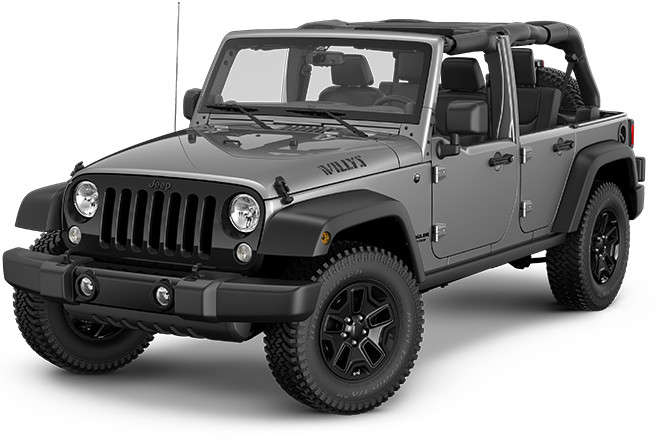
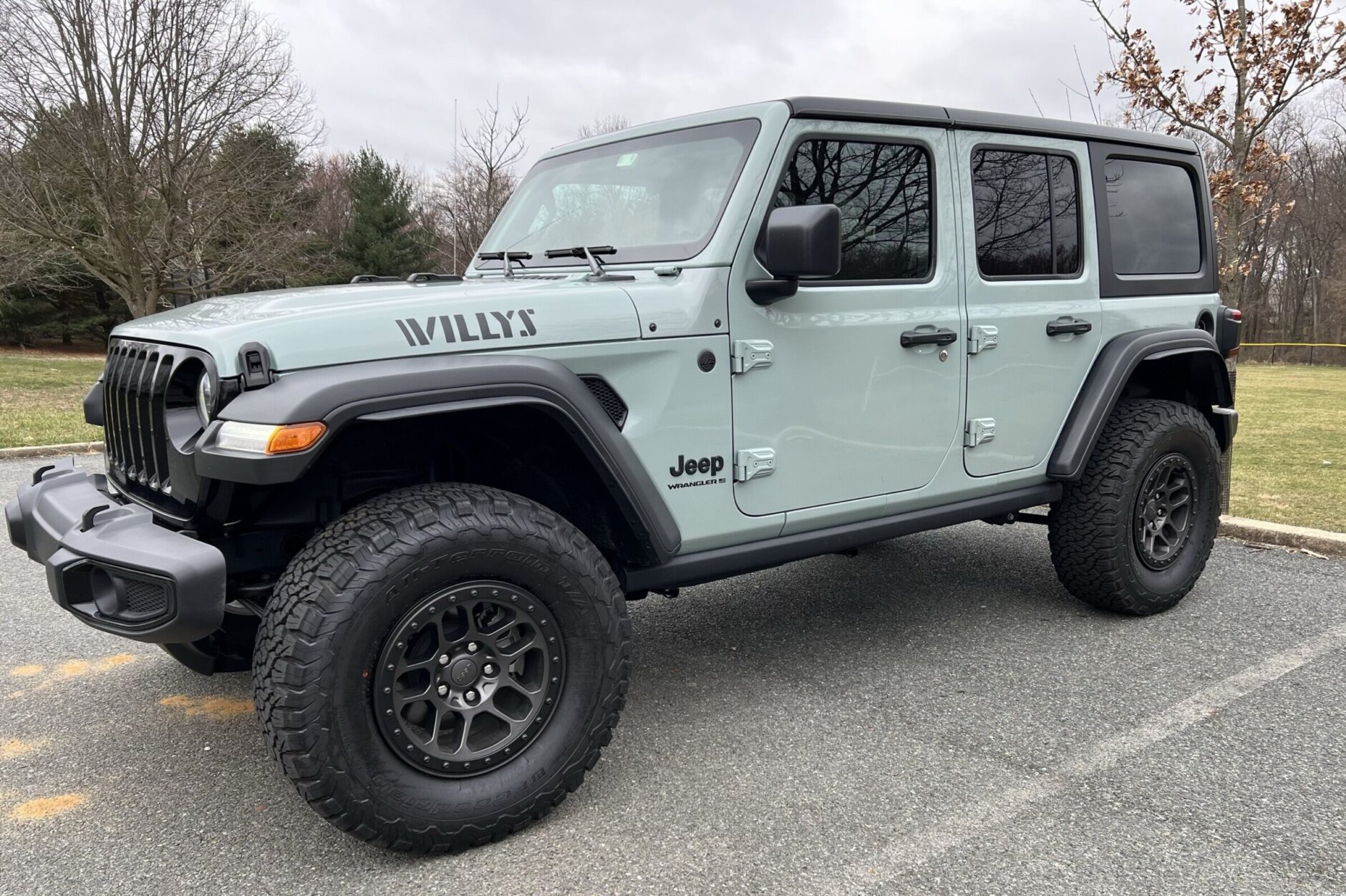
Many beginners confuse Willys Jeeps with later models, like the Jeep Wrangler. Here’s how to spot a true Willys Jeep:
- Look for flat fenders and hood
- Check for “Willys” stamped on the body
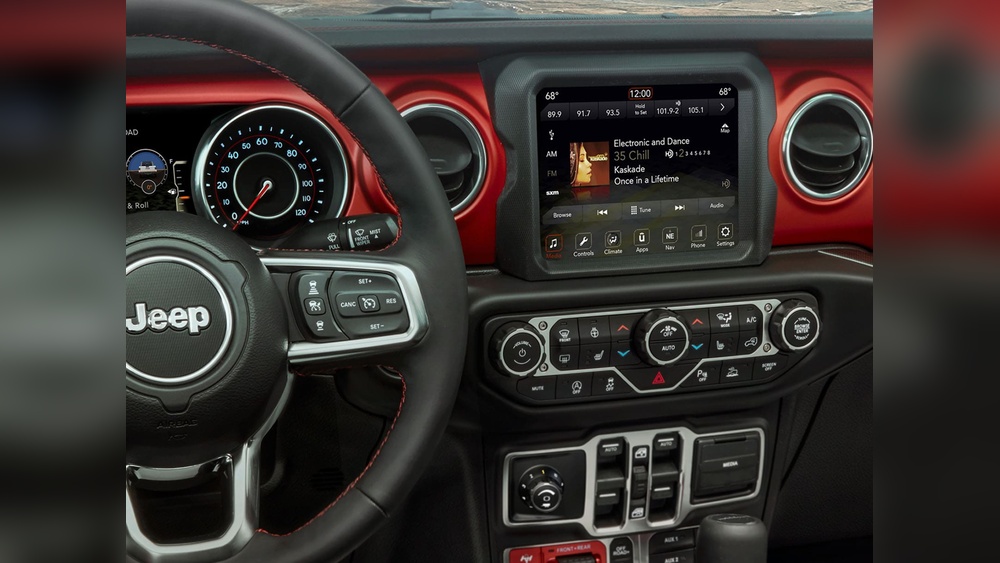
- Original Willys Jeeps have simple dashboards and few electronics
Some people think all old Jeeps are Willys, but Ford and Bantam also made similar models. Always check the serial number and markings.
| Marking | Willys Jeep | Other Brands |
|---|---|---|
| Body Stamp | Willys | Ford (“F”) |
| Engine | Go-Devil | Varies |
| Dashboard Layout | Minimal | Varies |
Collecting And Restoring Willys Jeeps
Restoring a Willys Jeep can be rewarding, but it’s not always simple. Here are some tips:
- Find authentic parts, not modern replacements.
- Check for rust and damage—these cars are old!
- Learn the history of your Jeep. Some have war records or unique stories.
- Join clubs and forums. Many experts share advice and parts.
Prices for restored Willys Jeeps range from $15,000 to $40,000, depending on condition and originality.
If you want more details about Willys Jeeps, visit Wikipedia.
Frequently Asked Questions
What Years Were Willys Jeeps Made?
Willys Jeeps were made for the US military from 1941 to 1945. Civilian models started in 1945 and continued for many years.
Are Willys Jeeps Still Produced Today?
No, original Willys Jeeps are not made anymore. However, the Jeep brand still makes vehicles inspired by the Willys design.
How Much Does A Willys Jeep Cost Now?
A restored Willys Jeep usually costs between $15,000 and $40,000. Rare models or Jeeps with history can be more expensive.
What Makes A Willys Jeep Different From A Regular Jeep?
The Willys Jeep was the first mass-produced Jeep. It has a flat hood, simple body, and was made for war. Modern Jeeps are bigger, more comfortable, and have more features.
Can Willys Jeeps Be Driven On Modern Roads?
Yes, but they are slower and less comfortable than today’s cars. Many owners drive them for shows or special events, not daily use.
The Willys Jeep remains a true legend. Its story is one of innovation, bravery, and simplicity. Whether you see one in a museum, a parade, or out on a farm, the Willys Jeep still captures the spirit of adventure and history.