If you own a Jeep Wrangler, knowing where to put oil is essential for keeping your engine healthy. Many drivers are unsure about this basic step, but regular oil maintenance is one of the most important ways to make your Jeep last longer.
Understanding the right location for oil, how to add it, and what mistakes to avoid will save you money and prevent engine problems. This guide explains everything you need to know, even if you’re new to car maintenance.
Finding The Oil Fill Location In A Jeep Wrangler
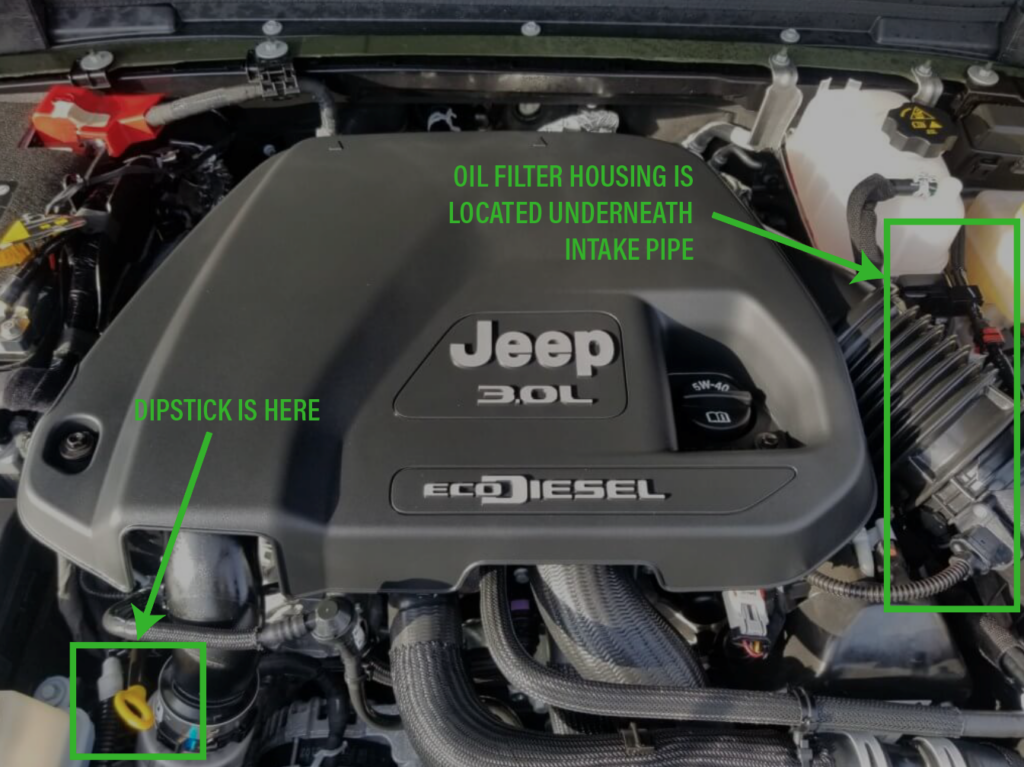
The oil fill location in a Jeep Wrangler is usually easy to find, but it can be confusing if you are not familiar with the engine layout. When you open the hood, look for the engine block. On top of the engine, you’ll see a round cap that is clearly labeled “Engine Oil.” This is the oil fill cap.
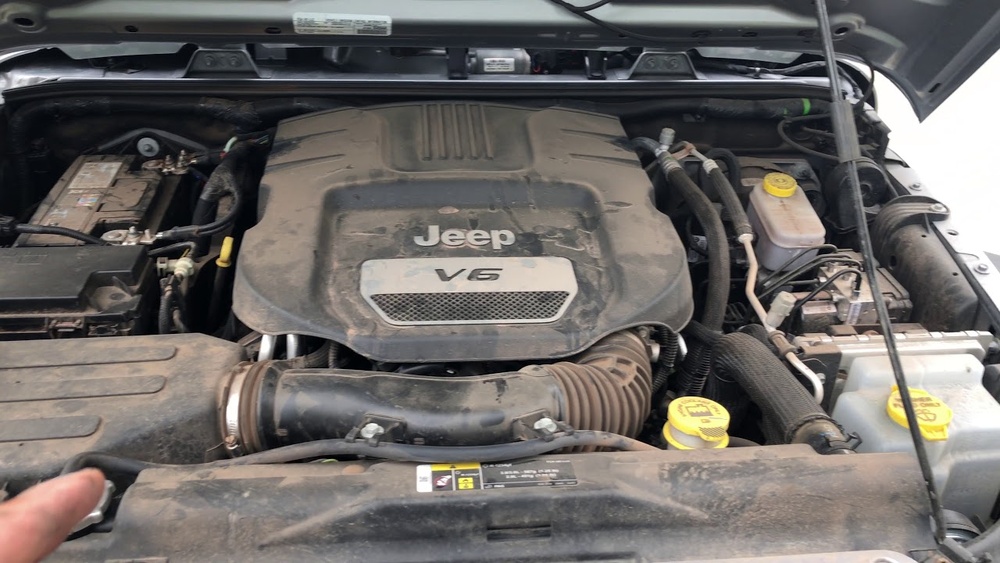
Most Jeep Wranglers, especially models from 1997 onwards, have the oil fill cap on the top right side of the engine (when facing the vehicle). The cap is often black or yellow and displays an oil can symbol.
Here’s a quick comparison of oil fill cap locations by model year:
| Model Year | Engine Type | Oil Fill Cap Location |
|---|---|---|
| 1997-2006 | 4.0L I6 | Top right side of engine |
| 2007-2011 | 3.8L V6 | Front-center of engine |
| 2012-2023 | 3.6L/2.0L/2.2L | Center top of engine |
Always check your owner’s manual for your specific year and engine type. Some models may have slight differences.
How To Add Oil To Your Jeep Wrangler
Adding oil is a simple process, but you must follow the correct steps to avoid mistakes. Here’s a step-by-step guide:
- Park the Jeep on a level surface. This helps you get an accurate oil reading.
- Turn off the engine and let it cool for at least 10 minutes. Hot oil can be dangerous.
- Open the hood by pulling the hood release lever inside the Jeep.
- Find the oil fill cap using the information above.
- Remove the oil fill cap by twisting it counterclockwise.
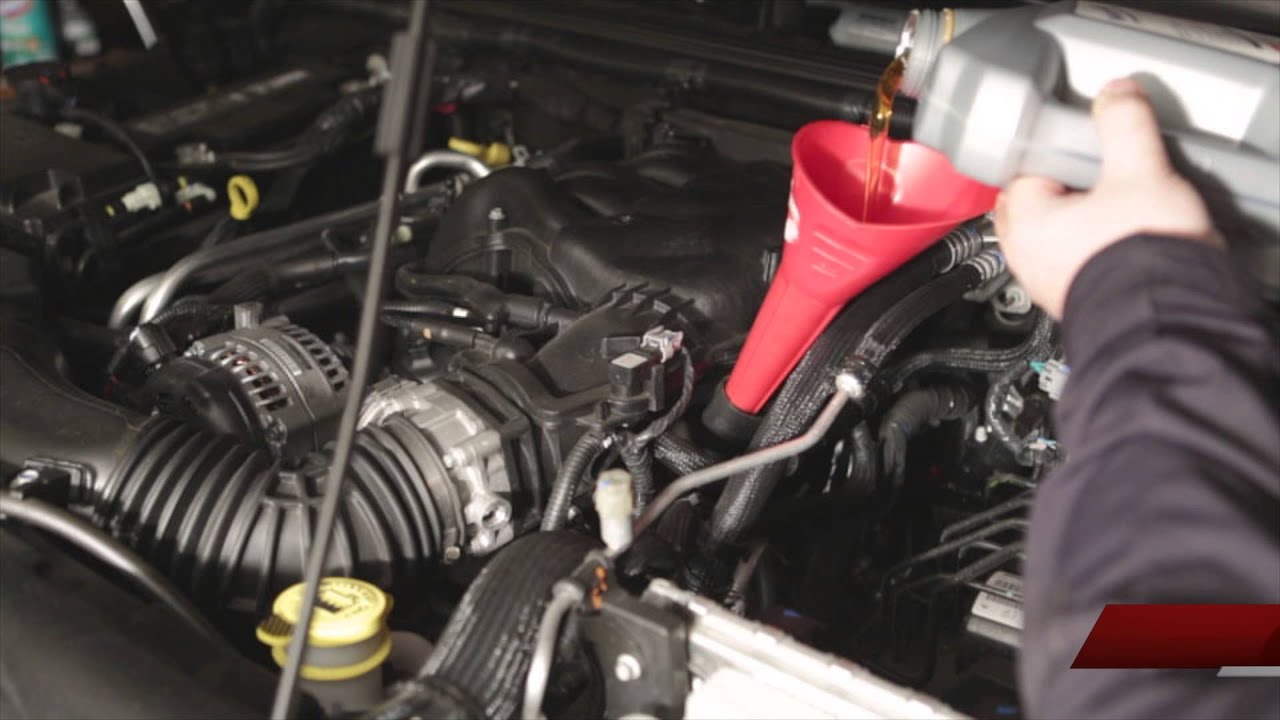
- Use a clean funnel to avoid spills. Place the funnel in the oil fill opening.
- Pour the recommended oil type and amount slowly. Most Jeep Wranglers need 5W-20 or 5W-30 oil. Check your manual for exact specifications.
- Replace the oil fill cap and tighten it firmly.
- Check the oil level using the dipstick. Wipe the dipstick clean, insert it fully, then remove it to check the oil mark.
- Clean any spills and close the hood.
It’s important not to overfill. Too much oil can damage the engine.
Here’s a comparison of oil capacity for common Wrangler engines:
| Engine Type | Oil Capacity (quarts) | Recommended Oil |
|---|---|---|
| 4.0L I6 | 6 | 5W-30 |
| 3.8L V6 | 5 | 5W-20 |
| 3.6L V6 | 6 | 5W-20 |
| 2.0L Turbo | 5 | 5W-30 |
Common Mistakes To Avoid
Even experienced drivers can make mistakes when adding oil. Here are some to watch for:
- Adding oil to the wrong location. Some people accidentally pour oil into the transmission or coolant reservoir. Only use the cap labeled “Engine Oil.”
- Using the wrong oil type. Always follow the recommendation in your owner’s manual. Different engines need different oils.
- Overfilling or underfilling. Too much oil leads to leaks or engine damage. Not enough oil causes overheating.
- Neglecting the oil filter. Changing the oil without replacing the filter reduces engine protection.
- Ignoring oil leaks. If you notice oil under your Jeep, inspect for leaks right away.
A less obvious tip: after adding oil, run the engine for a minute and recheck the dipstick. Oil sometimes settles, and you may need to add a little more.
Signs You Need To Add Oil
Your Jeep Wrangler will show signs if it needs more oil. Watch for these indicators:
- Low oil pressure warning light on your dashboard
- Loud engine noise or knocking sound
- Dark or dirty oil on the dipstick
- Engine overheating
If you see these signs, check your oil level and add oil as needed. Ignoring these symptoms can lead to expensive repairs.

How Often Should You Add Oil?
For most Jeep Wranglers, oil should be checked every 3,000 to 5,000 miles. If you drive in dusty conditions or tow heavy loads, check more often. Newer models with synthetic oil can last longer between changes, sometimes up to 7,500 miles.
Here’s a quick comparison between regular and synthetic oil intervals:
| Oil Type | Typical Change Interval |
|---|---|
| Conventional | 3,000-5,000 miles |
| Synthetic | 5,000-7,500 miles |
Practical Tips For Jeep Owners
- Always keep a quart of oil in your Jeep, especially for long trips.
- Use a clean funnel to avoid dirt entering the engine.
- Record oil changes in a notebook or app for easy tracking.
- Check oil after driving in rough conditions—off-road trips can use oil faster.
- Buy oil from reliable brands to protect your engine.
Many owners forget that oil color matters. If your oil looks milky or foamy, it could mean a coolant leak. This is a problem you should fix as soon as possible.